

Government Encourages School Readiness Among Young Children
Parents receiving offers for primary school places in England and Wales are being reminded to help ensure their children are fully prepared for school by the start of the academic year in September.
The government has set a target for 75% of children to achieve a good level of development by the time they complete reception year. However, educators report an increasing number of children are beginning reception without essential skills such as being toilet-trained or possessing the communication abilities necessary for effective learning.
To address this, a new government campaign has been launched to inform parents about key skills to practice at home before the autumn term begins.
York Council's Pilot Scheme Supports Parents with Toilet-Training Guidance
As part of a pilot initiative, City of York Council has distributed informational leaflets about potty-training to 1,700 families alongside their school place offer letters.
In addition, the council is organizing parent workshops, providing specialized training for teachers and nursery staff, and displaying information in community locations such as pharmacies, GP surgeries, and community hubs.
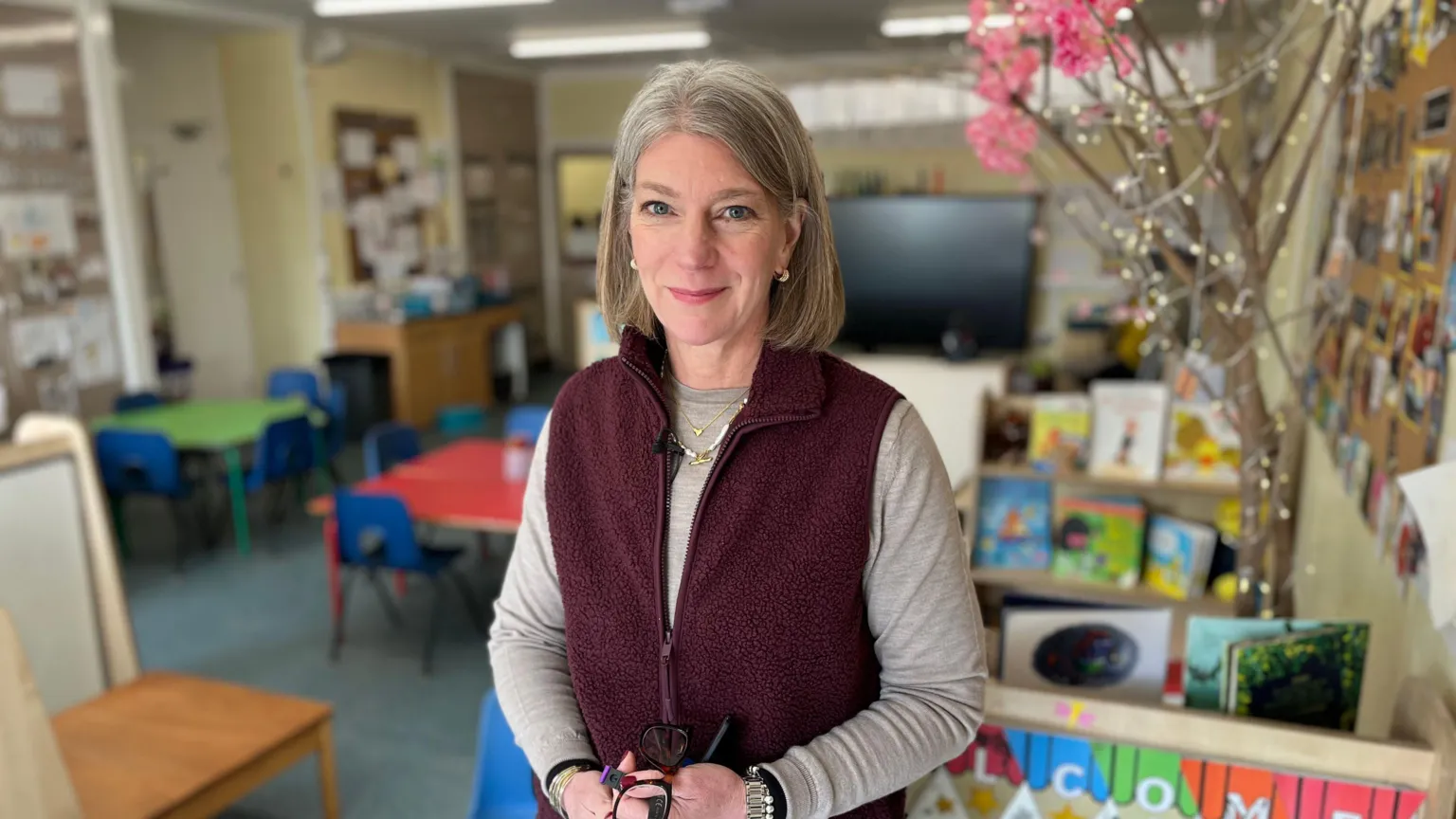
Jo Mould, who has been a reception teacher in the city for more than 30 years, says having all children potty-trained by September is an "ambitious" target - but also a realistic one.
"I think this is a really exciting opportunity," she says.
"It can be done. There will be support out there from health colleagues for parents whose children are struggling.
"So I think it will only be a positive step for children to ensure they're really ready to start school and come to learn."
Challenges Observed by Educators
In recent years, Mould has observed a significant change, with more children arriving at school facing speech and language difficulties, challenges in regulating their emotions, and issues related to toilet training.
"Particularly around toilet-training, it takes two members of staff to change a child, so it does take up human resource and takes the adults away from the children learning," she explains.
A recent survey conducted by the children's charity Kindred Squared found that reception staff spend an average of 1.4 hours per day changing nappies and lose over two hours of teaching time daily on basic skills.
Government's Broader Objectives for School Readiness
Across England and Wales, the government aims for more children to have mastered a range of physical, emotional, and social skills required to be fully ready to start school before September.
Support and Guidance for Parents
Peter Roderick, director of public health for City of York Council, emphasizes that parents should not feel pressured about meeting specific milestones but should seek support when necessary.
"I don't think there's a single parent who hasn't asked themselves, 'Is my child at the right stage, and what do I need to do to help them meet that?'" he says.
"It's about making sure they know who to turn to and what tools, techniques and tips you need if your child is a bit behind."
Parents Share Their Perspectives on School Readiness
For parents Rachel and Rumayna, both of whom have daughters starting school in York this September, the experience is both exciting and somewhat daunting.
"I'm quite excited for her," Rachel says.
"I think she's more than ready to go, nursery has been brilliant at prepping her."
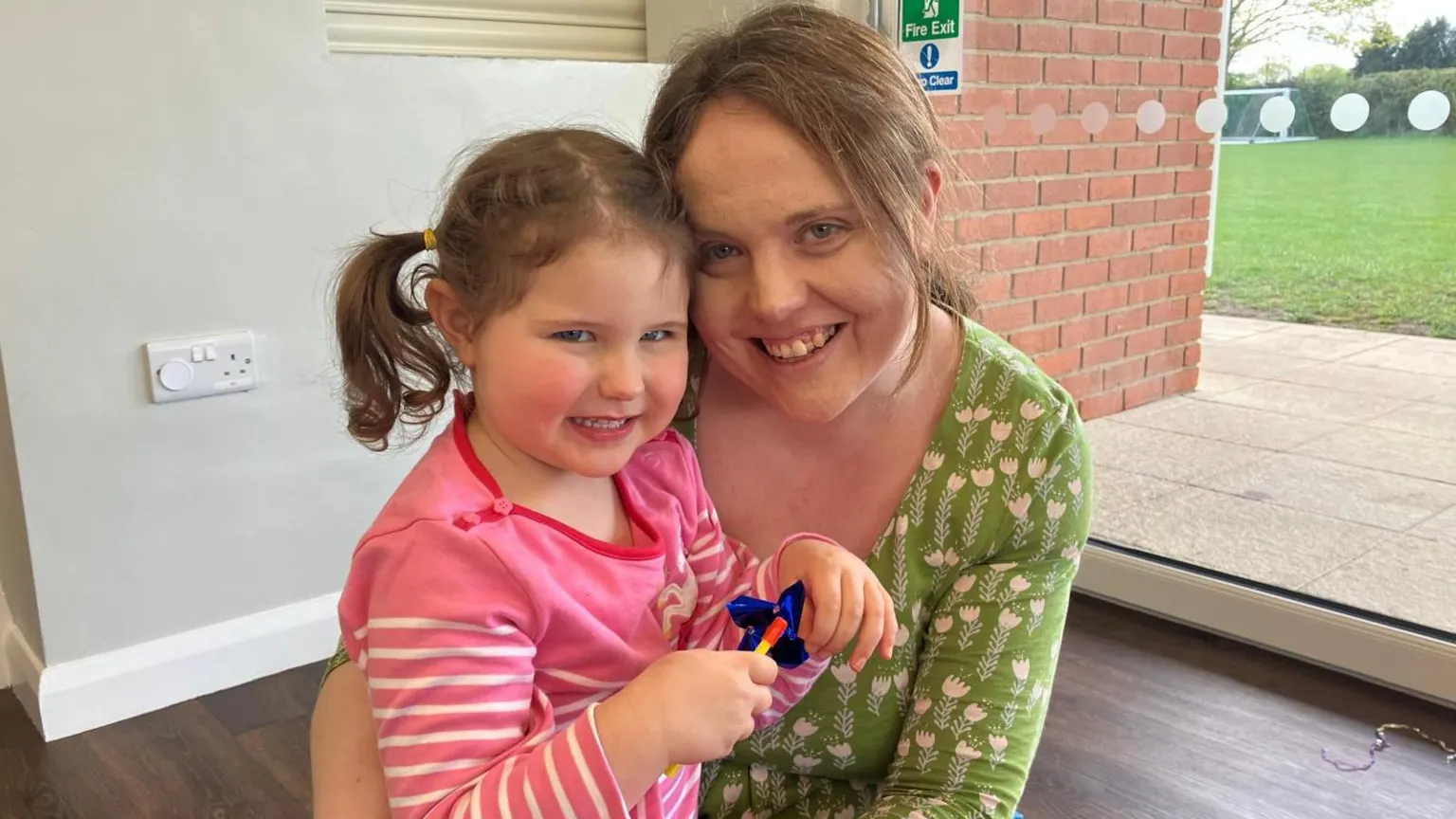
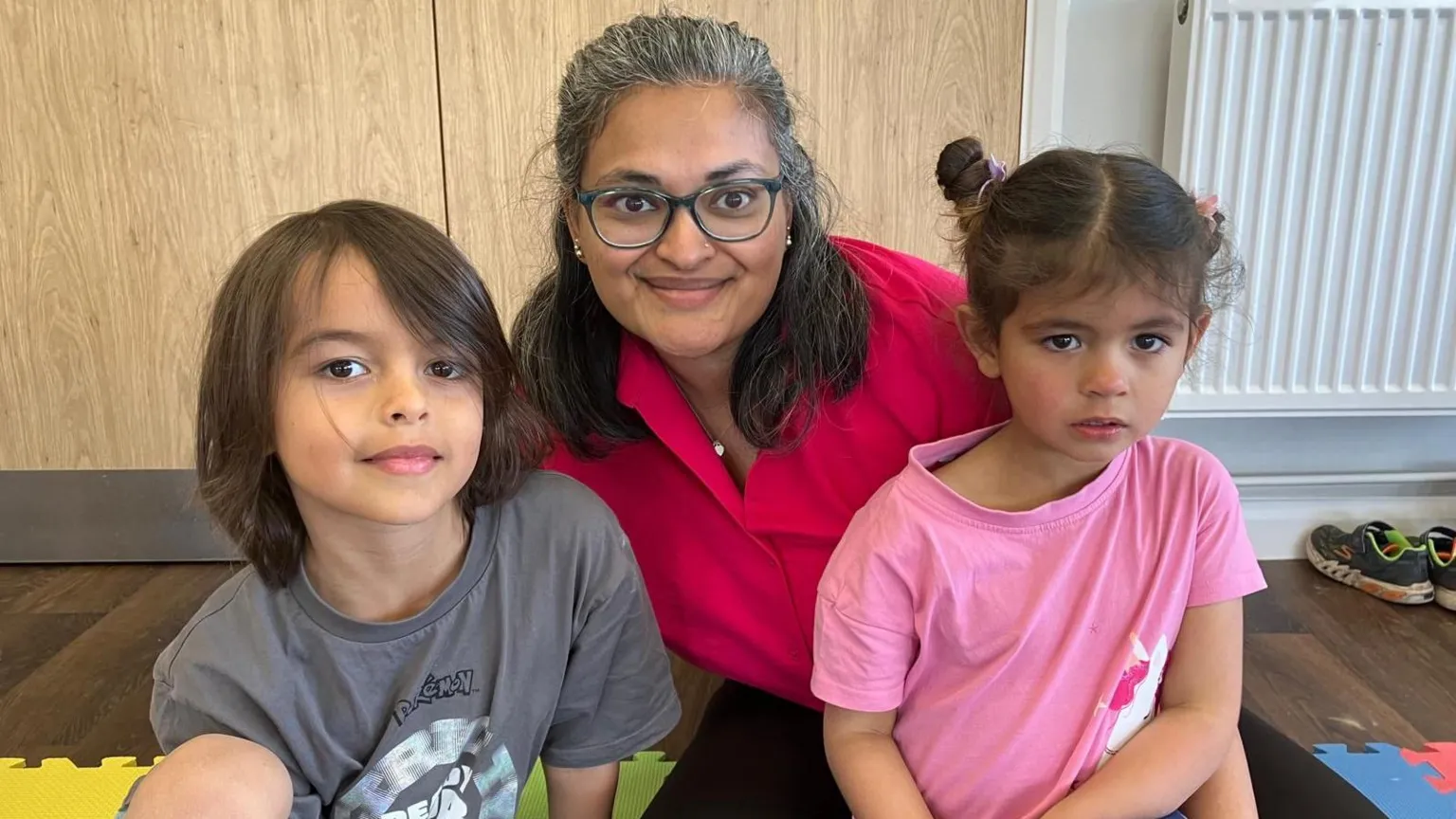
Rumayna expresses some anxiety about whether her daughter Izzie will be admitted to the same primary school as her older brother, but she is confident her daughter is prepared.
"It helps that she's seen her big brother attend school and been there at drop-off and pick-up - she wants to run in herself," she says.
She welcomes the guidance provided to parents but stresses the importance of it being "non-judgemental and supportive."
"You look at your peers and friends and think when they start school surely they have to be potty-trained, so it puts a lot of extra pressure on you," she adds.
"There's definitely room for more support and guidance for parents, because you're kind of left to your own devices."
School Place Allocation Dates
Parents in England and Wales will receive primary school offer letters on 16 April.
In Scotland, councils allocate school places on varying dates, while children in Northern Ireland have already been informed of their school placements.


