

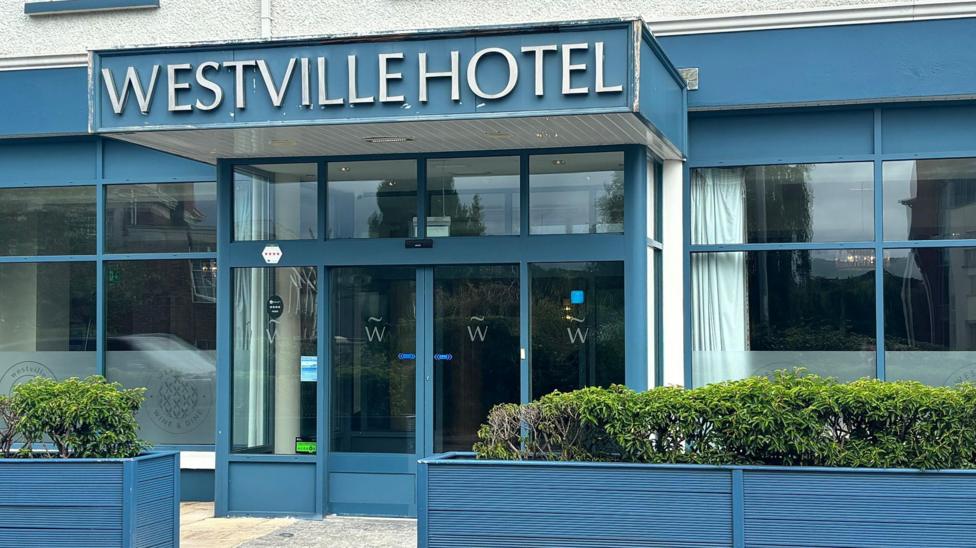
Anna Owens has been awarded almost £20,500 after bringing an indirect sex discrimination case against the Westville Hotel in Enniskillen, County Fermanagh. An industrial tribunal found that changes to her working pattern, which had helped her balance work with childcare, placed her at a particular disadvantage and amounted to unlawful indirect sex discrimination.
Owens had agreed a fixed three-day working week before starting work as a receptionist at the hotel. The tribunal heard that she worked the agreed days for more than 18 months, with occasional changes when enough notice was given and if she could arrange childcare.
After a new general manager was appointed, Owens was told that, in the interests of fairness to other staff, she would have to work a fully flexible seven-day rota. She was the only receptionist with childcare responsibilities.
When she explained that she had a fixed-hours agreement in place and that the change was not feasible because of her childcare arrangements, Owens said the manager told her that her childcare needs were nothing to do with him and were her responsibility.
Despite raising concerns and using the employer's grievance process, her agreed working pattern was not permanently restored. Owens was unable to work some shifts, suffered a reduction in hours and earnings, and eventually resigned before bringing legal proceedings.
The tribunal found that requiring her to work a fully flexible seven-day rota placed her at a particular disadvantage because of her childcare responsibilities. It concluded that this amounted to unlawful indirect sex discrimination because the employer failed to justify the requirement as a proportionate way of meeting legitimate business demands.
What did Anna Owens say after the ruling?
Owens said the decision reflected the difficulty faced by many parents trying to balance work and caring responsibilities. She described feeling let down when her arrangement was changed and said she had simply wanted to keep working for her family.
"I'm just a mum who wanted to work to provide for my family," Owens said following the ruling.
"I just needed my employer to work with me to let me do my job.
"I felt betrayed and deflated that I was less of a contributing team member because of my childcare responsibilities.
"I hope I have made a difference for other parents who are trying to balance work and caring responsibilities."
Why did the tribunal say the change was unlawful?
The tribunal said the new requirement put Owens at a disadvantage because of her childcare responsibilities and that the hotel had not shown the change was a proportionate response to its business needs. It found that the working pattern formed part of her contract of employment.

How did the Equality Commission respond?
Geraldine McGahey, chief commissioner of the Equality Commission for Northern Ireland, said employers should properly consider flexible working requests because women still carry the greatest share of caring responsibilities in society. She said doing so can help retain experienced staff while supporting working parents.
"Women continue to carry the greatest share of caring responsibilities in our society.
"Proper consideration of flexible working requests by employers can help them to retain experienced staff while supporting working parents.
"The decision to move to a flexible working rota in this case was not made out of business need but presented as in the interests of fairness.
"Yet it proved to put Ms Owens at an unfair disadvantage and caused her unnecessary stress."
What has the hotel said?
In a statement to NI, a spokesperson for the Westville Hotel said it was considering the tribunal's judgment carefully with legal advisers, including whether to appeal. The hotel said it would not be appropriate to comment on the detail of the ruling.
"We note the tribunal's judgement and are considering it carefully with our legal advisers, including whether to appeal, so it would not be appropriate to comment on its detail.
"The hotel employs many working parents and carers, is committed to equality of opportunity for all of its staff, and is strengthening its policies, training and procedures with external advice to support flexible working wherever business needs allow."
What happened before the claim?
Owens worked at the Westville Hotel for more than 18 months before her agreed working pattern was changed by the new management. The tribunal accepted that the fixed three-day arrangement had been agreed verbally before she started work and had been followed in practice, with only occasional changes when childcare could be arranged.
She said she felt "betrayed and deflated" when those arrangements were altered. The tribunal also noted that she was the only receptionist with childcare responsibilities, which was relevant to the disadvantage she experienced when the hotel required fully flexible seven-day working.
What was the outcome of the case?
Owens was awarded almost £20,500 following the tribunal's decision. The ruling found that the hotel had failed to justify the rota change as a proportionate means of achieving a legitimate aim.
Why does this case matter?
The case highlights how fixed working patterns and childcare responsibilities can intersect in employment disputes. It also underlines the importance of employers properly assessing flexible working requests and the potential legal consequences when childcare-related disadvantage is not adequately considered.
For working parents, the case shows that changes to established arrangements can have significant consequences for hours, earnings and job security if they are not handled with care.
Key Facts
- Anna Owens was awarded almost £20,500.
- The case involved indirect sex discrimination at the Westville Hotel in Enniskillen, County Fermanagh.
- Owens had agreed a fixed three-day working week before starting work.
- A new general manager later required a fully flexible seven-day rota.
- The hotel said it was considering whether to appeal.


