

Call for Legal Reform on Parental Rights of Abusive Parents
A woman who experienced abuse as a child at the hands of her mother has advocated for changes in legislation to ensure that abusive parents lose their rights to visit their children.
Kelly Higgins, 40, was placed with foster parents after her birth mother, Bernadette McNeilly, was imprisoned in 1993 for her involvement in the torture and murder of 16-year-old Suzanne Capper, the children's babysitter, in Moston, Manchester.
Despite McNeilly's incarceration, she retained certain rights to visit her children, who were described as "petrified," and to make decisions regarding aspects of their lives.
The Ministry of Justice (MoJ) stated that the protection of children remains its "absolute priority."
McNeilly was part of a group of six individuals who held Capper captive for eight days, during which she was subjected to burning, having her teeth pulled out, starvation, and ultimately being doused in petrol and set on fire.
A judge sentenced McNeilly, then aged 24, to life imprisonment.
Nevertheless, as the biological mother of Kelly and her brother, McNeilly's consent was required for activities such as the children traveling abroad or having their ears pierced.
Kelly expressed that visitation rights for abusive parents allowed them to maintain a form of control, stating:
"It's still manipulation and it is still abuse – massive abuse on these children's little minds."
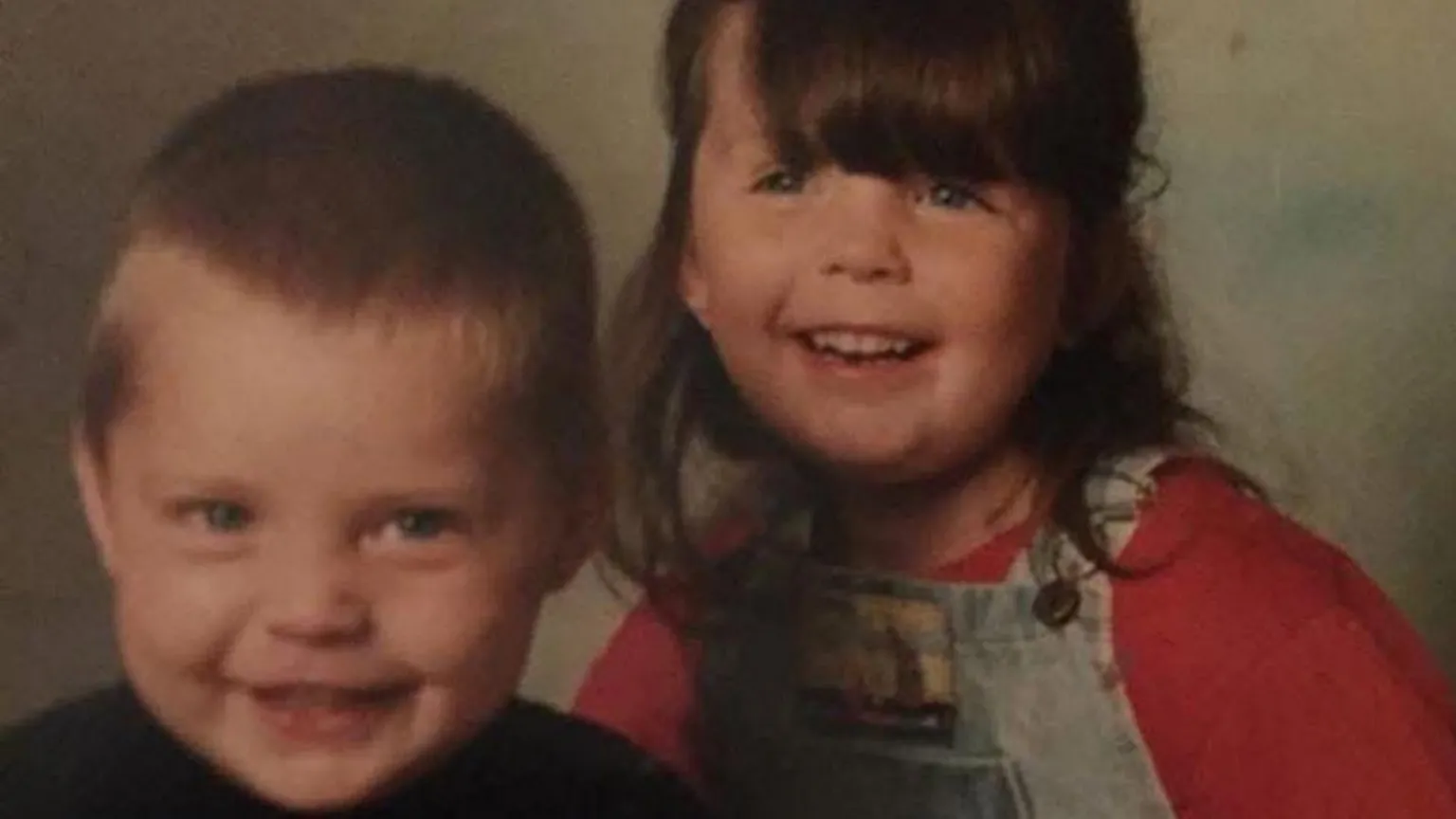
Kelly was seven years old and her brother James was five when their mother lured Suzanne Capper to their home in Moston with a gang of five others.
Capper was held captive at their home and subsequently at another location.
Kelly recalled:
"Hearing the scratches on the wall and the screaming."
Capper was forced out of a car at Werneth Low, Stockport, suffering burns over 70% of her body, and died shortly thereafter.
Kelly also reported that McNeilly physically abused her and her younger brother, but claims that reports made to Manchester City Council's social services and Greater Manchester Police were disregarded.
McNeilly has never been convicted of abusing her children.
Kelly described the abuse:
"We were regularly tied to chairs, hit with belts."
She added that some physical abuse occurred in public, which prompted "reports to social services."
On other occasions, the children were hospitalized following beatings.
After placement with foster families, McNeilly retained some degree of control over their lives.
Kelly explained the complex emotions involved:
"While I was scared of my birth mother, there is a very strange thing that no one understands unless you've been a child in that position. Once you go into a place where that mum who has been your abuser is actually nice – and you sit on her knee and she's stroking your hair and she's cuddling you and she's loving you – you then don't want to leave."
Foster Mother's Perspective on Visits
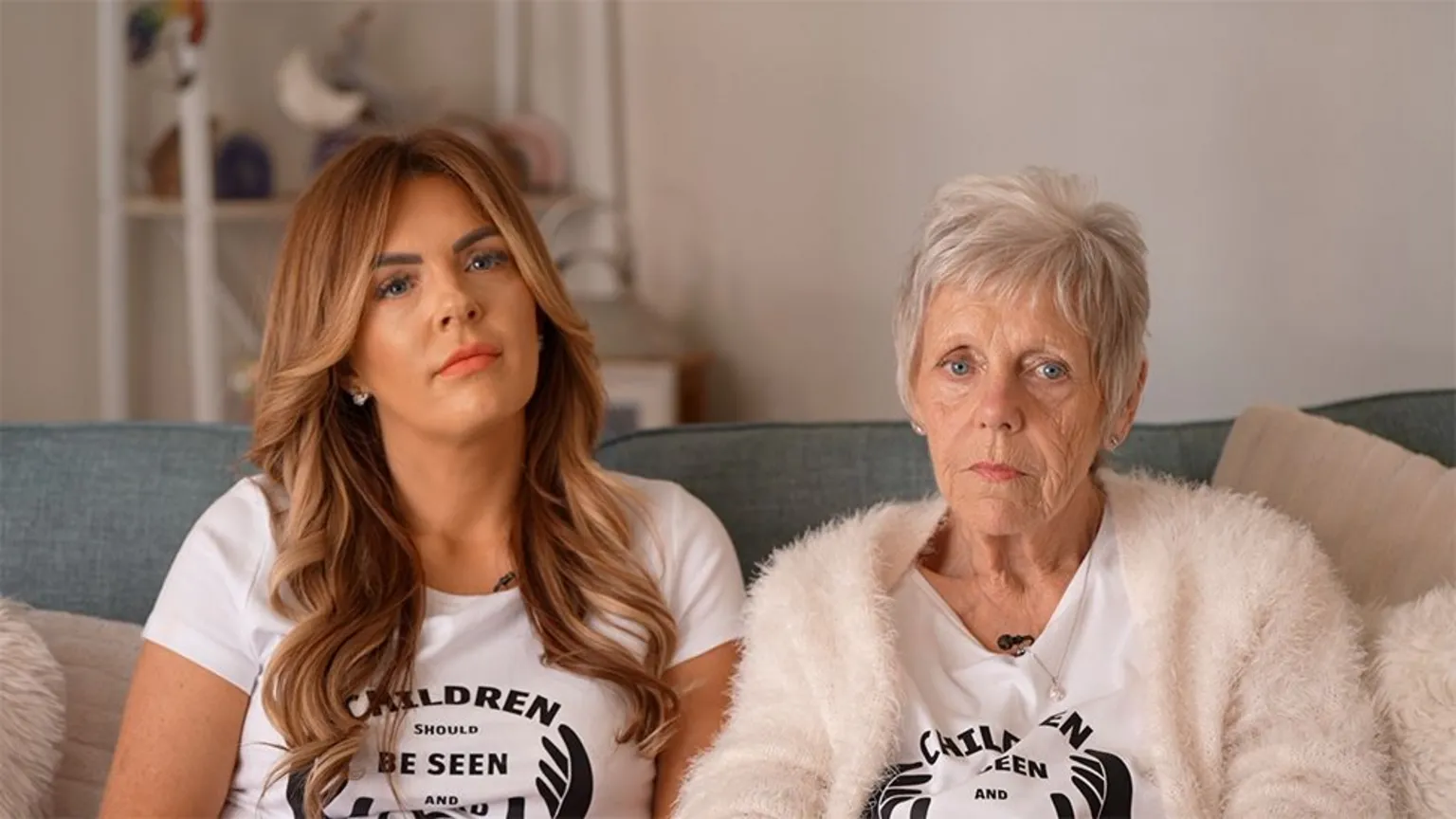
Kelly's foster mother, Sue Williams, 73, described the visits to see McNeilly in prison as emotionally difficult:
"It was tears going in [to visit] and tears coming out. It was hard but I had to do it. I tried to talk her round and say it's your mum at the end of the day. Coming away that was horrific as well. So you were fighting with two feelings. We want to be able to say we can have a life with you, and not have to answer to somebody who's hurt you so much, because that keeps hurting the child."
Kelly advocated that transferring parental rights from abusive birth parents to foster parents would encourage more individuals to foster children.
She acknowledged the impact of her foster parents, stating:
"Sue and Pete's love for me is why I am who I am today."
Government Response and Legal Changes
An MoJ spokesperson noted that through the Victims and Courts Bill, parental responsibility is automatically restricted in cases of rape resulting in the birth of a child, and serious child sexual offences with sentences of four years or more.
Kelly expressed that these measures do not go far enough:
"Some of these children have got cigarette burns on their bodies, some of them have got scars on their faces, on their arms, on their legs – and they've got an answer for every single mark on their bodies as to who did it – and yet these foster carers are still having to drag these poor children to visit that abuser."
The government has also committed to enacting legislation to remove parental rights from individuals convicted of killing someone with whom they share children, though it has faced criticism for the pace of implementation.
Additionally, family court law is set to be revised so that it no longer assumes contact with both parents is typically in the child's best interest.
Law Enforcement and Council Statements
Greater Manchester Police declined to comment on Kelly's specific case but stated that the force is working "tirelessly to support those subjected to non-recent child abuse."
A spokesperson added:
"These are often complex, and wide-ranging investigations and our specialists' investigative team are working tirelessly to build robust case files that put child abusers behind bars."
Manchester City Council has been approached for comment.
Listen to the best of BBC Radio Manchester on Sounds and follow BBC Manchester on Facebook, X, and Instagram. You can also send story ideas via Whatsapp to 0808 100 2230.


