Woman Survives Mountain Crash with Help from Mobile Phone
A woman who survived a car crash that caused her vehicle to plunge hundreds of feet down a mountainside in north Wales credited her mobile phone with saving her life.
Natalia Sidorska, 32, lost control of her car while driving along Horseshoe Pass, a winding and scenic A road in Denbighshire, late one evening in June 2025.
The car veered off the road and rolled down the mountainside before coming to rest in a field below. Moments after Natalia escaped from the wreckage, the vehicle caught fire.
Mountain rescue teams estimated that the car fell more than 100 meters (330 feet).
She later found that her iPhone 16 had automatically activated a crash detection alert during the incident, notifying emergency services and her emergency contacts, and sharing her location.
Natalia described the aftermath of the crash as the most difficult part of the experience.
She often drove alone to clear her mind and was driving along Horseshoe Pass for the first time on the night of the crash.
"I didn't realise that there was a very tight bend coming up and when I realised... it was too late for me to do anything."
Natalia admitted she may have been driving too fast on the unfamiliar road, which has a 40 mph speed limit.
She recalled seeing everything as the car fell and gripping the steering wheel tightly to prevent it from coming loose as the car hit the ground, airbags deployed, and the vehicle continued bouncing down the mountainside.
When the car finally stopped, Natalia realized she was trapped inside.
"I opened my eyes and I realised that I'm still alive and I'm underneath the back seat for some reason,"
"I tried to process what's just happened. And then I started hearing the clicking fire noise.
"I realised that the car is on fire."
Unable to move properly due to injuries to her leg, she attempted unsuccessfully to force the doors open.
Believing she was going to die, she said she decided to fall asleep so the smoke could poison her before she felt the pain caused by flames.
Moments later, she remembered she had locked the car doors before setting off.
She unlocked the doors, crawled from the wreckage, and rolled herself away from the vehicle.
"I know it sounds like a movie, and if I wasn't there, I wouldn't believe it, but as soon as I looked at the car, it exploded,"
"It was literally seconds."
About 20 minutes later, emergency services arrived, including firefighters and mountain rescue teams.
She later discovered her iPhone 16 had activated a crash detection alert.
"It was very late at night and I was very deep down the mountain,"
"I'm grateful to Apple for what the iPhone did - I don't think that I would have been able to get help that quickly."
What is crash detection?
According to Apple, the crash detection system is designed to identify severe car crashes such as front-impact, side-impact, rear-end collisions, and rollovers.
The phone uses multiple sensors to detect a crash, including sound, changes in air pressure caused by airbag deployment, motion sensors, and GPS.
After detecting a crash, users are given an option to call emergency services or dismiss the alert.
If the user does not respond within 20 seconds, the phone automatically contacts emergency services, providing the incident location.
It also sends a message to the user's emergency contacts if they are set up.
Recovery and Family Support
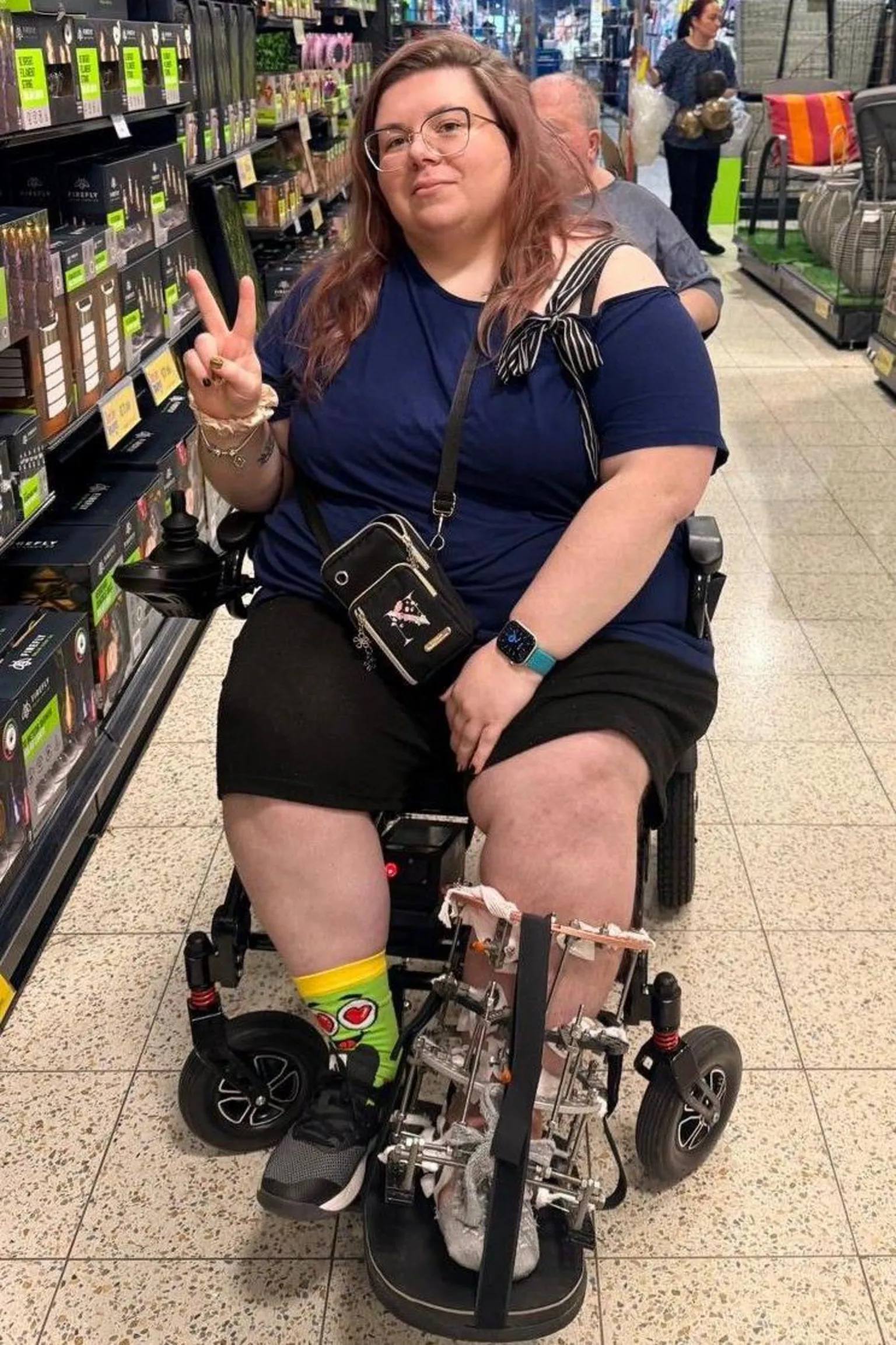
Natalia spent four months in hospital and underwent three operations after sustaining serious injuries, including life-changing damage to her ankle and spine.
Surgeons removed her talus bone, which is part of the ankle joint, after she developed an infection that prevented the use of metal implants.
"It will be a lifelong disability,"
she said.
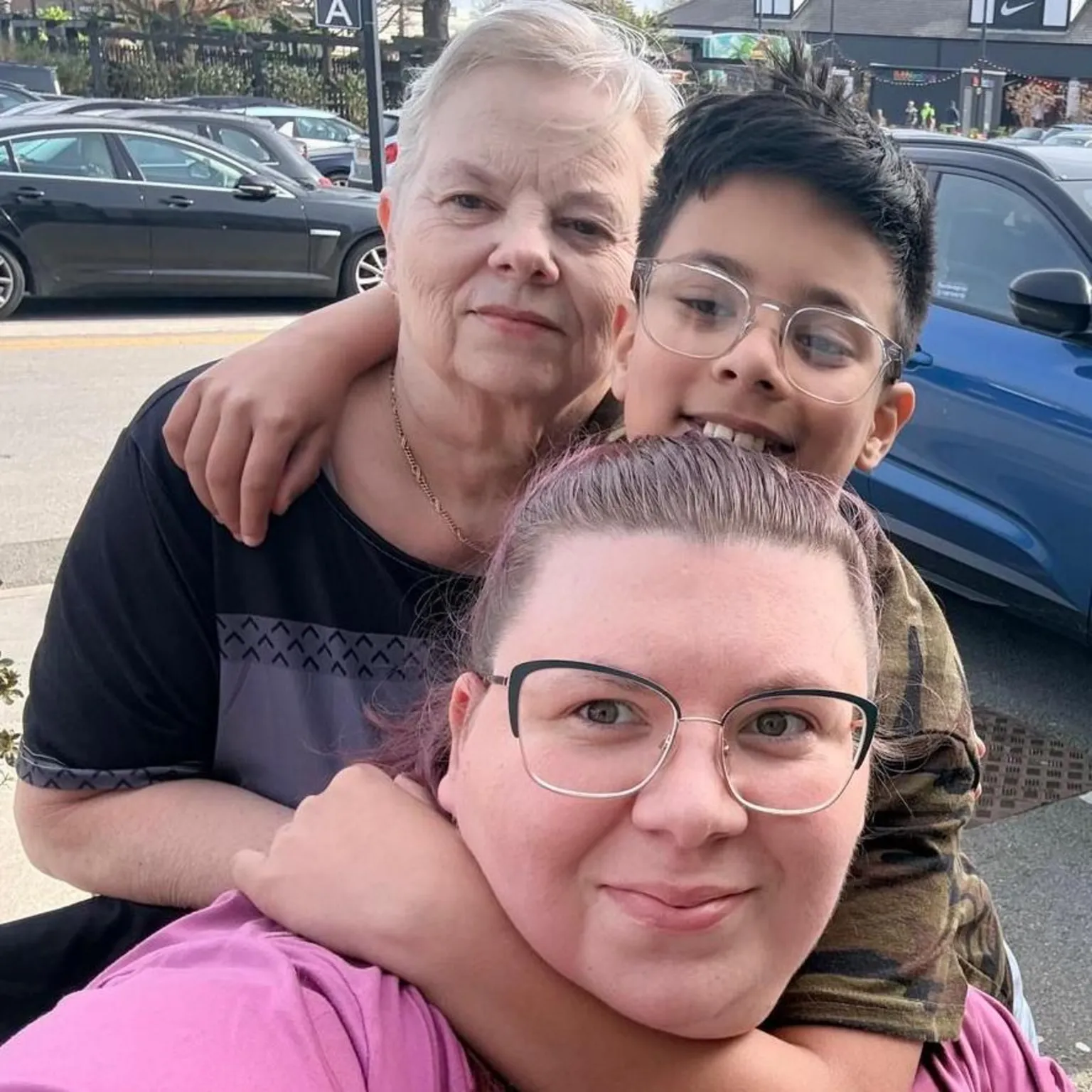
She later relocated to Liverpool with her 10-year-old son and expressed optimism, highlighting the support of her family.
"My family has proved that they are my rock,"
"If I didn't have my family, I don't know what would happen to us.
"My son loves me so much, he's been really looking after me. He's been so understanding."
She mentioned that Liverpool City Council offered her a home and she hoped to retrain as a Polish interpreter, having previously worked as a property manager.
"I've been offered a beautiful house now, so I'm positive."
Despite the trauma, Natalia has returned to driving using an adapted mobility car.
"It wasn't the car that failed. It was me,"
"And if you drive, no matter how good you are, always be cautious."