

It is a Monday afternoon outside a courtroom where the family of Natalie McNally, who was killed while 15 weeks pregnant, watch as her partner is convicted of her murder.
Some 70 miles away, the family of Amy Doherty, a mother of two, mourns her loss after she was also murdered, with a man subsequently arrested on suspicion of the crime.
The lives of these two cherished women were cut tragically short, and their deaths have deeply affected many others.
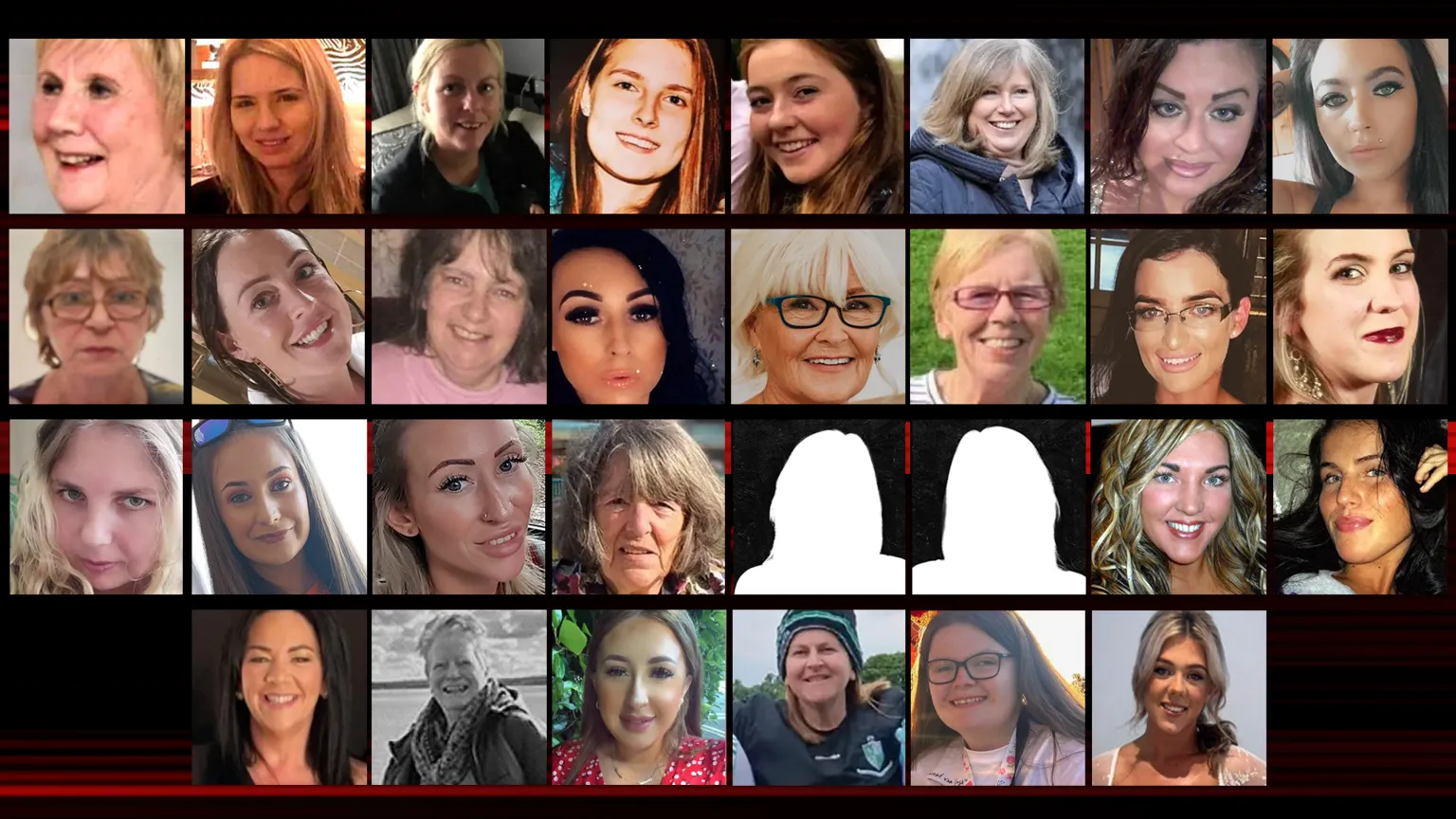
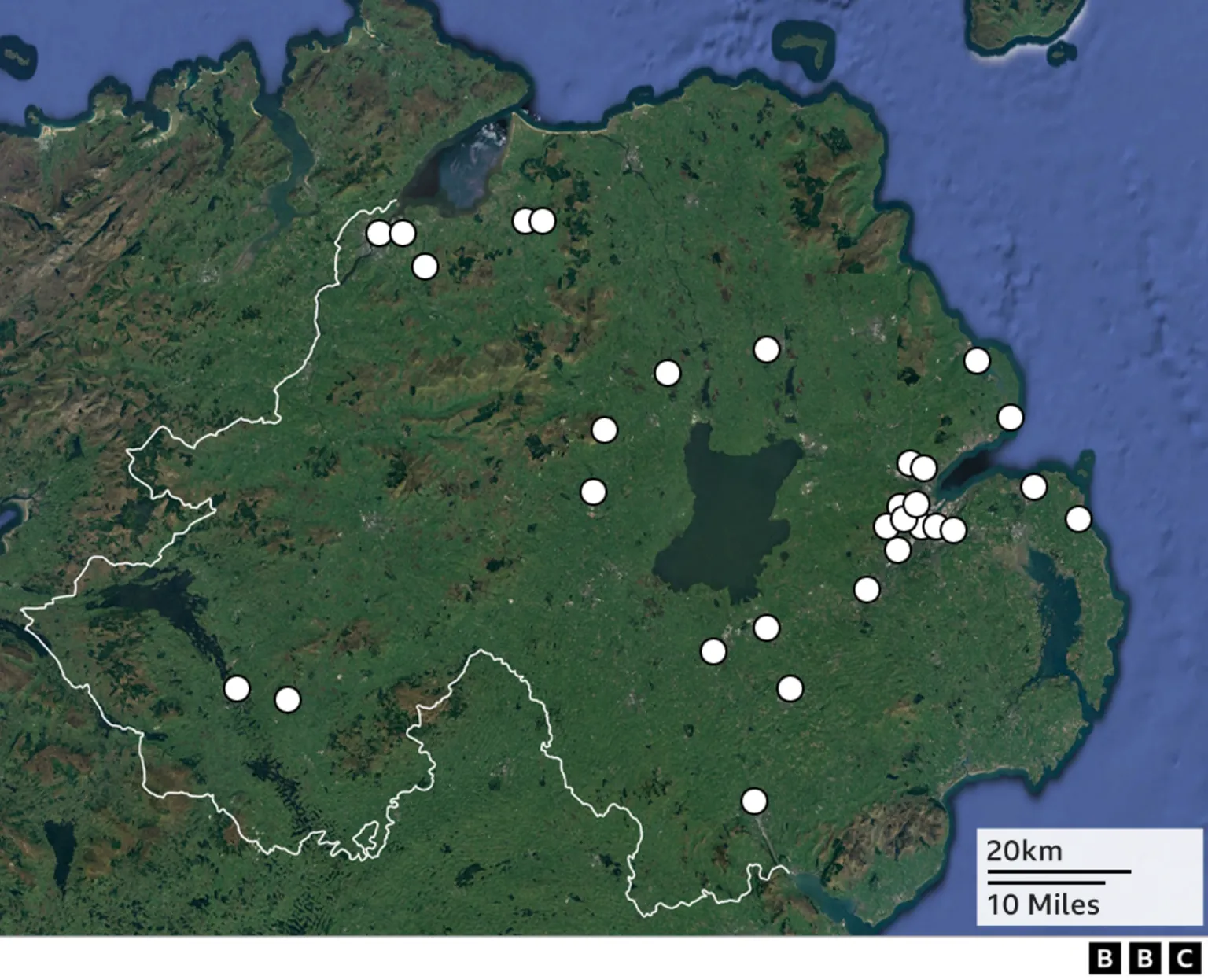
This represents only a small part of a larger issue; stepping back reveals that they are just two of 30 women violently killed in Northern Ireland since 2020.
Such a statistic is alarming for a region with a population of only 1.9 million, prompting Secretary of State Hilary Benn to describe it as "shameful" that Northern Ireland is the "most dangerous place to be a woman" in the UK.
Of the 30 women killed, all but one had a male perpetrator or suspected perpetrator, and in most cases, the man was known to the woman.
"It horrifies me. It should anger us all," Northern Ireland Deputy First Minister Emma Little-Pengelly said.
But why is Northern Ireland such a perilous place for women? And what measures are being taken to address this?
UK's Most Dangerous
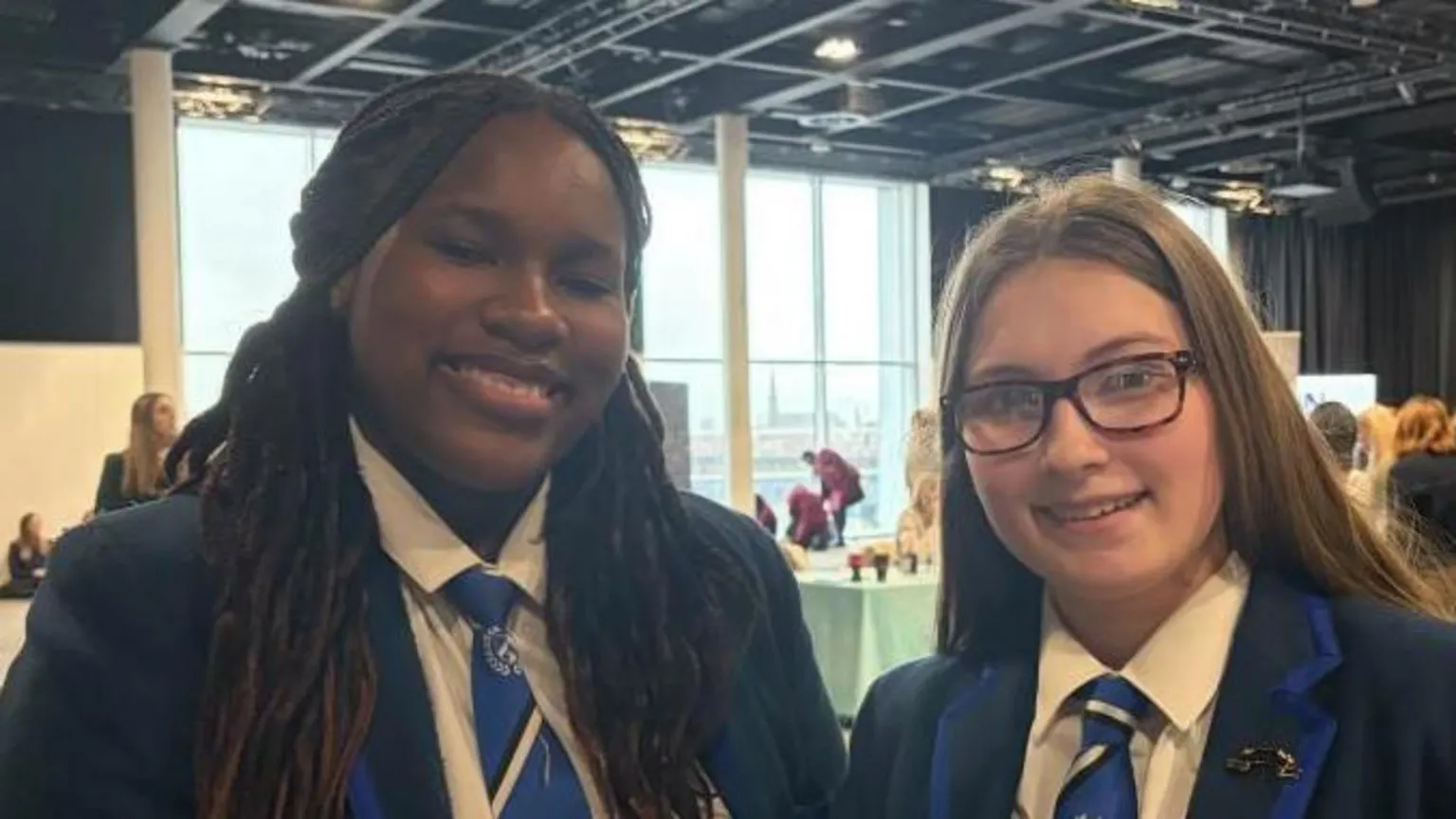
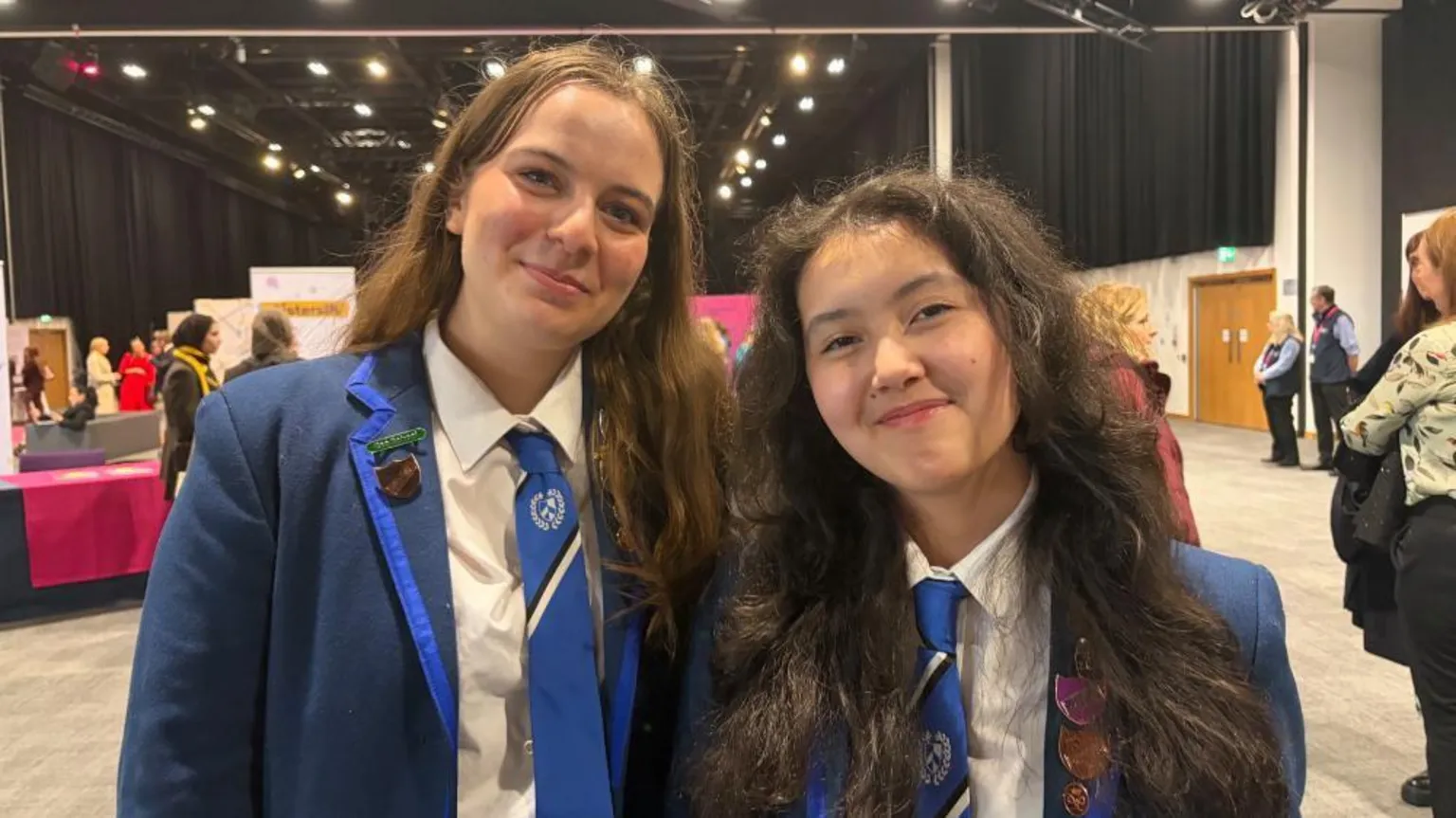
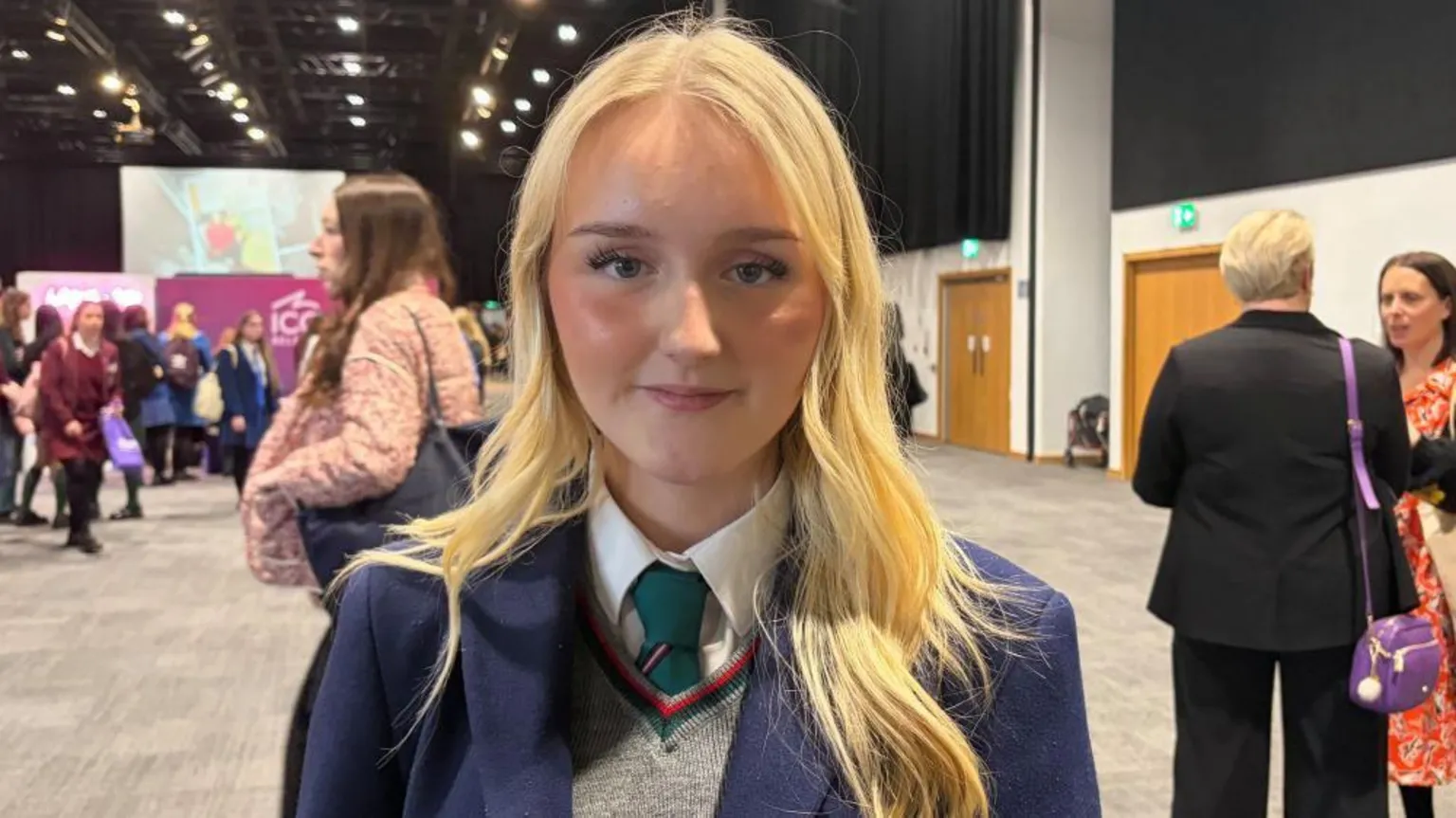
On Tuesday, Belfast's Waterfront Hall was filled with approximately 800 young women attending a mentoring event called SistersIN.
The event aims to support them in finding career paths, but recent headlines remain on their minds.
"You want to go out and do as many things as you want to do," said Kayla.
"But there's always that fear that you won't be able to do what you want because there's violence against women."
Eve added,
"We're half the population, it's insane that we have to experience this. Men experience stuff as well but it's horrible that the amount of extra load that it puts on us in our daily life."
This anxiety is reflected in statistics, although it is difficult to definitively state whether Northern Ireland is the worst place in the UK to be a woman, as claimed by Hilary Benn, due to differences in data collection methods.
For example, Scotland does not record whether the perpetrator is male.
Data on femicides in Scotland where a relationship existed between victim and suspect show the highest number of female homicides was 16 in 2021/22, and the lowest was 10 in 2020/21.
Why Is the Problem So Acute in Northern Ireland?
Examining why this issue is particularly severe in Northern Ireland raises challenging questions about its complex history.
During the 30 years of conflict known as The Troubles, over 3,500 people were killed.
Dr Conor Murray, a senior lecturer in criminology at Ulster University and author of Young Men, Masculinities and Imprisonment: An ethnographic study in Northern Ireland, explained that violence has become "normalised" due to the Troubles.

"Some boys are growing up in communities that are shaped by violence, where everyday activities such as walking to school or playing football in the street, take place under the gaze of murals depicting gunmen in balaclavas, so violence is part of the everyday for them," he said.
Murray emphasized the need to address the trauma left by the Troubles.
"Until we deal with the transgenerational trauma, the high levels of mental health issues, self-harm and suicide, it will be difficult to fully progress away from the issues that we're facing with violence today."
What Is Being Done About Violence Against Women and Girls in Northern Ireland?
This week, political figures from Hilary Benn to Deputy First Minister Emma Little-Pengelly have spoken about the problem and the necessity of tackling it. But what concrete actions are underway?
The devolved government launched its Ending Violence Against Women and Girls Strategy in 2024, making Northern Ireland the last part of the UK to do so.
Little-Pengelly said the strategy is "at a very early stage", and a "very complex issue".
Despite the complexities, there is consensus that education and early intervention are essential.
Earlier this week, Police Service of Northern Ireland (PSNI) Chief Constable Jon Boutcher reported that the force received about 22,000 calls related to violence against women and girls over an 11-month period.
He said there seemed to be an "acceptance around misogyny" which he had not seen before, citing the "abhorrent" rise of online influencers like Andrew Tate.
However, he also highlighted practical challenges faced by the PSNI, including funding shortages that hinder efforts to address the issue.
This concern was echoed at the SistersIN event, where Jessica remarked,
"I feel like a lot of the issue is social media and obviously the new rise of the 'red pill' and all that kind of thing amongst young men."
Beth added,
"I think we need to educate a lot of boys and men, especially when they're young, to sort of prevent it rather than just dealing with it after it's happened."
"Why Are People Afraid to Lift the Phone and Ring the Police?"
Nuala Lappin, a retired PSNI specialist domestic abuse officer, shared her concerns.
"My big issue was what I called 'the bystander effect', which I've direct evidence of," she said.
"I live in not a bad area, and last year a young lady was beaten in the middle of the street and nobody did anything.
A neighbour shouted, but nobody lifted the phone to ring 999... Why are people afraid to lift the phone and the ring the police?"
Nuala described two types of abusive men:
"The charismatic man who everybody loves but in the house is the devil, then there is the outward bully that everybody is afraid of."
She identified several barriers that prevent abused women from reporting to the police, highlighting two main ones: fear of retaliation by the abuser and reluctance to share intimate personal details with strangers.
Nuala suggested the introduction of "independent domestic violence advocates."
"We need a buffer between victims and the police, because most are coming in and they don't really understand what the law allows, and maybe the advocates could be that buffer that could attend police stations with victims, who could explain the court process."
With plans for education and enforcement in place but limited funding to fully implement them, the question remains: where does this leave women in Northern Ireland?
Could the legacy of a violent past mean that women will continue to face violence in the present and future?
This question weighed heavily on attendees at a conference on violence against women and girls in Coleraine.
Leigh O'Hara, whose organisation White Ribbon NI works to end violence against women, said,
"I think the statistics are scary, but it's always been there. It's always been in the background,"
She said that stopping the violence requires addressing the "thoughts and beliefs" that lead to harmful behaviour from men towards women. This involves engaging men of all ages in various settings, including schools, sports clubs, and prisons.
"We can't just keep putting out these fires, we need to get to the root causes and work from there."
Or as Jessica, one of the teenagers at the SistersIN event, expressed,
"It's not up to the girls to know how to protect themselves. It's up to the men to know not to do it."


