

Jess King's Choice to Live Childfree
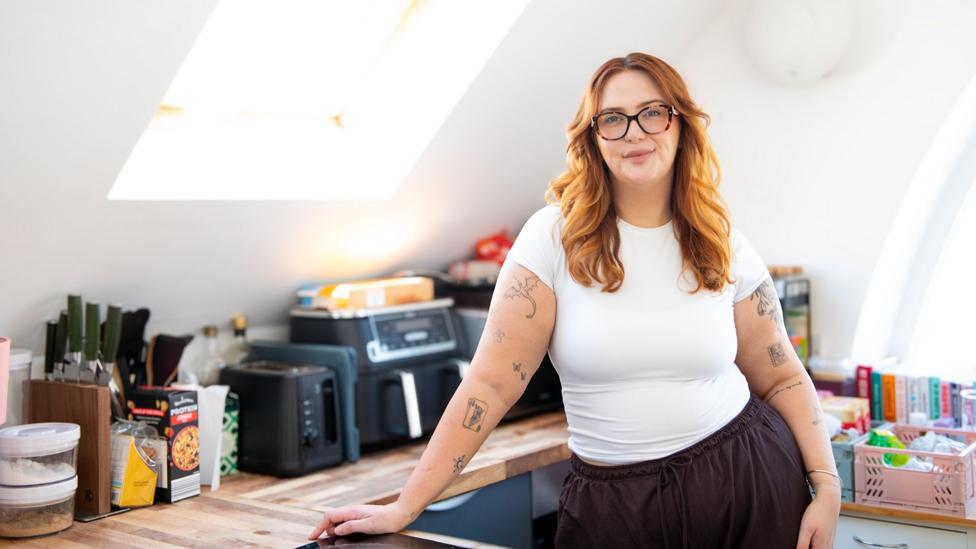
Jess King, 32, initially assumed she would have children, viewing it as a natural progression for women. However, as she aged, she experienced growing uncertainty about motherhood.
"It turned into 'Am I not ready for this, or do I not want this?'" she recalls.
She noticed that those around her who had children were certain and felt a maternal instinct, something she did not experience, prompting her to question her own desires.
Similar to Jess, a rising number of women in the UK are opting not to have children. Research by the Centre for Social Justice (CSJ) estimates that approximately three million women aged 16 to 45 are likely to remain childfree.
If women in this age group were having children at the same rate as their grandparents, an additional 600,000 would be mothers.
Data from the Office for National Statistics (ONS) shows that births in England and Wales declined for the fourth consecutive year in 2025, reaching the lowest level in nearly 50 years.
Jess describes the moment she told her boyfriend about her decision as challenging.
"Telling my boyfriend I don't want kids was really scary," she says.
Factors Influencing the Decision to Remain Childfree
The CSJ report attributes this trend to various social and economic pressures, including rising housing costs, delayed financial independence, later marriages, and career uncertainties.
Financial concerns are significant for Jess, who lives in west London with her partner, Ollie. As a self-employed content creator, her income fluctuates, which adds to her apprehension about having children.
"There are so many people struggling to get by. Some months, we are really scraping the pennies and it can be difficult."
Other women interviewed also cited financial constraints but highlighted additional factors such as climate change anxieties, career ambitions, a desire to travel, and the perception of greater personal freedom in today's society.
Both Jess and Chy, 33, found support through online communities of women living fulfilling childfree lives.
The hashtag #childfree has over 127,900 videos on TikTok, while #childfreebychoice has more than 68,100, featuring thousands of women discussing their reasons for not becoming mothers.
Jess notes that social media did not influence her decision but provided validation and comfort in expressing her views.
Chy Black's Perspective
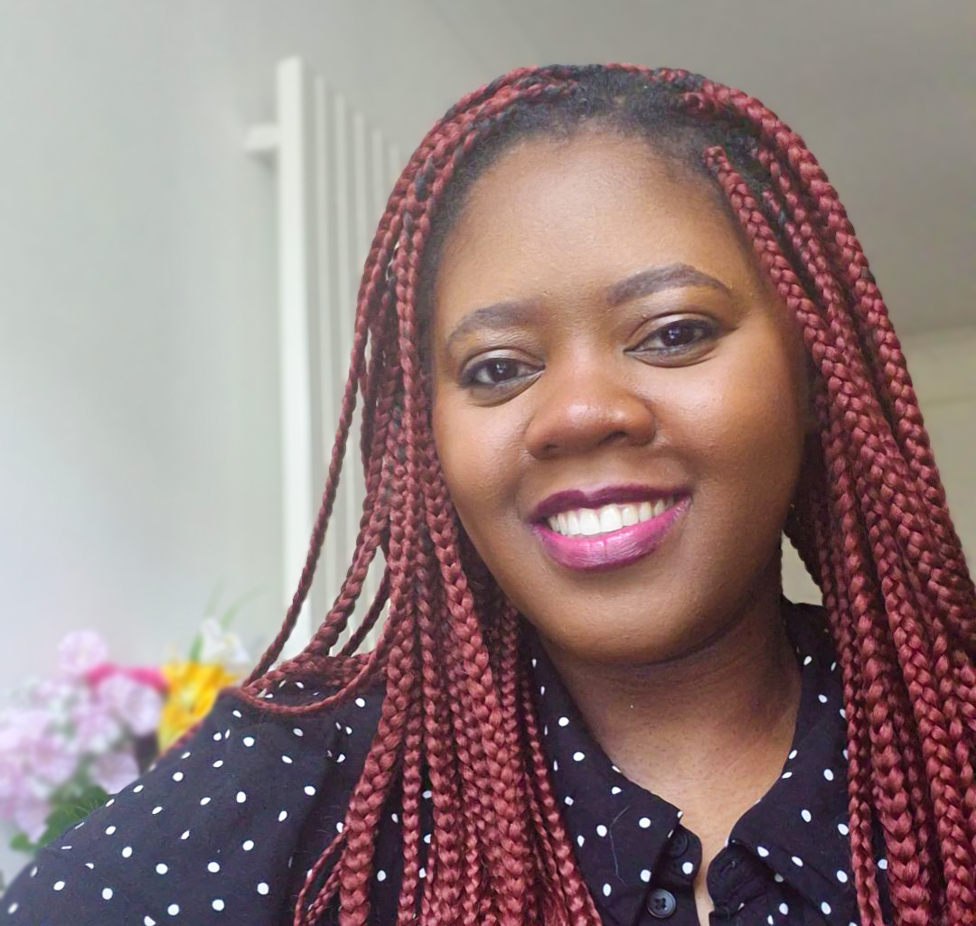
Chy Black, a 33-year-old account manager from the Midlands, also found an online community of like-minded women. While her parents and close friends support her choice, her extended family, rooted in African cultural expectations that women should have children, reacted with shock and disbelief.

"Being someone with resistance to that idea was met with a lot of shock and disbelief."
Chy feels she would not be able to provide the abundant love a child needs and prefers to focus on her career and travel, which she believes would be more difficult with children.
Career and Financial Considerations
The CSJ report highlights career focus as a primary reason women choose not to have children. A 2023 survey of over 1,500 UK women aged 18-35, commissioned by the New Social Covenant Unit, found that 38% of women who do not want children cited career advancement as their reason.
Nearly half of respondents mentioned the high cost of childcare, and 41% indicated they would require a larger home to accommodate children.
Chy believes that mothers receive insufficient support, and that childcare costs and current parental leave policies make it challenging for women to pursue lives beyond motherhood.
"One of my friends has had to cut her working hours to be able to do the school drop-offs and pick-ups."
"If those systems were to change, maybe my decision could have been swayed earlier on," she adds.
The CSJ report argues for greater societal and policy recognition of motherhood, noting that it was more highly esteemed in the 20th century.
Social Pressure and Community Responses
Several women reported facing skepticism from acquaintances and strangers who believed they would eventually change their minds about motherhood or were making a mistake.
Sasha Thomas, 28, an assistant manager at a cocktail bar living in a small Welsh village, experiences this scrutiny acutely.
"Everyone has kids, has a boyfriend, gets married," she says. "I've had a bit of backlash from people."
Sasha and her boyfriend Tom, 31, prefer to allocate their finances towards travel, including a planned trip to the Maldives, which they say would be unaffordable with children.

Despite some resistance, many women expressed that having children is no longer viewed as the default life path.
Sian Lawley-Rudd, 37, a dog trainer from Staffordshire, was raised believing motherhood was an expected life stage, despite lacking a strong desire to become a mother. She is now confident in her childfree choice.
Her decision is influenced by global conflicts and climate change.
"Do I want to bring a child into the world the way that it is right now? No. That was the answer and I've not changed my mind from that."
Jess shares similar environmental concerns.
"Environmentally, is there even going to be much of a world in the future? There's already so many people on the planet, do I really want to add to that?"
"I would rather regret not having kids, than have kids and regret them."
Jess reflects that had she been born in a different generation, she might have had children due to societal pressures.
Sian, who has two lurchers named Bonnie and Oliver, considers her dogs as family and finds emotional fulfillment in her work.
"I'm happy with my dogs," she says. "I care for them and they're family to me."
"I'm passionate about what I do and it meets an emotional need that I have. Maybe for others, a child meets that need."


