

Introduction
Following Sir Keir Starmer's resignation, Andy Burnham, the newly elected Makerfield MP, is widely expected to become the next UK prime minister.
Many anticipate that Burnham will appoint a new chancellor to replace Rachel Reeves, the current occupant of Number 11 Downing Street.
The incoming chancellor will confront a challenging agenda, including high national debt, low economic growth, welfare reform, defence spending, and the economic consequences stemming from the US-Israel conflict with Iran.
Below are the candidates believed to be in consideration for the chancellorship and the potential implications of their appointments on the UK economy.
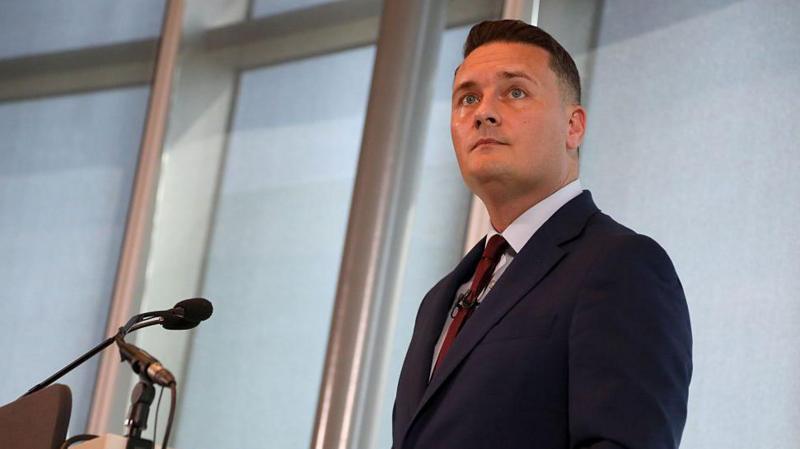
Wes Streeting
Wes Streeting, a former leadership contender, is the bookmakers' favourite to become chancellor.
Having supported Burnham's leadership bid, it is speculated that the former health secretary may be rewarded with the number two political position in the UK.
However, economist and cross-bench peer Lord Jim O'Neill, an advisor to Burnham, has cautioned against appointing someone solely based on political loyalty.
"There are clearly some people pushing to be chancellor who feel they are owed it for their support."
Despite Burnham's appreciation for Streeting's backing, their political approaches differ, with Burnham perceived as more inclined to increase spending than Streeting.
Simon French, chief economist at consultancy Panmure Liberum, describes Streeting as a "relatively market-friendly option" due to his pro-growth stance, but notes he could pose a political risk as he might aspire to become prime minister in the future.
Regarding the notion that Streeting's appointment could be based on popularity rather than capability, French stated:
"Politics is what politics is. It's a popularity contest."
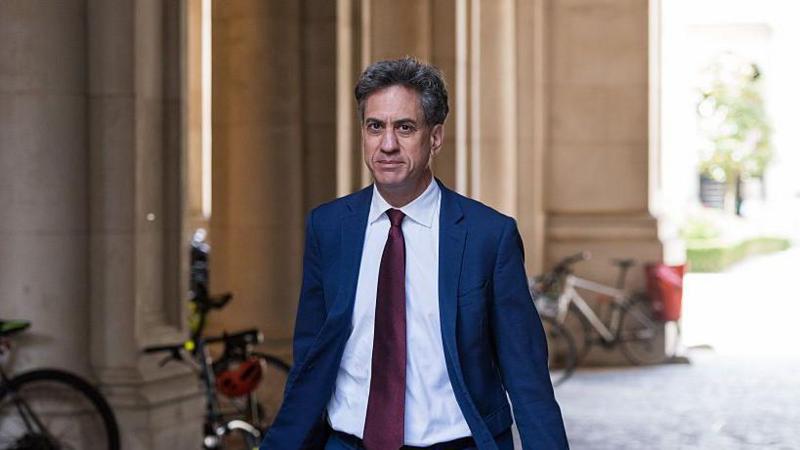
Ed Miliband
Ed Miliband, the former Labour party leader, is the bookmakers' second favourite choice and is politically closer to Burnham than Streeting.
Paul Johnson, former director of the Institute for Fiscal Studies, views this alignment positively.
"You really don't want people in Number 10 and Number 11 having very different views,"
However, opinions vary on Miliband's ability to reassure markets.
Nick Macpherson, former permanent secretary at the Treasury, told the Financial Times:
"The key to gaining the confidence of the markets is to articulate, implement and deliver a coherent strategy. Miliband is one of the few cabinet members with the intellect, experience, and authority to do that."
Conversely, some view Miliband as a potential inflation risk, attributing his push for net zero emissions during his tenure as energy secretary as partially responsible for the UK's relatively high energy prices.
This reputation, whether justified or not, could influence bond market reactions during his chancellorship.
Additionally, Sharon Graham, general secretary of the Unite union, criticized the prospect of Miliband as chancellor, stating it would be a "noose around the neck" of job creation, particularly due to his opposition to new oil and gas drilling in the North Sea.
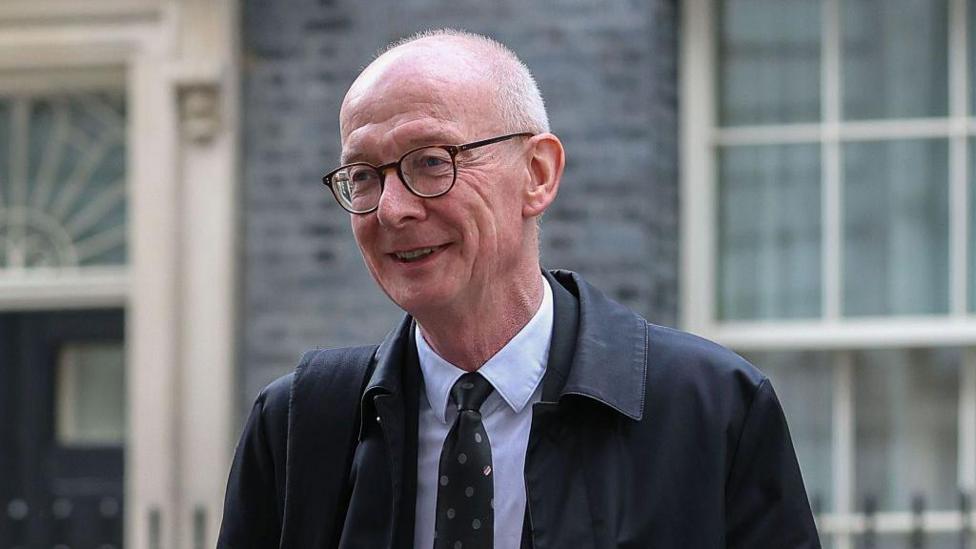
Pat McFadden
Pat McFadden is considered a less likely candidate compared to Streeting or Miliband but is regarded by some as the most qualified.
His credentials include holding shadow Treasury roles, serving as a business minister in a previous Labour government, and currently acting as work and pensions secretary.

His experience in welfare policy could be instrumental in addressing what many expect to be the next chancellor's primary challenge: welfare reform.
Simon French believes markets may perceive McFadden as "the safest pair of hands" among the contenders, likely responding positively or neutrally to his appointment.
However, if Burnham seeks a clear departure from the previous government, he may bypass McFadden, who is loyal to Starmer.
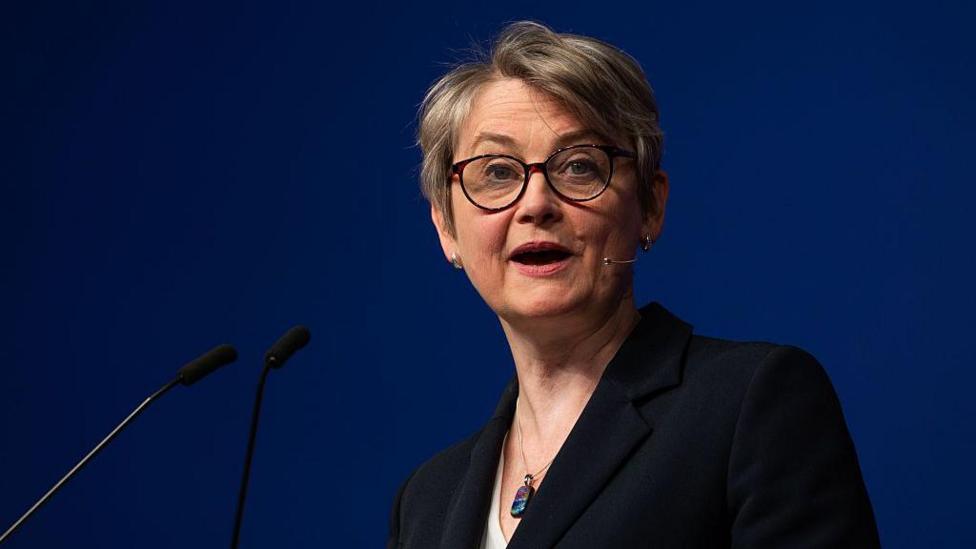
Yvette Cooper
Foreign Secretary Yvette Cooper could emerge as a surprise compromise candidate.
She brings extensive government experience, having served as chief secretary to the Treasury under Gordon Brown, and holds a political position between Miliband, McFadden, and Streeting.
Danni Hewson, head of financial analysis at AJ Bell, describes Cooper as a "middle of the road" option but notes she remains "a bit more of an unknown."
Rachel Reeves
There remains a possibility that Rachel Reeves retains her position as chancellor.
Though this seems unlikely due to her close association with Starmer, some bookmakers still consider no change in the chancellorship this year.
Lord O'Neill advises Burnham to:
"figure out what his priorities are as prime minister before he picks a chancellor"
If Burnham follows this advice, Reeves may remain in place, at least temporarily.
Burnham has previously indicated he would adhere to Reeves' fiscal rules, and she was present at Burnham's Westminster photoshoot following his swearing-in as MP.
Notably, Reeves was absent from Sir Keir's resignation speech.
Other Potential Candidates
The list of potential chancellors also includes several wildcards.
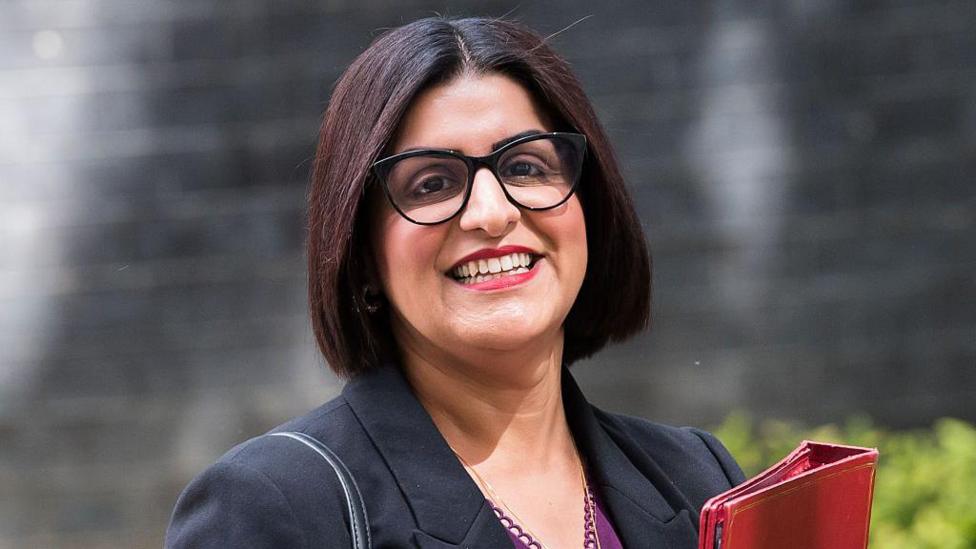
Current Home Secretary Shabana Mahmood is reported to be fiscally conservative but has limited economic experience.
Former defence secretary John Healey, who resigned publicly over concerns about insufficient defence spending, is another option.
Paul Johnson warns that selecting Healey would effectively commit Burnham to increasing defence expenditure.
"If I was Andy Burnham, I would not want to tie myself to that particular pillar that quickly,"
Bookmakers and reports also mention Darren Jones, chief secretary to the prime minister, and Torsten Bell, former chief executive of the Resolution Foundation, as outsiders.
While some politicians are more likely candidates, each contender is motivated to secure the role.
As Lord O'Neill observes:
"The ones whose names are in the papers are the ones who are putting themselves forward."
- Starmer quits as Labour leader and paves way for contest for new prime minister
- Why did Keir Starmer resign and what could happen next?


