

Whitehall Reaction to Olly Robbins’ Dismissal
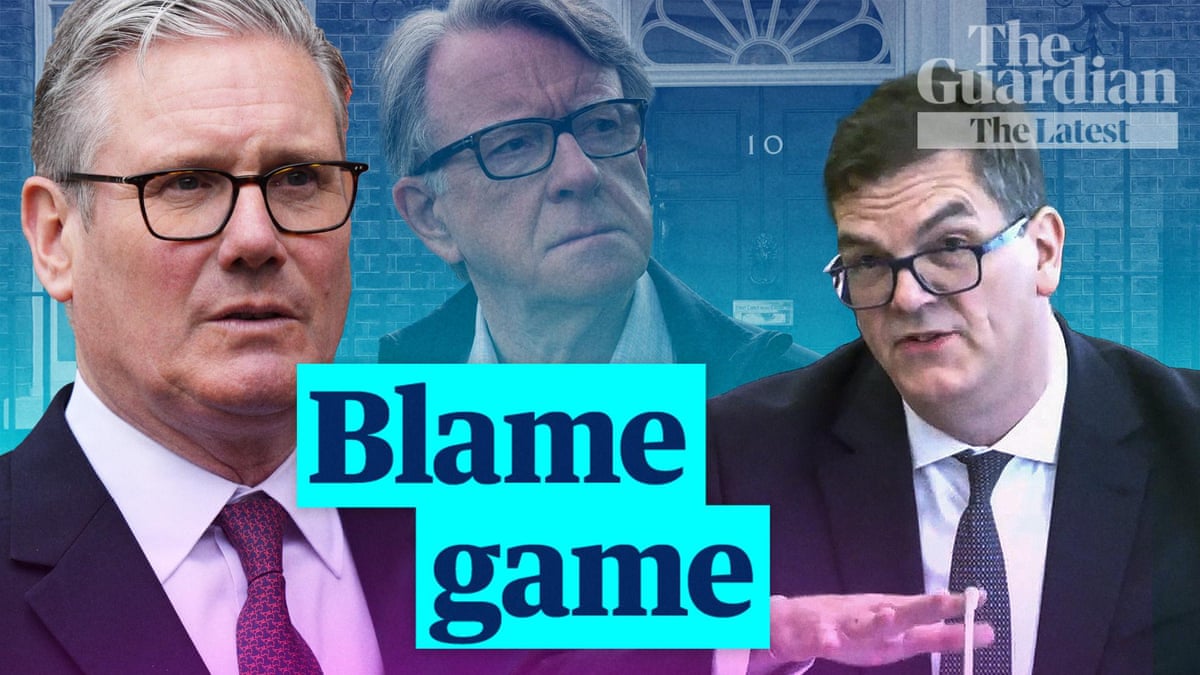
Keir Starmer’s decision to remove senior Foreign Office official Olly Robbins has sparked intense anger within Whitehall, several days after the announcement. The dismissal followed Robbins’ failure to inform the prime minister that the former US ambassador, Peter Mandelson, had not passed UK security vetting.
“It’s just total self-serving, narrow, selfish, political endgame stuff,”
said one supporter of Robbins. There is significant backing for Robbins among senior civil servants, who believe he was effectively dismissed for acting in accordance with No 10’s wishes by expediting Mandelson’s vetting process and implementing mitigations to address security concerns.
On the political side, civil servants have expressed disbelief and frustration at what they perceive as the prime minister being caught off guard by another controversy related to Mandelson. Starmer described the failure to inform him about the vetting failure as “staggering.”
Strained No 10 and Civil Service Relations
This episode marks a new low in the relationship between No 10 and the civil service, following the removal of the relatively new official in February and Starmer’s previous criticism that “too many people in Whitehall are comfortable in the tepid bath of managed decline.”
“The net effect is a chilling one. Why will we do anything vaguely risky that ministers want if we think they won’t have our backs if it goes wrong?”
said a mid-ranking official. Any goodwill towards the Labour administration, which existed after 14 years of Conservative rule, appears to have dissipated due to the perceived harsh treatment of Robbins and Wormald.
Robbins’ Dismissal and Parliamentary Hearing
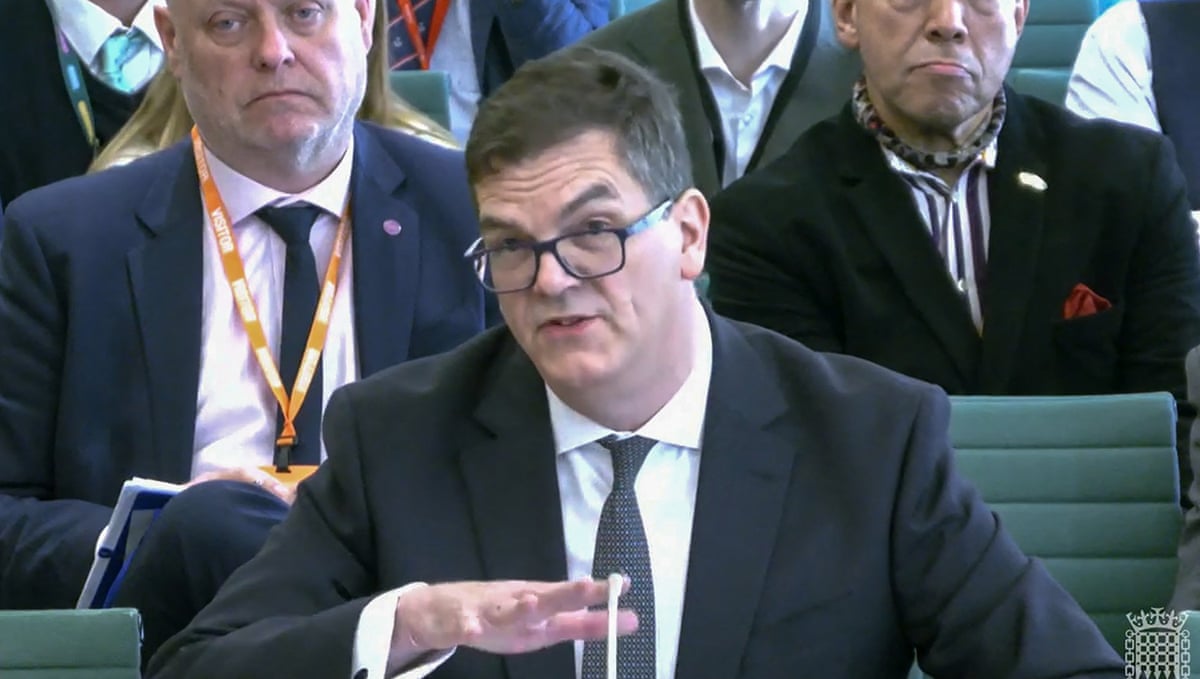
Robbins was informed of his dismissal by letter on Monday morning, days after Starmer forced him out as permanent secretary. At a parliamentary hearing on Tuesday, Robbins, a career civil servant who has served under multiple prime ministers since Gordon Brown, expressed shock at the abrupt nature of his dismissal but did not provide detailed reasons.
“The guild of former permanent secretaries is on his side,”
noted a former senior No 10 official. The official added that previous leaders, including Jeremy Heywood, would not have allowed such a dismissal, and even under Conservative governments there was greater respect for the civil service compared to the current approach, which has been described as public humiliation.
Union and Former Officials’ Views
Dave Penman, general secretary of the FDA union, who was present during Robbins’ hearing, stated:
“After the evidence today, people will look at this and come to the conclusion that Olly was tossed out by the prime minister and did absolutely nothing wrong. He got the sack for doing what he was asked to do.
“I don’t think anyone is going to conclude that Olly should have been dismissed or treated the way he was. It was completely unjustifiable, and yet that’s what happened.”
Several senior figures, including former cabinet secretary Gus O’Donnell and former Foreign Office permanent secretary Simon McDonald, have questioned the wisdom of Robbins’ dismissal. O’Donnell warned of a potential crisis in relations between ministers and civil servants.
Security Concerns and Reactions
Amid ongoing disputes over responsibility, concerns have arisen within the Foreign Office regarding the security implications of increased disclosure around vetting. Frustration is also directed at No 10 for allowing the situation to escalate, with one source describing some security officials as “having kittens.”
Peter Ricketts, a former diplomat, praised Robbins as an “outstanding civil servant, forensic, complete master of the issues and passionately committed to national security and the integrity of the vetting process.”

However, Sir Richard Dearlove, former MI6 director, offered a nuanced perspective in a Times Radio interview, stating that while responsibility lies with No 10 and Robbins was a “scapegoat,” Robbins should have directly informed No 10 that Mandelson had failed vetting.
Political Dynamics and Robbins’ Position
Other former officials who have effectively been forced out during Starmer’s tenure have observed the situation with interest, hoping Robbins might expose weaknesses within No 10.
In his testimony, Robbins did not directly criticize Starmer but alluded to strained relations with the political side, mentioning “an atmosphere of pressure” and a “dismissive” attitude toward the vetting process. He declined to name junior officials involved in vetting to avoid further “scapegoating.” Robbins also expressed discomfort regarding No 10’s inquiries about appointing former communications director Matthew Doyle to a diplomatic role while experienced officials were being displaced.
Analysis of the Situation
Alex Thomas, a former civil servant and executive director at the Institute for Government, commented:
“It does seem that Robbins has been pretty badly set up by No 10 and it reflects pretty badly on the judgment of No 10 all round.”
He further reflected on the broader issue of cooperation between politicians and civil servants during the Mandelson vetting process:
“The sadness for me is of two tribes that don’t seem to be working well together.
Olly would absolutely say he understood what the prime minister wanted and was doing a good job as a civil servant, but it wasn’t treated effectively as a shared question that you work through, with a sense of ministers and civil servants, not just being aligned, but actually working together in a trusting relationship to deal with an issue. It’s another thread pulled from the relationship.”


