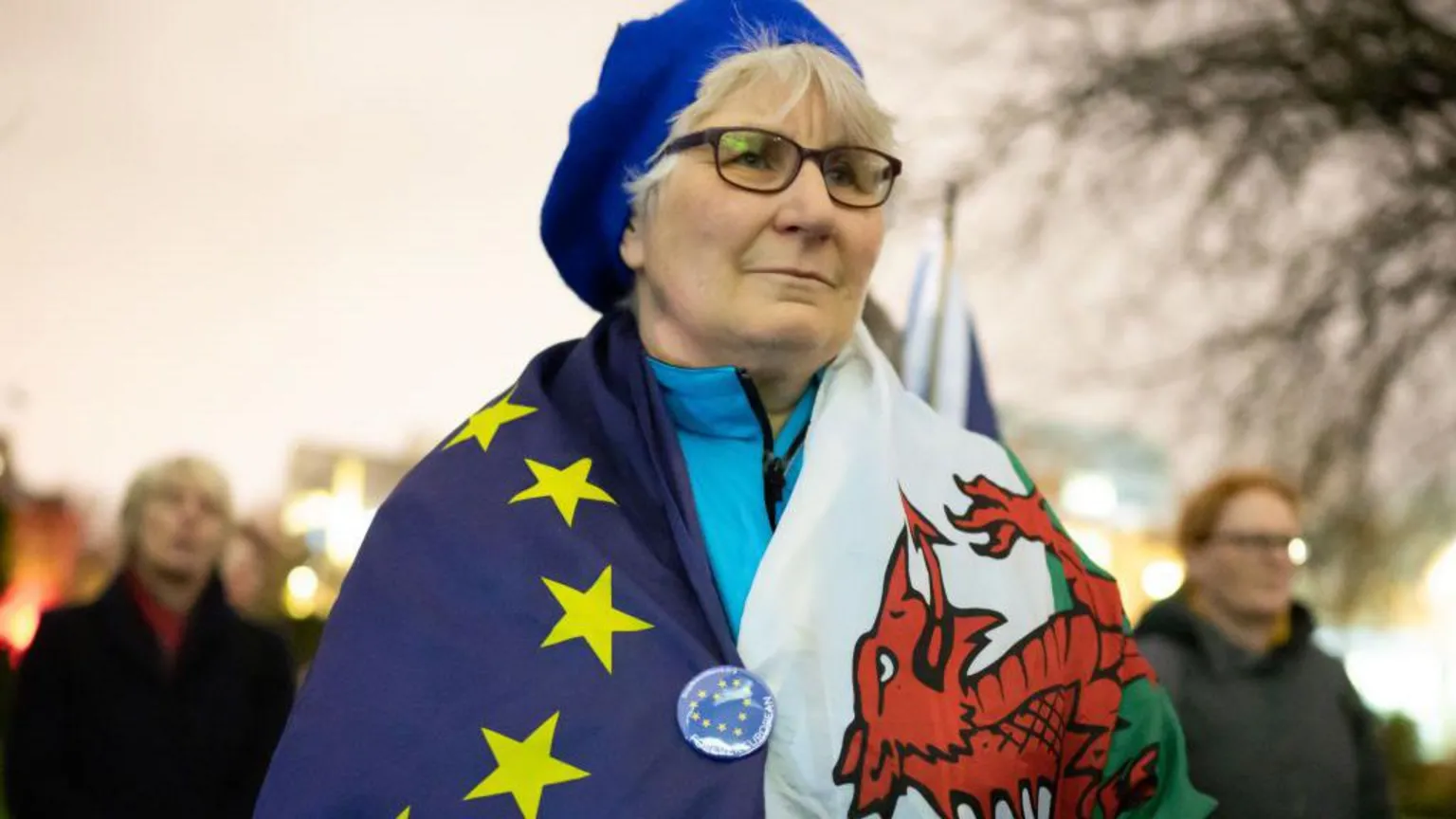
Introduction to Wales' Brexit Vote
Exactly 10 years ago on Tuesday, Wales surprised the political establishment by voting to leave the European Union. Despite a Welsh government strongly supporting the Remain campaign, 52.5% of Welsh voters backed Brexit, compared to 47.5% who opposed it.
A decade later, experts and politicians involved at the time reflect on the enduring effects of the referendum on Wales.
Perspectives from Former Brexiteers
Former Brexiteers told the BBC that the referendum revealed Wales’ "small-C" conservatism and increased public awareness of the democratic process. They noted that the vote demonstrated a political insurgency and anti-establishment sentiment.
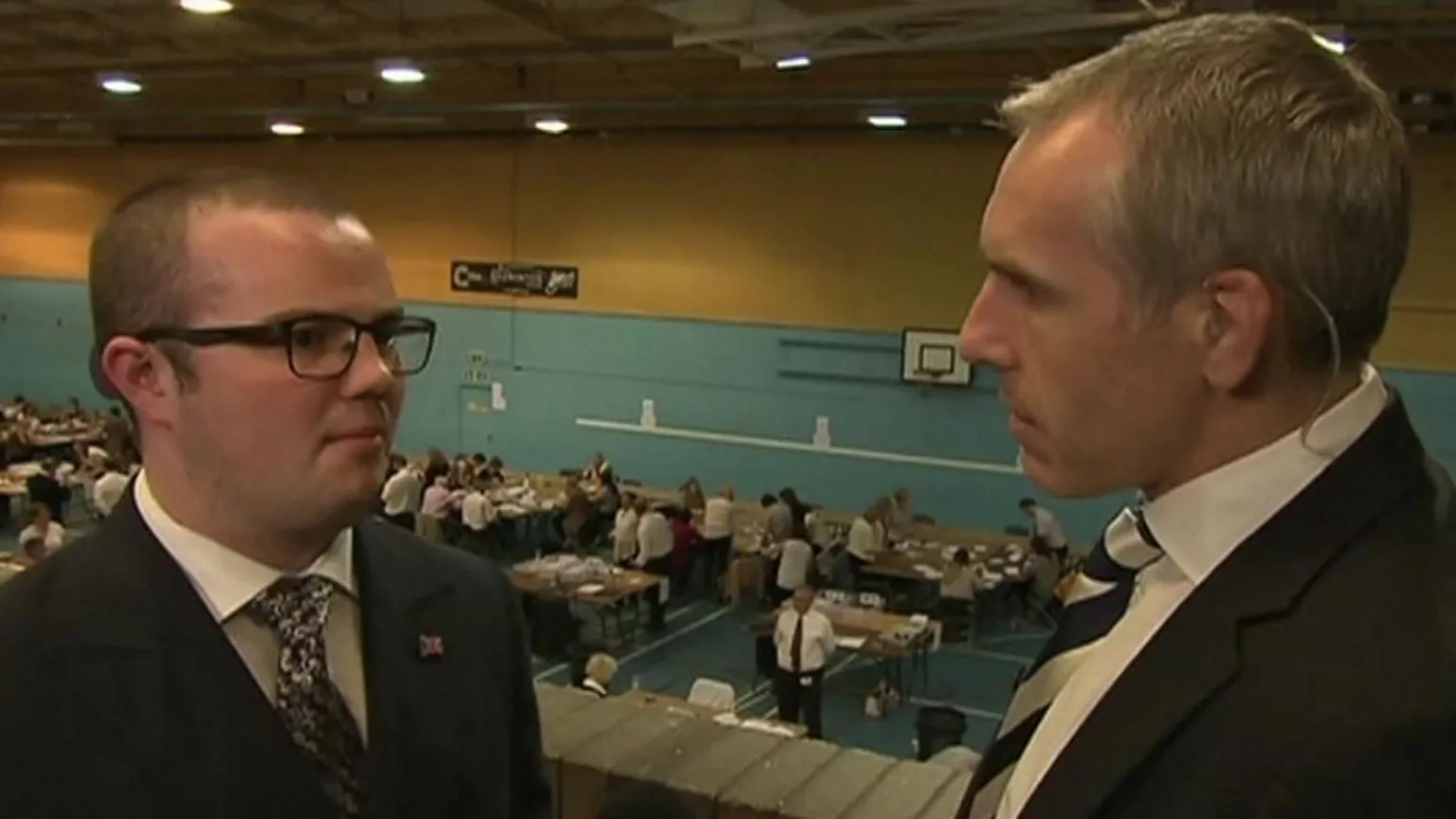
Llŷr Powell, now a Member of the Senedd (MS) and chief whip for Reform in the Senedd, played a frontline role in the 2016 campaign as voluntary head of communications for Vote Leave Cymru. Reflecting on the unexpected outcome, he said:
"Wales wasn't expected to vote the way in which we did. There was sort of like an insurgency, sort of anti-establishment [feeling] - we knew what we were up against,
"We always felt that the polling was wrong, that we had momentum, that we could win this.
"On election night I remember everyone else in shock, but for us it was in fact more of a vindication for the work that we did."
Powell attributes Reform’s current strength in the Senedd to the referendum, emphasizing that it made more people aware that their vote matters. He remarked:
"For a long time, we felt that, especially in Wales, there was nothing other than Labour."
Views from Former Remainers
On the Remain side, Mark Drakeford, re-elected as Labour MS for Cardiff West in May 2016, described the referendum as "the day when the worst mistake of my political lifetime was made." He characterized the lead-up to the vote as challenging, noting that then-First Minister Carwyn Jones attempted to persuade Prime Minister David Cameron not to hold the referendum on 23 June due to the proximity of the 2016 Senedd elections.
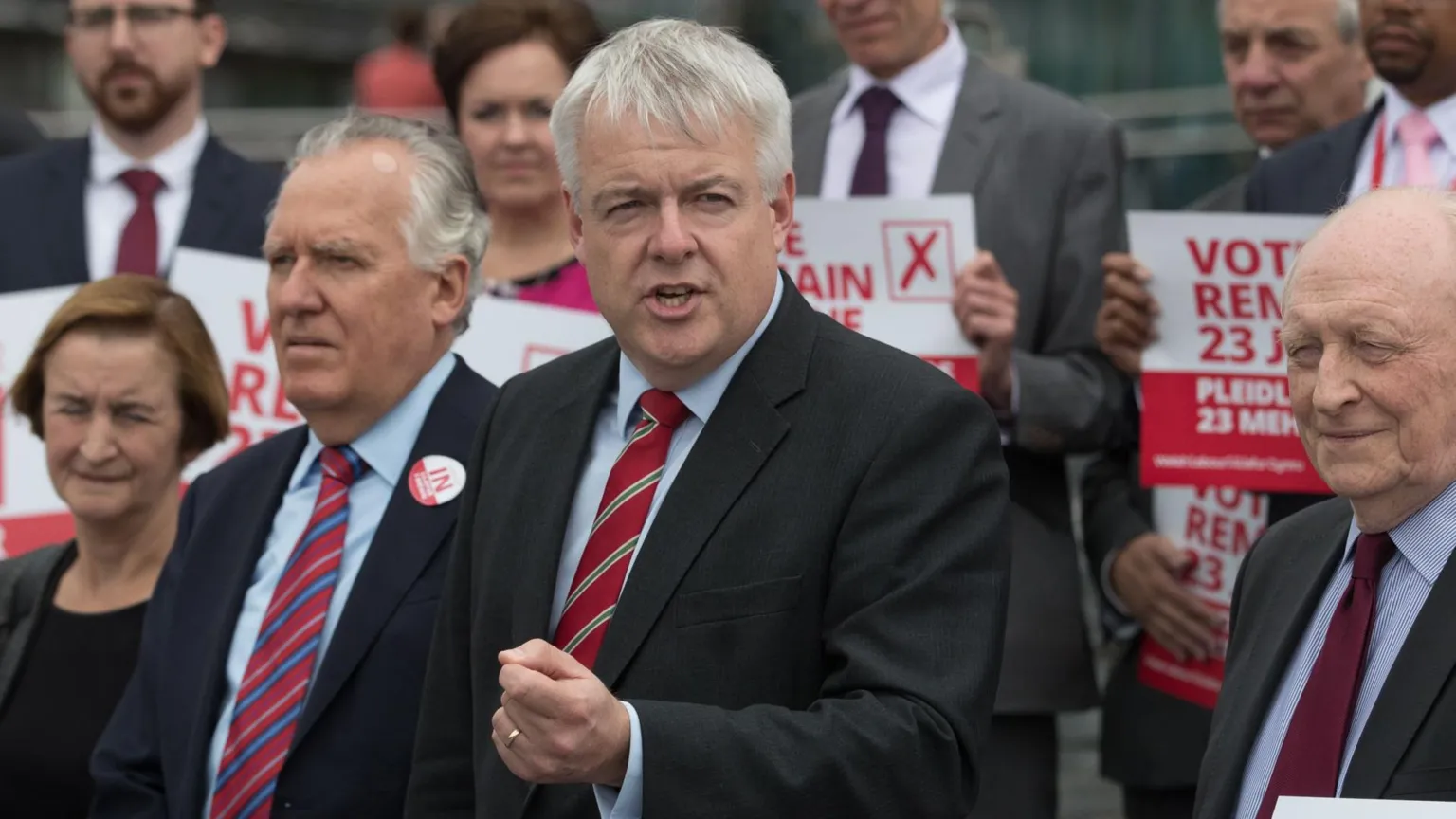
Drakeford explained:
"Parties who wanted to Remain had been arguing with one another about other things for many weeks prior to that."
He later became First Minister, leading Labour to its last Senedd election victory in 2021 before resigning two years later. Drakeford attributed the Brexit result partly to austerity policies of the 2010s, suggesting voters sought to express dissatisfaction with the status quo. He observed:
"I think in some ways the Brexit vote has licensed some people in our community to be antagonistic and aggressive towards others."
He also noted the adverse impact Brexit has had on British politics.

Insights from Andrew RT Davies
Andrew RT Davies, former Welsh Conservative leader and a senior Leave campaigner, described his decision to support Vote Leave in February 2016 as "brutal." He faced warnings within his party that he risked losing Tory support for the Senedd campaign if he diverged on the issue.
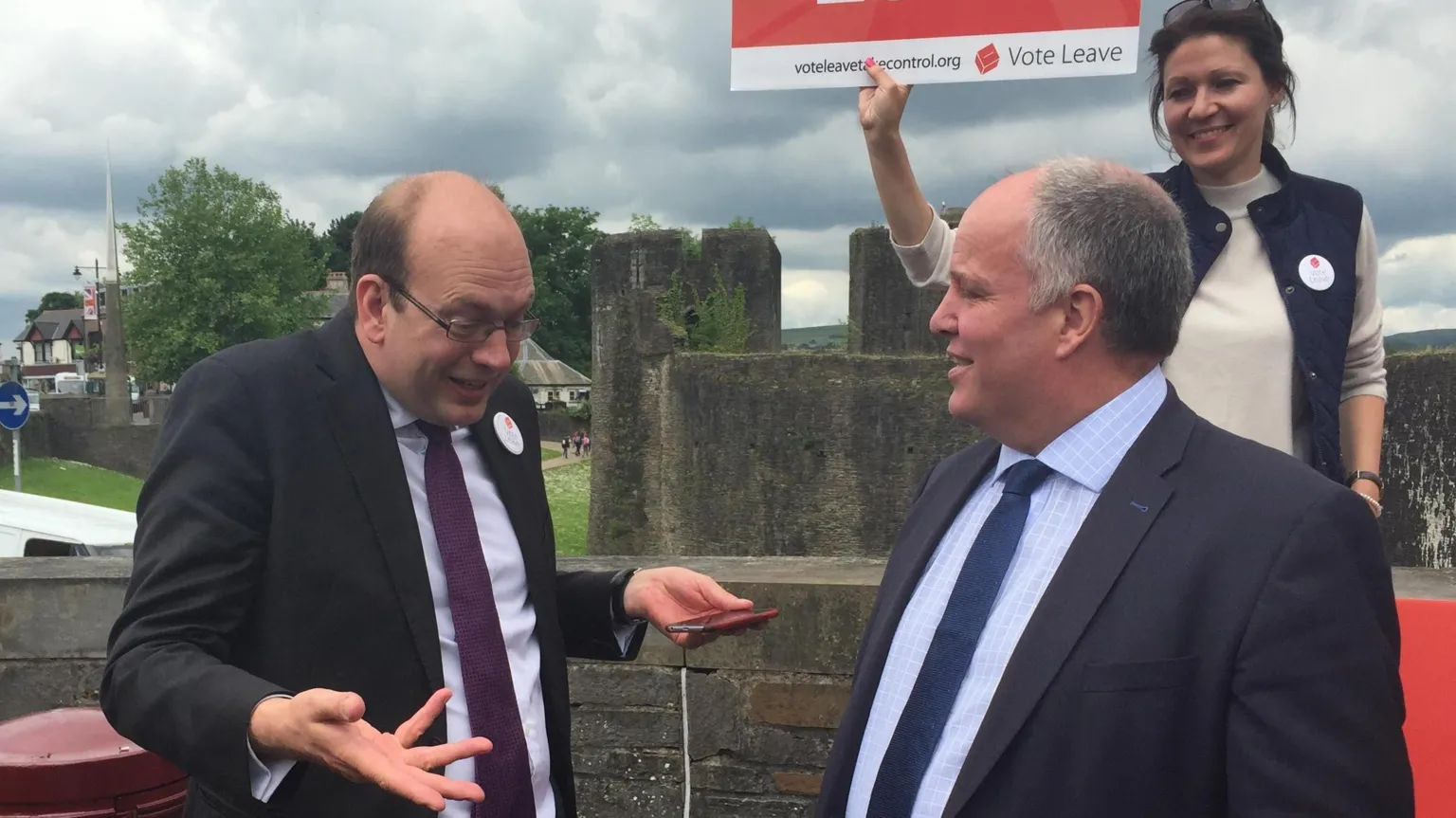
Davies stated:
"I believe passionately we are a stronger country by being able to determine our own way in the world."
He said the referendum revealed that a majority of Welsh people held conservative values in a broad sense. He recalled positive receptions while campaigning in Labour-dominated Caerphilly:
"When you put the big national picture before them, so long as it didn't have the conservative tag to it, people were prepared to vote on that platform."
Davies rejected the notion that the Leave campaign was the main source of offensive rhetoric, stating:
"The rhetoric on both sides could have been better, I would suggest, and we have a lot to learn from some of the slogans and some of the positions that were taken."
Leanne Wood on the Remain Campaign
Leanne Wood, former Plaid Cymru leader, achieved a significant victory in May 2016 by winning Rhondda from Labour. She described the Remain campaign as the hardest she had ever been involved in, noting a shift in the south Wales valleys from a pro-change mood to Brexit support.
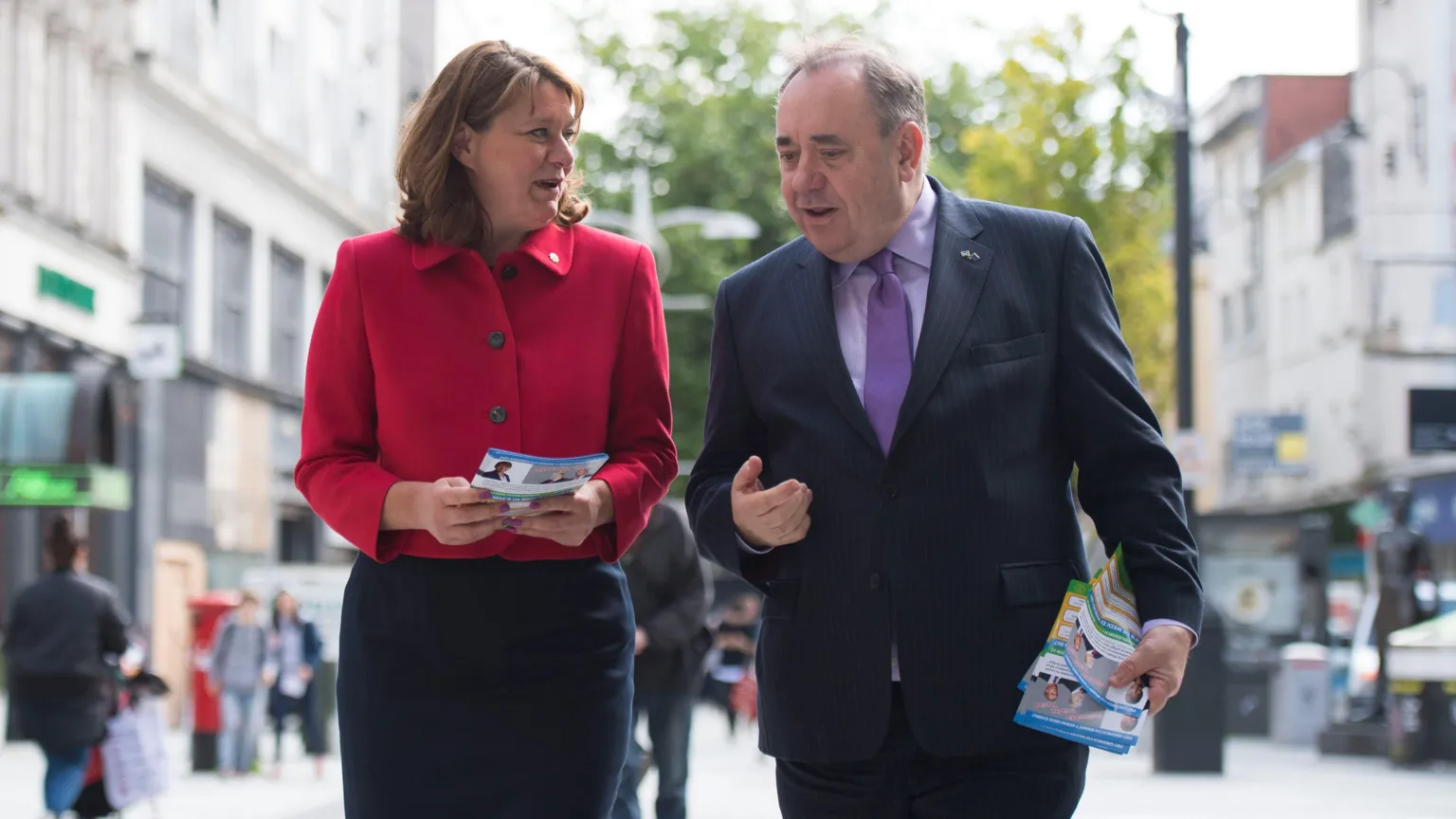
Wood recounted her efforts in early 2016 to coordinate a campaign similar to the 1997 and 2011 devolution referendums by uniting unions, churches, and civic groups. She said:
"He just said, well, we can't. We've got to work on the election campaign."
She acknowledged the risk of not uniting a campaign sooner and highlighted the Leave campaign’s superior funding and the limited time Welsh Remain had to develop a counter-narrative, concluding:
"We lost."
Ten years later, Wood observed increased willingness among many to express previously unacceptable views, including "open racism" and "open misogyny." She attributed the current political polarization and the division into two voting blocs to Brexit’s legacy.
Academic Perspectives on Brexit’s Impact
Sam Blaxland, history lecturer at University College London and expert on Welsh Conservatives, noted that Brexit exposed divisions in the electorate that did not align with traditional party loyalties. He said:
"Brexit helped reveal to some people there was this liberal metropolitan, less cosmopolitan, kind of small-C conservative elements to the electorate."
Dr Jac Larner of the Welsh Governance Centre at Cardiff University emphasized Brexit’s ongoing influence on Welsh politics and identity:
"The longer lasting effects - it's really about how Brexit shaped our identity. We know from research that people started to identify as Leavers and Remainers.
That has shaped how people think about politics - stronger than party identities.
We know that Britishness is weaker in Wales now than it was 10 years ago - that is because Remain voters feel a lot less British.
What seems to have happened is that Brexit has really reshaped how people think about their relationship to Britain, but not really how it's changed how they feel about Wales and Welshness."