

New Deal to Accelerate Renewable Energy Projects in Wales
Plans to accelerate the delivery of wind farms, solar parks, and tidal power schemes have been announced as part of a new agreement between the renewable energy sector and the Welsh government.
This initiative responds to concerns from the industry that Wales has lagged behind other parts of the UK in advancing new renewable projects.
Welsh ministers have emphasized that the ongoing conflict in the Middle East, which has impacted oil and gas prices, underscores the importance of achieving energy independence.
The Campaign for the Protection of Rural Wales has cautioned against imposing large turbines and extensive solar panel installations on local communities, advocating instead for a focus on offshore projects.
According to recent data, Wales generated sufficient renewable energy to meet 54% of its electricity demand in 2024, with government targets aiming for 100% renewable electricity by 2035.
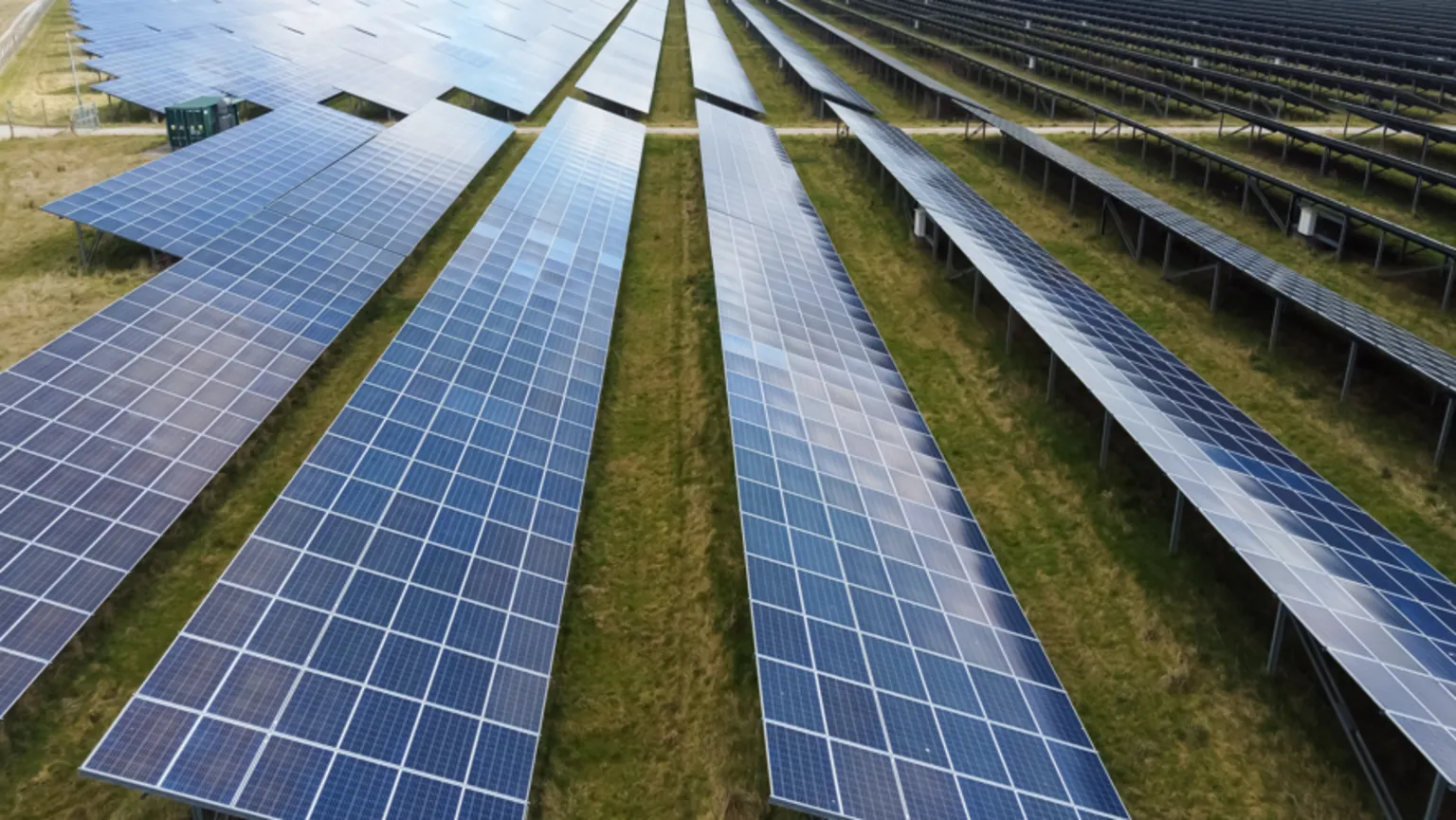
The Labour-led government in Cardiff Bay described the new sector deal as a "strategic partnership" with the industry, aimed at "accelerating renewable deployment across onshore and offshore, wind, solar, marine and hydro".
The agreement includes 78 commitments, ranging from streamlining the planning process to developing a skilled workforce capable of constructing and operating new renewable energy projects.
Developers and community organizations contributed to the development of the deal to ensure that local communities benefit from projects in their areas.
Announcement at Anglesey's Tidal Energy Project
The announcement took place on Anglesey (Ynys Môn) at the headquarters of an innovative tidal energy project.
Owned and managed by the social enterprise Menter Môn, and supported by Welsh government funding, the Morlais project provides infrastructure and grid connections for developers to install and test underwater turbines.
Currently, Morlais is the largest tidal energy scheme of its kind in Europe.
Rebecca Evans, Cabinet Secretary for Economy, Energy and Planning, stated that Wales has the potential to become "a world leader in renewable energy, creating jobs and green growth".

"The current conflict in the Middle East has further highlighted the importance of energy independence," she said.
"Our Renewable Energy Sector Deal will provide a strong foundation for the future delivery of renewable energy - to the benefit of our economy, environment and energy security."
Industry Response and Economic Potential
Industry leaders welcomed the announcement. Renewable UK Cymru highlighted that the deal could unlock a "£10bn opportunity for Welsh businesses", create 8,000 jobs, and generate £183m in community benefits.
In a report released ahead of the May Senedd election, Renewable UK Cymru warned that Wales was not fully capitalizing on its "world-class natural resources".
"Over the last decade Scotland has secured more than £18bn in new investment support for clean energy, while Wales has attracted less than £1bn," the report stated.
The report also noted that increasing electricity demand driven by the adoption of electric vehicles, heat pumps, data centers, and AI-related industries means that without a significant increase in clean power generation, Wales faces risks of higher energy bills, reduced energy security, and economic decline.
Community Concerns and Onshore Development Debate
Jonathan Dean, Chair of the Campaign for the Protection of Rural Wales on Anglesey, criticized government plans to expand onshore wind and solar power.
"We're not saying don't build anything onshore. If communities want it, great, but there's no pressing need for it," he said, suggesting that Wales could meet its renewable energy targets through large offshore projects.
"People don't want a huge windfarm towering over their village," he added, predicting that this issue will be prominent in the upcoming election campaign.
Political Parties' Positions Ahead of Senedd Election
Welsh Liberal Democrats: Leader Jane Dodds criticized the government's sector deal for lacking clarity on workforce development.
"There is no clear plan for how we build the workforce needed, with no detail on training, skills or apprenticeships to deliver the green jobs Wales needs," she said.
"Ministers also promise benefits for communities, but without minimum standards or enforcement, there is no guarantee local people will see the rewards."
Wales Green Party: Leader Anthony Slaughter claimed that other parties are adopting Green Party policies under pressure as support for the Greens grows.
"With Green support surging, other parties are desperately playing catch up.
These headline targets are lifted straight from the Welsh Green manifesto - a clear sign of our growing appeal just six weeks before the Senedd elections.
They're only doing this under pressure - Greens genuinely believe renewables will deliver, both for the climate and in reducing people's energy bills."
Plaid Cymru: Energy spokesman Luke Fletcher outlined plans to build new partnerships and develop Trydan Gwyrdd Cymru into a consolidated energy company to advance renewables and reduce energy bills within the first 100 days of government.
Reform UK Wales: The party's manifesto includes a ban on new onshore wind and solar farms, citing concerns about saturation and the unreliability of weather-dependent renewables.
A spokesperson stated that the party also plans to reduce energy bills by addressing green subsidies, which they claim have negatively impacted households.
Welsh Conservatives: Energy spokesperson Samuel Kurtz emphasized that renewables will be part of Wales' future energy mix alongside reliable sources such as oil, gas, and nuclear.
"The priority must be ensuring that these projects deliver tangible outcomes: skilled jobs, investment and clear benefits for local communities," he said.
He added that the party supports the growth of marine energy, including floating offshore wind, and advancing nuclear opportunities at Wylfa and Trawsfynydd.

Public Engagement Opportunities
BBC Wales Your Voice Live: Ask the Leader invites the public to attend and pose questions to the leaders of Wales' political parties.
Events are scheduled as follows:
- Haverfordwest on 8 April: Welsh Conservatives, Plaid Cymru, and Welsh Liberal Democrats leaders
- Llandudno on 15 April: Welsh Labour, Reform UK, and Wales Green Party leaders


