

Shearing Seasons and Visa Changes
Duncan Adams is in his third season assisting farmers in New Zealand's North Island. The 26-year-old sheep shearer from Banchory, Aberdeenshire, fills a role that is highly sought after but only during specific times of the year.
Having spent months shearing thousands of sheep in New Zealand, Duncan anticipates that some of his New Zealand colleagues will accompany him back to Scotland in the coming weeks to reciprocate by working on farms there.
However, this exchange may end next year after the UK Home Office terminated a long-standing visa-free arrangement for foreign sheep shearers entering the UK.
Government ministers advocate for increased domestic training within the industry, but farmers argue that the seasonal nature of the work does not support full-time employment without the opportunity for overseas travel.
The shearing season for Scotland's approximately 6.5 million sheep lasts about three months, from May to August.
For the remainder of the year, Duncan travels internationally to countries such as Australia, New Zealand, the United States, and Europe to secure enough work to maintain full-time employment.
He is currently working in the Hunterville region of New Zealand's central North Island, where the shearing season is nearing its end.
New Zealand, with a population size similar to Scotland's, has about 25 million sheep and a considerably longer shearing season.
Duncan considers the Home Office's visa policy change a "poor" decision that is likely to have a significant negative impact on the UK shearing industry.
The industry currently depends heavily on personal networks for securing international work and bringing skilled shearers to the UK.
"Overseas workers help manage large numbers of sheep in a short space of time. We only have a short period in the UK to achieve our shearing season so if it's extended too long, it could be an animal welfare issue."
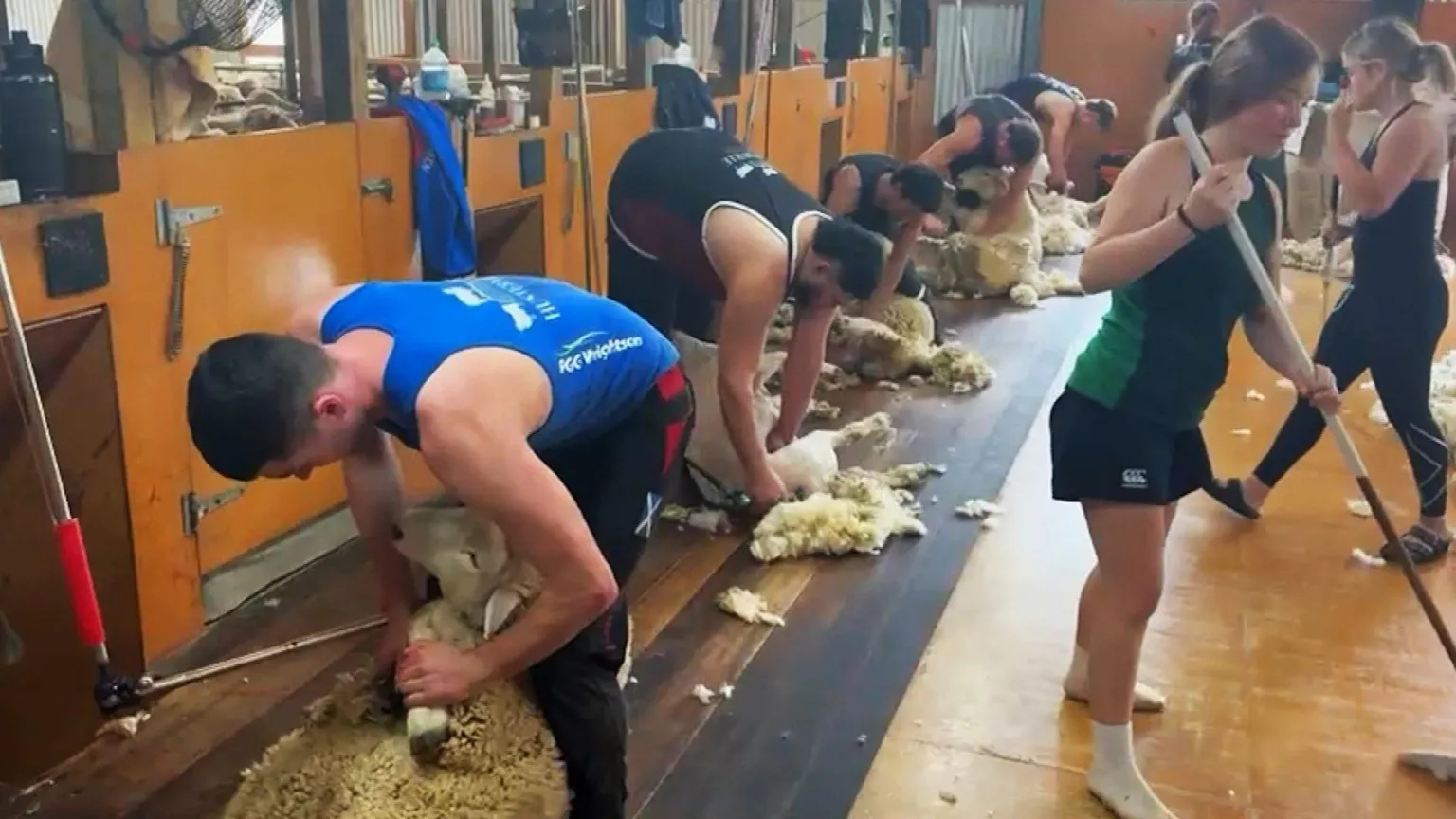
Due to the industrialised nature of sheep farming in New Zealand, shearers typically handle between 400 and 600 sheep daily.
It is estimated that New Zealand has around 1,500 shearers, with approximately 75 regularly traveling to the UK each year.
Sheep and beef farmer Jed McAlley, who works alongside Duncan, believes the new visa requirements will discourage shearers from traveling.

"We need to all work together to create a 12-month period of work. In New Zealand we've got about eight months' work. In the UK you've got about two months' work and you can go to Australia to pick up the rest. If you can create full time jobs for these guys I think that can only be a good thing."
The UK Home Office has confirmed that the original plan to immediately end visa-free access for foreign shearers has been extended to cover this year's season.
From 30 June, those wishing to work in the UK will be required to apply for a visa. The concession, in place since 2012, will not be renewed after 2027.
A Home Office spokesman stated:
"The sector has been supported for 14 years to enable them to train up British workers, reduce their reliance on migrant labour, and provide a fully sustained workforce within the United Kingdom. A final extension has been provided to the sector. We now expect the sector to complete its transition to using domestic labour."
Industry Concerns and Lobbying Efforts
The National Sheep Association has been lobbying the UK government to reconsider its decision, warning that up to 1.5 million sheep could remain unshorn as a result.
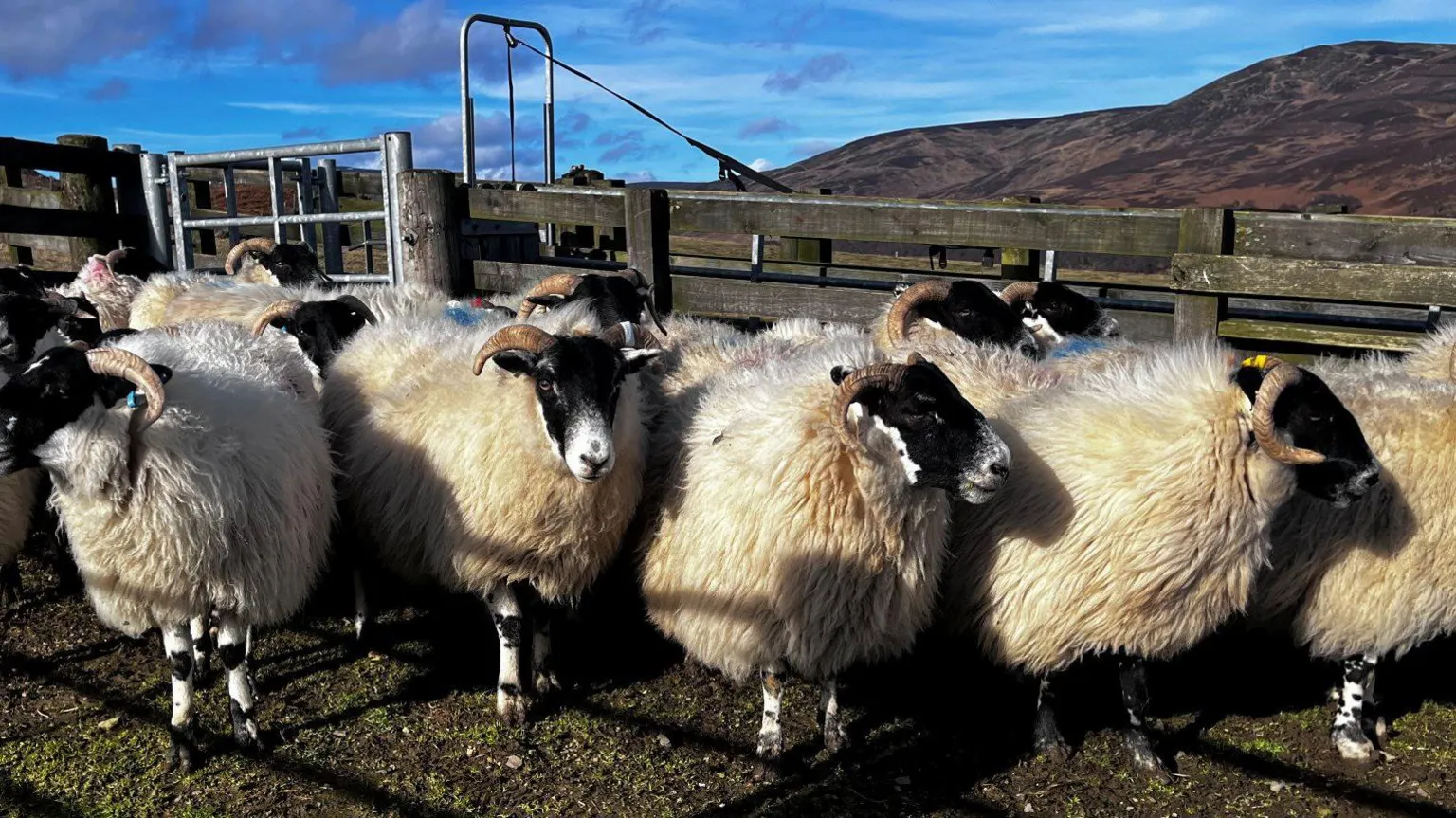
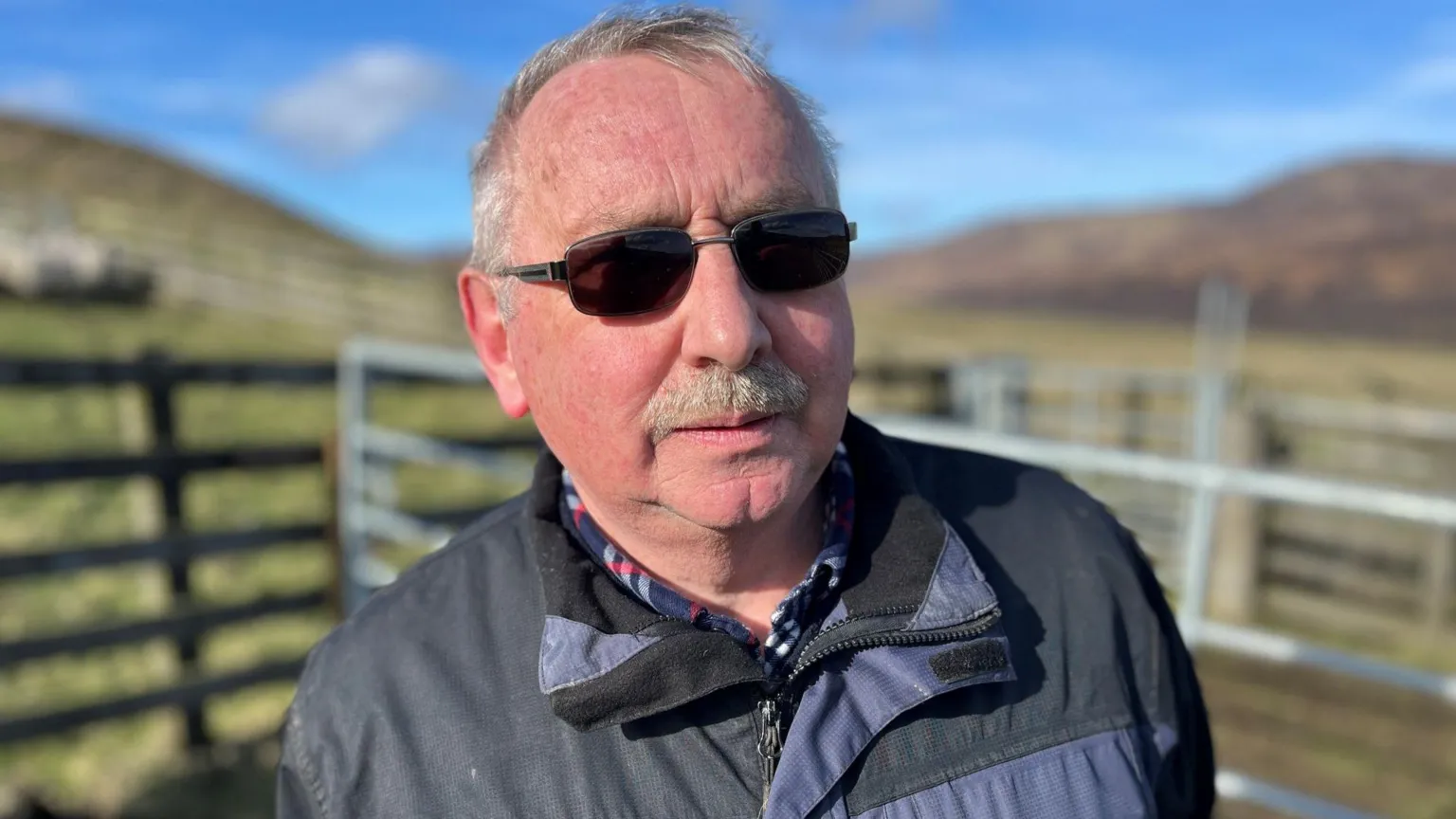
Peter Myles, a spokesman for the association and a farmer in Angus, noted that the visa arrangement concerns only a "double decker bus full" of shearers from the southern hemisphere who have been coming to Scotland for generations.
"If they're not shearing all year round, they're losing their skills, they're losing their muscle memory to shear and it takes them quite a bit of time to get back up to speed again."
Peter described the international shearing community as a "happy family" who are "not going to overstay their welcome."
"If they are not here the job will struggle to get done."
Animal Welfare Implications
Ann Van Eetvelt, a specialist from Lurgan Sheep Vet in Aberfeldy, highlighted several potential animal welfare issues that arise when sheep are not shorn in a timely manner.
The most serious concern is fly strike, a potentially fatal condition caused by flies laying eggs in the wool. The eggs hatch into maggots that consume the sheep's flesh, causing significant pain and discomfort, which in turn reduces the animal's appetite.
Ann describes the most severe fly strike infestations as "a cruel death."
Other issues include skin infections and heat stress, which are becoming increasingly concerning due to climate change.
The physical burden of carrying a heavy fleece can restrict a sheep's movement while grazing, leading to reduced food intake and under-nourishment.
Additionally, heavy fleeces increase the risk of sheep becoming "cast," a condition where a sheep rolls onto its back with legs in the air and cannot right itself without assistance.
Some farmers have begun transitioning their flocks to "self-shedding" sheep varieties, but in Scotland's upland regions, thicker coats remain necessary during winter months.
While shearing can be stressful for sheep, Ann emphasized that inexperienced shearers who take longer or cause skin cuts can lead to avoidable long-term health problems.


