

Ukrainian Pupils Reflect on Life in Northern Ireland
Four years ago today, the lives of Ukrainians were irrevocably altered when Russia launched a full-scale invasion of Ukraine. This conflict has resulted in the displacement of six million people. Among them, 264,000 have relocated to the UK, with over 2,000 settling in Northern Ireland.
At Slemish College in Ballymena, 11 Ukrainian students who fled the war have become integral members of the school community. Roman arrived 18 months ago with his mother after bombings in Odessa came dangerously close to their home. While he appreciates his life in Ballymena, he deeply misses his homeland.
"The realisation you cannot go home destroys you from the inside," Roman said. "Because you're realising that you will not see your family or friends for quite a long time. You will not spend time with them, and you will not see how they are growing. You can't take part in this growth."
Tetiana also moved to Northern Ireland with her mother after leaving their home in Zaporizhzhia in August 2022. She now lives in the countryside outside Ballymena, which contrasts sharply with the urban environment she knew.
"I'm from a huge city and just everybody knows everyone here," Tetiana explained. "I like the feeling of privacy here so nobody knows you. I really miss my family as well."
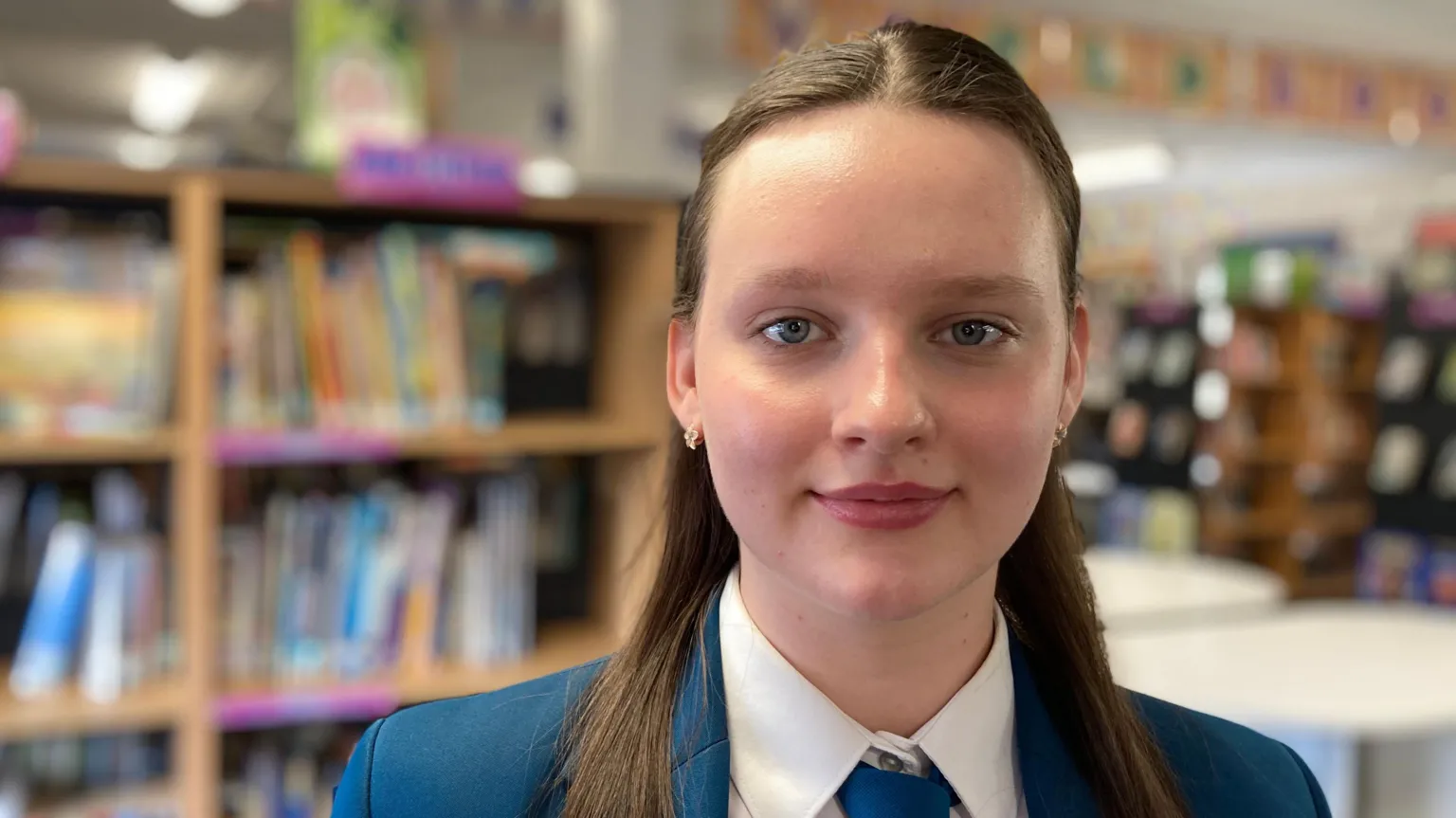
Yelyzaveta, a lower sixth student, relocated from Kyiv with her parents and younger brother in May 2022. Initially, she maintained contact with her school friends, but over time, the differences in their lives have grown more pronounced.
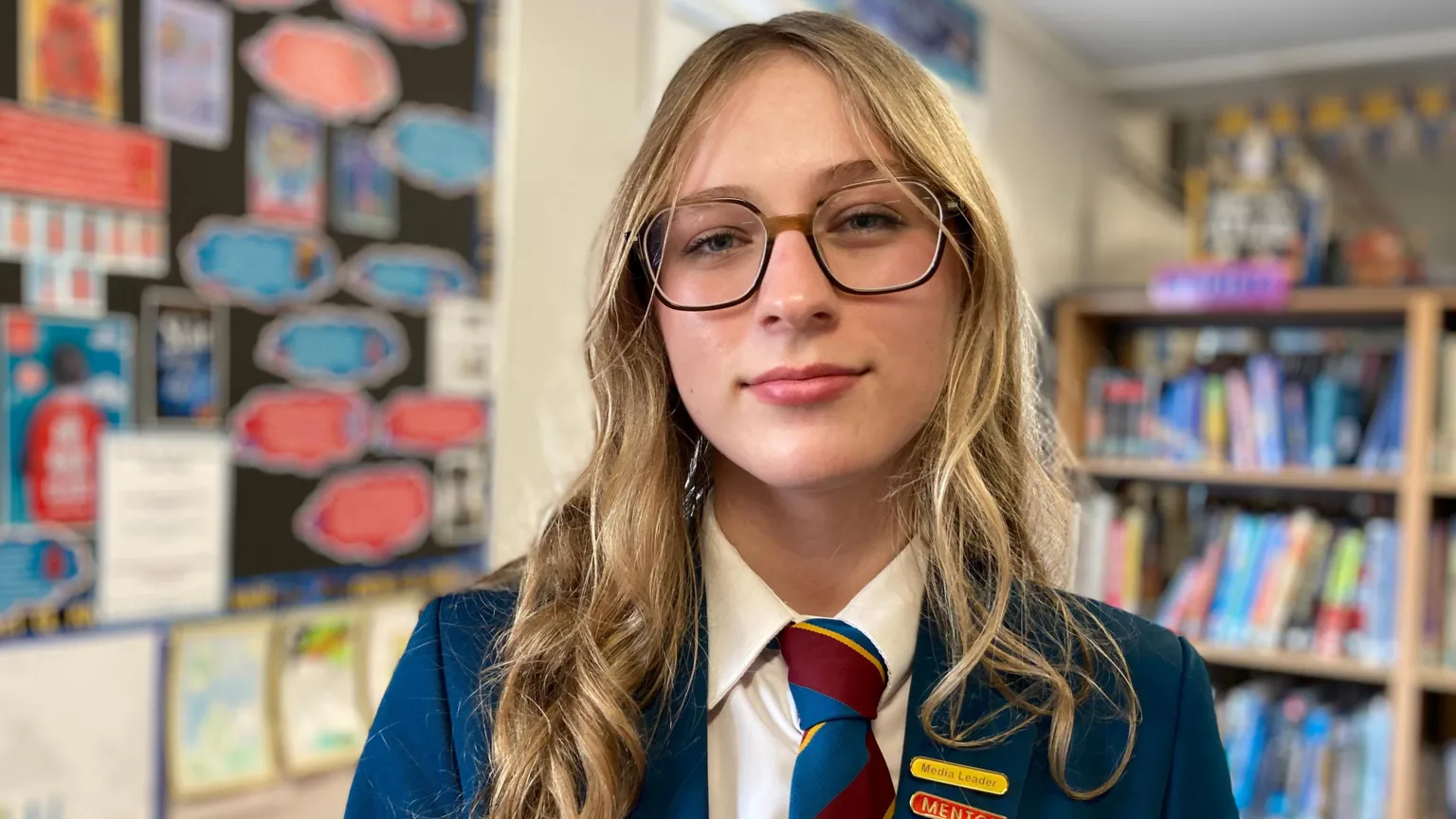
The impact of Tetiana, Roman, and Yelyzaveta extends beyond their presence in the classroom. Since their arrival, Slemish College has joined a British Council programme connecting their school with Pokotylivka Lyceum No. 2 in Kharkiv, an eastern Ukrainian city.
Year 10 pupils at Slemish College now participate in joint online sessions with their counterparts in Kharkiv, engaging in book discussions, creative projects, and cultural exchanges. This initiative allows Kharkiv students to practice English while Ballymena pupils gain insight into life in Ukraine.
The programme has also influenced students like Harry, who developed a newfound interest in current events.

"Before linking up with the school in Kharkiv, I did not pay much attention to what was happening in the world," Harry said. "Now I listen more, and it has changed my perspective."
Ruby expressed a sense of gratitude for her circumstances.
"I feel quite privileged knowing that I do not have to worry about having a safe place to live," Ruby said. "I value that outlook and am learning from it."
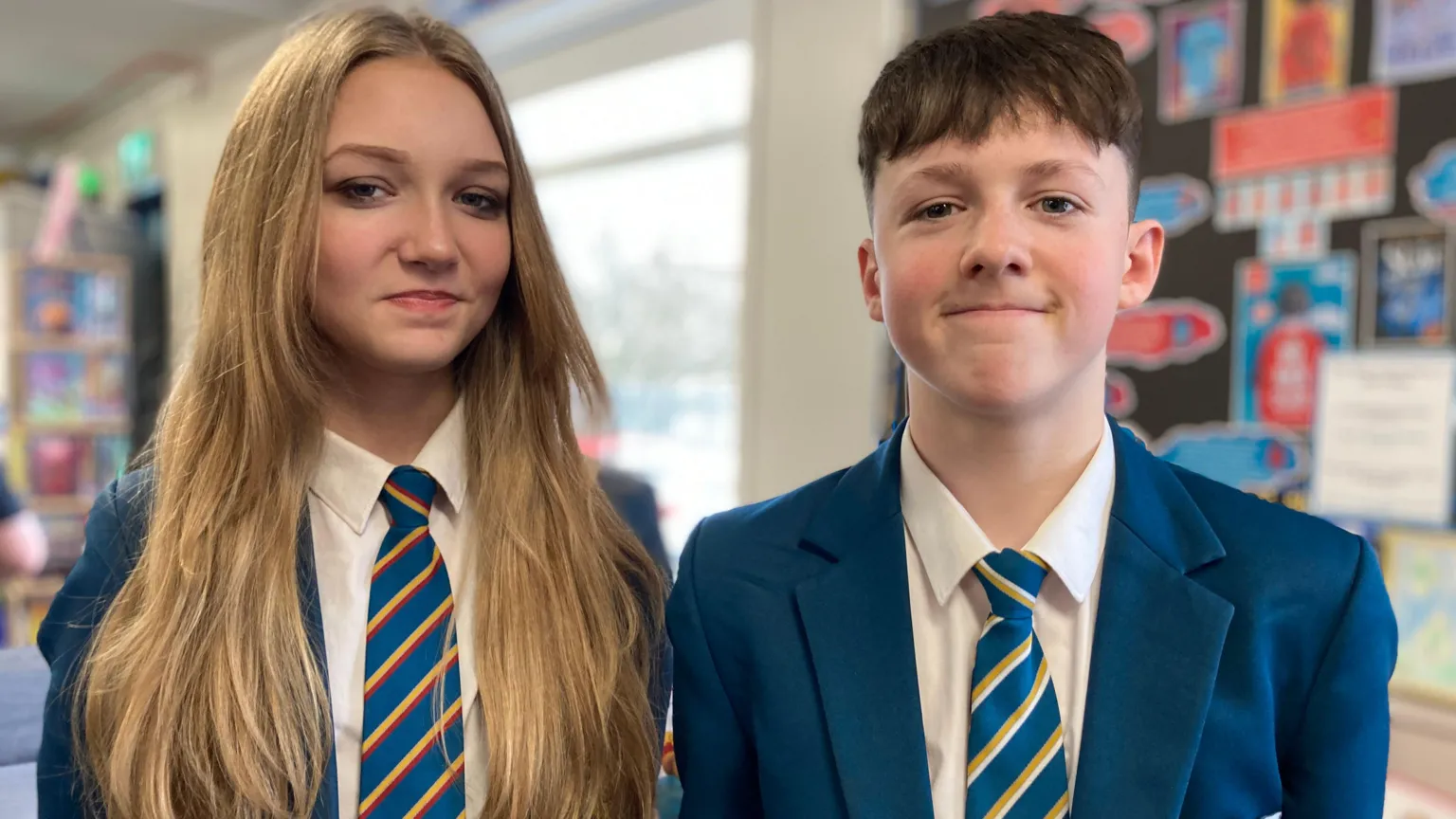
While Tetiana, Roman, and Yelyzaveta hope to return to Ukraine one day, they are currently grateful to have found safety and a sense of belonging in Northern Ireland.
How Did the Invasion of Ukraine Begin?
Four years ago, Europe faced its most severe armed conflict since World War Two when Russia launched a comprehensive invasion of Ukraine.
In the early hours of 24 February, Russian President Vladimir Putin announced a "military operation" in the Donbas region during a televised address, demanding the Ukrainian military surrender.
Subsequently, Russian forces initiated a large-scale land, air, and sea assault targeting Ukraine's military infrastructure and border guard units. Explosions were reported in multiple cities, including Kyiv and Kharkiv, prompting residents to seek shelter underground.
On 25 February, Russian tanks were documented entering Kyiv for the first time amid overnight blasts that caused injuries to several civilians.
By this stage, tens of thousands of Ukrainians had fled to five countries bordering western Ukraine, seeking refuge from the invasion. This number exceeded half a million by 28 February.


