Excitement Builds for Artemis II Moon Mission
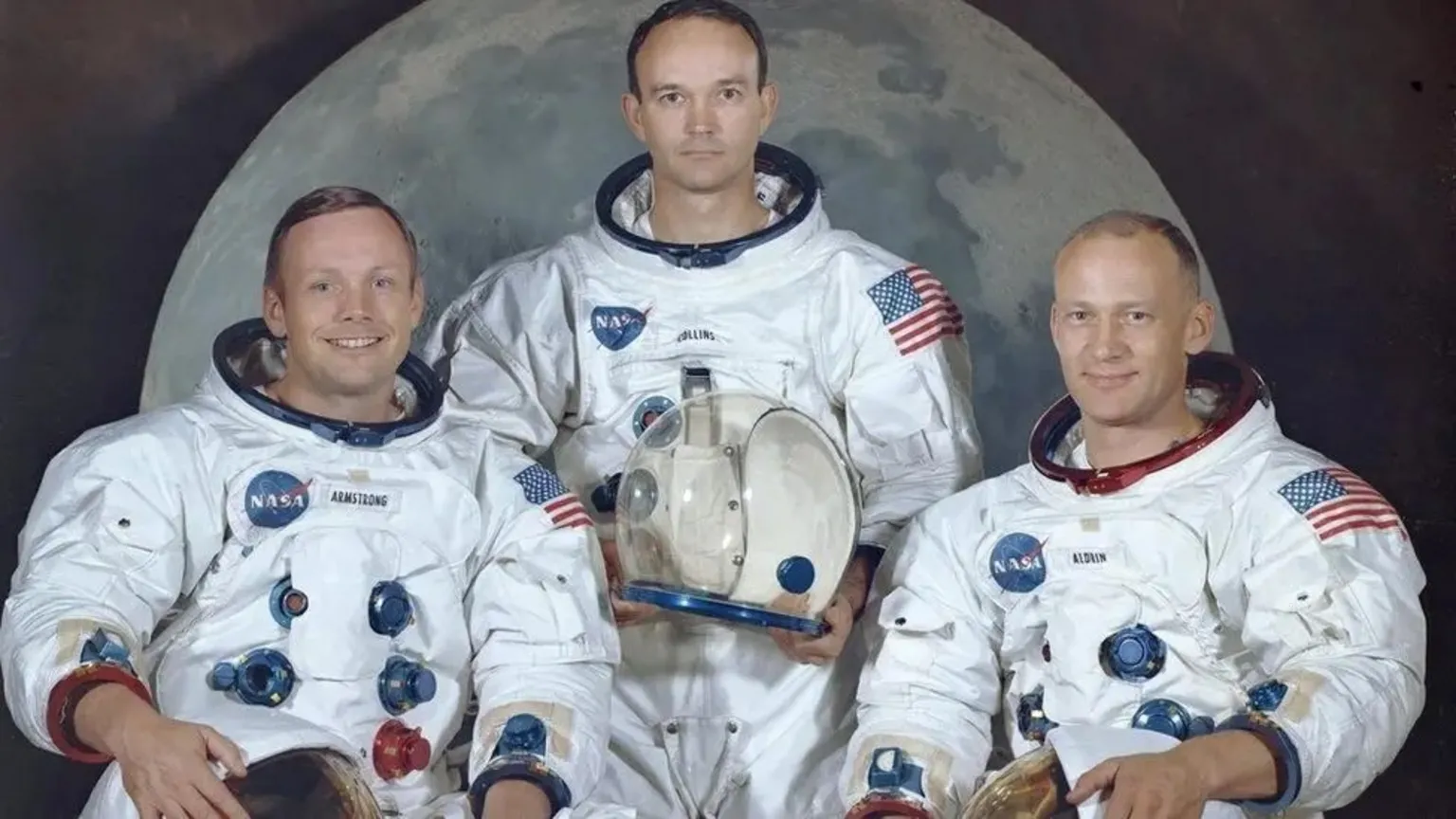
A British engineer who contributed to Nasa's Apollo 11 mission has expressed his enthusiasm for the upcoming Artemis II launch, which will mark the first crewed flight around the Moon in over five decades.
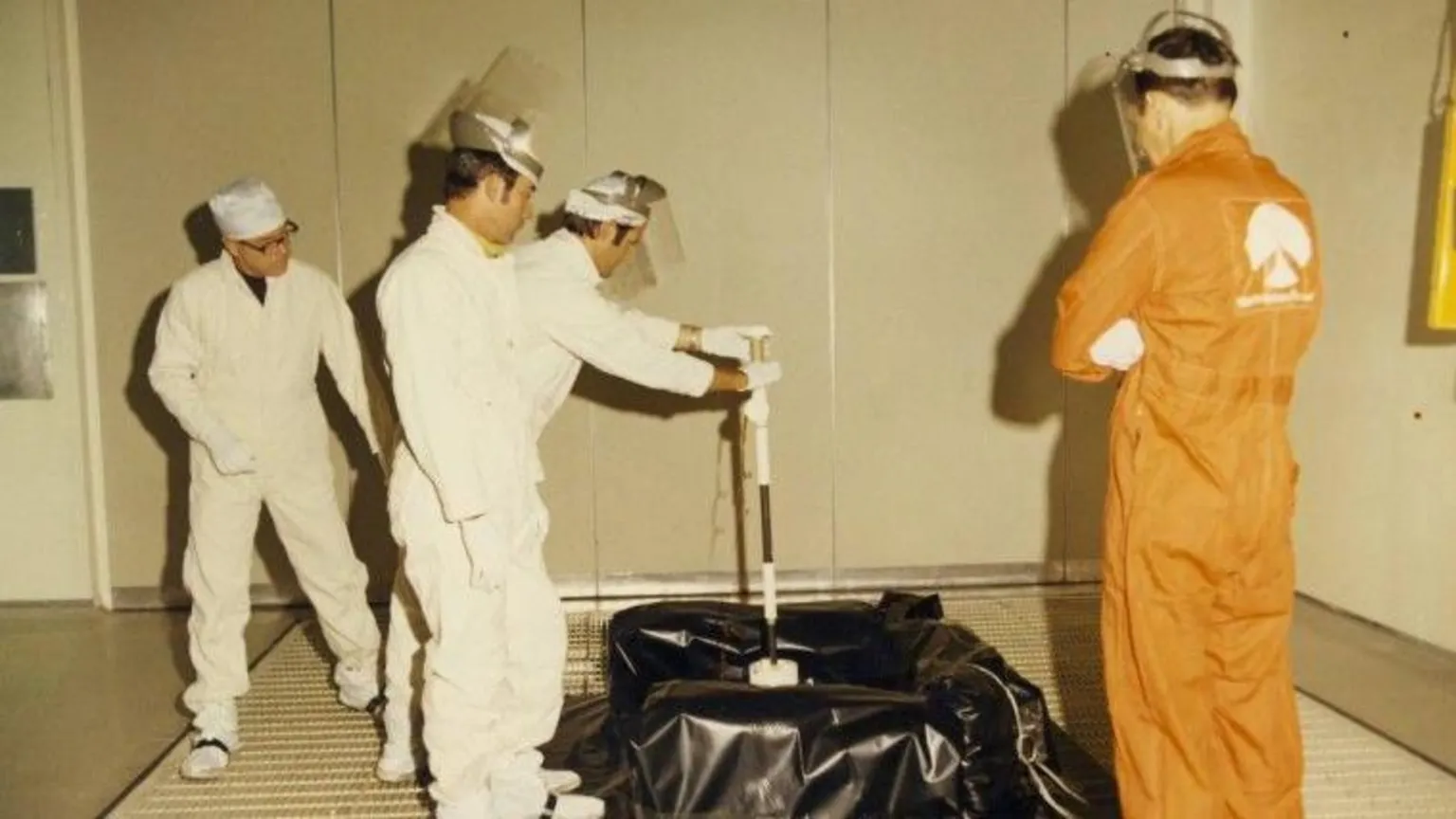
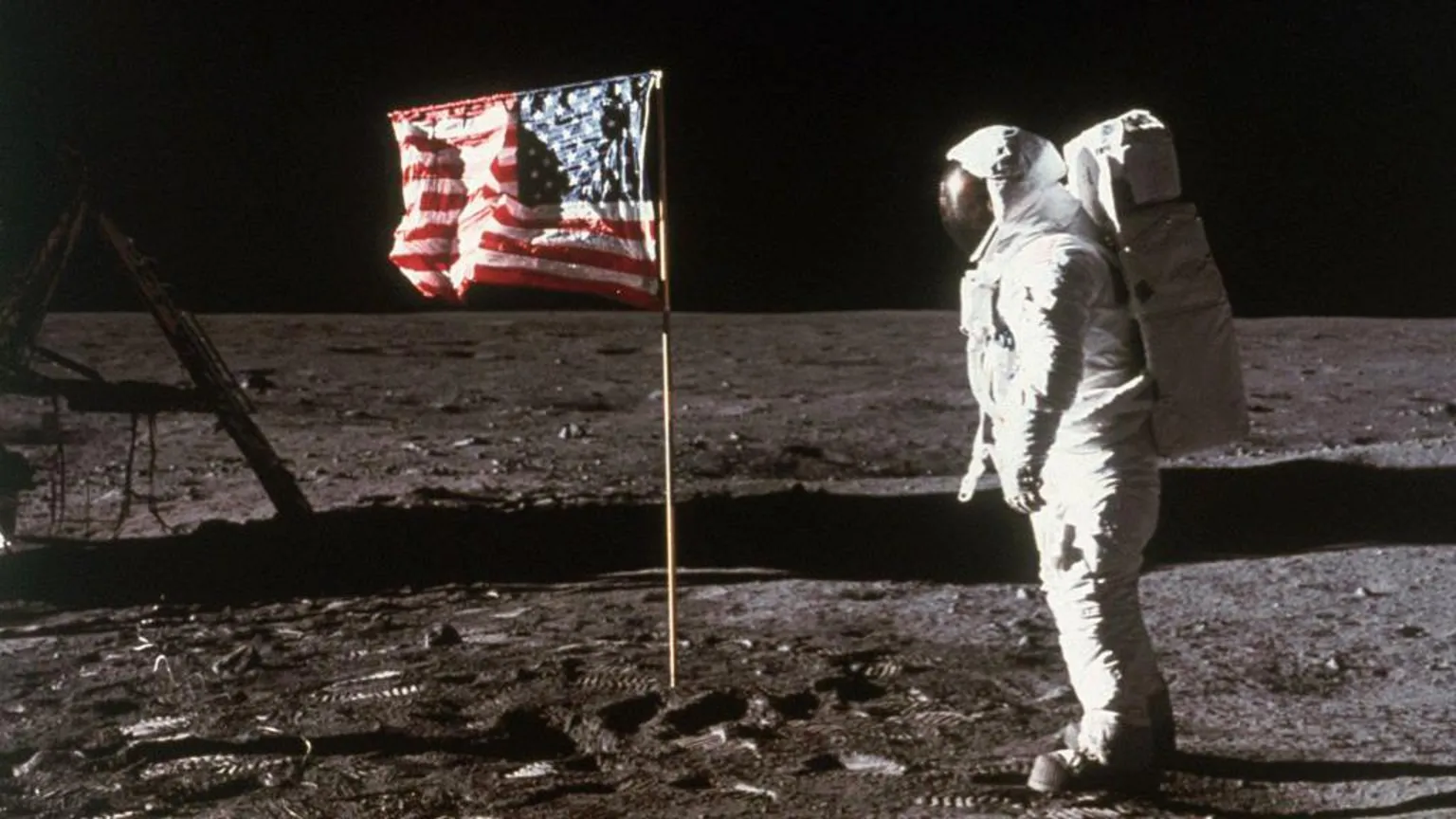
Keith Wright, from Buckland Newton, Dorset, played a role in developing scientific instruments at Kennedy Space Center and notably etched a Union flag onto a solar panel that remains on the lunar surface.
Nasa plans to launch this latest crewed mission on Wednesday.
"It's been too long," the retired engineer told the BBC. "It isn't a joke - it is April the 1st and we are going back."
Wright's Role in Apollo and NASA Experience
Wright previously worked as a systems engineer at Bendix Aerospace and was responsible for the Apollo Lunar Surface Experiments Package during his tenure at Nasa.
"I was involved in the launch preparation of the experiments that the astronauts put out on the lunar surface," he explained.
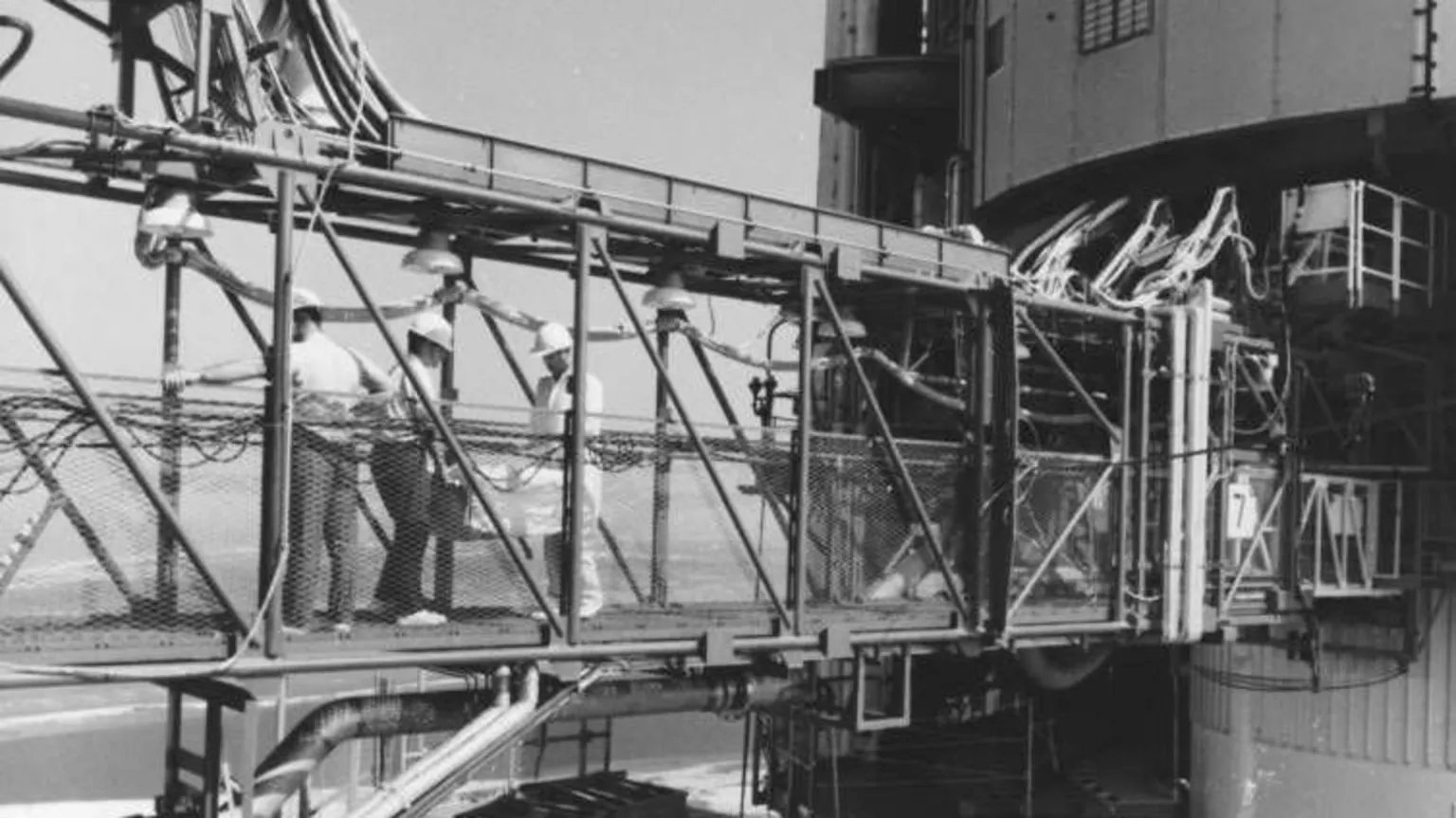
He and his family lived near Kennedy Space Center in Florida during this period.
"We were living in Florida right near Kennedy Space Centre."
Wright also recalls a memorable moment depicted in the film Apollo 13 starring Tom Hanks, which resonates with his personal experiences at Cape Canaveral.
"People may remember there was a bit at the beginning where there's a young lady being talked to by one of the astronauts at a party.
Well that happened to my wife - Fred Haise who was the lunar module pilot, spent half the evening talking to my wife."
Vision for Lunar Return and Mars Exploration
Wright believes that returning to the Moon is essential for the advancement of humanity's presence in space.
"We've learnt to live in Earth's orbit quite well over the last 20 or so years," he said.
"We now need to learn to live properly off the planet because we need to spread our humanity away from the Earth.
With the Earth we've got all our eggs in one basket, and if anything really disastrous happened we are in serious trouble, so we want to go to Mars, and the Moon is a stepping stone on the way."
International Collaboration on Artemis
Wright highlighted the differences between the Apollo and Artemis programs, emphasizing the international nature of the current mission.
"There's a big difference between Artemis and Apollo.
Apollo was funded totally by America. Artemis is an international project like the Space Station was... the Europeans have provided the propulsion module for the spacecraft on this mission and will be doing so for the rest of the Artemis flights."
Details of the Artemis II Mission
The Artemis II mission is scheduled to last approximately 10 days and will carry astronauts farther into space than any human has traveled before.
This mission aims to pave the way for a future human landing on the lunar surface, which has not occurred since the Apollo missions of the 1960s and 1970s.