

Limited Initial Use of Digital ID Scheme Announced
Darren Jones has indicated that Britain’s £1.8bn digital ID scheme will initially be available for only a few specific functions before the next general election. These uses will include paying vehicle tax and conducting right-to-work checks.
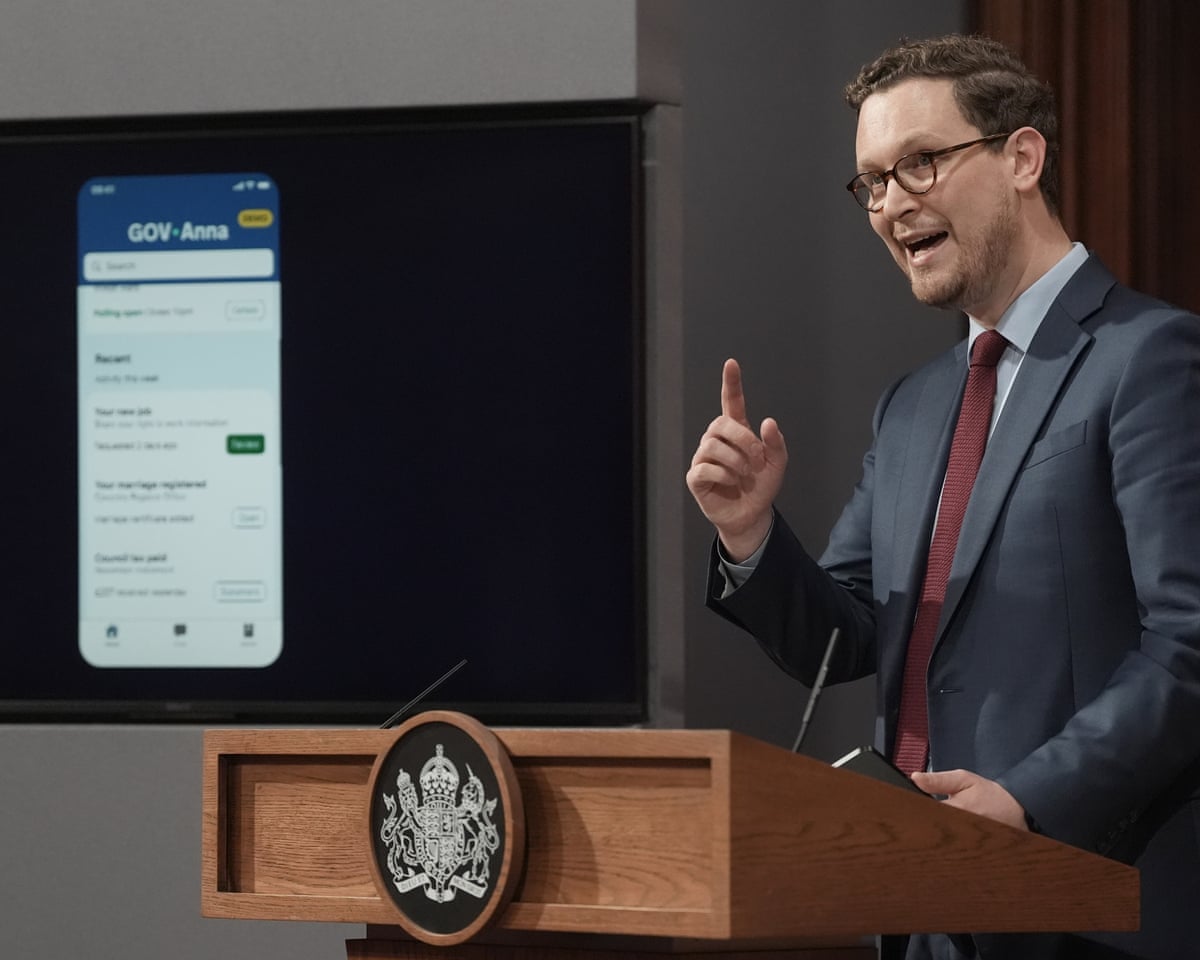
Jones, the prime minister’s chief secretary, told reporters on Tuesday that while the long-term goal is for the app to support a wide range of services—from claiming benefits to verifying voting eligibility—most of these capabilities will not be implemented until the next parliamentary term.
Government Consultation and Project Scope
Launching the government’s consultation on the digital ID project, Jones acknowledged that its initial applications would be relatively limited despite the scheme’s significant annual cost, which is comparable to the entire Cabinet Office budget from the previous year.
“There will be some simple things that will come forward by the end of the parliament: maybe tax disc payments; some administrative tasks; the right-to-work check will be available if you want to use it from 2029.”
“But the big prize – when you’re looking at things like the childcare system or your pension statement or HMRC data – that’s really a prize for the next parliament, because we’re going to have to take some time to get it up and running in the first place.”
Jones also stated that the government will spend the next eight weeks consulting the public on potential uses for the digital ID and addressing any concerns regarding its implementation.
Evolution of the Digital ID Project
When the project was announced last year, Keir Starmer indicated that the digital ID would serve as a mandatory right-to-work document aimed at preventing illegal employment of migrants. However, the scope has since shifted considerably. Ministers have moved away from making the ID mandatory, instead emphasizing its role in enhancing public service delivery.

Jones highlighted that the digital ID would help eliminate the unfair advantage currently held by individuals who can navigate government bureaucracy more persistently.
“At the moment, people who have the time, or the means, or the capability to just keep on, often end up getting to the front of the queue, because they end up being a bit annoying to the person on the other end of the phone.”
“The whole point with this is that it should be easy, simple and accessible to everybody.”
Public Engagement and International Inspiration
As part of the consultation process, the government will convene a panel of 100 randomly selected individuals from across the UK who will have the opportunity to vote on the scheme at the conclusion of the consultation.
Ministers have drawn inspiration from countries such as Estonia, where a single digital ID allows citizens to access health records, sign documents online, claim benefits, and make tax payments.
Despite these ambitions, the UK rollout will be more cautious, reflecting concerns about public opposition. Currently, 40% of the population opposes the digital ID scheme, while 32% support it.
Future Expansion and Parliamentary Oversight
Jones emphasized that any expansion of the digital ID’s applications beyond those developed by the next election would require parliamentary approval.
“I expect to build in a mechanism that means that government and any future government will have to be back to parliament for a check and balance and approval for each service that comes onto the app in the future.”


