

Hard Choices Ahead for Downing Street Amid Rising Fuel Prices
Seventy years ago this winter, Britain’s streets fell eerily quiet. After a final surge of panic buying, many petrol stations closed, and even central London saw a sharp decline in traffic. Petrol rationing was formally introduced, limiting drivers to 200 miles per month, with exceptions for farmers, doctors, and vicars. This was a direct consequence of the Suez crisis, which disrupted oil supplies from the Gulf.
Today, this history feels relevant again due to what appears to be the US’s own version of the Suez crisis: a major power initiating a conflict it seems unable to resolve against an underestimated adversary. The Strait of Hormuz, a crucial shipping lane now rendered unsafe by Iranian drones and mines, remains closed. Nick Butler, a former BP executive and government adviser, warned on Monday that if the strait is not reopened soon, the UK could face fuel rationing within weeks.
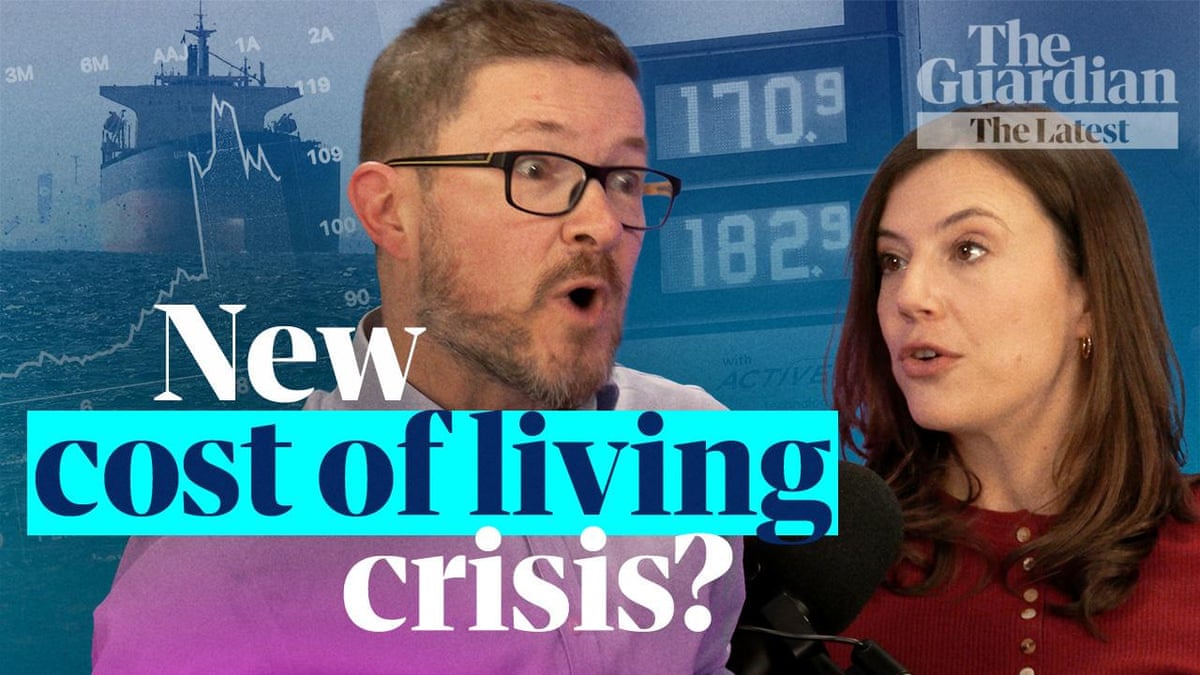
Butler’s warning, though unwelcome in Whitehall, is grounded in reality: a prolonged crisis causing a physical oil shortage would necessitate prioritising critical users such as emergency services. Other countries have already taken measures. Pakistan has closed schools and implemented a four-day workweek for government offices; Vietnam encourages remote work; and Bangladesh has deployed soldiers to fuel depots and rationed fuel for motorcyclists.
The individual responsible for this crisis is now demanding NATO members assist in resolving it, threatening a “very bad future” for the alliance if it does not undertake the risky task of clearing the strait. This demand has been met with open disdain in Europe. Germany’s defence minister, Boris Pistorius, questioned,
“What does Donald Trump expect from a handful of European frigates in the strait of Hormuz that the mighty US navy cannot manage alone?”
Despite the criticism, deploying mine-hunting drones to the Gulf may be preferable to allowing global economies to grind to a halt. The Resolution Foundation thinktank estimates a prolonged energy crisis could reduce UK household incomes by £500, while increasing prices for goods produced or transported using fossil fuels. Recent inflationary shocks have demonstrated the political consequences: a backlash against incumbents and gains for populist parties, even though the US’s own political choices contributed to the current situation.
Nigel Farage and Kemi Badenoch have both supported this crisis, and they should not be allowed to forget their roles as "Trumpflation" takes hold. However, it is not only right-wing parties poised to benefit from the perception of an ongoing cost-of-living crisis; the Green Party is also gaining traction.
Government Response and Political Implications
It is crucial that the government does not appear powerless amid potentially overwhelming challenges. Rachel Reeves has commendably advocated for assistance to the 1.7 million mostly rural households reliant on oil for heating and hot water, whose bills doubled almost immediately after the conflict began. Should petrol prices remain high by autumn, she is expected to oppose the planned September increase in fuel duty.

However, Reeves has indicated that financial support will likely be targeted at lower earners this time, rather than distributed broadly as it was following the Ukraine war. This signals difficult decisions ahead if the Gulf remains closed.
In a volatile global environment marked by continuous shocks, the UK must consider whether it can afford to subsidise energy bills repeatedly when fossil fuel producers manipulate markets. Alternatively, investing more aggressively in net zero initiatives—such as encouraging electric vehicle adoption and heat pump installation—could reduce dependence on petrostates. The government’s Climate Change Committee has modelled that achieving net zero by 2050 would limit the impact of a Ukraine war-scale oil shock to a 4% increase in energy bills by 2040, compared to a 59% increase in a high-carbon scenario.
However, encouraging lifestyle changes during a crisis is challenging. Germany’s attempt to reduce reliance on Russian gas after the Ukraine war inadvertently boosted the far-right Alternative for Germany party, which capitalised on public anger over rising heating costs. The Reform UK party is pursuing a similar strategy in the UK, attacking what it calls "lunatic green levies" on utility bills, despite studies showing these levies funded cheap clean energy that saved consumers money overall between 2010 and 2023.
Although no government wishes to rush these decisions, war may force action. The UK did not seek conflict with Iran, but it has arrived nonetheless, along with its economic consequences. The government must choose between prioritising immediate resilience—supporting people through difficult times—or focusing on long-term resilience through accelerated net zero policies. The question remains whether a Labour government will offer shelter from the storm or attempt to harness the wind, and the decision may come soon.
Gaby Hinsliff is a columnist.
Newsroom: On Thursday 30 April, join Gaby Hinsliff, Zoe Williams, Polly Toynbee, and Rafael Behr to discuss Labour’s challenges from the Green party and Reform UK, and Keir Starmer’s leadership prospects. Book tickets or at.
If you have an opinion on the issues raised, you may submit a response of up to 300 words by email for consideration in our section.


