

Disappearance and Initial Investigation
When Arlene Fraser disappeared without a trace after waving her young children off to school, detectives had a suspect with a motive but very limited evidence.
Her husband, Nat Fraser, was known to be a jealous and violent man who had been accused of attempting to murder Arlene just five weeks prior to her disappearance. Their marriage was deteriorating, and on the day she went missing, Arlene had been scheduled to meet a solicitor to discuss a £250,000 divorce settlement.
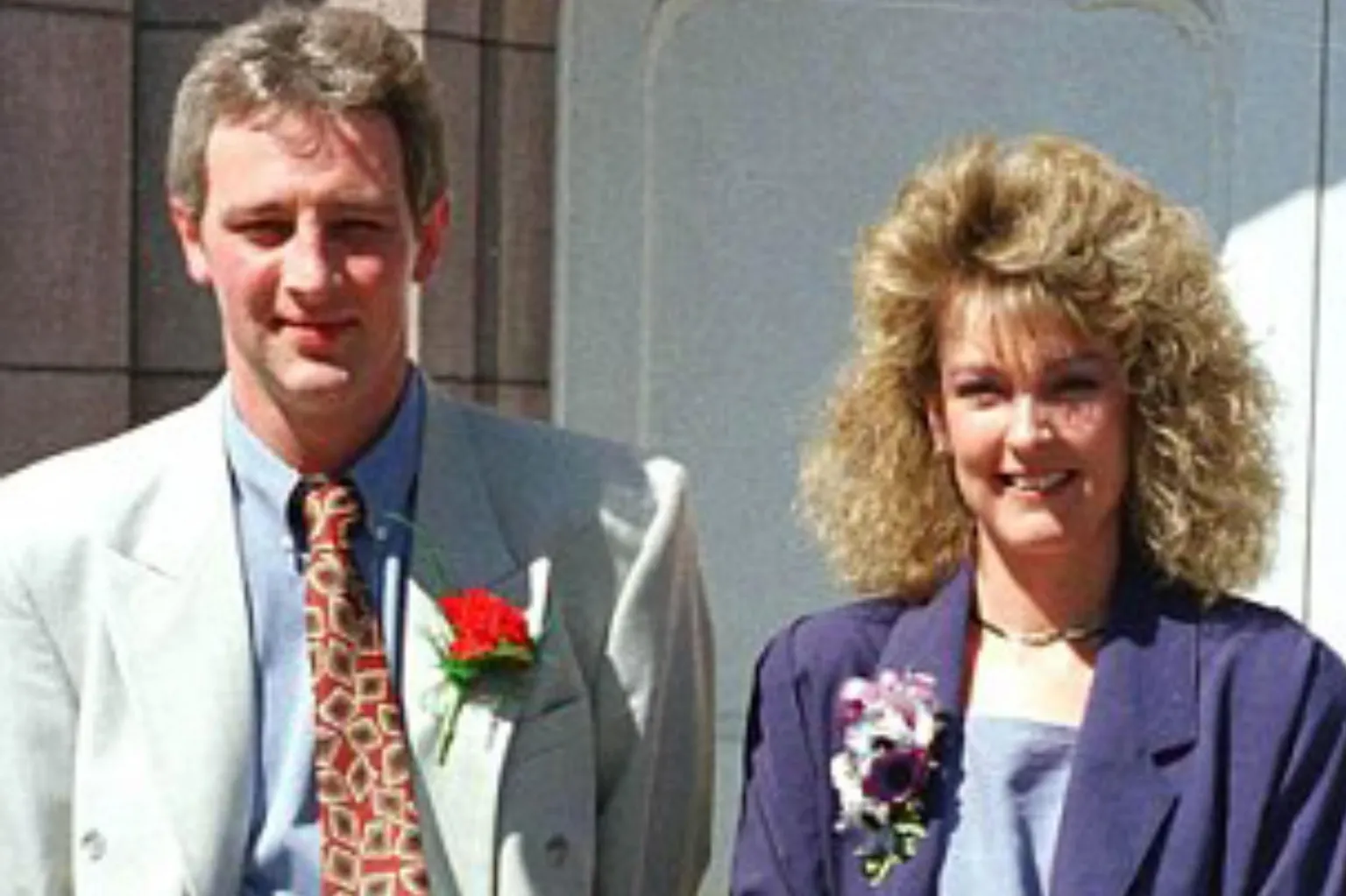
However, when police began their investigation, they encountered what one officer described as "a daunting absence of clues." There was no crime scene, no signs of disturbance, no forensic evidence, no eyewitnesses, and no CCTV footage.
Arlene's bungalow in Elgin, located in the north of Scotland, was compared to the Mary Celeste due to its untouched state. The house was unlocked, the ironing board was out, the vacuum cleaner was plugged in, washing was hanging on the line outside, and the medication she required for Crohn's disease had been left behind.
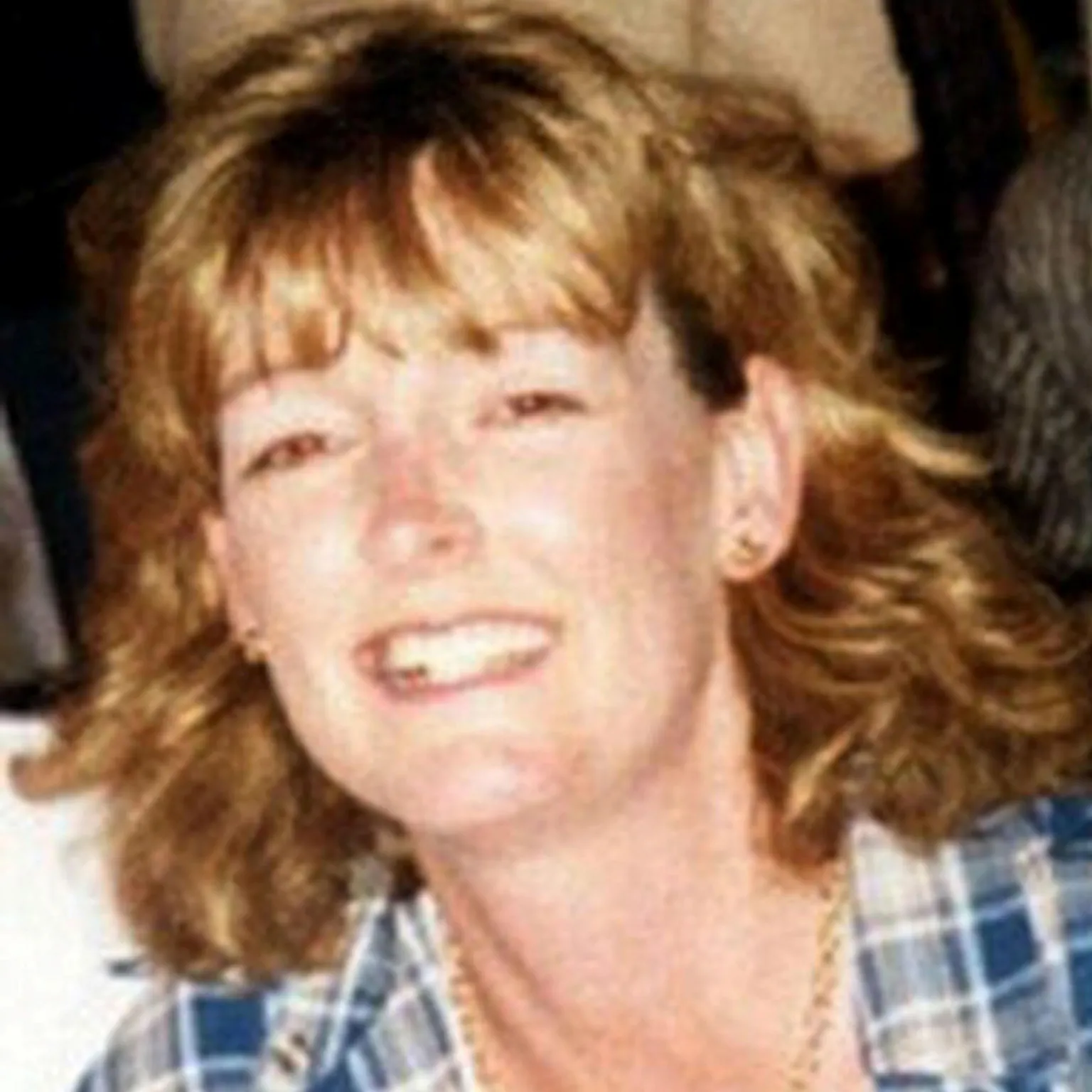
Family and friends stated that Arlene’s disappearance was completely out of character; she was not the type of person who would abandon her beloved children and leave home.
Nearly 30 years later, Arlene's body has never been found. Nat Fraser was twice convicted of her murder during a protracted 14-year legal process and is expected to become eligible for release from prison soon. Arlene's family hopes that new legislation will prevent his parole unless he reveals the location of her remains.
Last Contact and Initial Police Response
The last known contact with Arlene was at 09:41 on 28 April 1998, when she phoned her children's school to inquire about her son's return from a trip. At 02:00 the following morning, police informed her sister, Carol Gillies, that Arlene was missing.
"That's where the nightmare began,"
she tells a new BBC documentary, Murder Case: The Hunt for Arlene Fraser's Killer.
"I lived in Erskine at the time. It's a 200-mile journey.
"I literally could not speak. The words just wouldn't come out."
Focus on Nat Fraser and Investigation Challenges
Police quickly focused on Nat Fraser; however, the investigation faced two significant challenges. The first was that he had a solid alibi for the morning Arlene disappeared.
Retired Detective Superintendent Alan Smith, reflecting on the case that defined his career, described Fraser as a fruit and vegetable wholesaler and a "jack-the-lad" with many friends in the Moray town. Many locals refused to believe Fraser was involved, instead suggesting that Arlene, a devoted mother, had left voluntarily to start a new life.
"He was feeding a narrative, as were his close circle of friends, that she had simply upped stick and gone missing,"
said Smith.
"In many ways he was playing the victim and portraying her as a villain.
"Typically, if you've got a murder investigation, people are queuing up to help you. We were getting doors slammed in our face."
After Fraser appeared at a news conference, nervously appealing for Arlene to get in touch, detectives spent nearly a year gathering evidence to prove she was no longer alive.
Breakthrough and Evidence
A breakthrough occurred when police discovered that one of Fraser's closest friends, Hector Dick, had purchased a Ford Fiesta the night before Arlene's disappearance, paying the seller £400 and an additional £50 to keep quiet. Arlene's own car had been destroyed in a suspicious fire weeks earlier.
Dick ultimately pled guilty to perverting the course of justice and was jailed but initially remained silent about the car and any connection to Arlene.

Fraser followed Dick to prison after admitting a reduced charge of assaulting Arlene to the danger of her life, which negated the most compelling evidence against him. Under Scots law, a suspect's previous convictions are generally withheld from juries.
Nat Fraser was tried twice for Arlene's murder, and in both trials, the jury was not informed of his prior assault on her just before her disappearance.
"If you have got evidence of a previous assault which shouts out motive and gives the jury a complete understanding of why he might want to kill his wife, of course it's massively frustrating that you can't take that in front of the jury,"
said Smith.
"But it's important that Scots law has that protection for the innocent until proven guilty."
Ultimately, this did not affect the outcome. Both juries found Fraser guilty beyond reasonable doubt, concluding he had orchestrated his wife's murder.
Trials and Convictions
During the first trial in 2003, Hector Dick testified against Fraser, claiming Fraser told him he had paid a hitman to kill Arlene and then burned and scattered her remains. Dick stated he had purchased the Fiesta for Fraser and later scrapped it.
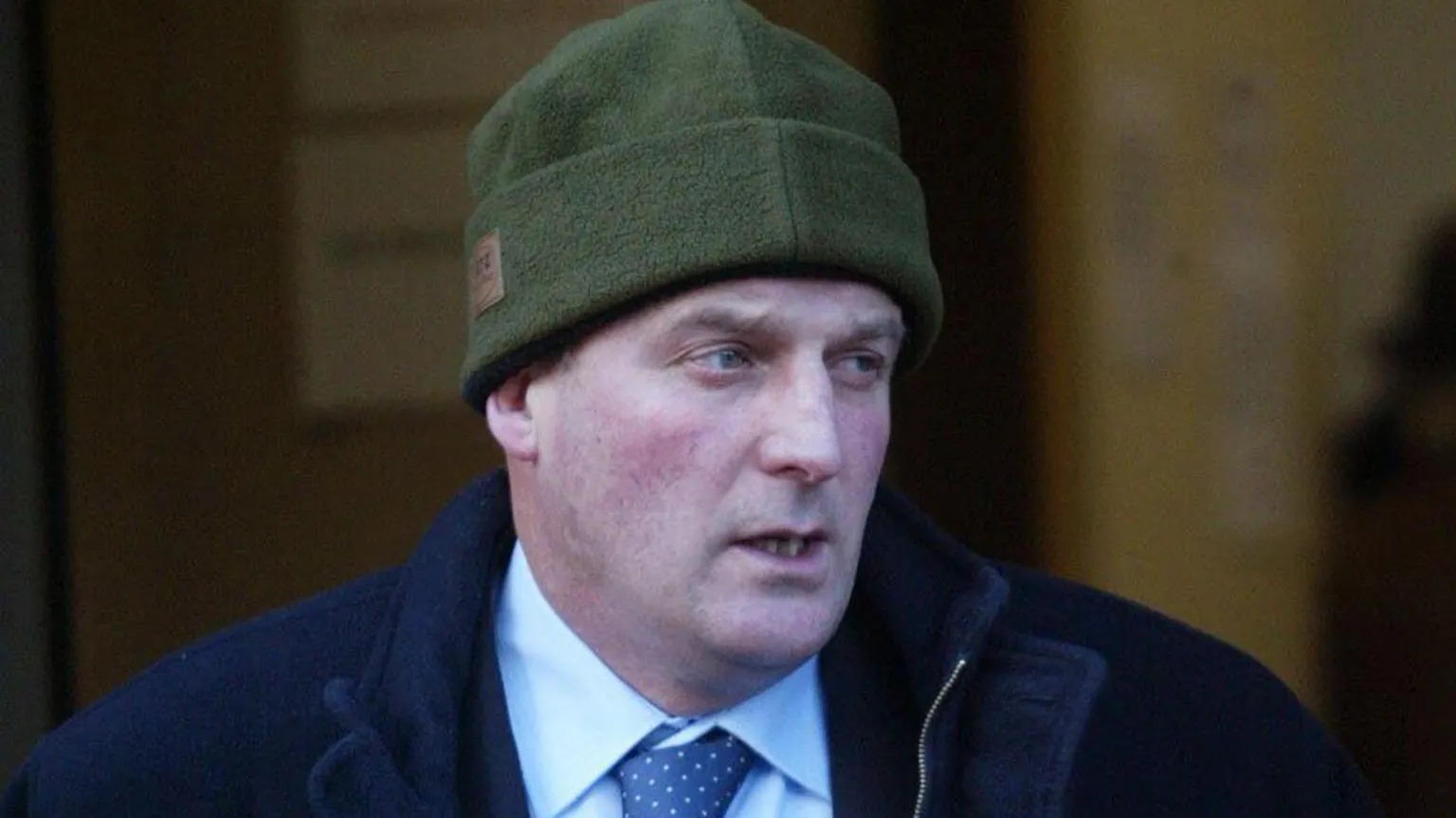
A key element of the prosecution's case involved the mysterious reappearance of Arlene's gold eternity ring, diamond and gold wedding ring, and sapphire engagement ring. A family member reported finding them in the bathroom of Arlene's home eight days after she went missing; they had not been there previously. Fraser had been in the house that day, implying he had placed the rings there.
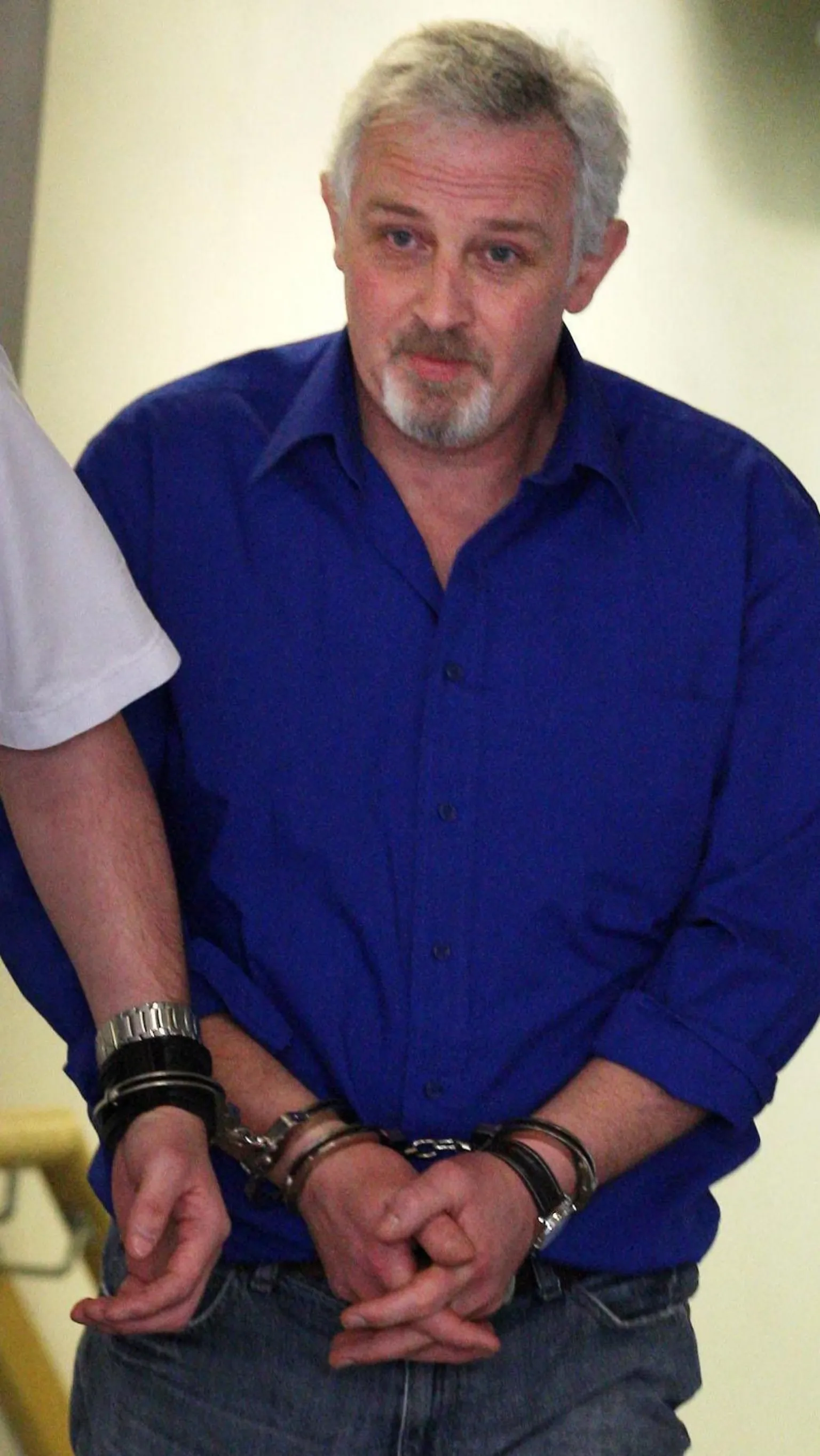
Fraser was convicted and sentenced to life imprisonment, but the UK Supreme Court ruled in 2011 that his trial had been unfair, a decision that provoked anger from then First Minister Alex Salmond.
Fraser was convicted again in 2012 and received another life sentence with a minimum term of 17 years.
Upcoming Parole and New Legislation
When Fraser becomes eligible for parole in October 2028 at age 69, he will face a new legal hurdle. Suzanne's Law, named after Edinburgh bookkeeper Suzanne Pilley who disappeared in 2010 after ending an affair with a colleague, was enacted last year by the Scottish Parliament. David Gilroy was convicted of her murder and has never disclosed the location of her remains.
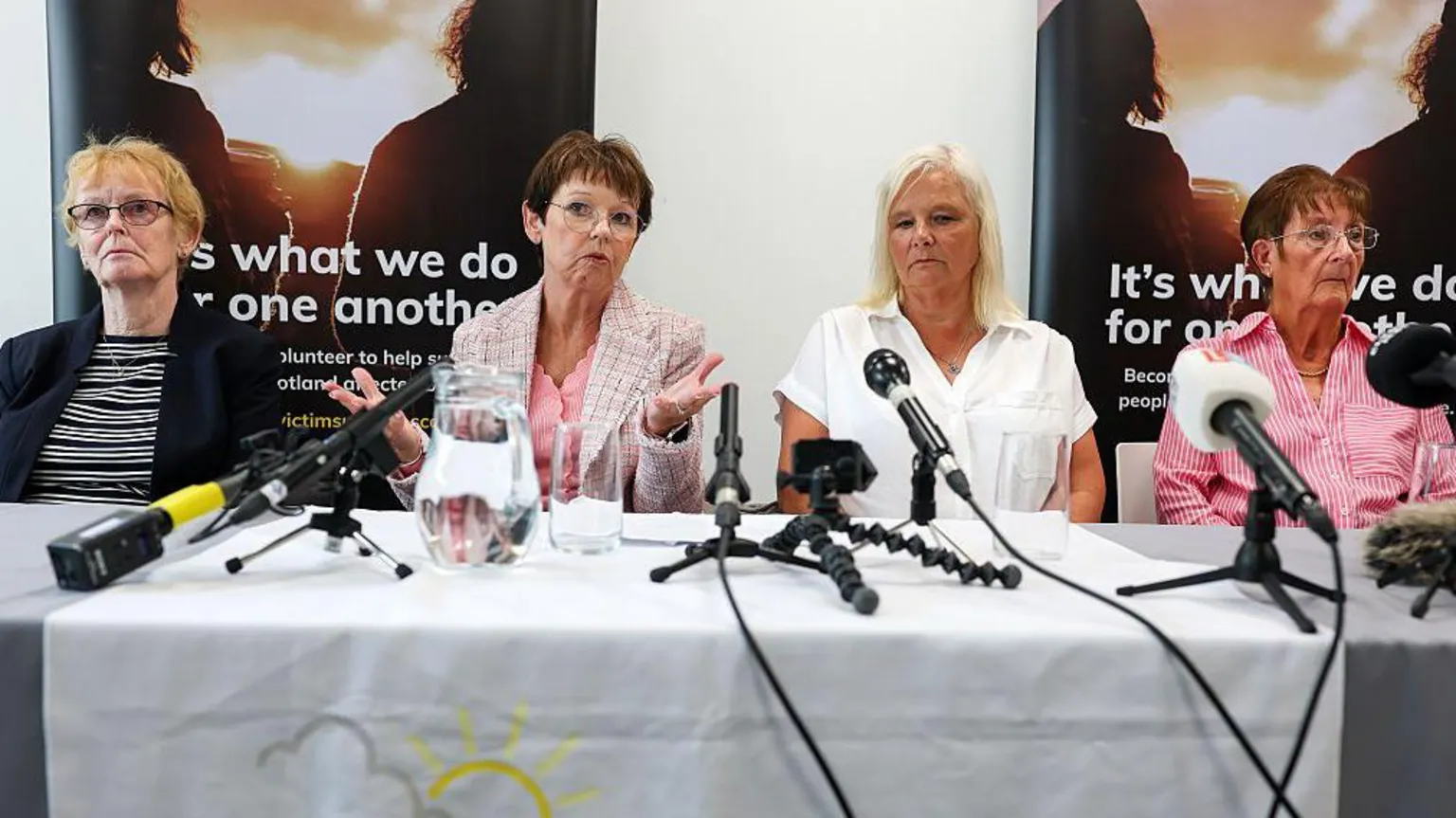
The legislation requires the parole board to consider a murderer's refusal to reveal the whereabouts of their victim's body. This law was passed following a campaign by the families of Suzanne and Arlene, supported by Victim Support Scotland.
Perspectives from Alan Smith and Family
Alan Smith maintained contact with Arlene's family after the legal proceedings concluded. He advocates for killers like Fraser to serve consecutive sentences for concealing victims' remains after completing their life sentences. If not, he hopes Suzanne's Law will delay Fraser's release for years.
"I've seen the torture that Arlene's family have had to endure through Nat's choice not to give up her body,"
he says.
"He could do that tomorrow if he wished and of course the motivation in this murder investigation was obvious to me - it was control.
"The final piece of control that Nat has, is giving up that 28-year secret as to where Arlene is now.
"I doubt he will ever give up that secret, knowing how the man ticks, and this legislation may not unlock that secret.
"The family know that, but they want the legislation for future cases. That could be a form of legacy for Arlene."

Carol Gillies stated she carefully considered participating in the documentary.
"It certainly is not something I enjoy or particularly want to do, and I am sure other participants may have felt the same, but we all see this as an opportunity to raise public awareness on important matters,"
she said.
"I believe part of Nat Fraser's plan was that people would soon forget about Arlene.
I feel he is counting on us tiring or giving up, but until Arlene's remains are located, I see it as my responsibility to ensure that Arlene is never forgotten."

Carol described Fraser's refusal to disclose what happened to Arlene as a form of mental torture.
"You spend the whole time just trying to think of a way to get Arlene back, and Nat's the only one that knows.
"The clock is ticking with us because of Nat Fraser's parole date."
She believes Suzanne's Law presents Fraser with a choice.
"Tell us where her remains are, or go back to your cell.
"It's the final chance of getting to the truth, because if the parole board can't do anything to help us, then he'll get out and the truth will be gone forever."


