

The Supreme Court will review the controversial terrorism-legislation ban on protest group Palestine Action after granting its co-founder permission to appeal. The decision, confirmed on Thursday, is a major blow to the Home Office and means the ban that came into effect in July 2025 will now face its highest legal challenge.
Although the full reasons for the appeal have not yet been published, the BBC understands they relate to Huda Ammori's argument that the ban breaches human rights. Court officials said the appeal will be expedited, meaning it will be heard after the summer break, and the outcome could have major implications for terrorism legislation in the UK.
The ruling comes weeks after the first major trial of members of the group ended. Those defendants were accused of causing more than £1m of damage to a defence firm near Bristol with an Israeli parent company. Four members of that break-in team were jailed, and one was also sentenced for causing grievous bodily harm to a police officer who was hit with a sledgehammer.
Separately, more than 2,000 people are facing potential trial for protesting against the ban by declaring support for a proscribed terrorism group in mass demonstrations. The battle over the proscription of Palestine Action has now lasted for more than a year.
Former Home Secretary Yvette Cooper banned the group on advice from police and security officials after an escalating series of break-ins targeting Elbit, an Israeli-owned defence firm. The Home Office says the ban is not about protest in support of Palestinian causes and was necessary because the group was causing significant criminal damage to legitimate businesses.
Both the High Court and the Court of Appeal have ruled that Palestine Action's activities included criminal acts, although they disagreed on whether those incidents justified the use of terrorism laws. Those laws, approved by MPs in Parliament, allow the government to ban a group for either serious violence or serious criminal damage carried out for an ideological cause, and they trigger wider police powers to investigate and charge suspects for organising activities and fundraising.
The High Court initially ruled that the ban was unlawful, but five judges on the Court of Appeal later overruled that decision and unanimously found that the home secretary had acted lawfully and within her powers to proscribe Palestine Action. That Court of Appeal ruling will now be reviewed by the Supreme Court.
During Thursday, some 117 protesters were arrested outside Westminster Magistrates' Court. The Metropolitan Police said the majority of the arrests were for expressing support for the group.
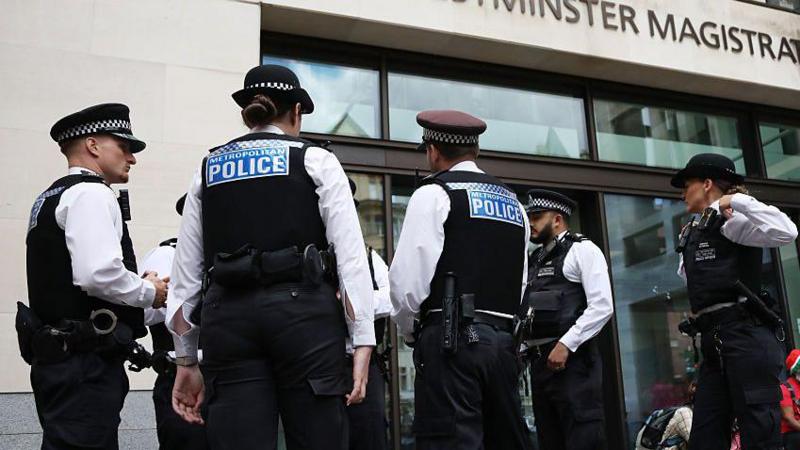
Scores of protesters had turned up at the court because they expected to appear in cases accusing them of allegedly showing support for the group at earlier public events. However, those cases had been listed in error. Many of the defendants said they felt they had no choice but to attend, despite the court and Metropolitan Police telling them not to do so.
Palestine Action co-founder Ammori welcomed the Supreme Court's decision to hear her appeal and said the latest arrests were part of a wider crackdown on Palestinian solidarity. She said:
"We will continue to fight this proscription all the way to the Supreme Court and, if necessary, to the European Court of Human Rights to overturn what has become one of the most extreme attacks on free speech and the right to protest in modern British history."
The Home Office has been contacted for comment, but following its major win at the Court of Appeal it said that it would robustly defend any further appeal to the Supreme Court. The BBC understands that position has not altered since the change in prime minister.
Why does the Supreme Court review matter?
The appeal could have significant consequences beyond Palestine Action itself. Because the proscription was made using terrorism legislation, the Supreme Court's ruling may shape how those powers are used in future against groups accused of serious criminal damage for ideological reasons.

The case has already moved through multiple courts and has become a test of the balance between public protest, criminal damage and terrorism law. The Home Office's position is that the ban was needed to protect businesses, while opponents argue it represents a far-reaching restriction on protest and speech.
What happened outside Westminster Magistrates' Court?
Police arrested 117 people outside Westminster Magistrates' Court on Thursday during protests linked to the ban. The Metropolitan Police said most of those arrests were for expressing support for Palestine Action.
Many people had travelled to the court believing they were due to face hearings over earlier demonstrations. Those hearings had in fact been listed in error, and officials had told them not to attend. Despite that, many said they felt compelled to appear.
The arrests came amid continued confrontation over the proscription and the wider campaign of support for Palestine Action. The group and its supporters say the policing response forms part of a broader attempt to suppress Palestinian solidarity.
How did the legal fight reach this point?
The dispute began after Yvette Cooper banned Palestine Action following advice from police and security officials. The decision followed a rising number of break-ins targeting Elbit, the Israeli-owned defence firm.
The High Court found the ban unlawful, but the Court of Appeal later disagreed. Five judges unanimously ruled that the home secretary had acted lawfully and within her powers in proscribing the group. That ruling is now set to be examined by the Supreme Court.
In parallel, the legal consequences of the group's activities continue to unfold. The recent trial of members involved in the break-in near Bristol ended with jail sentences, and more than 2,000 people could still face trial over support for the banned group.
What are the wider implications?
The outcome may affect not only the future of Palestine Action but also how terrorism legislation is interpreted in the UK. The laws allow ministers to ban organisations if they are linked to serious violence or serious criminal damage for an ideological cause, and they give police wider powers to investigate, arrest and charge people connected to those groups.
With the Supreme Court appeal set to be expedited after the summer break, the case remains one of the most closely watched legal and political disputes over protest and proscription in recent years.
Key Facts
- The Supreme Court has granted Palestine Action co-founder Huda Ammori permission to appeal the ban.
- The ban under terrorism legislation came into effect in July 2025.
- Officials say the appeal will be heard after the summer break.
- Police said 117 protesters were arrested outside Westminster Magistrates' Court on Thursday.
- More than 2,000 people face potential trial over protests against the ban.
Palestine Action activists jailed over factory raid
Palestine Action ban is lawful, Court of Appeal rules
Palestine Action ban ruled unlawful but group remains proscribed for now


