

Call to Protect Voluntary and Community Sector Funding
The Stormont Executive has been urged to ringfence approximately £15 million to safeguard Northern Ireland's voluntary and community sector from a significant funding cliff-edge expected at the end of this month.
Currently, 64 organisations face the risk of hundreds of job losses as the UK Shared Prosperity Fund (UKSPF) is set to be replaced by the government's new Local Growth Fund in April.
The UKSPF was introduced to replace EU funding that ceased following Brexit. However, the Local Growth Fund will reduce available funding to groups in Northern Ireland from £25 million per year to just over £9 million.
Government Funding Announcement and Calls for Allocation
On Tuesday, the government announced an additional £380 million for public services in Northern Ireland over the next three years.
It will be the responsibility of the executive to determine how these funds are allocated. Organisations such as the Northern Ireland Council for Voluntary Action (NICVA) and Action Mental Health have urged that some of this money be directed towards protecting their ongoing work.
Secretary of State Highlights Potential Support
On Wednesday, Secretary of State Hilary Benn also suggested that allocating funds in this manner could help sustain these programmes.
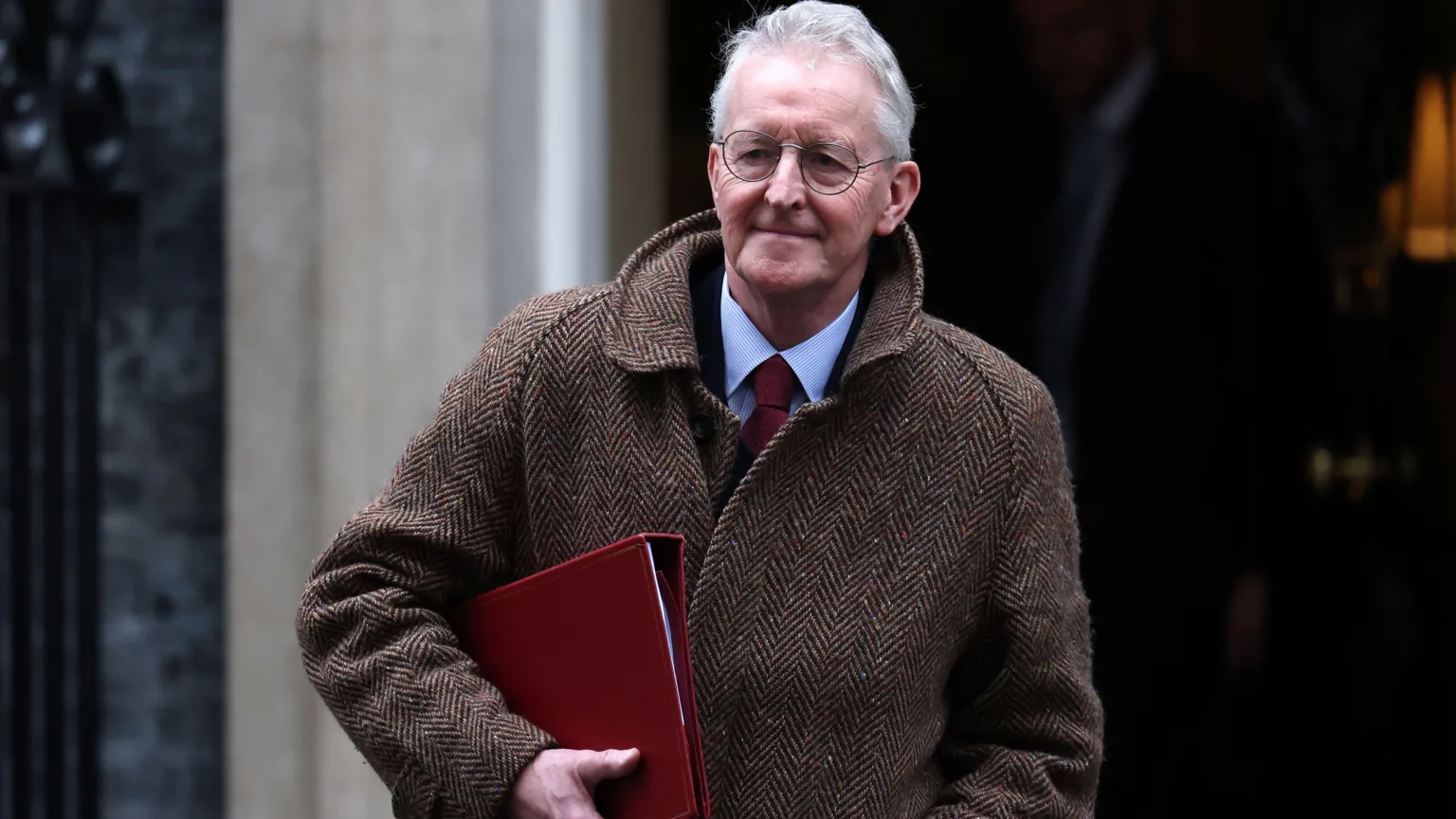
Benn faced criticism from MPs on the Northern Ireland Affairs Committee for not doing enough to protect vulnerable individuals who rely on these services.

He responded by stating that his department has been engaged in discussions for several months regarding the path forward.
"I get entirely that this is an urgent and difficult problem, but given we are where we are as practical politicians - what do we do now to solve the problem and that is what we're working on."
"It seems to me if the executive plays a part, we're putting money in and recognising local growth fund is a very different entity... and if peaceplus can come through maybe we'll be able to find a way forward," he said.
Concerns Raised Over Funding Changes
Ulster Unionist MP Robin Swann questioned the government's decision to alter the allocation method of the funding.
"These organisations have been raising alarm bells since December," he said.
The Shared Prosperity Fund consisted of three-quarters resource funding, whereas the Local Growth Fund will allocate only one-third to resource funding, with the majority directed towards capital projects, which directly impacts jobs.
Benn confirmed that the allocation ratio in the Local Growth Fund, described as a "70:30 split," will remain unchanged.
Further Discussions and Cross-Border Funding
MPs were informed that the Secretary of State will meet with officials from PeacePlus, a cross-border funding programme, on Thursday to explore potential additional support.
Criticism from Democratic Unionist Party Leader
Democratic Unionist Party leader Gavin Robinson accused the government of being "disingenuous" for deciding to change the funding pot and argued that the responsibility should not fall on the executive to resolve the issue.
"Is it not totally disingenuous to take a decision to strip vital community services of direct government funding and then say sure the guys who are already overstretched can pick up the tab?"
Benn rejected Robinson's viewpoint, responding:
"We can continue to spend time back and forth saying isn't it awful - and it is truly awful for the voluntary organisations involved - the question is what do we do about it?
"The fact remains if the executive thinks these programmes are really important... it is open to the executive to put some money in, alongside the money the government is putting in."


