

Starmer Commits to Addressing Social Media Addiction Risks
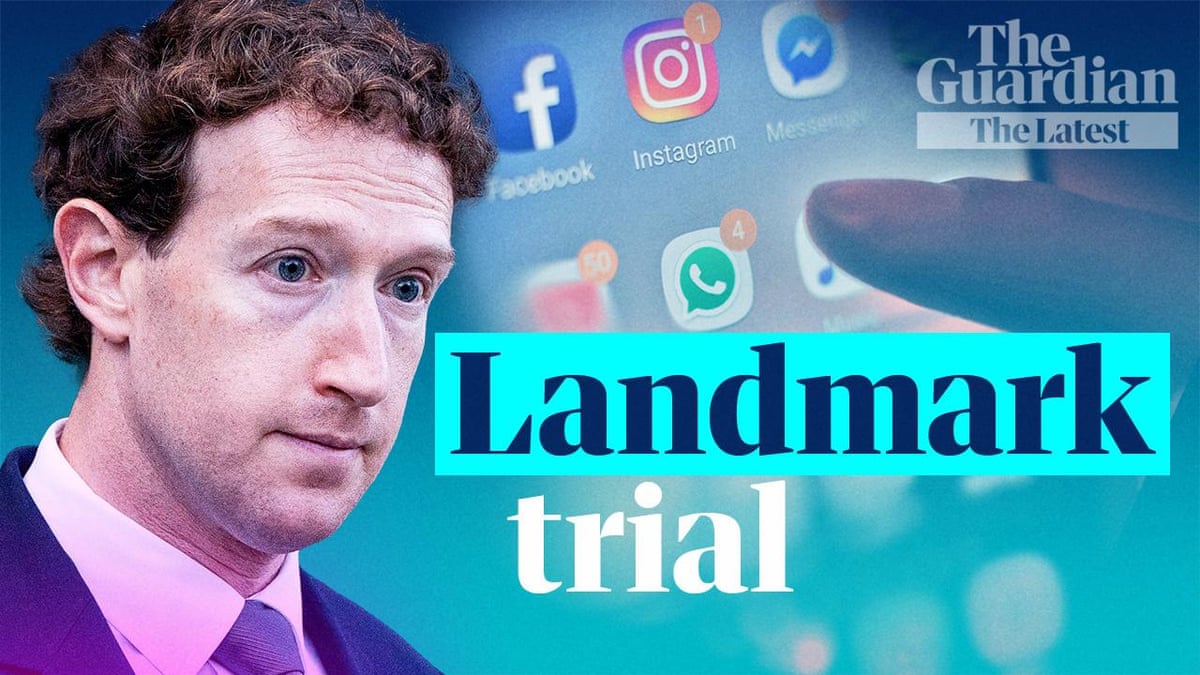
Prime Minister Sir Keir Starmer has announced his intention to confront the "addictive features" present in social media platforms, reflecting growing indications that the UK government is preparing to intensify regulations aimed at protecting children. This follows a landmark ruling in a US court that held Meta and YouTube responsible for harms caused by designing addictive technology.
The prime minister emphasized that the recent verdict in a California court represents a rising public demand for stronger regulation. He stated:
“I’m absolutely clear that we need to go further.”
He added,
“The status quo isn’t good enough. We need to do more to protect children. That’s why we’re consulting about issues such as banning social media for under-16s. I’m very keen that we do more on addictive features within social media.”

US Court Verdict Finds Tech Companies Negligent
In the US case, jurors found the technology companies negligent for failing to provide adequate warnings about the potential dangers of their products. The plaintiff, a 20-year-old woman who claimed she became addicted to social media during childhood, was awarded $6 million (£4.5 million) in damages. Meta was ordered to pay 70% of the damages, with YouTube responsible for the remainder.
Campaigners and Public Figures Respond to Verdict
The Duke and Duchess of Sussex were among those celebrating the verdict, describing it as "a reckoning." In a statement, they said:
“For too long, families have paid the price for platforms built with total disregard for the children they reach. We stand with every parent and young person who refused to be silenced.
Today, the truth has been heard and precedent has been set. Let this be the change – where our children’s safety is finally prioritised above profit.”
Google and Meta Plan to Appeal Verdict
Google, the owner of YouTube, announced plans to appeal the jury’s decision. A spokesperson stated:

“We disagree with the verdict and plan to appeal. This case misunderstands YouTube, which is a responsibly built streaming platform, not a social media site.”
Meta also expressed disagreement with the verdict, stating:
“We respectfully disagree with the verdict and are evaluating our legal options.”
European Commission and Campaigners Call for Stronger Regulation
Henna Virkkunen, the European Commission’s digital chief, commented from Brussels that the case, along with similar pending lawsuits, would send a "very clear message" to online platforms about the seriousness of the risks they pose.
Other advocates for safer social media welcomed the jury’s decision as a potential turning point in efforts to reform regulation of platforms such as TikTok, Instagram, and X.
The Molly Rose Foundation, established after the death of 14-year-old Molly Russell who was affected by online content, remarked:
“The ruling will rightly send shock waves across the tech sector and governments and highlights how we need to legislate for safer tech that protects young people and their wellbeing. [The government] can make safety and wellbeing the price for tech firms to pay for doing business in the UK.”
Thomas Lancaster from Imperial College London’s department of computing added:
“Ethically, this has to serve as a warning for the wider technology sector. It’s fine to have policies regarding who can use your service, but if these policies can’t be enforced, that is putting the people at risk – the very people who the policies are designed to protect.”
Big Tech’s Accountability Under Scrutiny
With additional cases pending in US courts, Sacha Haworth, executive director of the Tech Oversight Project, told :
“The era of Big Tech invincibility is over. After years of gaslighting from companies like Google and Meta, new evidence and testimony have pulled back the curtain and validated the harms young people and parents have been telling the world about for years.”


