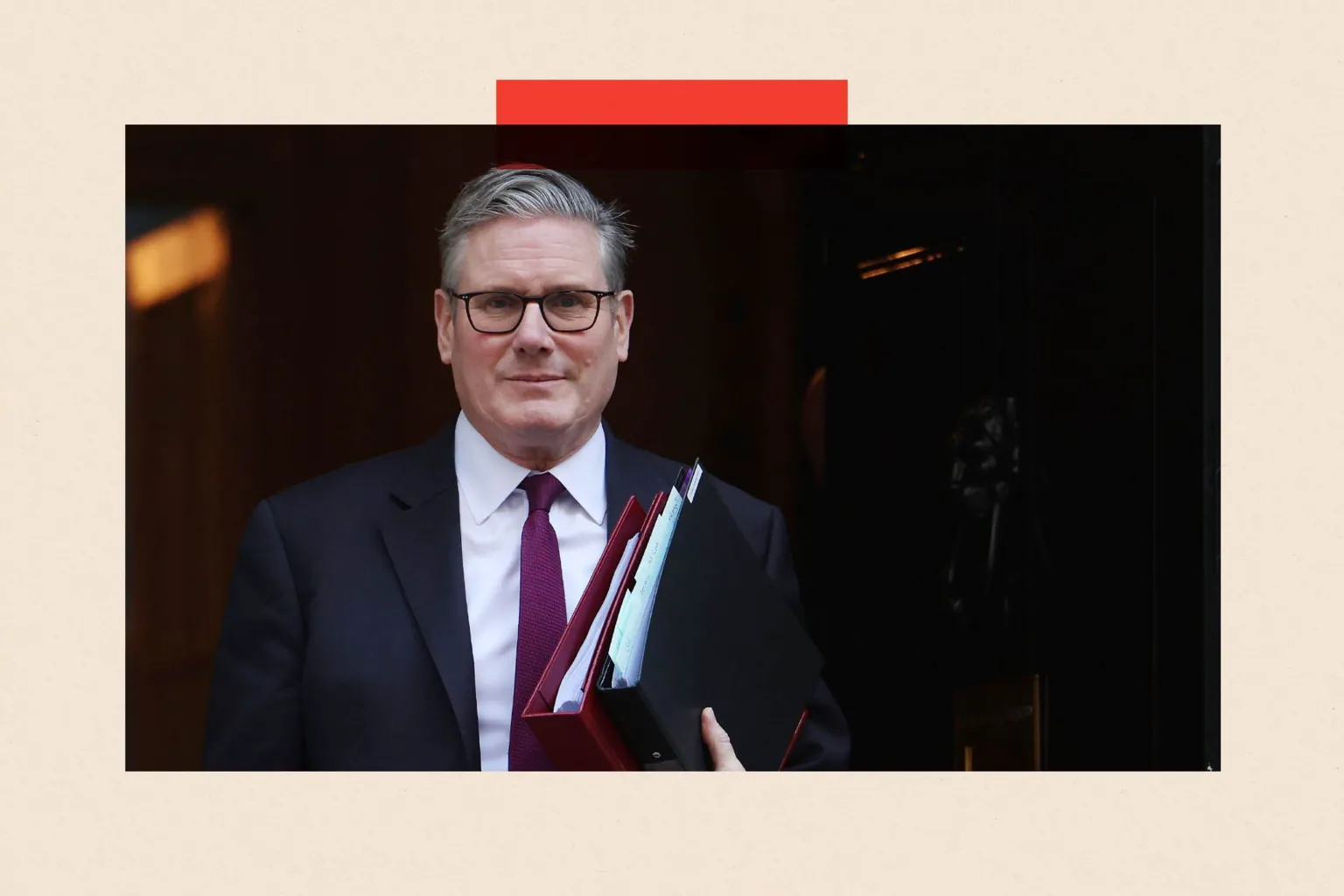
Political Unity Tested Amid Global Crisis
Traditionally, British politicians have united during international crises. However, in 2026, this cohesion appears to be weakening.
Previously, governments with substantial majorities could largely implement their agendas without significant opposition. This is no longer the case. Sir Keir Starmer's Labour Party remains unsettled, and despite the overwhelming gravity of the Middle East crisis, internal political tensions persist.
"There is a lot of anxiety around," one minister confided, noting uncertainty about whether the public trusts politicians to prioritize and safeguard them from what the International Energy Agency's head describes as "the greatest global energy security threat in history."
Public support for increasing the UK's involvement in the conflict is also uncertain, especially following the government's recent decision to permit the US to utilize British bases for strikes on Iranian targets near the Strait of Hormuz, a critical maritime passage.
Local Elections Loom Amid Political Unrest
In the coming weeks, millions of voters will express their confidence or disapproval of politicians through local elections. Current polls suggest the results may be disorderly rather than decisive.
While the Prime Minister manages a war he neither initiated nor can easily resolve, some Labour MPs are complicating his efforts. Notably, former deputy Angela Rayner has re-emerged prominently in recent weeks.
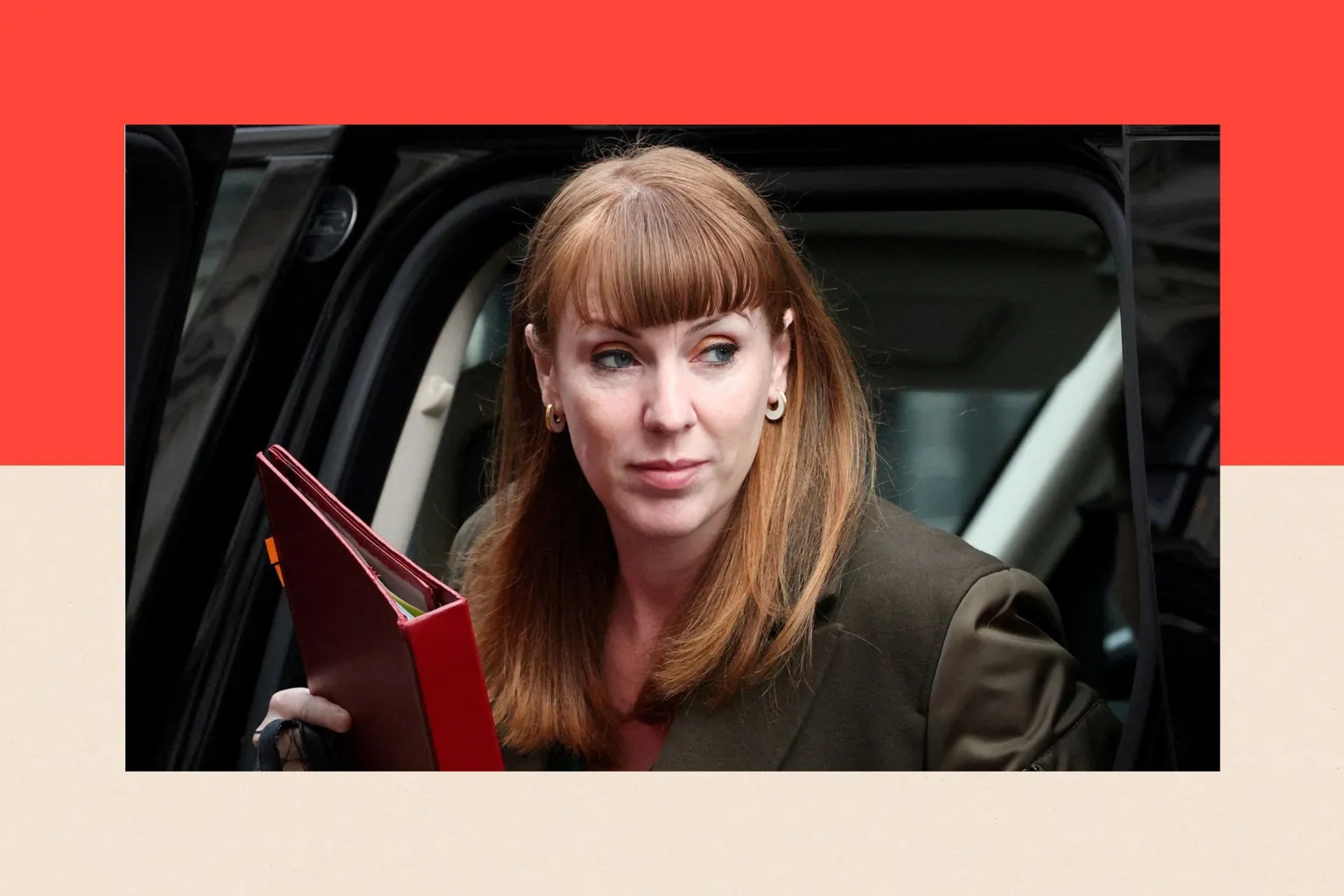
Rayner is among Labour MPs opposing Home Secretary Shabana Mahmood's immigration proposals. This faction is considering forcing a Commons vote unless Mahmood withdraws certain plans, particularly the proposal to extend the residency requirement for migrants seeking permanent UK status from five to ten years.
Sources close to Mahmood assert that a stricter immigration stance aligns with public opinion. They argue that more voters have shifted to Reform UK due to perceived leniency on immigration than have moved to the Greens over harsh policies.
Following the failed attempt to repeal welfare reforms amid Commons resistance, Mahmood plans to implement changes gradually through multiple measures rather than a single parliamentary event that could provoke significant opposition.
One minister cautioned colleagues considering opposition during the Iran conflict: "Anyone thinking about it should take a deep breath and focus on the reward we could get with unanimity." Another source expressed frustration, calling it "classic fighting amongst ourselves when we should be focusing on the world and trying to govern."
Angela Rayner's Critique and Leadership Speculation
The debate intensified when Angela Rayner publicly criticized the immigration proposals as "un-British" during a London speech, emphasizing that "the survival of the Labour Party is at stake" and warning that it is "running out of time."
Some colleagues have criticized Rayner, noting the irony of her lecturing on British values while under investigation for tax discrepancies. Others interpret her recent public appearances as preparation for a potential leadership bid following the May elections, particularly if Labour suffers significant losses.
Given the ongoing Middle East conflict, discussions of leadership contests may seem self-indulgent to many.
The war has diverted media attention from Labour's internal disputes and has led some MPs to believe that now is not the time for leadership challenges. However, Rayner's recent actions indicate that concerns about the government's direction persist.
Labour's Internal Dynamics and Upcoming NEC Elections
Starmer cannot be certain of party support for contentious policies such as immigration reforms. Leadership tensions remain and may resurface strongly in May. Observers note that Labour's power structures could shift further later in the year.
Over the summer, elections for the National Executive Committee (NEC), Labour's ruling body, will take place. To date, Starmer has relied on the NEC's backing, demonstrated when they blocked Andy Burnham's parliamentary candidacy. New NEC members could alter this balance and challenge Starmer's position.

Meanwhile, a government source remarked,
"The world is on fire and we are doing what we can to protect people, but we also have to show we can chew gum and walk forward."
This narrative is central to Labour's strategy ahead of the May elections, emphasizing plans to allocate funds to local communities for revitalizing high streets and supporting community projects under the campaign slogan "Pride in Britain." Given the government's current unpopularity, skepticism exists regarding the effectiveness of these promises.
Communities Secretary Steve Reed will discuss these initiatives on Sunday. Government hopes rest on delivering tangible local improvements—such as playgrounds and community pubs—to demonstrate active governance amid global crises.
"We are trying to do very visible change so people say 'Ah OK, there is a government out there that actually has its hands on the wheel, despite almost perma-crisis around the world'."
Political Competition and Challenges Ahead
The May elections present opportunities not only for Labour's internal critics but also for rival parties. Several political groups are actively seeking gains in 2026.
Reform UK remains a significant challenger. However, senior figures in both Labour and Conservative parties believe Reform's growth has plateaued, with its poll dominance less assured than in the previous year.
Recently, Reform's leader Nigel Farage faced embarrassment after quitting the video messaging platform Cameo following a newspaper investigation revealing his support for a man convicted of violent disorder and attendance at a neo-Nazi event.
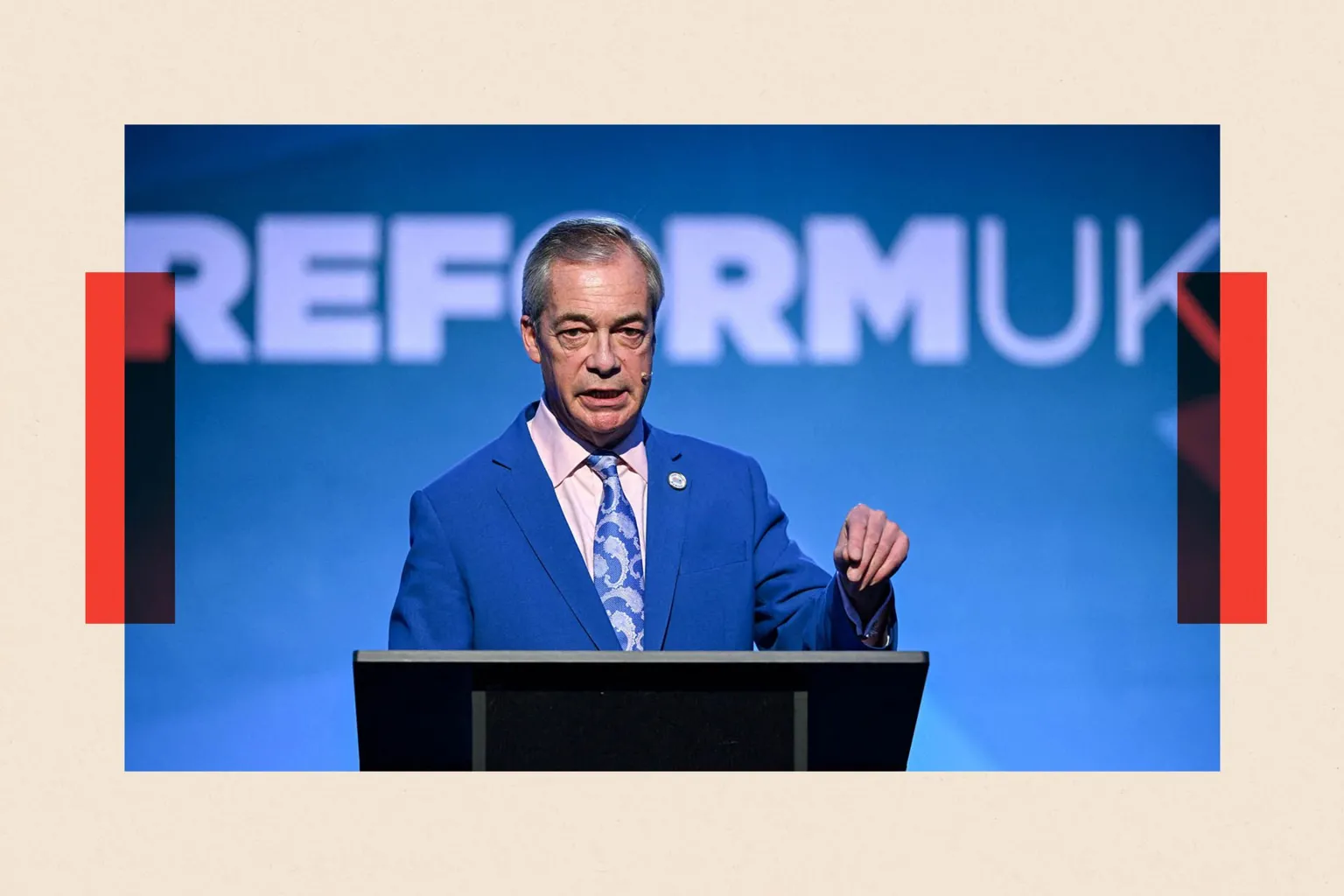
Reform stated Farage ceased using the platform for security reasons and acted in good faith. The party is now navigating increased scrutiny, as detailed in the documentary "Reform: Ready to Rule?"
Reform also faces competition from Restore UK, a new right-wing party founded by former Reform MP Rupert Lowe after a public dispute. Restore has registered officially and claims to have more members than the Conservatives, though membership figures remain confidential.
Restore aims to win seats in Great Yarmouth in May, asserting growth due to appealing to voters tired of "woke" politics.
Despite these developments, polls show Restore has yet to make significant national impact. Reform remains the primary challenger to Starmer and Conservative leader Kemi Badenoch.
Badenoch's position within the Conservative Party has stabilized compared to earlier in her leadership. Nevertheless, the Conservatives are expected to face difficulties in May.
Poll aggregations consistently show Labour, Conservatives, and Greens clustered in the high teens percentage-wise, with the Liberal Democrats in fourth place and Reform leading among minor parties. Regional parties such as Plaid Cymru in Wales, the SNP in Scotland, and various groups in Northern Ireland contribute to a complex political landscape.
Political Landscape in Flux Amid Global Challenges
The political environment is increasingly unstable, coinciding with escalating global challenges. Politicians face critical decisions regarding participation in conflict, economic shocks, and energy security.
Is there "a lot of anxiety around," as the minister noted? That is beyond doubt.
BBC InDepth offers comprehensive analysis and fresh perspectives on major current issues. Emma Barnett and John Simpson curate a selection of insightful reads and analyses every Saturday.

Readers are encouraged to to the newsletter for ongoing updates.