

Sewage Spill Data and Trends in South-West England
The number of sewage spills into waters around south-west England decreased in 2025 compared to the previous two years, though figures remain higher than in three of the last five years, according to data from the Environment Agency.
South West Water, the regional water company, was responsible for 46,164 sewage spills in 2025, with a total duration of 407,006 hours. This represents a reduction from 56,173 spills lasting 544,439 hours in 2024, and 58,249 spills over 520,737 hours in 2023. However, the 2025 figures are still elevated compared to those recorded between 2020 and 2022, and the total spill duration remains the longest of any water company in England.
The BBC has requested comment from South West Water. Previously, the company stated that spills had been reduced by 17% over the last year and the duration of overflows cut by 25%.
Sewage Discharges in South-West England
The Environment Agency's data for the past six years shows the following for South West Water's sewage discharges:
In 2025, United Utilities, serving north-west England, recorded the next highest spill duration with 327,453 hours. Yorkshire Water had the third highest with 285,931 hours, and Severn Trent Water was fourth with 200,361 hours.
United Utilities led in the number of spills in 2025 with 60,843, followed by Yorkshire Water with 51,431, and South West Water in third place.
Sewage spills typically occur during rainfall to prevent sewage systems from becoming overwhelmed and backing up into homes. Consequently, fewer spills happen during periods of less rain.
Environmental charities have cautioned that the reduced numbers do not necessarily indicate substantial change. Conversely, the industry body Water UK stated that increased investment in infrastructure, tripled in recent years, is beginning to have an effect.
Earlier in 2026, South West Water admitted to illegally discharging sewage at multiple sites across Devon and Cornwall over a six-year period.
Surfers and beachgoers have expressed growing frustration regarding water pollution levels, and campaigners continue to call for more robust measures to reduce sewage discharges.
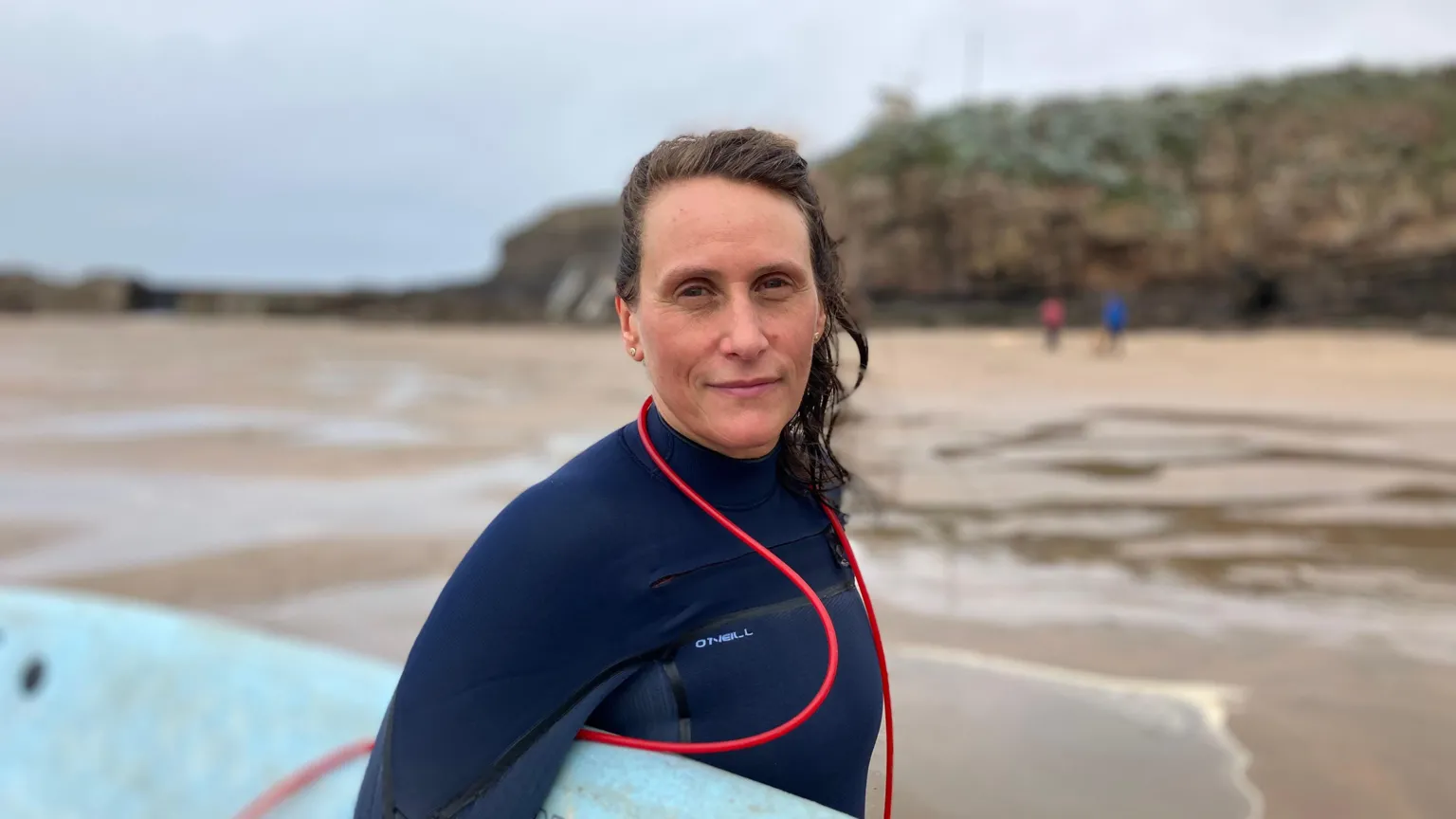
"It makes me really angry," said surfer Deborah Cadby from Bude, Cornwall.
"The water should be clean, so we don't have to worry about getting ill. It's not good enough."
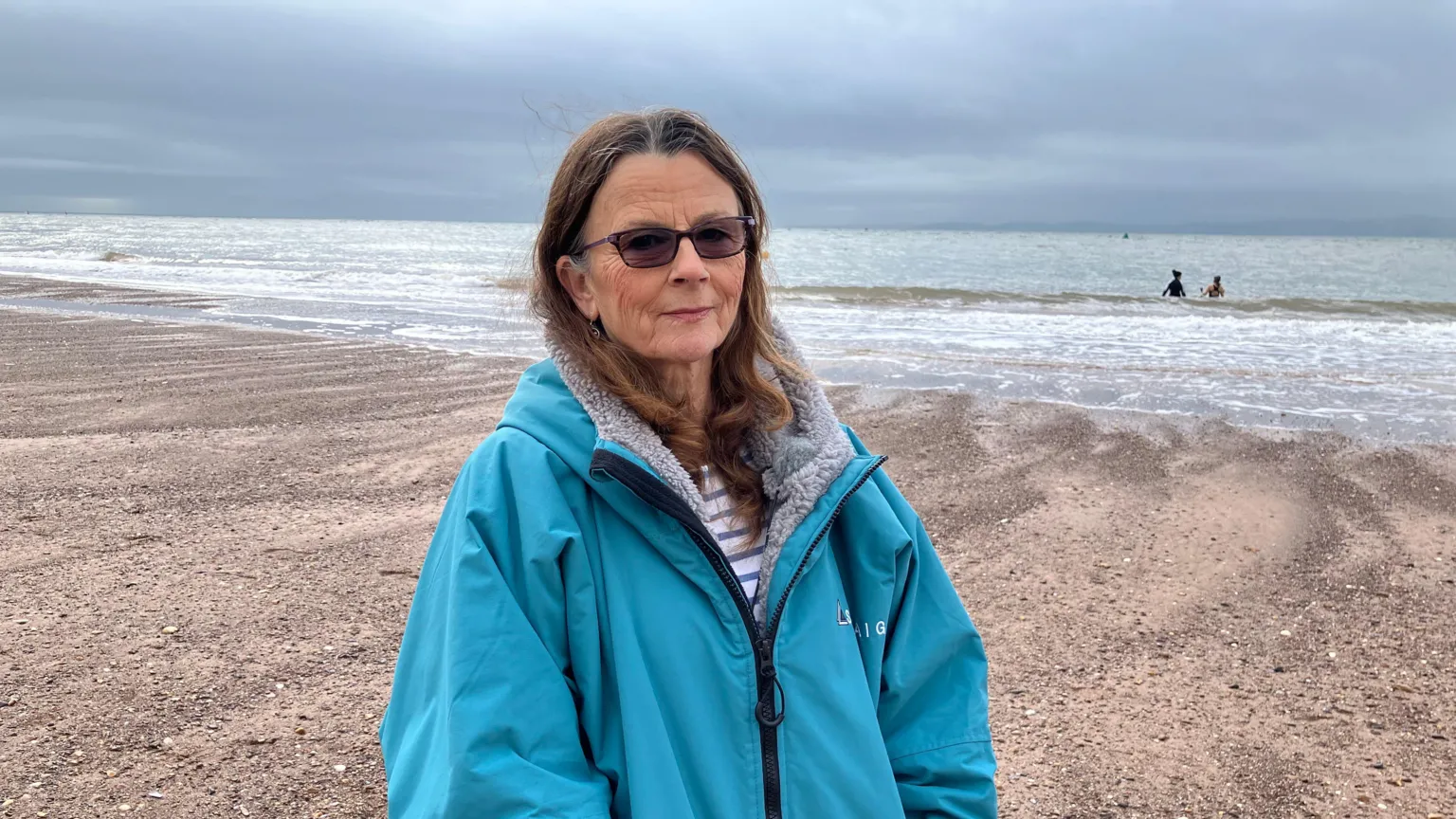
Jo Bateman from Exmouth is pursuing legal action against South West Water concerning sea pollution.
"I don't see it getting any better," she said.
"It just goes on and on, getting worse and worse, with people get angrier and angrier."
There is also a group legal action underway against South West Water, with lawyers asserting that the company's failings are "wide and entrenched in many coastal towns across the Devon and Cornwall region."

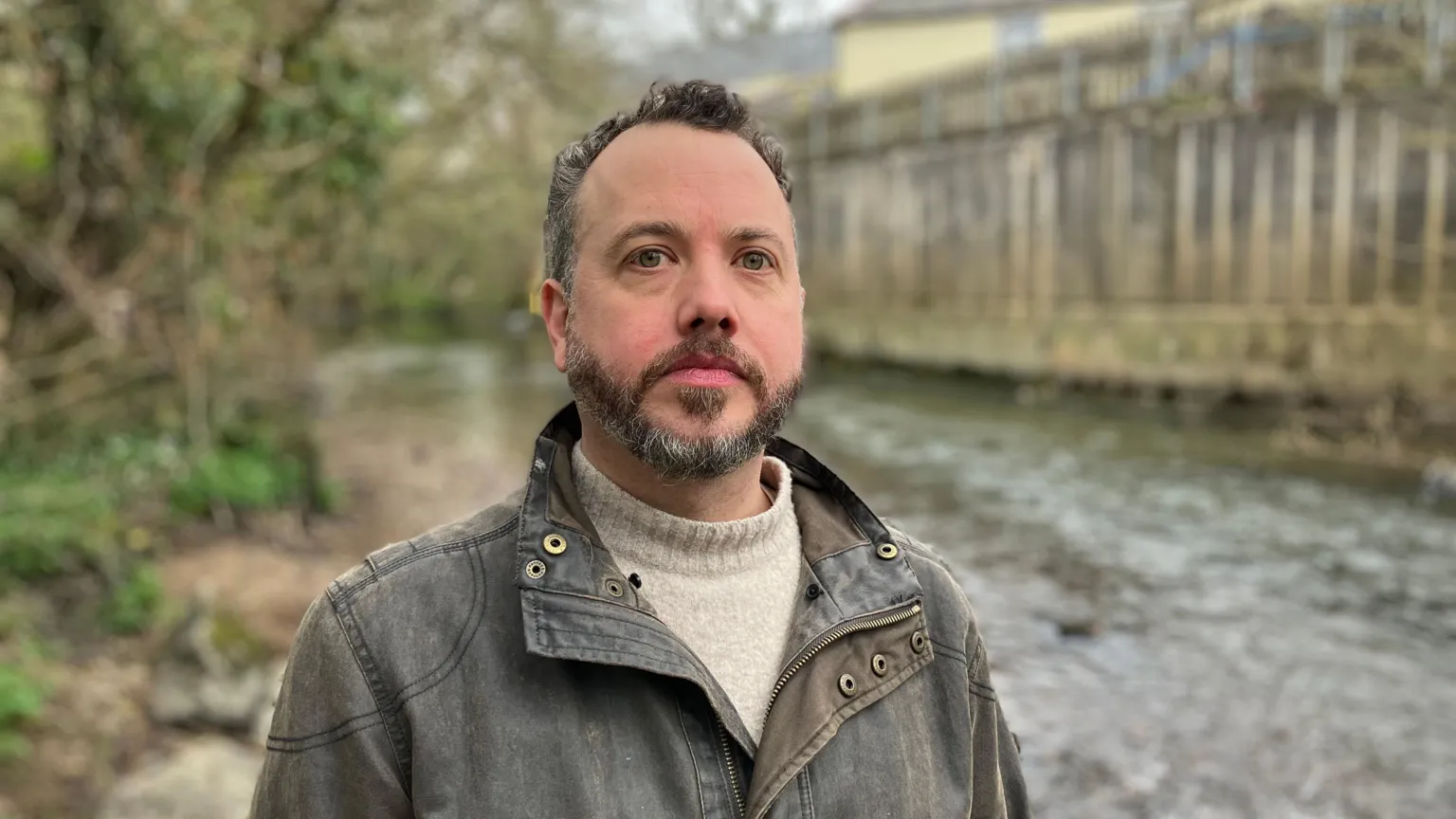
Richard Burrow, from Hatherleigh in Devon, expressed shock and horror at the number of spills into the River Lew, which flows through the west Devon town.
"I was shocked and horrified by the number of spills into the River Lew," said Burrow.
"These discharges are obviously a result of a lack of investment in the sewage treatment infrastructure."
South West Water reported completing a tank upgrade at Hatherleigh's Sewage Treatment Works in 2023 and lining 350 meters of sewer in 2024.
The new chief executive officer of South West Water and its parent company, Pennon Group, is expected to begin on 1 April 2026.
Richard Price, managing director of wastewater services at South West Water, stated that the company continued to reduce storm overflow use despite south-west England experiencing 62% more rainfall than the rest of England in 2025.
"Against that backdrop, we have reduced spills by 17% in the last year and spill duration is down by 25%."
He added that the company prioritizes beaches during the bathing season and targets the highest spilling sites.
"We have reduced by 50% the number of sites that spill more than 100 times per year, and our top five spilling sites have reduced spills by 50% following targeted interventions."
"Since last year, more than 8,300 spills have been prevented as a direct result of investment and operational improvements.
"This forms part of our 15-year plan, backed by around £760 million of investment to 2030."
Regulatory and Government Responses
Environment Agency chairman Alan Lovell described the year-on-year reduction of sewage overspills in England as a "clear win for people and the environment," while emphasizing the need for continued improvements.
"It is vital that improvements to the sewage system are sustained over the long term, and the Environment Agency will continue to hold water companies to account where performance falls short," he said.
The government's water minister, Emma Hardy, acknowledged that although the number of spills across England has declined, the levels remain "unacceptable."
"That's why this government is taking action," she said.
"We've banned unfair bonuses, ring-fenced a record level of investment and introduced landmark legislation to hold water companies to account – including jail time for water company executives who obstruct investigations."
Follow BBC Cornwall on X, Facebook, and Instagram. Send story ideas to spotlight@bbc.co.uk.


