

Social Media Executives Deny Platforms Are Inherently Addictive to Children
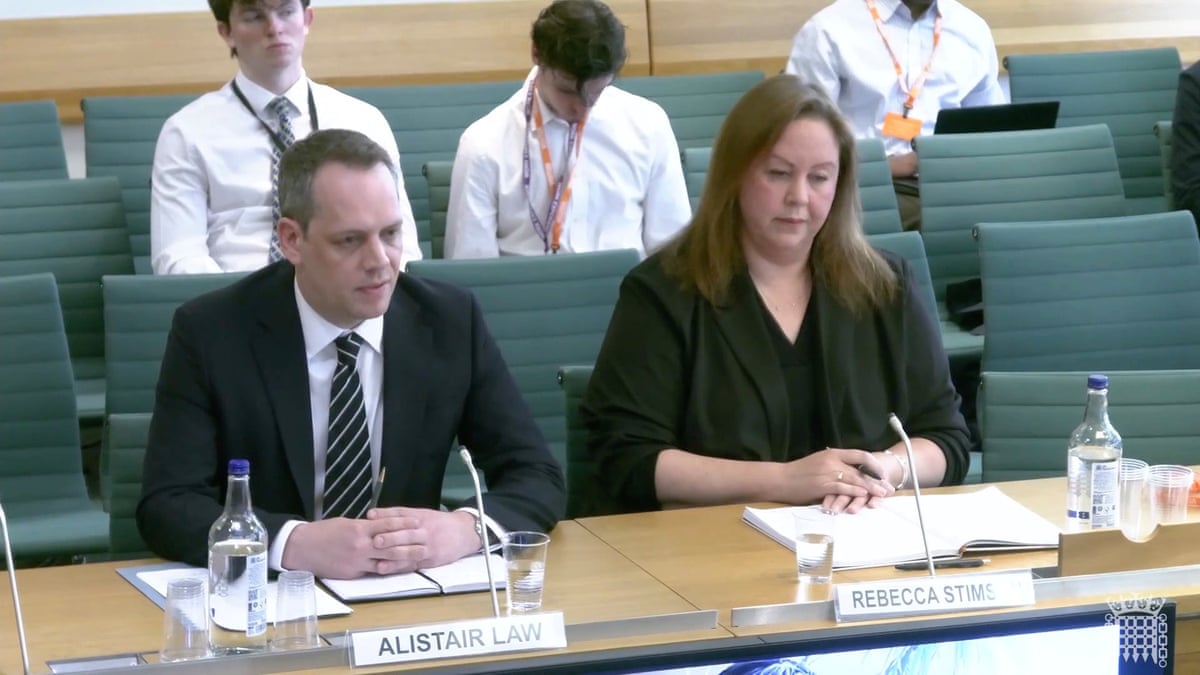
UK representatives from Meta, Roblox, and TikTok appeared before MPs in Westminster to address concerns about the impact of social media and screen time on children and young people. During a rigorous session with the cross-party education select committee, the executives denied that their platforms are inherently addictive.
A fourth executive from Snapchat was expected to attend the hearing on Tuesday but canceled at short notice, prompting a stern response from the committee chair, Helen Hayes. She cautioned that the committee would exercise its powers to summon a witness if Snapchat did not cooperate and attend a meeting scheduled for the following week.
“Due to unforeseen circumstances we were unable to attend today’s meeting. As we’ve been discussing directly with parliamentary authorities, we are fully committed and engaged in this process and look forward to a productive discussion next week.”said a Snapchat spokesperson.
The three executives who provided evidence maintained that their platforms were not designed to be addictive and asserted there was no evidence that they are "addictive by nature." They also expressed skepticism about the feasibility of enforcing a social media ban for under-16s, a measure supported by many parents.
The UK government is currently consulting on whether to implement restrictions similar to those in Australia, which would make it illegal for under-16s to access many social media sites. Other potential regulatory measures are also under consideration.
Rebecca Stimson, Meta’s UK director of public policy, referenced the Australian experience, stating that the ban there was neither enforceable nor effective.
“We don’t think it’s something that’s actually possible in practice,”she said, noting that most children in Australia are reportedly using social media despite the ban.
The executives’ testimony in Westminster followed a recent trial in Los Angeles where Meta and YouTube were found liable for designing addictive products that harmed a young user. Both companies have announced plans to appeal the decision.
Stimson told MPs:
“We don’t design Instagram or Facebook to be addictive.”However, she acknowledged that
“there can be risks of people misusing the platform and poor behaviours.”She added that tools have been developed to restrict teen activities and empower parents to intervene.
Laura Higgins, senior director of community safety and civility at Roblox, stated:
“There’s no evidence directly that says games are addictive by nature. Anything that is consumed excessively is harmful, so we would discourage that.”
Alistair Law, TikTok’s director of public policy for Northern Europe, remarked:
“I don’t think there’s been a clinical finding of addictiveness on this. That does not mean we don’t recognise a responsibility to drive healthy use.”
Hayes, who earlier questioned Law about a police investigation into children being groomed on TikTok, commented that parents would likely find the executives’ denials of social media addiction unconvincing.
The Liberal Democrat MP Caroline Voaden, a committee member, said after the hearing:
“It is absolutely galling for social media giants to say their platforms are not addictive.
Parents, experts, whistleblowers, even users, are all aware of the dangers posed by social media. The platforms are the only ones still in denial, spouting claims which have zero credibility.
Today’s session reaffirmed that we cannot wait for platforms to do the right thing. The government must step in and adopt the Liberal Democrat proposal to introduce a film-style age rating for social media, which protects children from harm while letting them experience the best bits of the online world.”
Contacting Securely
emphasizes the importance of first-hand accounts from knowledgeable sources for public interest journalism. Individuals wishing to share information on this topic can contact confidentially through several secure methods.
app includes a tool for sending tips about stories. Messages are end-to-end encrypted and concealed within the app’s routine activity, preventing observers from detecting the communication or its content.
For those without the app, it can be downloaded on iOS or Android devices. Users should access the menu and select ‘Secure Messaging’ to send encrypted tips.
Additional secure contact options and guidance on their advantages and disadvantages are available at the.com/tips.


