

Supermarket Food Price Cap to Aid Cost of Living
The price of "essential" supermarket groceries will be legally capped to assist consumers facing the rising cost of living, First Minister John Swinney has pledged.
Announcing the Scottish National Party's (SNP) Holyrood election manifesto, Swinney stated he would utilize devolved powers to require supermarkets to limit the prices of items such as bread, milk, cheese, and other staples.
He also revealed plans to simplify the income tax system, implement a nationwide £2 bus fare cap, and provide additional funded childcare.
At a manifesto launch event in Glasgow, Swinney urged voters to grant his party a majority to advance a second independence referendum.
Alongside independence, the SNP's primary priorities include enhancing access to general practitioners (GPs), reducing NHS waiting lists, eradicating child poverty, addressing the climate crisis, and introducing a cost-of-living package described as "unrivalled" elsewhere in the UK.
Swinney, who has served as first minister for nearly two years, remarked that he was "just getting started".
He characterized the 7 May election as a referendum on independence, lowering energy bills, and enabling Scotland to rejoin the European Union.
Details of the Food Price Cap
The food price cap is intended as both a cost-of-living and public health measure.
Concerns over the cost of living have intensified due to the war in Iran, which has contributed to increases in food and fuel prices.
The first minister explained that the cap would apply to "everyday items that make up a decent diet," including bread, milk, cheese, eggs, rice, and chicken in large supermarkets.
The SNP manifesto specifies that the prices of between 20 and 50 items would be limited.
Supermarkets would be required to cap the cost of at least one variation of each listed item, such as a particular brand of bread, but would not be obligated to cap prices across all brands of that item.
"People are, quite simply, struggling to afford food," Swinney said at the event. "In a rich country like Scotland, that is a moral outrage."
It remains unclear exactly how the price cap would be implemented under devolved government powers, with Swinney indicating he would invoke public health legislation.

Economic and Taxation Policies
Swinney also emphasized that the SNP would prioritize economic growth, employment, and prosperity in their policies.
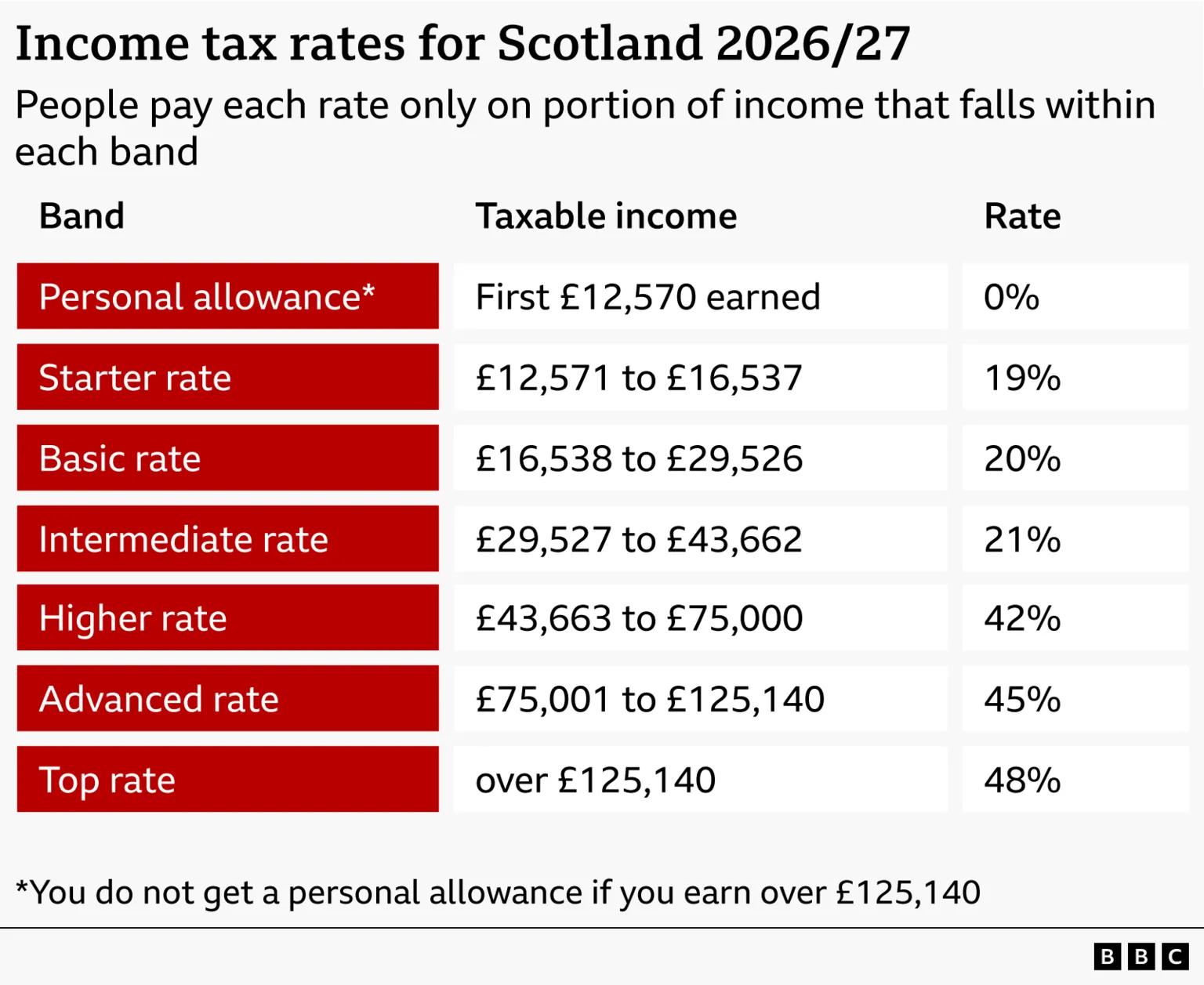
Under SNP governance, the Scottish government has established a distinct income tax system with six bands, compared to the UK's three.
Lower earners in Scotland pay slightly less tax than counterparts elsewhere in the UK, while middle and higher earners pay significantly more.
Swinney pledged that the party would ensure a majority of Scots pay less income tax than they would elsewhere in the UK.
The manifesto commits to no increases in income tax rates over the next five years and no introduction of new tax bands. Instead, the SNP aims to simplify the system by the end of the parliamentary term, focusing on benefits for low and middle-income earners.
When asked if this would involve reducing the number of tax bands, Swinney did not provide specifics but affirmed the intention to maintain Scotland's tax regime as the "most progressive" in the UK.
Healthcare Initiatives
On healthcare, Swinney outlined a three-point plan to "make our NHS fit for the future," focusing on "investment, protection and renewal."
He committed to reducing waiting lists, ensuring any increases in health spending allocated by the Treasury are passed on to NHS Scotland, and expanding walk-in GP clinics to alleviate the "8am rush" for appointments.
The SNP announced in the previous year the opening of 16 GP walk-in clinics, with the first centre launched in Wester Hailes, Edinburgh, earlier in 2024.
However, the Royal College of General Practitioners Scotland expressed skepticism regarding whether the initiative would achieve its target of delivering over one million additional GP and nurse appointments.
Long waits exceeding one year for planned hospital appointments or procedures in Scotland have decreased since July, but the Scottish government missed its target to eliminate such waits by the end of March, with over 44,000 cases still recorded.
Since the pandemic, NHS Scotland has consistently failed to meet its key accident and emergency target, which requires 95% of patients to be seen, admitted, transferred, or discharged within four hours of arrival.
Independence Referendum Prospects
Swinney stated that a second independence referendum could be held as early as 2028, describing this as a "very realistic" prospect if the SNP secures a majority of seats at Holyrood in the upcoming election.
A second referendum would require approval from the UK government. However, Prime Minister Sir Keir Starmer has expressed that he cannot envision another vote occurring during his tenure.
On Sunday, UK Health Secretary Wes Streeting told LBC regarding a second referendum:
"We're not having one,"adding that the country "has had enough of chaos."
Swinney did not elaborate on strategies to bring the UK government to the negotiating table, while Labour ministers have yet to clarify Scotland's democratic path to a referendum.
Other Manifesto Commitments
Additional key measures included in the SNP manifesto are:
[Further manifesto details would be listed here if provided]


