Sir Keir Starmer’s Advantage Over Predecessors in Northern Ireland
Regarding Northern Ireland, Sir Keir Starmer benefited from a significant advantage that his four immediate predecessors did not have: he did not need to spend time reviving Stormont from one of its frequent suspensions.
By the time Starmer assumed office, Stormont had already resumed functioning following the Democratic Unionist Party's (DUP) boycott over the Northern Ireland Protocol. It remained operational until his eventual departure.
This situation eliminated the necessity for trips to Belfast to mediate political deadlocks, a task that many Conservative prime ministers—Theresa May, Boris Johnson, Liz Truss, and Rishi Sunak—had rarely prioritized.
At the 2023 Labour Conference, then Shadow Northern Ireland Secretary Hilary Benn criticized Rishi Sunak, stating:
"Where is he? If Keir Starmer was prime minister he'd be there working hard to find a way forward."
A 'Lasting Love' for Northern Ireland
Starmer’s familiarity with Northern Ireland dates back to 2003–2008, when he served as a human rights adviser to the Northern Ireland Policing Board. He described this experience as fostering a "lasting love of Northern Ireland."
Once in office, with no immediate crisis over the future of devolution, Starmer focused on rebuilding relations with the Irish government. These relations had deteriorated due to Brexit and the Conservative government's controversial Legacy Act, which offered conditional immunity for Troubles-related crimes.
From the Irish perspective, Starmer had two appealing attributes: as a Labour politician, he was not associated with Brexit, and he was not a member of the Conservative Party.
Before becoming prime minister, Starmer had already pledged to repeal the legacy legislation after being confronted by an audience member during an event at Queen's University, Belfast.
After assuming office, Labour took time to deliver on this promise until a viable alternative was developed.
The government eventually introduced new legislation establishing a Legacy Commission, derived from the Independent Commission for Reconciliation and Information Recovery (ICRIR). This commission would have independent oversight and include a dedicated unit from An Garda Síochána, the Irish police force.

However, a set of so-called "protections" for British Army veterans sparked unease among nationalists and the Irish government. As of the time of writing, these concerns remain unresolved.
Meanwhile, the Irish government has not withdrawn its interstate legal case against the United Kingdom at the European Court of Human Rights.
Resetting Relations Between London and Dublin
Despite ongoing tensions, the Starmer administration has been credited with a notable "reset" in relations between London and Dublin.
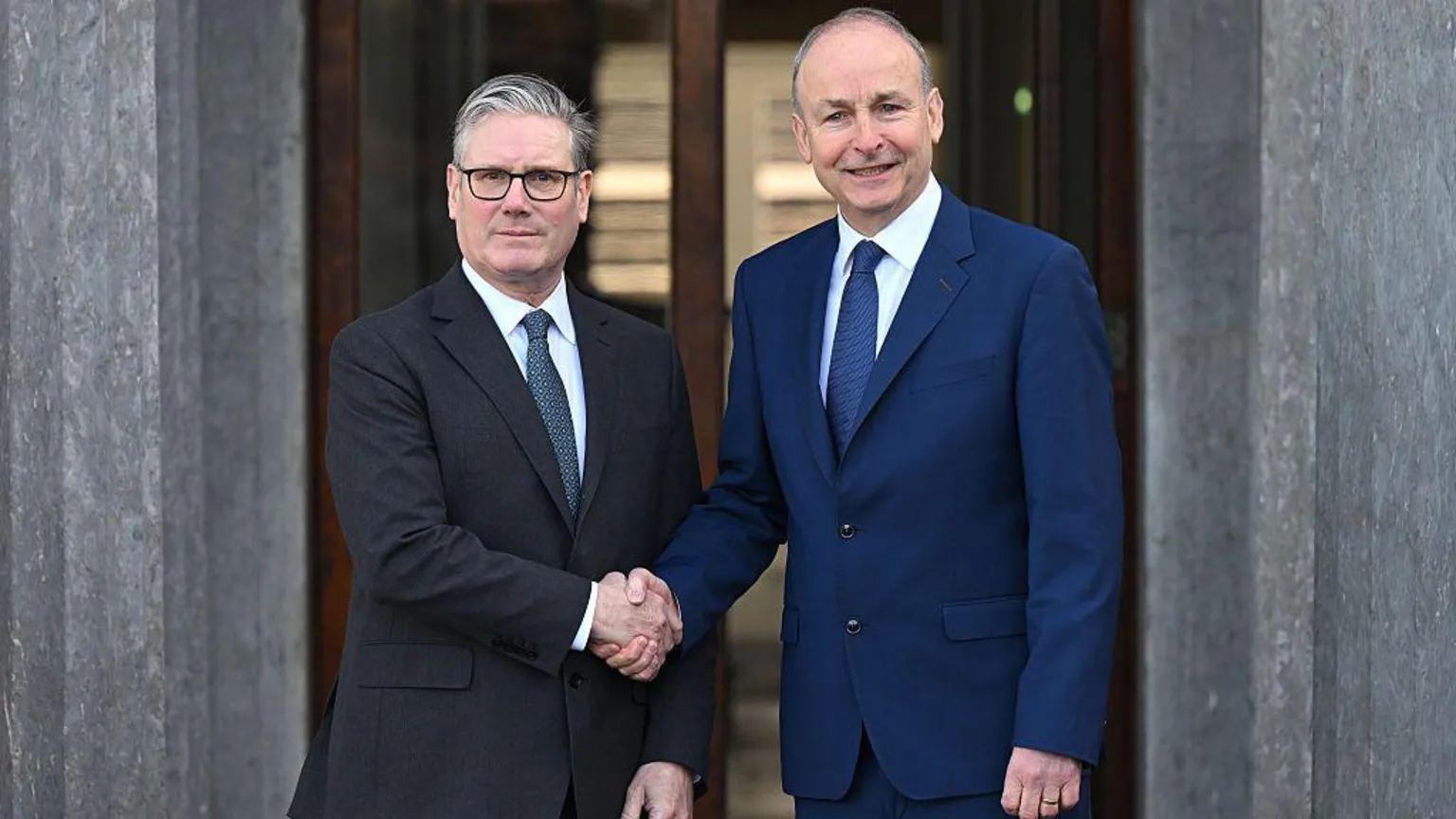
In March 2025, the first of what was intended to be an annual summit took place. During this event, Sir Keir stated that the two countries had "turned a page on the turbulent years" in their relationship.
The Taoiseach (Irish Prime Minister), Micheál Martin, expressed appreciation for Starmer's "pro-activity" in improving relations after years of difficulties with the Conservative government over Brexit.
Regarding a potential border poll in 2021, Starmer told Northern Ireland that he would campaign for Northern Ireland to remain part of the United Kingdom if a vote on Irish reunification occurred during his lifetime.
His remarks were criticized by his predecessor, Jeremy Corbyn.
Later, Starmer ruled out calling such a poll if he became prime minister, telling BBC NI:
"I don't think we're anywhere near that kind of question. It's absolutely hypothetical. It's not even on the horizon."
This stance was never tested during his tenure.
Starmer’s Downfall and Northern Ireland’s Role
Ultimately, Starmer’s removal from office was unrelated to Northern Ireland’s future.
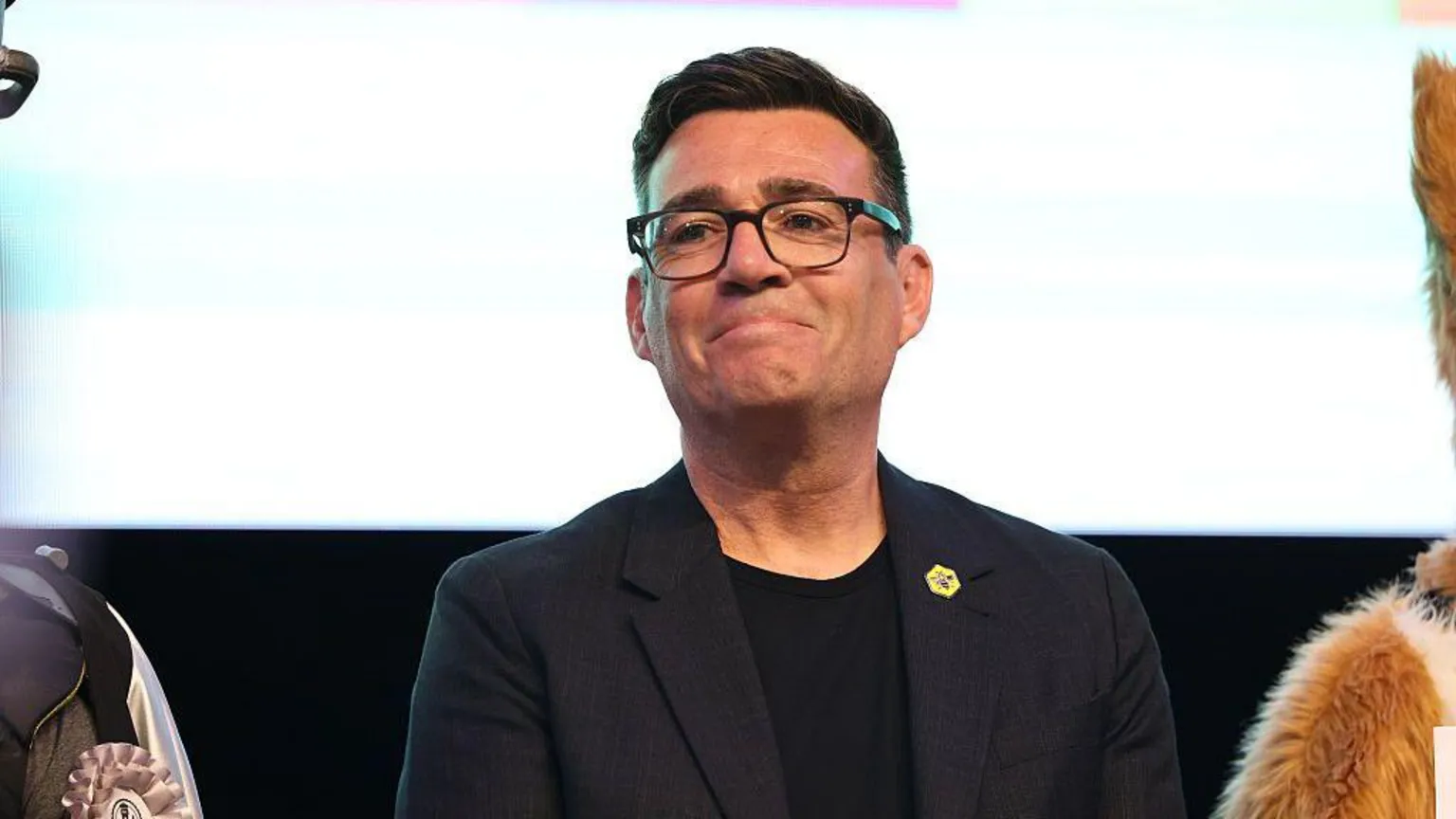
Instead, it was linked to his waning influence following Andy Burnham’s election to Westminster.