

Weeks of disruption for passengers on one of UK's busiest rail lines
Passengers travelling on one of the busiest rail lines in the UK are facing several weeks of disruption as engineers undertake the replacement of overhead power lines that corrode faster than any other part of the rail network.
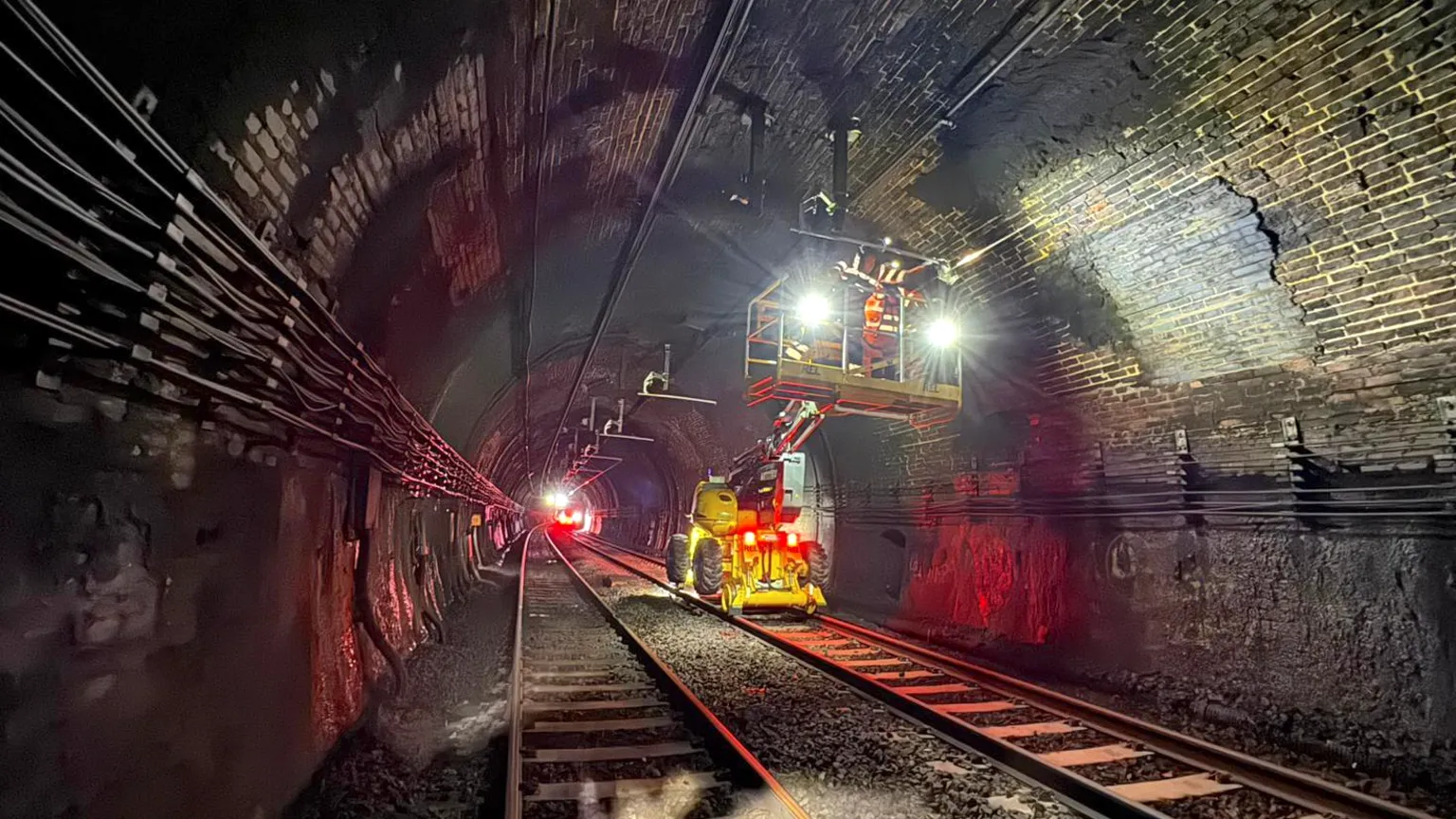
The Severn Tunnel, which links south Wales with London and Bristol, will be closed for 16 days starting Saturday to allow workers to install a pioneering copper power line inside what was once the world's oldest underwater rail tunnel.
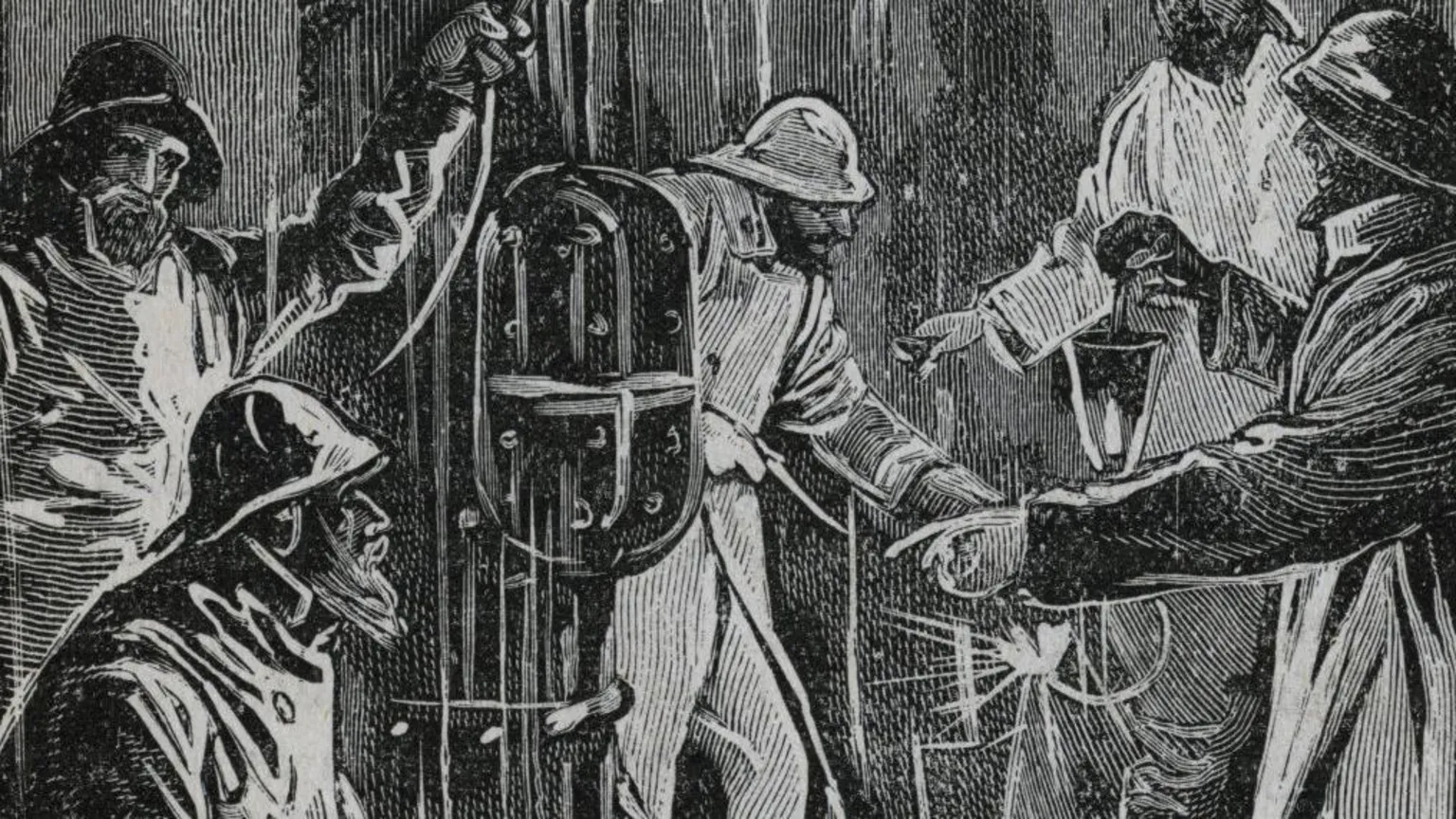
Saltwater from the River Severn continuously seeps through the tunnel’s thick walls, requiring the pumping of water equivalent to 20 Olympic-sized swimming pools daily from the 140-year-old structure.
Direct Great Western Railway (GWR) services between London and south Wales will operate on a revised timetable with longer journey times, and some train services will be replaced by buses.
Passengers have been
"strongly advised"to verify their train schedules and allow additional travel time between south Wales and southern England during the closure period from 23 May to 8 June.
In addition to the tunnel work, Network Rail will carry out track upgrades around Bristol in preparation for the MetroWest project, including the opening of a new station on the former Filton airfield site later this year.
Why is the Severn Tunnel closed?
The £23 million electrification upgrade project aims to enhance train reliability and reduce the frequency of power failures and maintenance-related closures within the Severn Tunnel.
Approximately 200 trains pass through the 4.5-mile (7.2 km) tunnel daily.
Since its opening in 1886, the tunnel has only been closed for an extended period once before—ten years ago—when electric wires were installed as part of the £2.8 billion South Wales main line electrification project.
Network Rail describes the Victorian tunnel as one of the most hostile environments on the UK rail network, where moisture, dripping saltwater, and diesel soot accelerate equipment wear.
Although electric wires were installed in 2019, trains were not powered by electricity inside the tunnel until June 2020 due to issues with the overhead lines.
Since then, the tunnel’s overhead power system has experienced corrosion and electrical wear, necessitating more frequent maintenance.
Engineers have spent years designing a bespoke, world-first fixed copper contact wire power supply to replace the standard overhead equipment inside the tunnel.
Network Rail stated that the new system
"eradicates the failure mechanisms of the past by providing complete separation of bimetallic elements and using a copper contact wire which improves current collection"from overhead wires by trains.

Ben Perkins of Network Rail explained,
"If you look at the track, you'd expect it to last about 25 years outside the tunnel but within the tunnel because of the corrosive environment, it's around 10 years."
He added,
"You can apply that logic to the overhead systems, it's a much shorter lifespan inside the tunnel hence the requirement for looking at a more resilient, higher-performing design."
Perkins further noted,
"The Severn Tunnel is the heartbeat of this main line, it's important in connecting communities on each side of the Severn so it's very important that it's operational and reliable."
How long is the Severn Tunnel closed for?
Network Rail selected the quietest possible period for the closure, avoiding major sports events in south Wales and large summer music concerts in Cardiff.
Instead of multiple weekend closures, engineers opted for a single, longer shutdown, which is more cost-effective and time-saving in the long term.
Marcus Deegan of GWR said,
"We know that bus replacement services are a significant ask of passengers and we're genuinely grateful for their patience while this vital work is completed."
Why are railway lines around Bristol shut?
Alongside the tunnel closure, Network Rail will perform track and infrastructure upgrades and drainage works in the Bristol and Patchway areas.
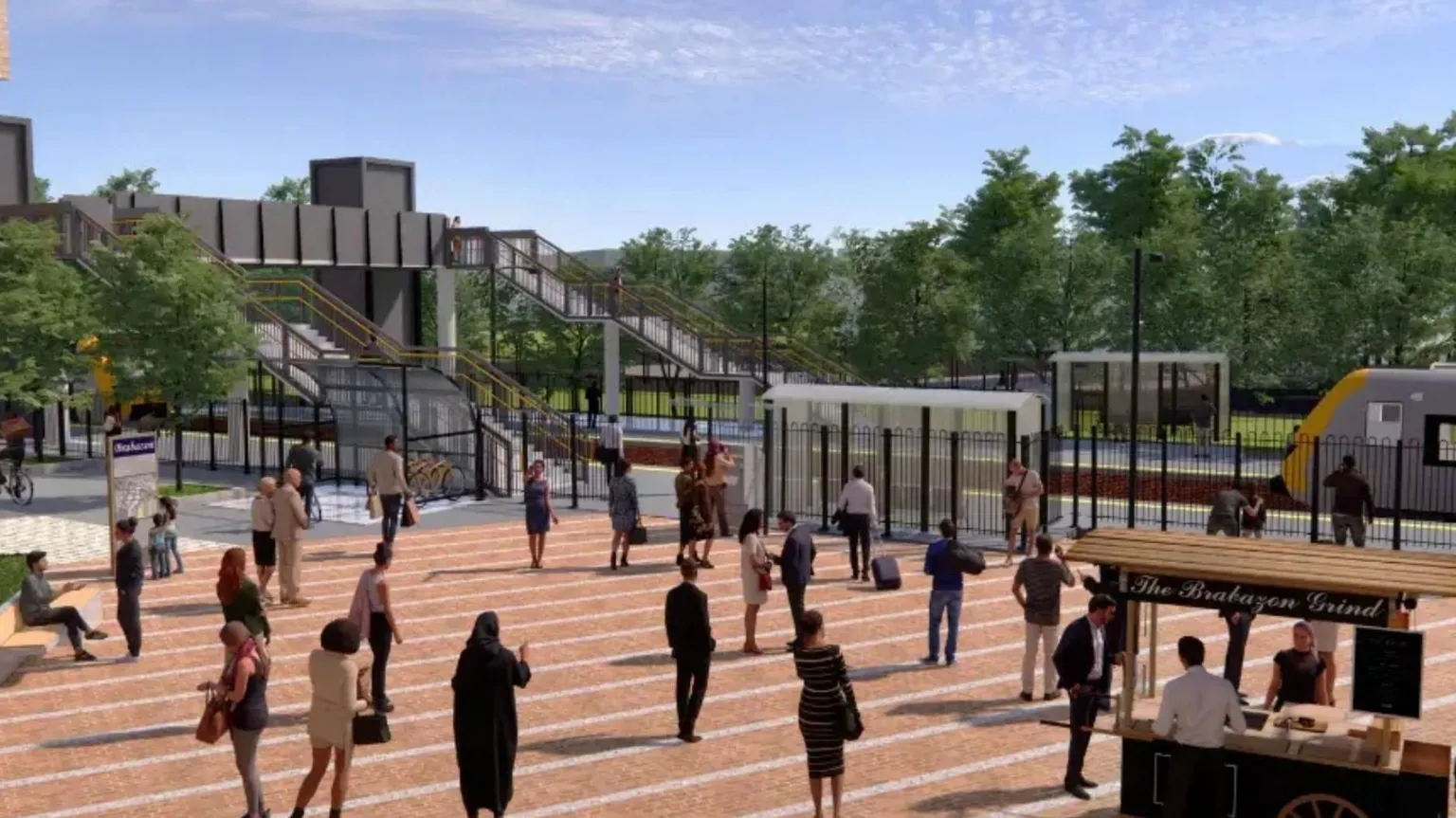
This work will enable passenger services to resume on the old Henbury line for the first time since 1964 and connect the new Bristol Brabazon station—previously known as North Filton—to the rest of Bristol.
The new station, located on the former Filton airfield site, will serve the forthcoming Aviva Arena, expected to open in 2028, as well as a nearby conference centre, a 15-acre park, schools, leisure facilities, and 6,500 homes.
Nia Watkins of Network Rail stated,
"We're renewing track that will bring passenger services back to the Henbury and Portishead lines for the first time in over 60 years, supporting local communities and economic growth."
Rail operators have urged passengers to check travel information and allow extra time, as all services between south Wales and southern England will be affected until 9 June.
Some direct trains between south Wales and London will continue to run but will take approximately 45 minutes longer, travelling via Gloucester, except on Sunday 24 May.
Replacement bus services will operate between Newport and Bristol Parkway, while a reduced GWR service will run between London Paddington and Bristol Parkway.
For detailed information, passengers are advised to consult the GWR website.
CrossCountry and Transport for Wales services between Cheltenham Spa or Gloucester and south Wales will not be affected.


