

MSPs to Decide on Voter Recall Powers
Members of the Scottish Parliament (MSPs) are set to determine whether voters should be granted the authority to remove them from office before the end of their term.
Currently, MSPs automatically forfeit their seat if they receive a custodial sentence of 12 months or more. However, unlike the UK Parliament at Westminster, where Members of Parliament (MPs) can be removed by local constituents through a recall process, the Scottish Parliament lacks such a mechanism.
Under a members' bill introduced by Graham Simpson of the Reform Party, MSPs could be subject to recall if they are suspended from Holyrood for a minimum of 10 sitting days or sentenced to less than one year in prison.
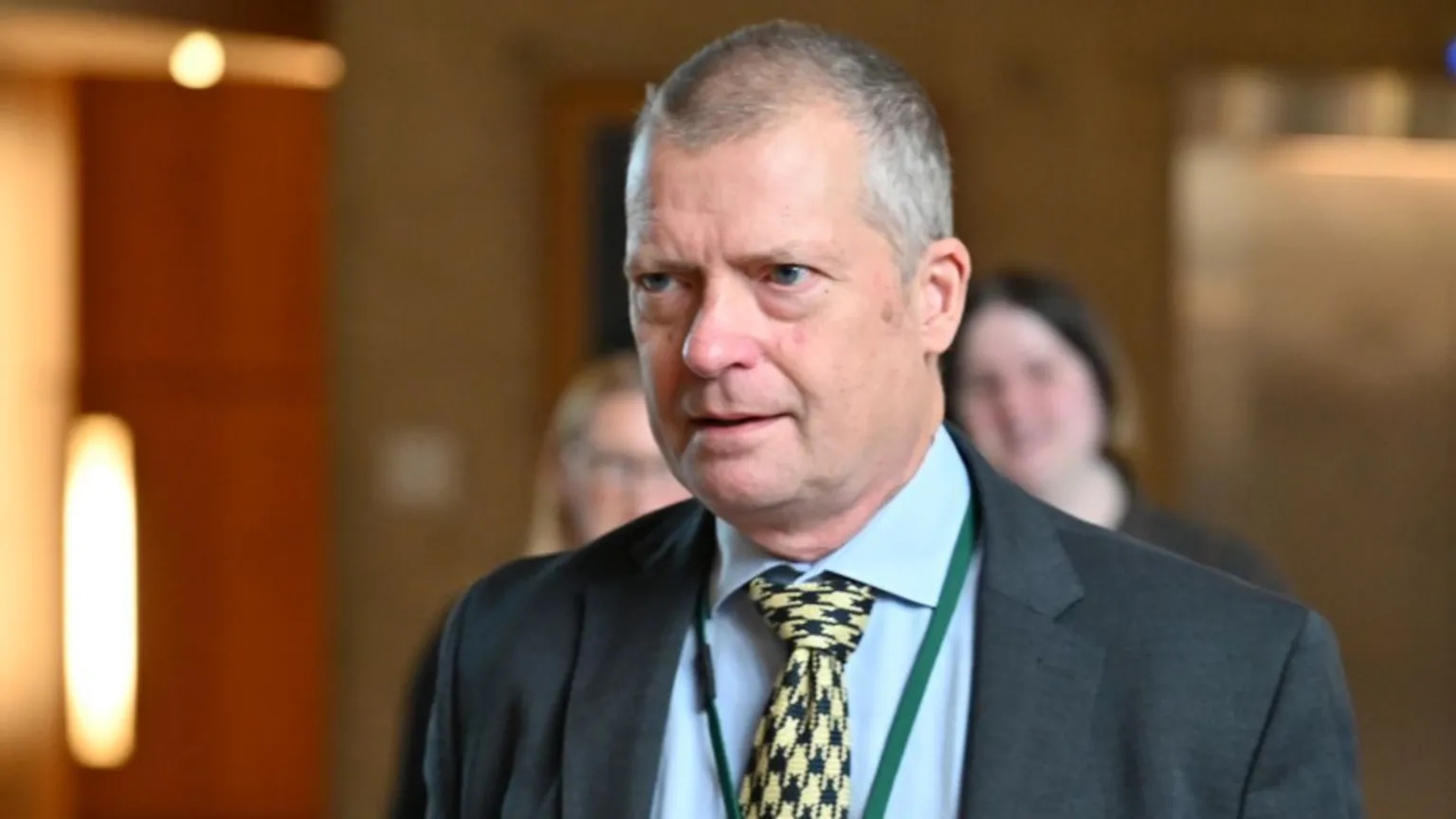
The Scottish Parliament (Recall and Removal of Members) Bill has successfully passed a stage one vote concerning its general principles. Despite this, MSPs have expressed concerns regarding the practical implementation of the proposals. A final vote on the bill is scheduled for 18:00.
How Would the Recall Process Work?
For constituency MSPs to be recalled, a petition must be supported by 10% of eligible voters within their constituency, reflecting the process used at Westminster.
In the case of regional MSPs, they would lose their seat if a majority of eligible voters in their region vote in favor of recall.
Following a successful recall, the vacated seat would be filled by the next candidate on the party's list from the previous election. If the MSP is an independent, the seat would remain vacant until the next scheduled election.

Initially, the bill proposed that MSPs sentenced to more than six months in prison would automatically lose their seat, as would those who failed to attend parliament for six months without valid reason. However, both provisions were removed during stage two of the bill's parliamentary process.
At Westminster, constituents can initiate a recall petition to remove their MP if the MP has been sentenced to jail, suspended from the House of Commons, or found to have misled parliament regarding expenses.
This mechanism was notably employed to remove former SNP MP Margaret Ferrier from her Rutherglen constituency after she breached Covid-19 lockdown regulations.
The Welsh government has also introduced legislation to establish a recall system for members of the Senedd.
Context and Background
Calls for a recall mechanism at Holyrood intensified following a controversy involving former health secretary Michael Matheson and an £11,000 data bill incurred on his parliamentary iPad during a family holiday to Morocco.
Matheson initially informed MSPs that the device was used solely for constituency work but later disclosed that his sons had used it to watch football.
He subsequently resigned from government and issued an apology to parliament. Matheson received a record suspension from Holyrood of 27 sitting days, during which his salary was withheld for 54 days.


