

Scotland's Growing Wildfire Threat
Scotland is confronting a significant and increasing threat from wildfires, according to warnings issued by the Scottish government.
A newly launched strategy aims to address this issue ahead of the peak wildfire season, which spans the busiest three months for such incidents.
The Scottish Fire and Rescue Service (SFRS) has procured new equipment and is expanding a program that involves volunteers and local community resources to assist in wildfire response efforts.
Agriculture Minister Jim Fairlie expressed support for the strategy, emphasizing the role of individuals in wildfire prevention.
"Each of us has a part to play in preventing wildfires," Fairlie stated.
"Last year's wildfires were a warning that we must be prepared for this to be a more regular occurrence as a result of climate change.
The strategic plan will improve co-ordination between the SFRS and other responders during wildfires and includes the development of incident response plans to strengthen the protection of responders, rural communities, and the natural environment during periods of heightened wildfire activity."
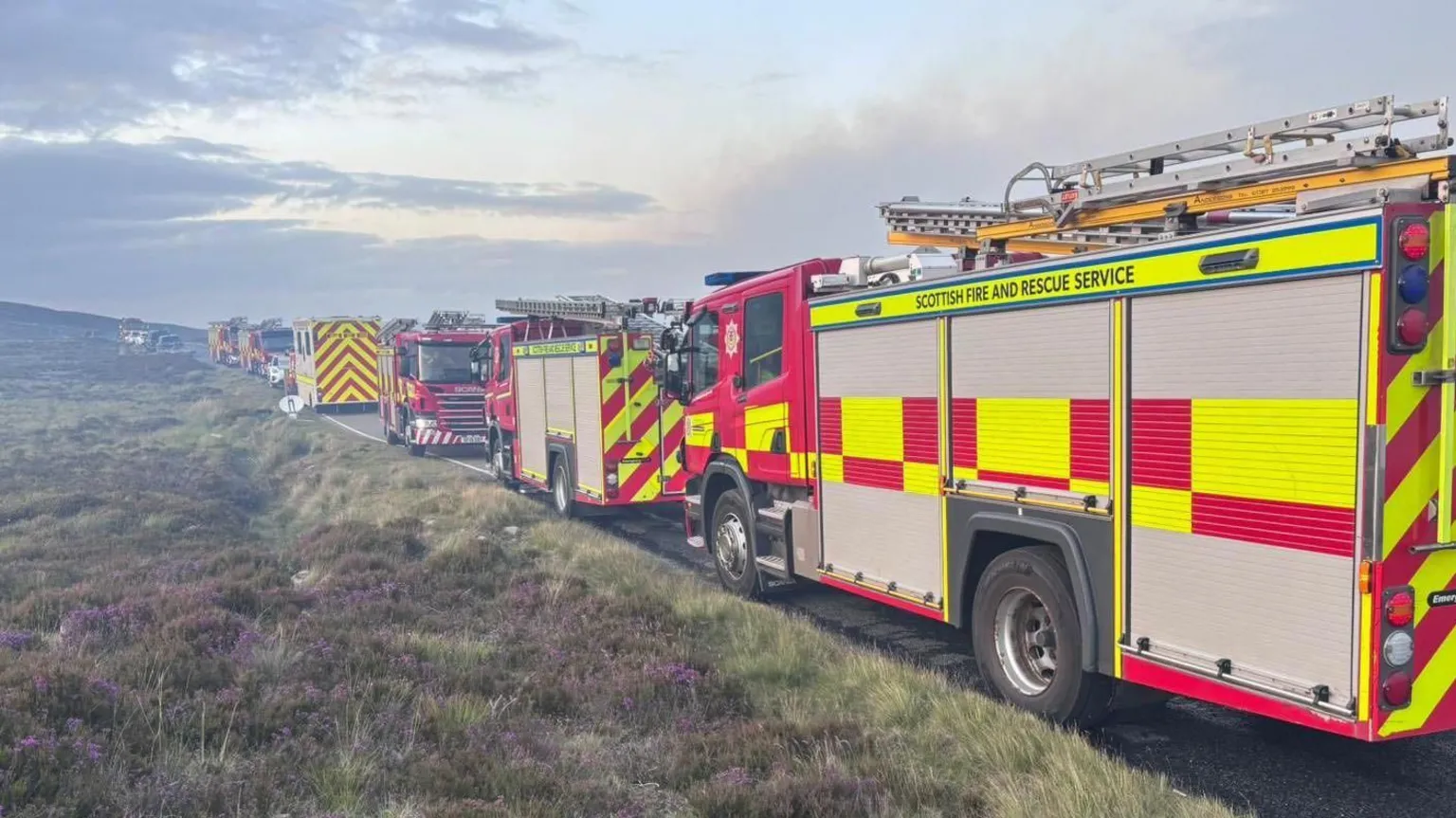
The Damage Caused by Previous Wildfires in Scotland
The SFRS operates over 30 fire stations equipped with specialized wildfire resources and employs several wildfire tactical advisers who provide on-scene support during incidents.
Kenny Barbour, deputy assistant chief officer of the SFRS, highlighted the escalating threat wildfires pose to Scotland's rural areas and natural habitats.
"Wildfires continue to pose an increasing threat to Scotland's rural communities and natural environment.
We welcome the strategic action plan, which is an essential step in ensuring our firefighters, land managers, public bodies and partners can enhance their collective response to wildfires."
"It is vital for everyone to play their part in protecting Scotland's natural environment with responsible outdoor behaviour.
Never assume a small fire, like a campfire, is safe and harmless. The smallest spark or ember in dry conditions can quickly lead to wildfire destroying large parts of the countryside."
Why Are Wildfires Increasing in Scotland?
Although some Scottish hills still retain snow, the wildfire season has commenced.
Data from the SFRS indicates that since 2010, 80% of recorded large outdoor fires occurred between March and May.
This period is critical because dead vegetation remaining from winter acts as fuel, temperatures rise, and more people spend time outdoors.
Climate change also plays a significant role, with warmer, drier summers and milder, wetter winters contributing to conditions favorable for wildfires.

While wildfire numbers have fluctuated, 2025 marked the worst year on record with 239 wildfires. Firefighters have identified moorland and forest fires as among the greatest risks to rural Scottish communities.
This threat is particularly acute in northern Scotland, where 57% of all wildfires were recorded last year.
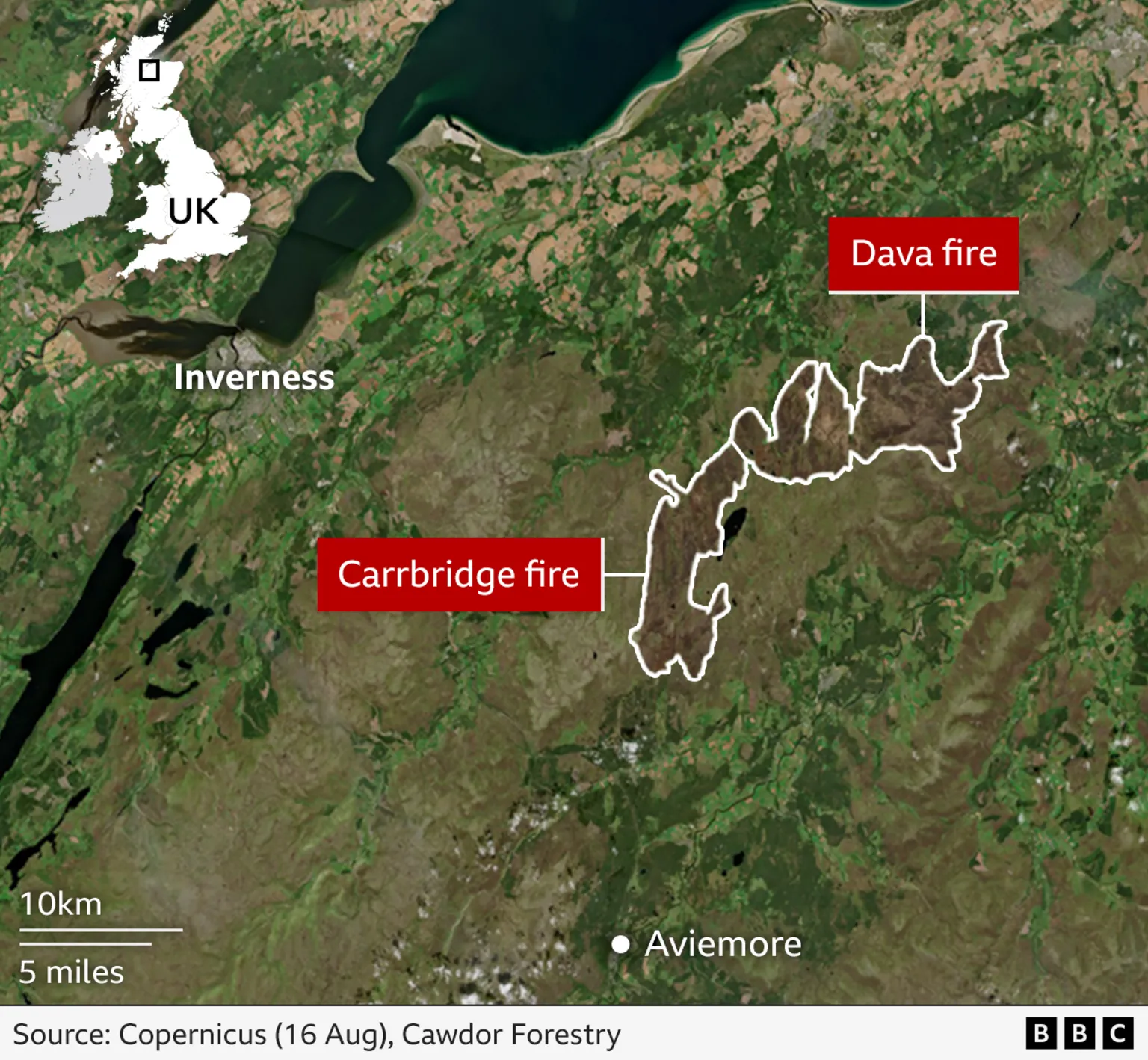
The extensive fires that burned moorland at Carrbridge and Dava in the Highlands last summer, the largest on record, are included in these statistics.
According to estimates by Scottish Land and Estates, these fires affected 29,225 acres (11,827 hectares), an area nearly 30 times the size of Lanarkshire's Strathclyde Park.
Experts estimate that thousands of animals and wildlife perished in the flames, including curlew, grouse chicks, and hares.
The SFRS defines wildfires as large, uncontrolled outdoor fires exceeding 1,000 square meters of burned area.
Data released to the BBC shows that last year, 120 wildfires burned areas between 1,000 and 5,000 square meters, 46 wildfires affected areas between 5,001 and 10,000 square meters, and 73 wildfires covered areas over 10,001 square meters.
Wildfires can be ignited by natural causes such as lightning, but human activities—including campfires, barbecues, and discarded cigarettes—are common causes.
The SFRS reported that approximately 68% of large outdoor fires between 2010 and 2025 were accidental, with the remainder classified as deliberate.
In 2025, most wildfires (129) lasted between one and six hours, while 22 lasted longer than one day.


