

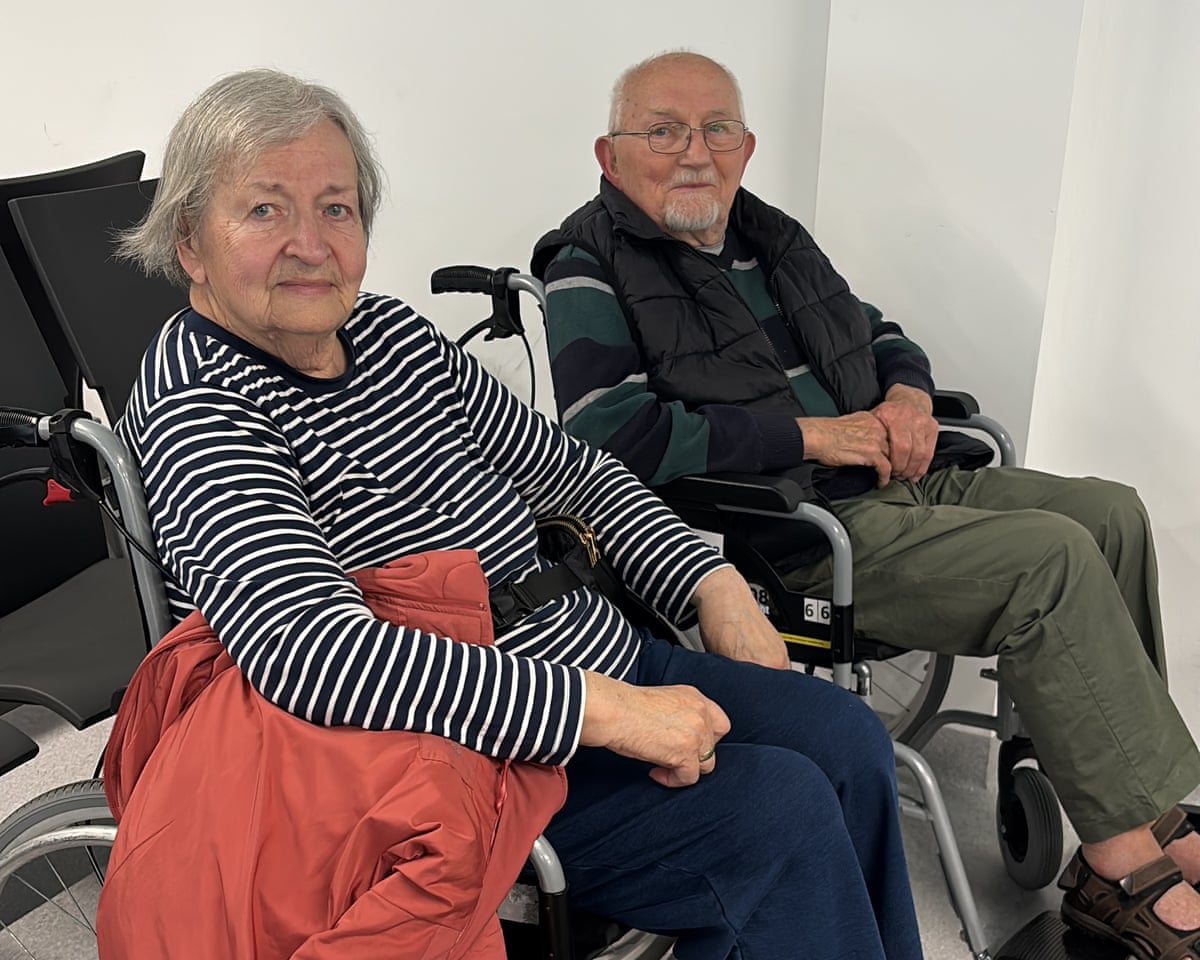
Maria and Czeslaw Krupa, who have lived in the UK for nearly 80 years after arriving as children of displaced Polish service members, were told they could not return to their home in Bury because they did not have the post-Brexit documents now required. The couple, who travelled to Krakow in May to visit surviving family members, said the experience was terrifying after Ryanair refused to let them board their return flight.
Maria Krupa, 85, and her husband, Czeslaw, 92, met in the UK, married and settled in Bury in Greater Manchester. They said they had travelled widely as adults without anyone ever asking about their immigration status, and were shocked to learn they now needed special paperwork to get back into the country where they had lived for almost eight decades.
The couple were issued with “” and had never previously needed documentation to prove their right to live in the UK. Their case has highlighted wider confusion around post-Brexit travel requirements for older residents who came to Britain as refugees or dependants after the war.
Why were they stopped from boarding?
Ryanair said the couple could not board because they had neither proof of the right to live in the UK nor the new Electronic Travel Authorisation now required for foreign tourists entering the UK. They had left for Poland in May to meet surviving relatives, but were unable to fly home when the airline refused to accept their documents.
“It was a big shock,” said Maria. “We were very very disappointed and a bit upset because my husband takes a lot of medicine because of a stroke to his spinal cord.”
Czeslaw, who came from Lviv which was then part of Poland, and Maria, who left her home town in what is now Belarus as an infant, arrived in Southampton in 1947 and 1948 as young dependents of displaced Polish service members. Their parents had been evacuated from their homes in 1940 and later became part of Gen Władysław Anders’ Polish army, which served in Persia, India, the Middle East and Africa.
Anders’ army played a key role in the defeat of the Third Reich and had integrated into the British military command structure after friction with the Soviets in 1942. The couple said they tried to explain their background to the airline, but the boarding refusal stood.
“We tried to explain to Ryanair that our fathers fought for Poland and England in the war, but they refused to let us on the plane because they said they would have to pay a big fine,” said Maria.
“My husband was really upset,” she said, explaining that he was in a mobility scooter and was on a lot of medication after the stroke. He has difficulty getting in and out of cars and “just wanted to get home”, she added.
How did the couple finally get home?
After being forced to leave the airport late on a Sunday night in May, they returned the next day with an Electronic Travel Authorisation. But they still had to pose as tourists, claiming they lived in Poland, because the online form would not accept their British address.
“When we arrived in England we were terrified. We had to be careful about what we said. We were terrified because they started asking questions and we thought we are not going to lie again and have to tell the truth.”

Maria said the ordeal was deeply upsetting because, after nearly 80 years in the UK, she never expected to be told she could not return home. She and Czeslaw said they were speaking out so that others in the same position would know what to do.
“It was a big, big shock because we never heard of this and we never thought for one minute that after nearly 80 years someone would tell us we couldn’t go home,” said Maria.
Why are campaigners warning about this problem?
Kate Smart, the chief executive of Settled, which helped the Krupas, said the charity was seeing “thousands of cases” like theirs. She said it was “a really common occurrence, almost on a daily basis” and argued that many older people do not realise they need to deal with settled status or other post-Brexit paperwork.
Many of the people helped by Settled are elderly and have British children and grandchildren. Smart said: “They have nobody in their family circle who thinks like immigrants so they don’t talk about things like ‘settled status’,” pointing to the practical difficulty many families face when documentation has never previously been needed.
The EU settlement scheme was launched in 2019 to give EU citizens living in the UK the documentary evidence needed to travel as they had done under the pre-Brexit, free-movement rules. In the Krupas’ case, the scheme and the new travel rules collided with their long-established lives in Britain.
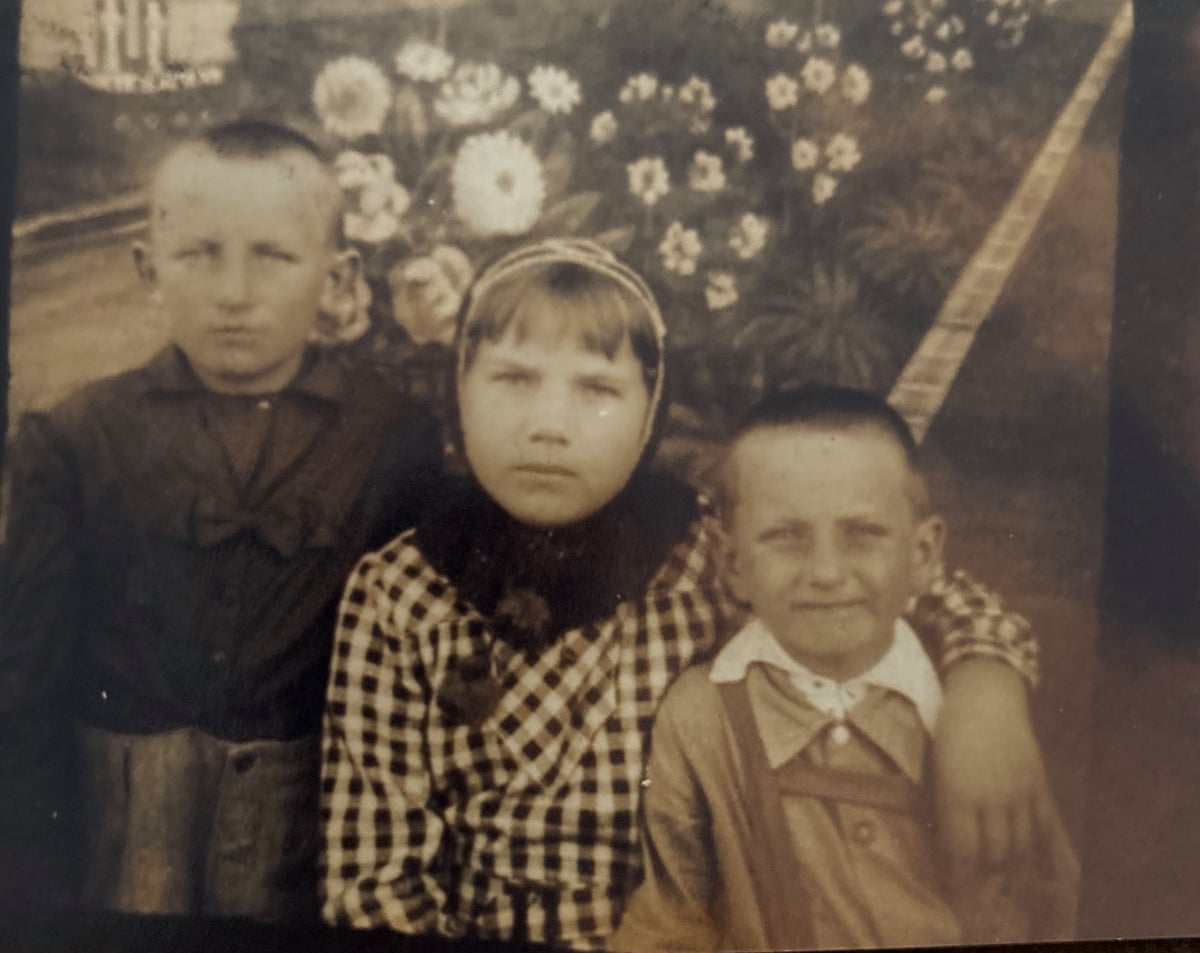
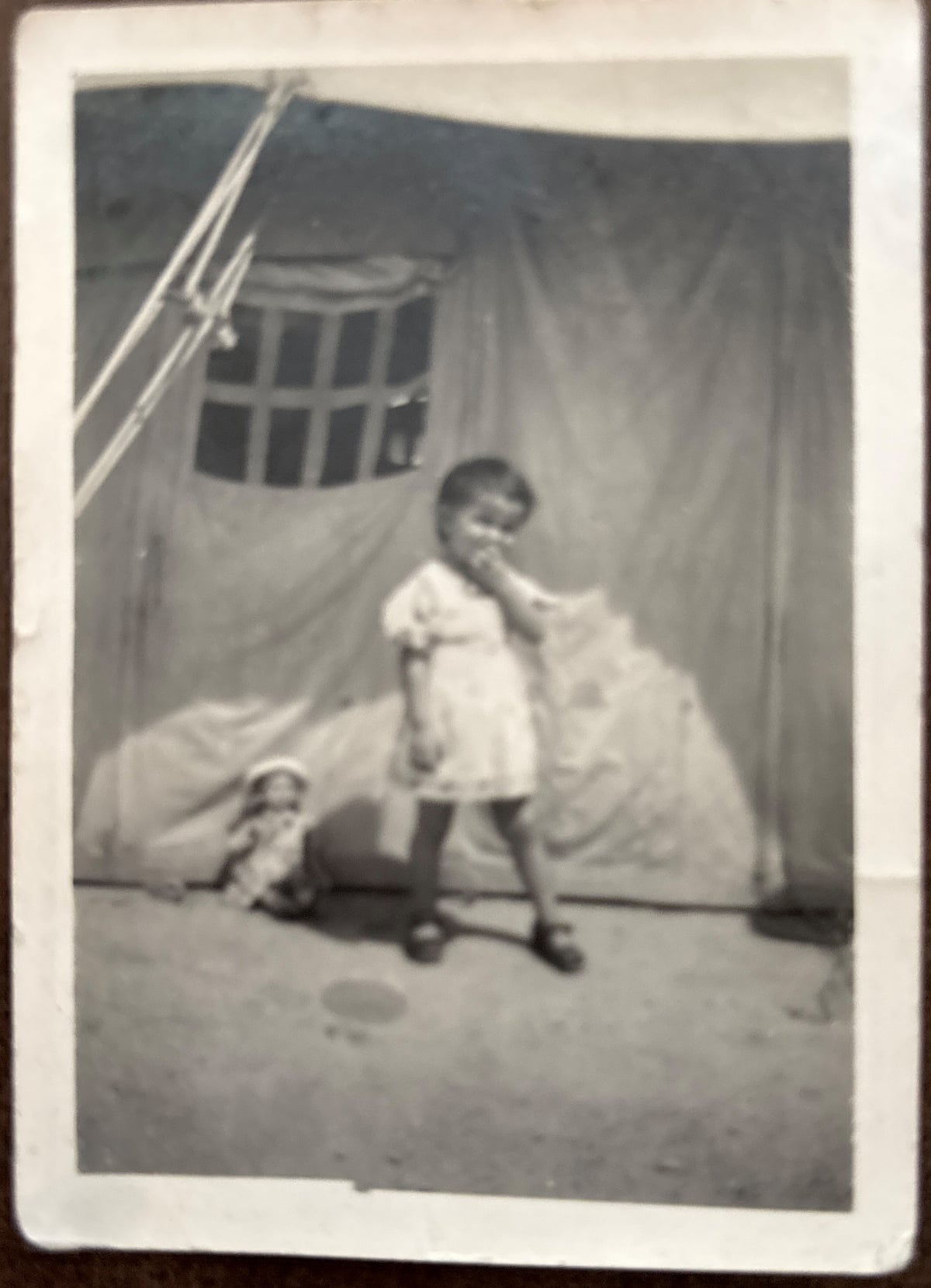
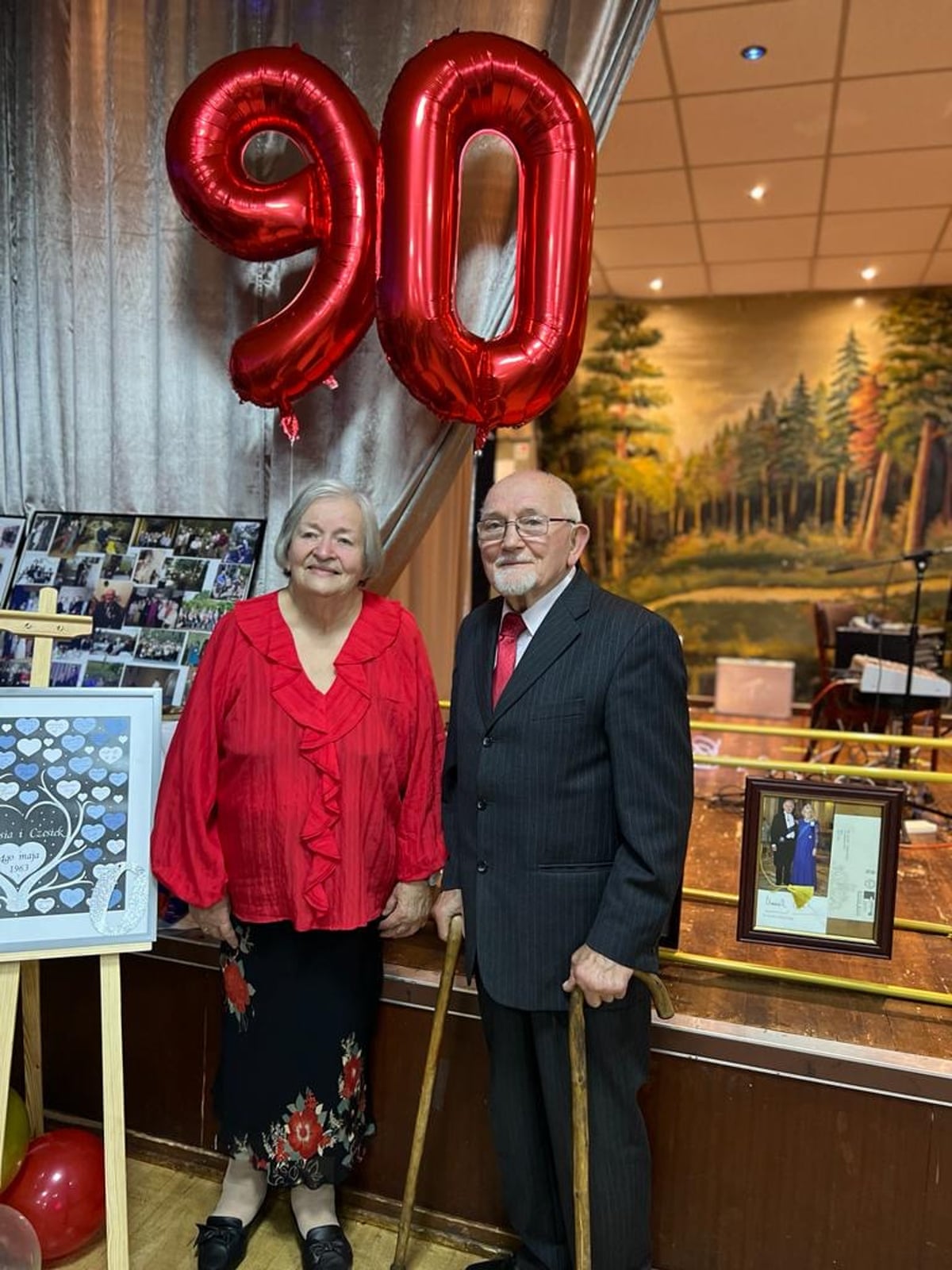
Maria said she had never thought to get a British passport because she had never needed one in the previous 80 years and it had never crossed her mind. She said she had always seen her identity as Polish, even though she felt grateful to Britain for taking in so many people after the war.
“It was really important. I didn’t think of it as sort of weakening my identity. I love England. I mean, I always say, I’m very grateful to England, you know, to have taken so many people, you know thousands after the war. But I just thought it was important that we stay Polish,” she said.
After they went to Citizens Advice in Bury, they were connected with Settled. Smart praised the resolution centre for its swift action after the charity submitted a no-time-limit application that resulted in settled status for the Krupas last week.
Smart urged the government to examine the problems exposed by the case and said a process should have been triggered at the airport when the issue arose. The Home Office has been approached for comment.
Key Facts
- Maria Krupa is 85 and Czeslaw Krupa is 92.
- They arrived in Southampton in 1947 and 1948 as dependants of displaced Polish service members.
- Ryanair refused to let them board their return flight from Krakow in May because they lacked proof of UK residence rights and the new Electronic Travel Authorisation.
- Settled helped them secure settled status last week after a no-time-limit application.
- The Home Office has been approached for comment.


