
Extended Isolation of Pupil at Outwood Grange Academy
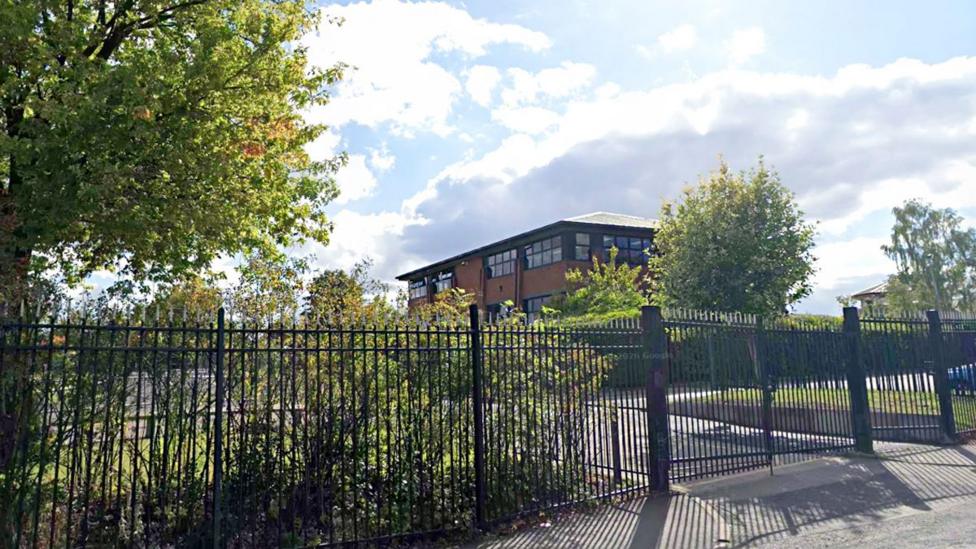
A pupil was placed in an isolation booth away from the classroom for more than half an academic year, according to BBC's File on 4 investigation.
This child was among 23 students at Outwood Grange Academy in Wakefield who spent over 20% of their school days in isolation booths during one of the last two academic years. The school is managed by a trust that has previously faced legal challenges regarding its use of isolation to control pupil behaviour.
A former student reported being made to sit silently, monitored by cameras, and prohibited from looking around the room.
Outwood Grange Academy stated that students are only placed in isolation after multiple warnings and that the policy has effectively improved behaviour.
Warning: This article contains references to suicide and self-harm.
Our findings, based on Freedom of Information requests, highlight increasing concerns about the implementation of "no excuses" disciplinary approaches in schools across England.
A safeguarding review conducted last year found that an east London school's zero-tolerance policy involved pupils being routinely humiliated through shouting and prioritised control above all else, causing lasting psychological harm to some children. Additionally, another trust in Cornwall, whose discipline policy has drawn parental criticism, is considering transferring its schools to other trusts.
"Reflection rooms are successful in improving behaviour," said Outwood Grange Academy in Wakefield
Government Guidance and Prevalence of Isolation
Government guidance refers to isolation as "internal exclusion" and recommends it be used only as a last resort. However, studies indicate that its use is widespread. An analysis by education consultants The Key Group found that 18% of students at hundreds of secondary schools experienced isolation at least once during an academic year.
Isolation involves removing students from their classes and placing them in a separate supervised space, sometimes referred to as "reflection" or "reset" rooms.
Former Student's Account of Isolation Experience
The former student at Outwood Grange Academy, referred to as Ben, described being seated in booths with plastic dividers and monitored by cameras. Ben was isolated 58 times during the 2023-24 academic year, typically for a full day.
"If you stick a teenager in an isolated room all day not doing anything, they're gonna just end up getting mad," Ben said.
Ben shared a photograph of the isolation booth where he was placed 58 times in one year.
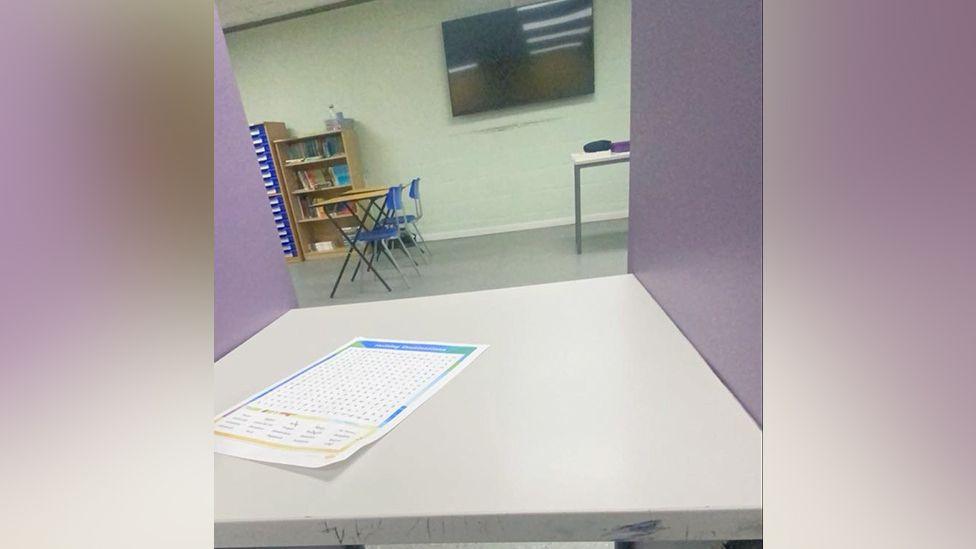
He reported often receiving no work, trivial tasks such as word searches, or work that was too difficult, rather than appropriate material to occupy him throughout the day.
This was despite Outwood Grange Academies Trust, which operates the school and 40 others in northern England, revising its policies in 2019 to require meaningful work be provided. That year, the trust faced a judicial review threat from a student who had spent 35 days in isolation.
Ben explained that if students slouched, leaned against walls, or looked around, they received warnings. Failure to comply could result in being sent home and required to repeat the isolation the next day.
He said it was "very rare" to complete a period in isolation without a warning.
Parents and Students Report Minor Infractions Leading to Isolation
Parents and students at the school reported that children were placed in internal exclusion for minor infractions such as untucked shirts, talking in class, asking to use the toilet, not wearing a blazer, or requesting to open a window.
Outwood Grange Academy stated that the time students spend in reflection has been halved in the past year.
"Reflection rooms are successful in improving behaviour," the school said.
The school explained that students are sometimes initially given simple tasks like word searches to "de-escalate" behaviour, but once calm, they receive academic work. It added that even minor repeated incidents can disrupt classrooms, which is unfair to other students.
Strict Discipline Policies Under Scrutiny
File on 4 investigates the use of internal isolations in secondary schools in England and includes testimonies from parents and students who report mental health impacts.
Listen on or BBC Radio 4 at 20:00 on Tuesday 30 June, or 11:00 on Wednesday 1 July.
Since 2003, schools in England and Wales have been prohibited from suspending pupils for more than 45 days in a school year. However, there are no limits on the frequency of internal exclusions.
The use of internal exclusion and zero-tolerance policies has increased, supported by school improvement consultants such as Bradley Nash, known as "The Behaviour Guy" on social media.
Nash argues that schooling is "just too important" to tolerate disruptive behaviour.
"We will not allow the poor behaviour of others to negatively impact the life chances of your children," he said in a video.
Nash did not respond to the BBC's request for comment.
Concerns Raised at Ivybridge Community College
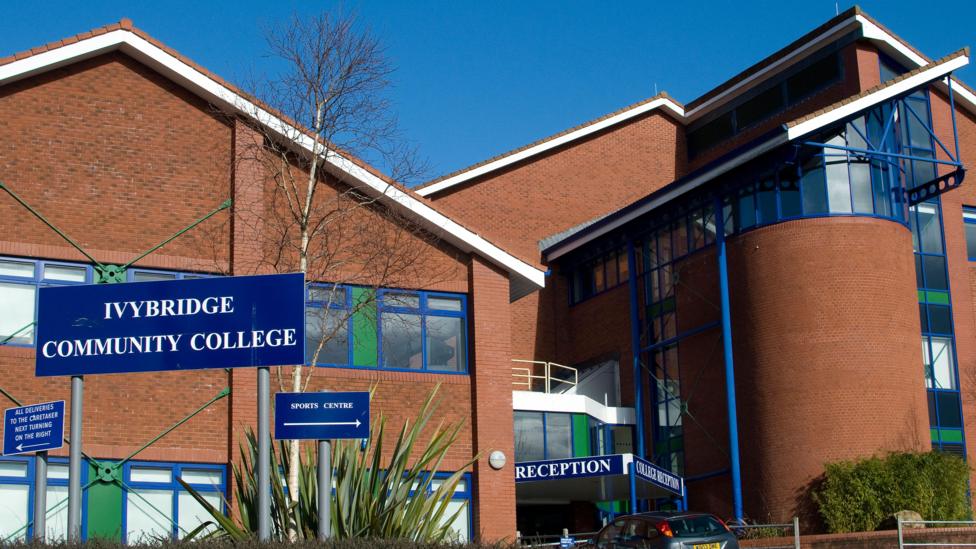
Among the 28 schools Nash advises are those in the Westcountry Schools Trust, which runs Ivybridge Community College near Dartmoor in Devon.
After Ivybridge introduced stricter rules and isolation, termed "reflection" by the school, parents formed a Facebook group to share concerns, which grew to 700 members.
A Year 11 student, Taylor Lee, joined the group and expressed strong views despite rules against posting.
"I know I'm not allowed to post here but I have very strong views," Taylor said. He stated the school caused him mental health issues and criticised its "unlogical" behaviour policies. He had been sent to reflection for being 47 seconds late.

Taylor said the school's disciplinary approach caused him mental health problems.
"I want the school to change. I'm sick of seeing my friends complain at lunch and break about the last two blocks [lessons] or absolutely destroy themselves from emotional overloads in the bathrooms from these unlogical punishments," he said.
Taylor also raised concerns directly with the school principal, who suspended him. Upon his return, he continued to raise issues with the academy trust. Subsequently, students were given an extra minute to reach lessons and the penalty for lateness was reduced to half a day in reflection.
Tragic Outcome and Inquest
Three weeks later, Taylor's parents, David and Michelle, found his body in his bedroom. Taylor had left a note expressing feelings of failure and uselessness, which Michelle attributed in part to his school experience.
"A lot of that I know is because of what was happening at school and how he was made to feel," Michelle said.
"My son's entire school experience was a gradual chipping away at a person, chipping away at their soul," she added.
The inquest into Taylor's death revealed multiple factors contributing to his distress over the preceding two years. He had been severely assaulted by an older student, whose return to school negatively affected Taylor's behaviour. He also experienced a breakup with his first girlfriend and admitted to drug use and self-harm.
Tonice Edwards, a youth intervention worker with Devon & Cornwall Police and local schools who worked with Taylor, testified at the inquest that she had warned the school its "punitive system" could worsen mental health issues. She stated that one of Taylor's main struggles was feeling "set up to fail" by the school.
The inquest has been paused pending the school's decision on legal representation.
Ivybridge Community College and Westcountry Schools Trust did not respond to requests for comment.
Support Resources
If you have been affected by issues such as suicide or feelings of despair, information and support are available through BBC Action Line.
Additional reporting by Cherry Casey.


