

Plaque Removed from Inverness Town House
A plaque dedicated to Andrew Mountbatten-Windsor has been taken down from Inverness Town House. The plaque commemorated the former prince's visit to Inverness in 2018, when he unveiled renovations to the A-listed city centre building.
Highland Council confirmed that the plaque was removed from its location near the building's entrance on Wednesday and has been placed into storage.
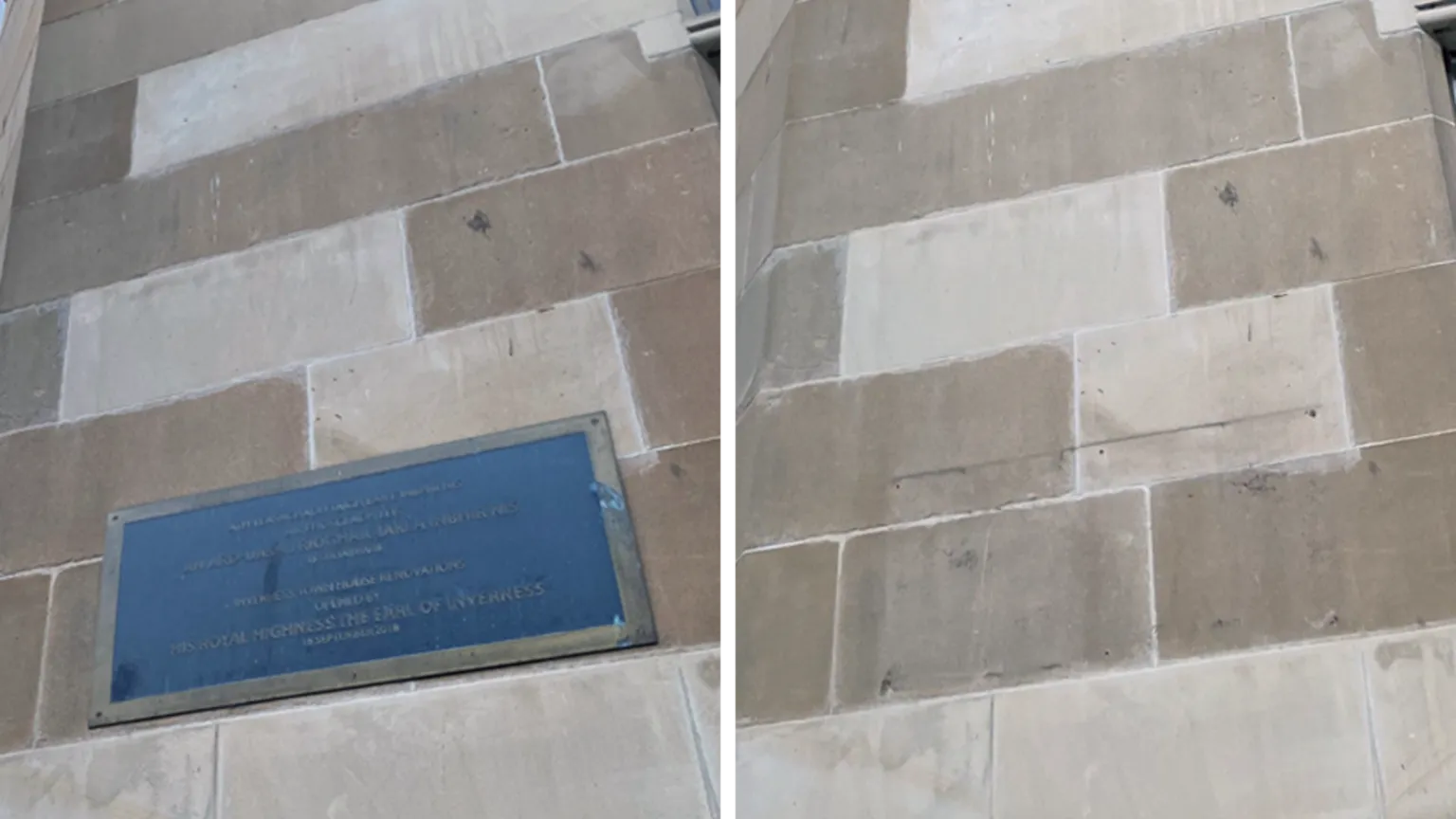
Other local councils have acknowledged the existence of plaques in their jurisdictions marking previous visits by Mountbatten-Windsor, who was arrested earlier this month on suspicion of misconduct in public office. He has consistently and strongly denied any wrongdoing.
In October, the Earl of Inverness title was among those removed from the King's brother.
Background on the Plaque and Building
Mountbatten-Windsor unveiled the plaque at Inverness Town House, which is owned by the council, on 18 September 2018. The plaque marked the completion of a renovation project that cost over £4 million.
Highland Council stated:
"The plaque was removed by the council on Wednesday.
The plaque is in storage in the town house."
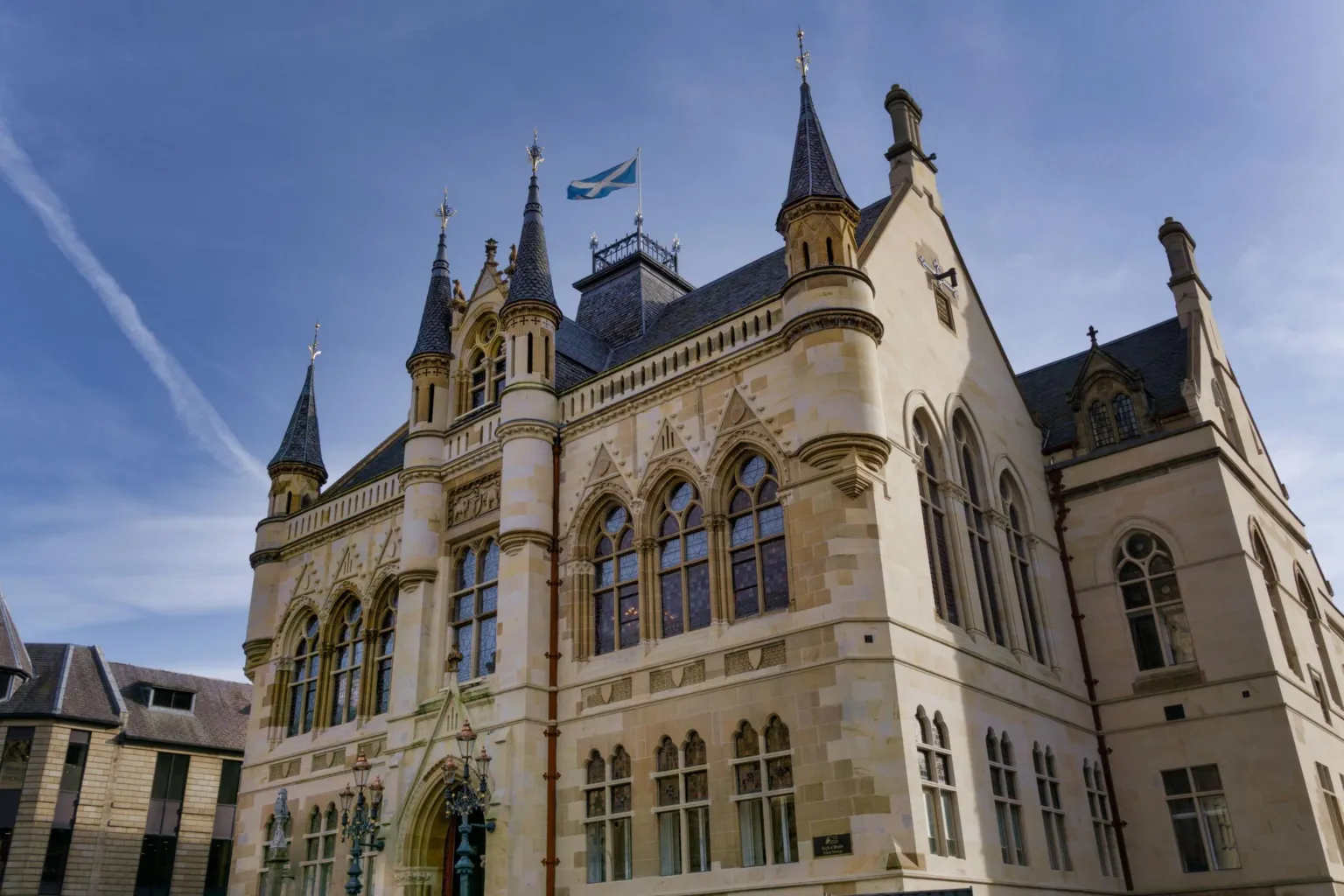
The Inverness Town House, located on Castle Street in the city centre, has royal associations. It was constructed in a Flemish-Baronial architectural style and was officially opened in 1882 by Alfred, Queen Victoria's second son.
The building also hosted a significant gathering of the UK government cabinet led by Liberal Prime Minister David Lloyd George in September 1921. Lloyd George was vacationing in Gairloch, Wester Ross, and convened his ministers, including Winston Churchill, in Inverness.

This meeting was called following Ireland's rejection of King George V. The discussions that day led to the formulation of the Inverness Formula, which influenced subsequent negotiations on the treaty that established the Irish Free State. The Irish Free State later became the Republic of Ireland in 1949.
Other Councils Monitor Plaques
Two other local authorities may consider decisions regarding plaques in their areas.
Dumfries and Galloway Council reported awareness of a plaque commemorating Mountbatten-Windsor's visit to Castle Douglas Primary School. A council spokesperson said:
"No decision has been taken to remove the plaque.
Current matters relating to Mr Mountbatten‑Windsor are ongoing and it would be inappropriate for the council to prejudge the outcome of these.
We will continue to monitor the situation and follow national guidance where relevant."
The spokesperson added that the council was not aware of any other plaques connected to previous visits on council properties but was continuing to review its records.
Additionally, there is a plaque at Tulligarth Community Leisure Centre related to a visit in November 2002.
Clackmannanshire Council stated:
"The council leader intends to bring forward a motion on this to a future meeting of the council."
Details of Mountbatten-Windsor's Arrest
Mountbatten-Windsor was arrested on suspicion of misconduct in public office on 19 February at the King's Sandringham Estate in Norfolk, where he had been residing. Following his arrest, he was taken to a Norfolk police station for questioning and subsequently released under investigation.
The arrest followed an assessment by Thames Valley Police of a complaint concerning the alleged sharing of confidential material by the former prince with the late sex offender Jeffrey Epstein.
Mountbatten-Windsor has consistently and strenuously denied any wrongdoing.


