

Planning Appeals Commission Responds to Audit Office Criticism
The head of the Planning Appeals Commission (PAC) has responded to a critical report issued by the Northern Ireland Audit Office (NIAO), a public spending watchdog. The PAC is an independent tribunal tasked with deciding planning appeals and conducting public inquiries into projects of regional significance.
The NIAO's report concluded that the PAC has not been delivering value for money and that prolonged delays in its operations risk undermining economic growth in Northern Ireland.
In reply, the PAC stated that the Audit Office's conclusion regarding value for money is "difficult to justify in light of the evidence provided to them."
In an official statement, the PAC added:
"The Commission cannot give its seal of approval to the Northern Ireland Audit Office (NIAO) report due to concerns regarding the narrative, conclusions drawn, and recommendations.
"The reporting period assessed by the NIAO was at a point in time in our past and we have moved on since.
"The 'backlogs and long delays' referred to in the report no longer exist."
Findings of the Audit Office Report
The report highlighted a system plagued by lengthy delays, an "unacceptable" lack of accountability, and strained relationships between public bodies involved in planning processes.
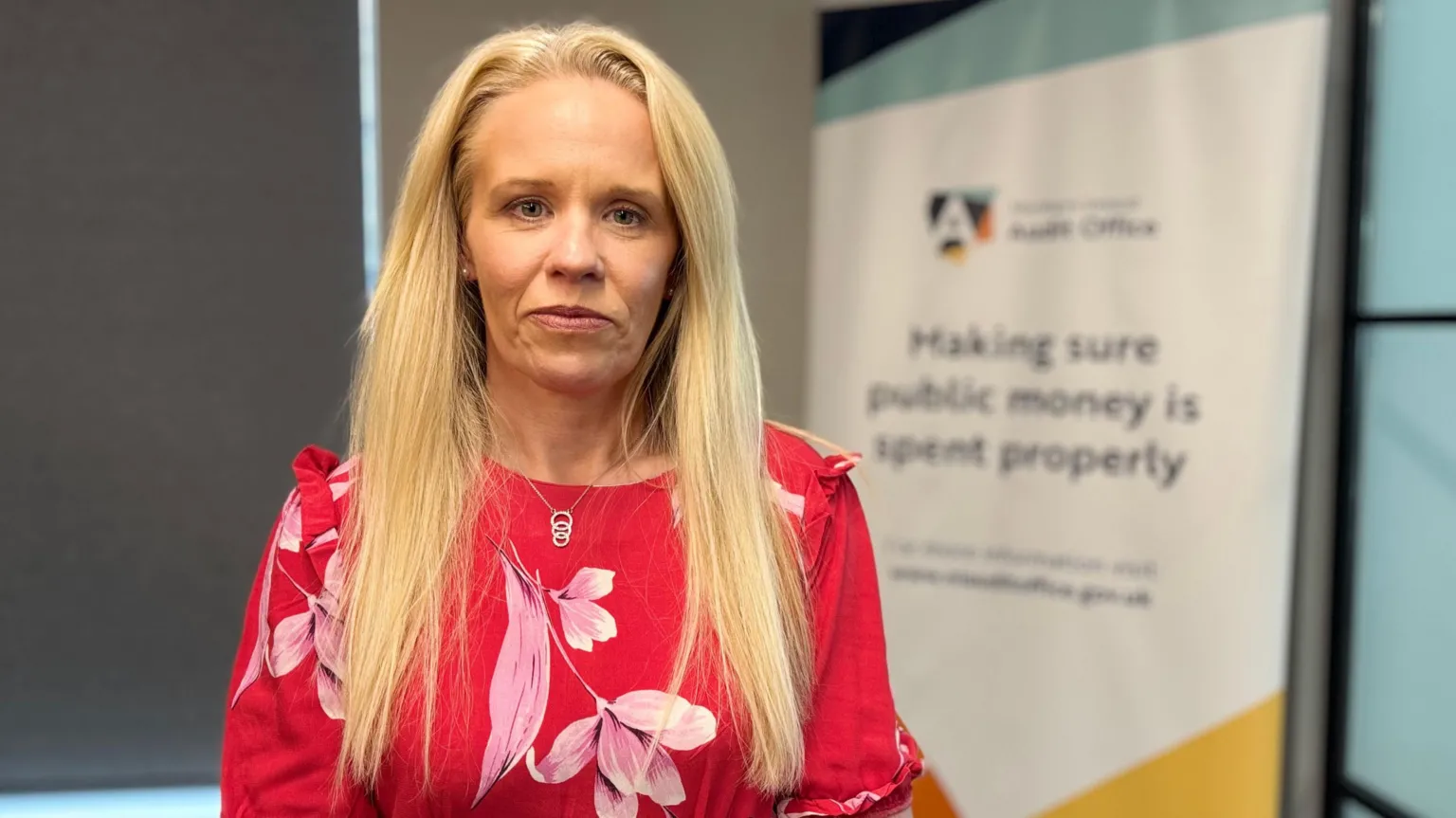
Auditor General Dorinnia Carville stated:
"The PAC has not been delivering value for money, and prolonged delays and backlogs risk making Northern Ireland a less attractive place for investment."
The Audit Office identified that by August 2025, there were 20 major cases pending with the PAC, including "Hear and Report" cases. These cases involve the PAC hearing evidence on significant schemes and then reporting to the infrastructure minister, who makes the final decision.
On average, these cases had been with the commission for over two years, with nearly half delayed for more than three years. At the time of the review, none of the major applications referred by the Department for Infrastructure (DfI) since 2021 had been completed, although one has since been resolved.
The report warned that these delays have "major economic and environmental impacts," potentially reducing Northern Ireland's attractiveness for international investment.
Additionally, the PAC's role as an independent examiner of local councils' development plans is progressing slowly. The Audit Office estimates that the full assessment process will not conclude until the mid-2030s, almost two decades after it began.
Comparison with Planning Bodies in Other Jurisdictions
The watchdog suggested that the PAC's unique legal structure contributes to the stagnation. Unlike similar bodies in England and the Republic of Ireland, which function as executive agencies accountable to government ministers, the PAC operates as a Tribunal Non-Departmental Public Body.
This status grants the PAC operational autonomy and makes it the only component of the local planning system without statutory or formal targets for processing times. Instead, the commission sets its own priorities. The Audit Office noted that none of the PAC's current corporate objectives are measurable, complicating any robust assessment of its performance.
Relationship and Resource Challenges
The spending watchdog also highlighted a "fractured" and "strained" relationship between the PAC and the Department for Infrastructure (DfI). Regular quarterly meetings between the chief planner and the chief commissioner have ceased, with communication now largely limited to formal correspondence.
Resource constraints were identified as a contributing factor. Since 2017, the PAC has lost 11 experienced commissioners to retirement. Although 17 new staff members have been appointed, many lack experience in managing complex, quasi-judicial cases, which has slowed the system.
The PAC recovers only 3% of its £2.7 million running costs through outdated £150 appeal fees and receives no funding for processing major regional inquiries.
In response to the backlog, the infrastructure minister announced £3 million in emergency funding last year to allow the department to appoint independent inspectors to handle major cases, bypassing the commission. The appointment process for these inspectors began earlier this month.
In an unusual move, the PAC's Chief Commissioner, Andrea Kells, challenged the report's conclusions, questioning the Audit Office's legal remit to investigate the commission's efficiency. She clarified:
"The concerns raised were in respect of a different matter entirely covering the scope of the audit office's legal powers in carrying out investigations of this nature."
Official Responses and Next Steps
Despite the Chief Commissioner's comments, Auditor General Dorinnia Carville affirmed that the findings fall within her legal mandate.
The Department of Justice (DoJ), which funds the PAC despite its independence, welcomed the Audit Office report and its recommendations. A spokesperson stated:
"Delivery of some recommendations will require collaboration across government. In particular, some changes will require legislative consideration.
"Any actions arising from the report will also be taken forward with due regard to the operational independence of the Planning Appeals Commission."


