

Legal Victory Over England Flags on Public Infrastructure
While Londoners sought shade on a hot day this week, Tim Bearder, leader of Oxfordshire County Council, stood in the shadow of the Royal Courts of Justice, having just secured a landmark legal victory.
The case, ostensibly about local council permissions, gained wider significance amid heated national debate over the display of England’s national flag.
The court ruled that hanging the English flag from lamp-posts without council permission is prohibited. Activists who had been placing St George’s flags along roadsides, part of a rising nationalist display, expressed disappointment and accused Bearder of disliking the national flag.
Bearder, a public servant and proud Englishman, welcomed the ruling.
“We’ve secured the first ever injunction [of its kind] in the country and this will serve as a blueprint for other councils wishing to stop this irresponsible behaviour,”
said Bearder.
Background of the Flag Campaign and Council Response
Tensions between the Raise the Colours group and Oxfordshire Council have escalated since the group launched its nationwide campaign to cover Britain in flags last summer.
The movement began in Birmingham, with St George’s flags and union jacks appearing on lamp-posts, roads, and roundabouts. It then spread across the West Midlands and further north to Worcester, Greater Manchester, and Newcastle.
Raise The Colours describes itself as a grassroots movement promoting unity and patriotism through national symbols. However, critics have accused the group of promoting anti-immigration rhetoric and vigilantism, allegations the group denies.
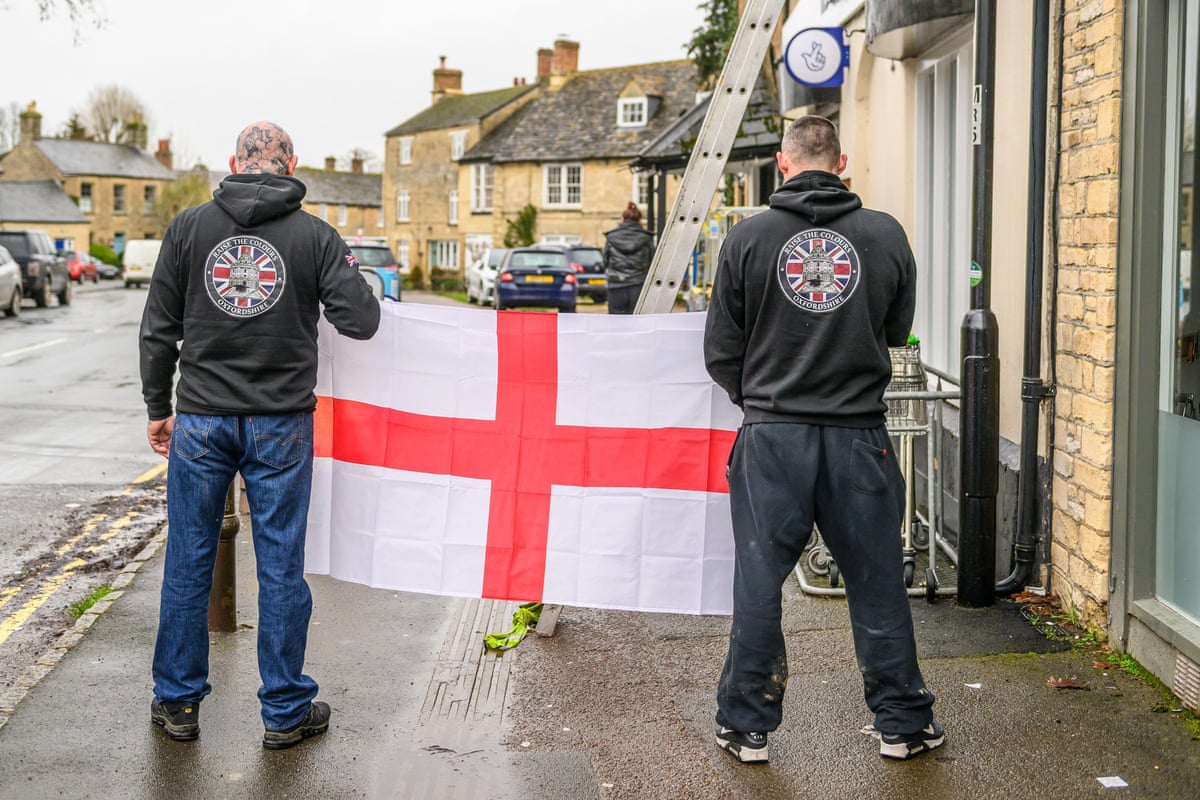
Oxfordshire Council became aware of the flags in August 2023 and initially opted against intervention, hoping the campaign would subside.
“We didn’t want to give them that fuel so we just took a very light touch approach,”
Bearder explained.
However, as the campaign persisted, the council found it necessary to remove the flags.
“They [were] doing it in very dangerous situations on busy roundabouts with just a ladder,”
Bearder said.
“As a highways authority, we have a legal responsibility to maintain a safe highways network.”
Incidents and Challenges During Flag Removal
The council reported that contractors removing flags faced hostility and obstruction from individuals linked to Raise the Colours, including two incidents of harassment and intimidation.
Other incidents involved vehicles blocking contractors’ access to working platforms and contractors being followed to their yards.
Bearder noted these episodes caused some staff to avoid working on flag removal or to do so covertly at night.
“They’d feel very nervous about doing it because they live in this community and they’d be there getting this kind of abuse,”
he said.

Legal Action and Financial Impact
In March, the council issued a formal legal notice to Raise the Colours demanding cessation of unauthorised flag installations, describing the acts as intimidation and division. Residents reported feeling distressed and unsafe in their neighborhoods. Further pre-action letters were sent to individuals in May.
Bearder stated the council pursued an injunction as the most cost-effective solution, having spent approximately £50,000 on flag removal.
“We do get the challenge: ‘Why are you spending any money taking down flags when you should be fixing potholes?”
he said.
“That’s what we’d rather be doing … This council is facing £24m of cuts this year. We don’t want to be spending money on legal action to prevent people doing illegal things.”
High Court Injunction and Reactions
At the conclusion of the legal proceedings in London, Bearder and his Liberal Democrat-led council were vindicated. Four individuals associated with Raise the Colours—Ryan Bridge, Trudy Wells, and Ben Cullen—were subject to a high court injunction.
They also committed to not encouraging others to place flags on public infrastructure or obstruct staff removing them.
Following the ruling, media reactions were sharply divided. Reform UK MP Richard Tice accused the Liberal Democrats of opposing England and patriotism, while former Premier League manager Harry Redknapp criticized the council’s decision.
Bearder reported receiving hundreds of emails and online messages, some abusive and threatening, which he attributed to misinformation suggesting the council sought a total ban on flying flags in the county.
“It’s fairly astonishing the level of abuse and vitriol,”
he said.
“What we’ve said is we’re banning any objects from being attached to lamp-posts and other highways infrastructure.
We are very explicitly not about banning people who want to fly the flag on their own private property. We fly the flag on our own council buildings and we’re very proud to do so,”
he added, noting he has displayed the St George’s flag at his home during the World Cup.
“It’s not a culture war, which is what they’re constantly trying to make it into. It’s not that we’re some kind of Liberal Democrat, woke-run council who are trying to ban the flag,”
Bearder emphasized.
“We’re very explicitly trying to maintain a neutral space for our residents, a safe space for our residents so that we can all travel around the county freely without intimidation, or the risk of a flag flapping on to your windscreen or lamp-post falling in front of you.”
Leadership and Wider Impact
Bearder expressed pride in leading this initiative and noted other councils are considering similar measures.
“I know that lots of councillors have been in contact with us, watching us very closely to see how successful we were,”
he said.
“Even if the high court judge had not agreed, we would have tried, because we didn’t have any other option. We had to try to demonstrate to our residents that we were doing what we could to enforce the law.”
Birmingham City Council has stated that unauthorised flags on public infrastructure will be removed and is coordinating with partners to ensure safe and timely removals.
A spokesperson said:
“The council will consider all options available to enable this to happen and to protect our communities and our assets up to and including legal action.”
Raise the Colours Response
Raise the Colours has been contacted for comment. In a social media video posted Tuesday, Ryan Bridge expressed disappointment with the ruling.
“We haven’t had the result we wanted today, because we want to be able to put up flags of our country wherever we like … We got a complete blanket ban on all flags, it wasn’t just our flag of our country – the union and the St George – but we also got a ban on flags from other countries.”
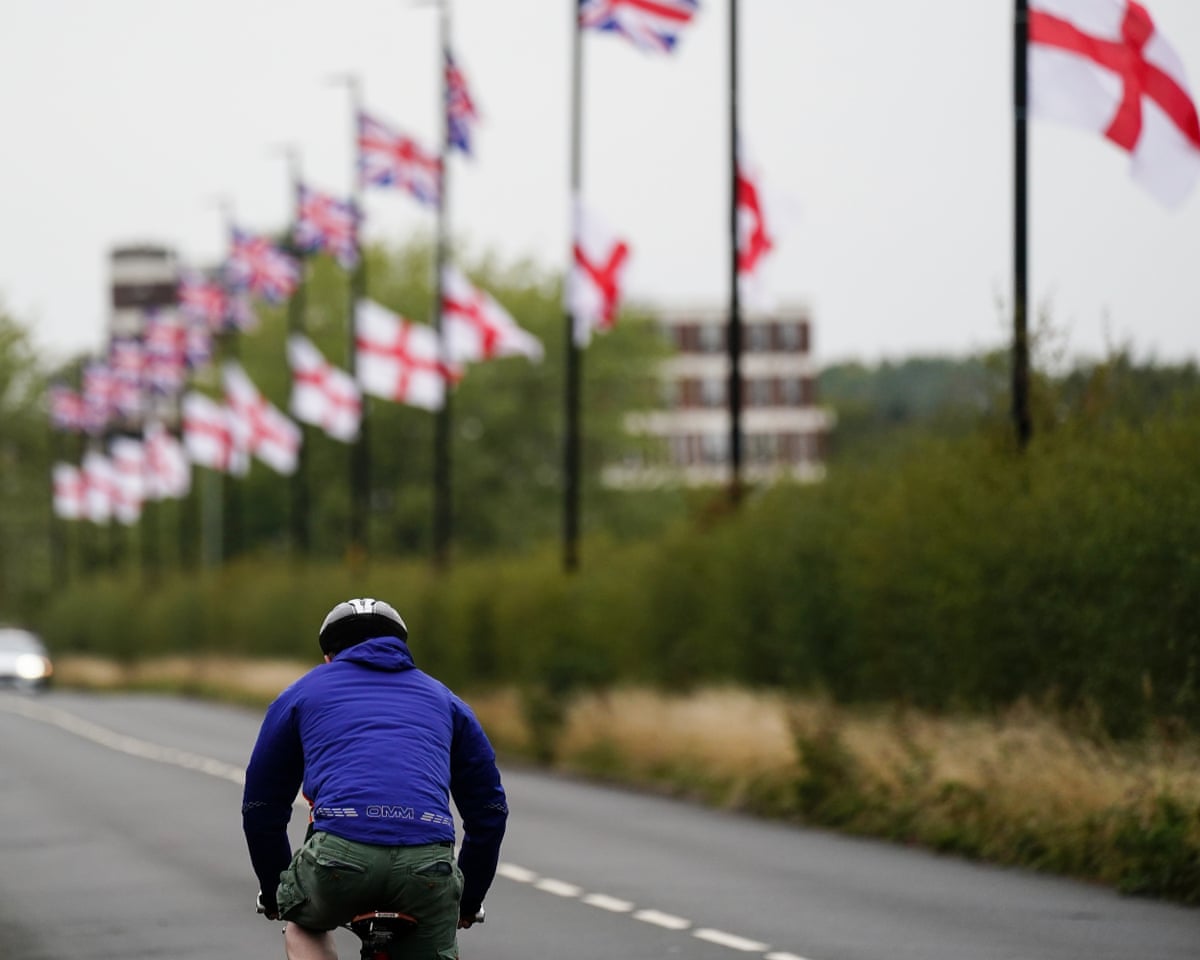
Following the hearing, Bridge described the injunction as “horrendous” and said he felt silenced.

“These people have got too much time on their hands and they despise the likes of us,”
he said.
“They don’t like the flag of their country. They believe in open borders. They’re the problem.”


