

Widespread Lack of Littering Enforcement Across UK Councils
Numerous councils throughout the UK have effectively ceased enforcing fines for littering, with some issuing minimal penalties and many neglecting to enforce fines related to fly-tipping. According to data from the Clean Up Britain campaign, at least 71 councils did not issue a single fine for littering in the past year, while an additional 67 councils issued fewer than 10 fines.
John Read, founder of Clean Up Britain, stated: "In large swathes of the country, there is eco-anarchy. Anyone can litter with complete impunity and no fear of being caught and convicted."
Read emphasized that imposing fines on litterers could not only reduce littering but also serve as a deterrent. The data was obtained through Freedom of Information (FoI) requests submitted to councils.
Last year, fines for littering generated less than £48 million from approximately 200,000 fixed-penalty notices (FPNs) issued. This contrasts sharply with parking fines, which amounted to £867 million across 300 responding councils.
The following 18 councils reportedly have no fining policy for littering:
Chichester, Exeter, Falkirk, Isle of Anglesey, London borough of Southwark, Mid Sussex, Midlothian, Orkney Islands, Scottish Borders, Southampton, Southend-on-Sea, St Albans, Stratford-on-Avon, Warwick, West Berkshire, Winchester, Wirral, Wokingham.
Additionally, 54 councils maintain a policy but did not issue any FPNs for littering:
Angus, Basingstoke & Deane, Bradford, Bridgend, Broadland, Bromsgrove, Broxbourne, Castle Point, Central Bedfordshire, Charnwood, Cheltenham, Clackmannanshire, Comhairle nan Eilean Siar (Western Isles), Denbighshire, East Devon, East Dunbartonshire, East Hampshire, East Lothian, Fermanagh and Omagh, Forest of Dean, Fylde, Gedling, Highland, Huntingdonshire, Isle of Wight, Lewes, Maldon, Mole Valley, Moray, North Norfolk, Reading, Ribble Valley, Rochford, Rossendale, Runnymede, Rushmoor, Rutland, Sevenoaks, Shetland Islands, Slough, South Hams, Stroud, Surrey Heath, Tendring, Tewkesbury, Three Rivers, Torfaen, Tunbridge Wells, Wealden, West Devon, West Dunbartonshire, Westmorland and Furness, Woking, Wychavon.
Littering is recognized as a serious issue. Keep Britain Tidy, a campaigning organisation, reported last year that littering continues to degrade public spaces and the environment.
Read remarked: "The only sustainable and effective solution to Britain’s litter epidemic is behavioural change. Many people will only change their behaviour if they have a genuine fear of being caught and severely punished. That’s one of the reasons why Clean Up Britain is lobbying for fines to be increased from £500 to £1,000. Littering is a crime that degrades our environment and the whole of society is forced to endure."
Under the 1990 Environmental Protection Act, littering is a criminal offence punishable by a court fine of up to £2,500, though it is typically addressed through fixed penalty notices of up to £500 in England. Of the 301 councils that responded to Clean Up Britain’s requests, only 77 issued more than 100 FPNs for littering during 2024-25.

The average fine imposed was £192. Labour-controlled councils issued 77% of all fines, with the top 10 councils issuing the most fines all under Labour control, according to Read.
Fly-tipping, a distinct offence involving illegal dumping of waste on private or public land or roadways, carries FPNs of £1,000 that councils can issue without court proceedings. Government data released last month indicated significant fly-tipping incidents. However, Clean Up Britain’s research found that although 77,000 individuals were caught fly-tipping by responding councils, only 26,000 FPNs were issued, and approximately half of these were paid. Consequently, councils collected about £8.5 million, losing approximately £9.3 million in potential revenue.
Approximately 30 councils failed to issue any FPNs for fly-tipping, based on FoI responses. Furthermore, only about 1% of fly-tipping prosecutions resulted in custodial sentences.
The Local Government Association (LGA) has called for an urgent review of sentencing guidelines for fly-tipping, citing research that shows offenders prosecuted in court receive lighter penalties than those imposed directly by councils.
The average court fine for fly-tipping is £539, which is £87 less than the £626 average FPN issued by councils for the same offence, according to LGA analysis of recent government data. The LGA stated that this sentencing disparity undermines deterrence, weakens enforcement, and results in financial losses for councils after costly prosecutions.
Fly-tipping costs councils in England more than £19.3 million annually to clear, with 1.26 million incidents recorded in 2024-25, according to the LGA.
The LGA highlighted specific cases illustrating the sentencing gap: in York, two offenders were each fined £300 by magistrates despite having received FPNs of £600 and £1,000. In Wiltshire, a fly-tipper who failed to pay a £1,000 FPN was fined £80 in court. In Chelmsford, two offenders were fined £300 each after prosecution, lower than the £400 FPNs they had received.
Arooj Shah, Labour councillor in Oldham and chair of the LGA neighbourhoods committee, said: "Fly-tipping is criminal activity that blights communities and costs taxpayers millions of pounds every year. Councils are working hard to investigate and prosecute offenders, but when court fines are lower than fixed penalties, it undermines enforcement and fails to act as a deterrent."
A spokesperson for the Department for Environment, Food and Rural Affairs stated: "We are giving authorities the tools they need to fight back against waste crime. Digital waste tracking will close the loopholes criminals exploit, drones are catching offenders in the act, and councils have the power to crush their vans – making it more and more difficult for criminals to hide. Our new statutory guidance will also help local authorities make better use of their legal powers to tackle littering, including issuing on-the-spot fines of up to £500."
The government is also deploying measures similar to police operations to crack down on waste criminals.
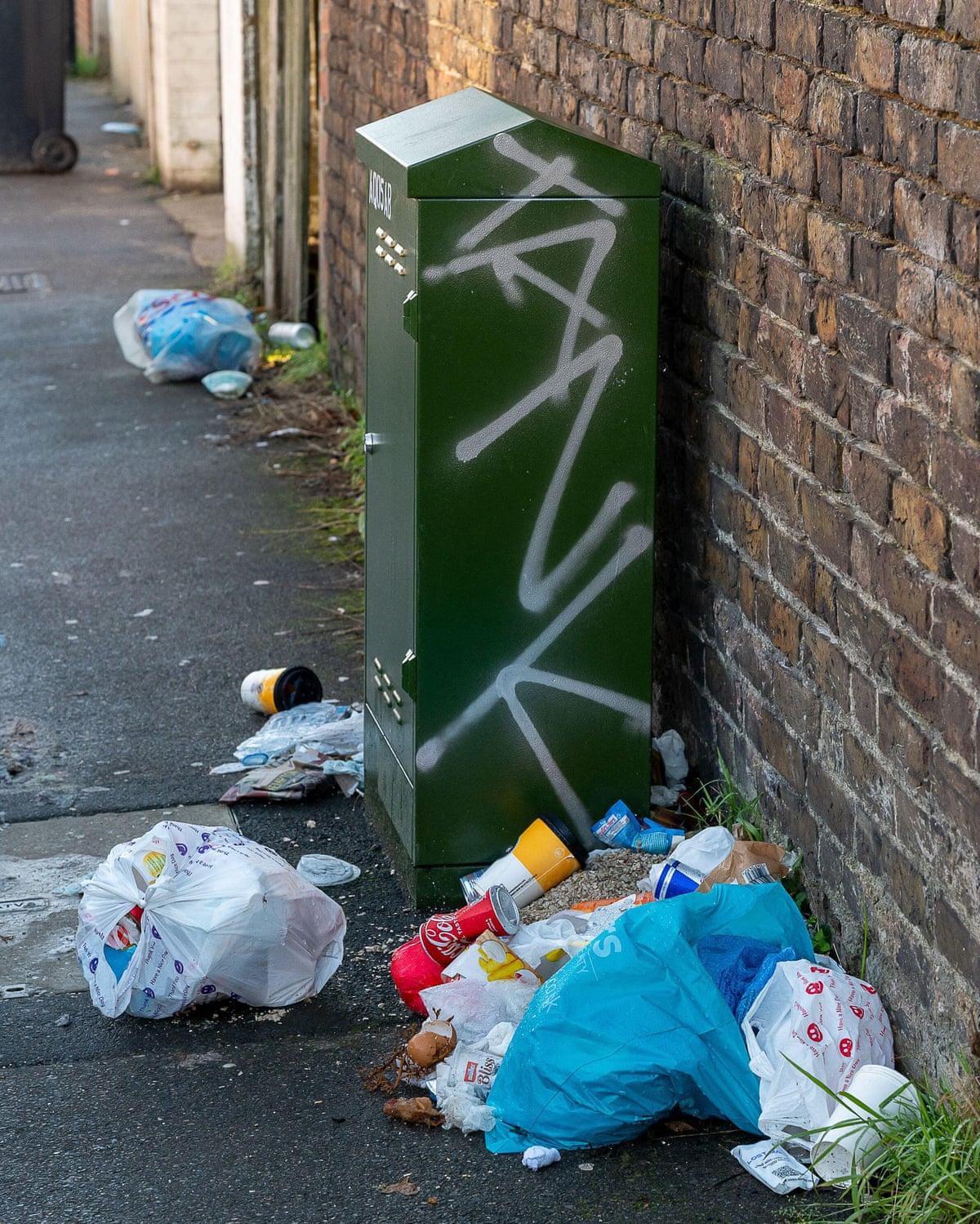
Slough, in Berkshire, is among the councils that failed to issue any fines for littering last year, exemplifying the broader enforcement gaps identified.


