

Legal Challenge Over New Electricity Pylon Routes in Wales
A landmark legal claim involving more than 500 farmers opposing a company’s plans for new electricity pylon routes across Wales is scheduled to be heard in the High Court on Tuesday.
The claimants allege that Green GEN Cymru has acted unlawfully and neglected biosecurity protocols while attempting to access private land, causing local communities to feel "frightened and intimidated".
In a legal first, the judicial review in Cardiff will also scrutinise the use of statutory powers that enable landowners to be compelled to sell their property to utility companies.
Green GEN Cymru stated it is "committed to working respectfully with landowners" and that its plans aim to deliver a "secure, resilient energy network for Wales".
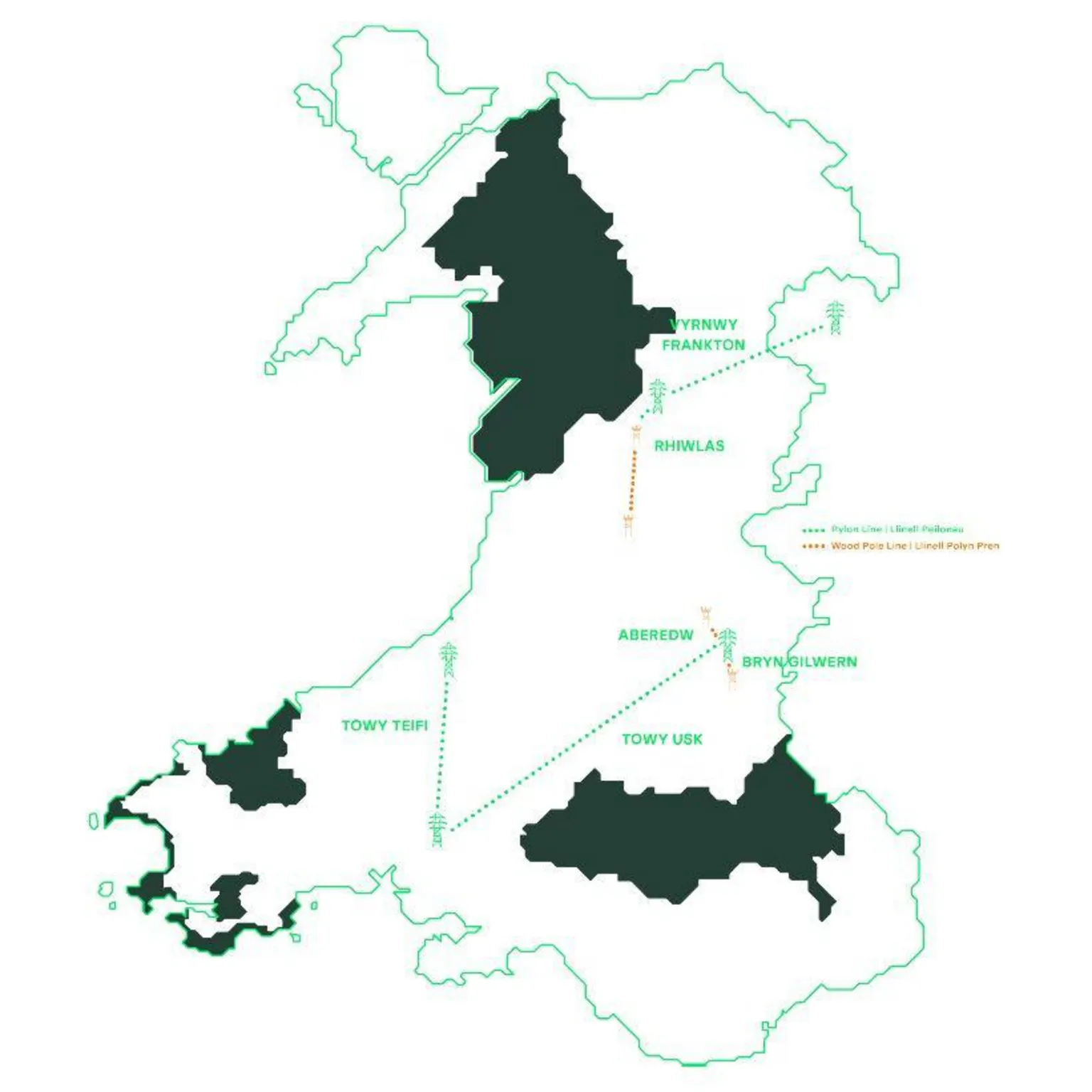
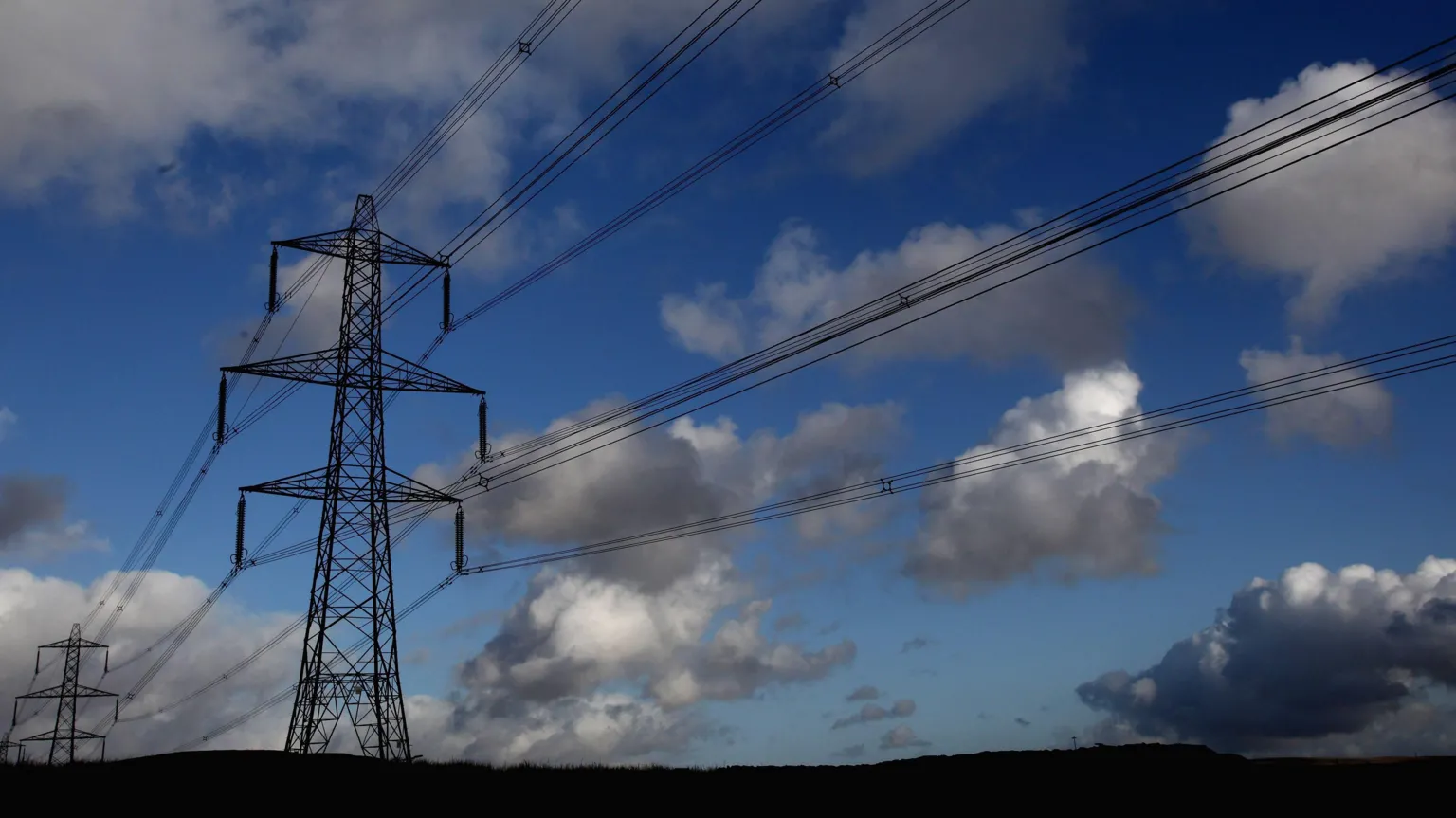
The company intends to construct three major electricity pylon routes connecting planned onshore windfarms in mid and west Wales with the wider grid network.
Supporters argue that Wales’ electricity grid is currently inadequate, hindering the deployment of renewable energy projects and the expansion of low carbon technologies such as electric vehicles and heat pumps.
The proposed routes would affect areas in Carmarthenshire, Ceredigion, and Powys, with one route extending across the Welsh border into Shropshire.
The dispute involving hundreds of farmers and landowners focuses on the company’s use of laws permitting entry onto private land without consent to conduct environmental and ecological surveys.
"We've had reports of people feeling intimated in their own homes, of aggressive behaviour... multiple cars turning up on yards, no biosecurity protocols in place,"explained lead claimant Natalie Barstow, who operates a farm and campsite near Builth Wells, Powys.
"There is an absolute need for them to properly notify us, to give us reasonable time, and to have a biosecurity protocol in place when you're entering farmland and you know this is people's livelihoods."
"Dirty tyres" and muddy walking boots risk spreading livestock diseases such as bovine TB and sheep scab, she added.
Barstow reported multiple occasions when agents acting on behalf of the company entered her land without her knowledge. She claimed that wildlife cameras monitoring otters captured footage of these agents walking through a protected stream.
"My ecologist who monitors that brook called me up and said 'Natalie, what on earth are you doing? We've got people walking through the brook'. How have you allowed this?"
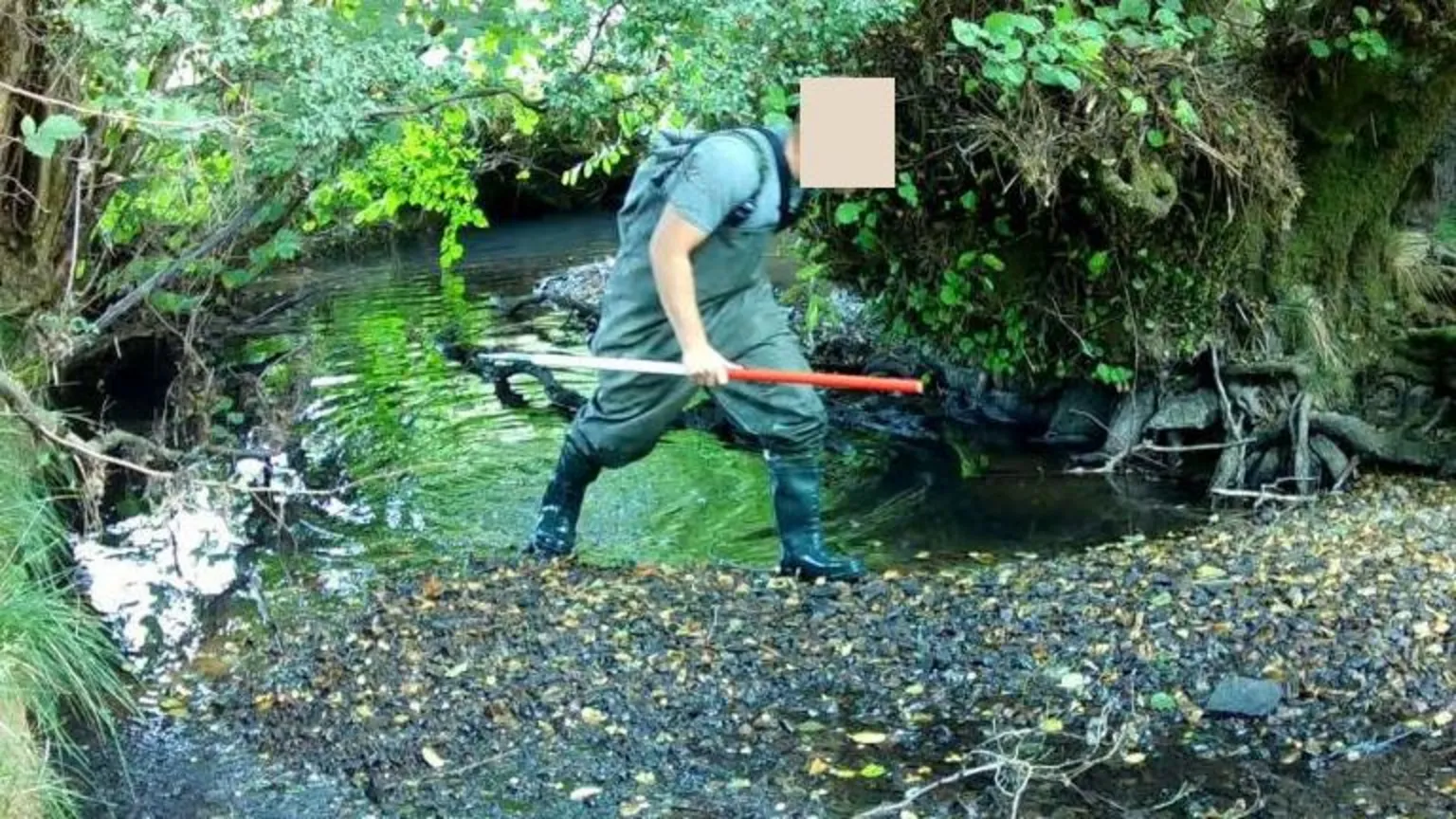
The case will be heard on six grounds, including alleged unlawful conduct, abuse of power, and disregard for biosecurity and environmental concerns.
Community group Justice for Wales and the Campaign for the Protection of Rural Wales (CPRW) have also secured permission to challenge the legality of Section 172 notices, which permit access to land ahead of a potential compulsory purchase order (CPO).
A CPO allows public authorities and sometimes utility companies to forcibly acquire land or property for infrastructure projects deemed in the public interest.
Mary Smith of New South Law, representing the claimants, stated this is "the first time a test of this nature has reached the court" and that the implications could "stretch beyond our clients, echoing across the industry."
"This case raises fundamental issues about how statutory powers are exercised and the protections afforded to those affected,"she said.
"As it stands, we believe some in the industry... are abusing their position of power, and the unregulated use of survey notices is like the Wild West."
The group will also contest the company’s collection of landowners’ personal data, including land data.
Legal documents filed before the hearing allege that Green GEN Cymru is unlawfully sharing data with its parent company, Bute Energy, which is planning several onshore windfarm projects.
Barstow emphasised that the challenge is "not a protest against renewable energy."
"We need to acknowledge that a transition into more renewable energy sources is absolutely necessary,"she said.
"But these things cannot be done to communities, they've got to be done with communities."
Company Response and Ongoing Work
Green GEN Cymru acknowledged the significance of the hearing and the "continued public interest in the timely resolution of these matters."
"As proceedings are ongoing, it would not be appropriate to comment on the specifics of the case. We will continue to engage constructively through the proper legal process,"the company said.
"In the meantime, our work continues in line with established procedures. Pre-application environmental and ecological surveys remain an essential part of ensuring that potential impacts are properly understood by all stakeholders, including planning authorities and host communities.
"We remain committed to working respectfully with landowners and engaging openly with local communities. Our approach is to seek agreement wherever possible and to carry out all activities with due consideration for people and the environment.
"The development of this infrastructure remains an important part of delivering a secure, resilient energy network for Wales and forms part of critical infrastructure aligned with government policy. We will continue to progress this work responsibly while the legal process runs its course."
Political Reactions
Welsh Labour stated its goal is an energy-independent Wales based on clean, homegrown power to create jobs and reduce bills. It added that new power lines should be "underground where possible," while considering costs.
Plaid Cymru said expanding renewable energy is essential for achieving net zero but must "involve local communities." It pledged to prioritise underground cables and community-owned energy projects.
The Welsh Liberal Democrats emphasised that renewable energy must be developed "with communities, not against them," advocating for underground infrastructure to protect rural areas and local economies.
Reform UK Wales criticised renewable energy as "costly and harmful" to the countryside, calling for a ban on new onshore wind and solar farms and the scrapping of net zero plans.
The Welsh Conservatives announced plans to introduce "a moratorium on industrial-scale solar and wind farms to protect the Welsh countryside and adopt a 'bury cables first' approach to infrastructure in the Welsh countryside."
The Green Party has also been invited to comment.
Judicial Review Hearing Details
The High Court judicial review hearing is expected to last two days.
Additional reporting by Luned Phillips and Craig Duggan.


