

Offers Submitted for Kinloch Castle on Isle of Rum
Several bids have been received to purchase Kinloch Castle, a derelict, publicly-owned Scottish castle located on the Isle of Rum. This Victorian-era former hunting lodge is currently owned by NatureScot, Scotland's nature agency.
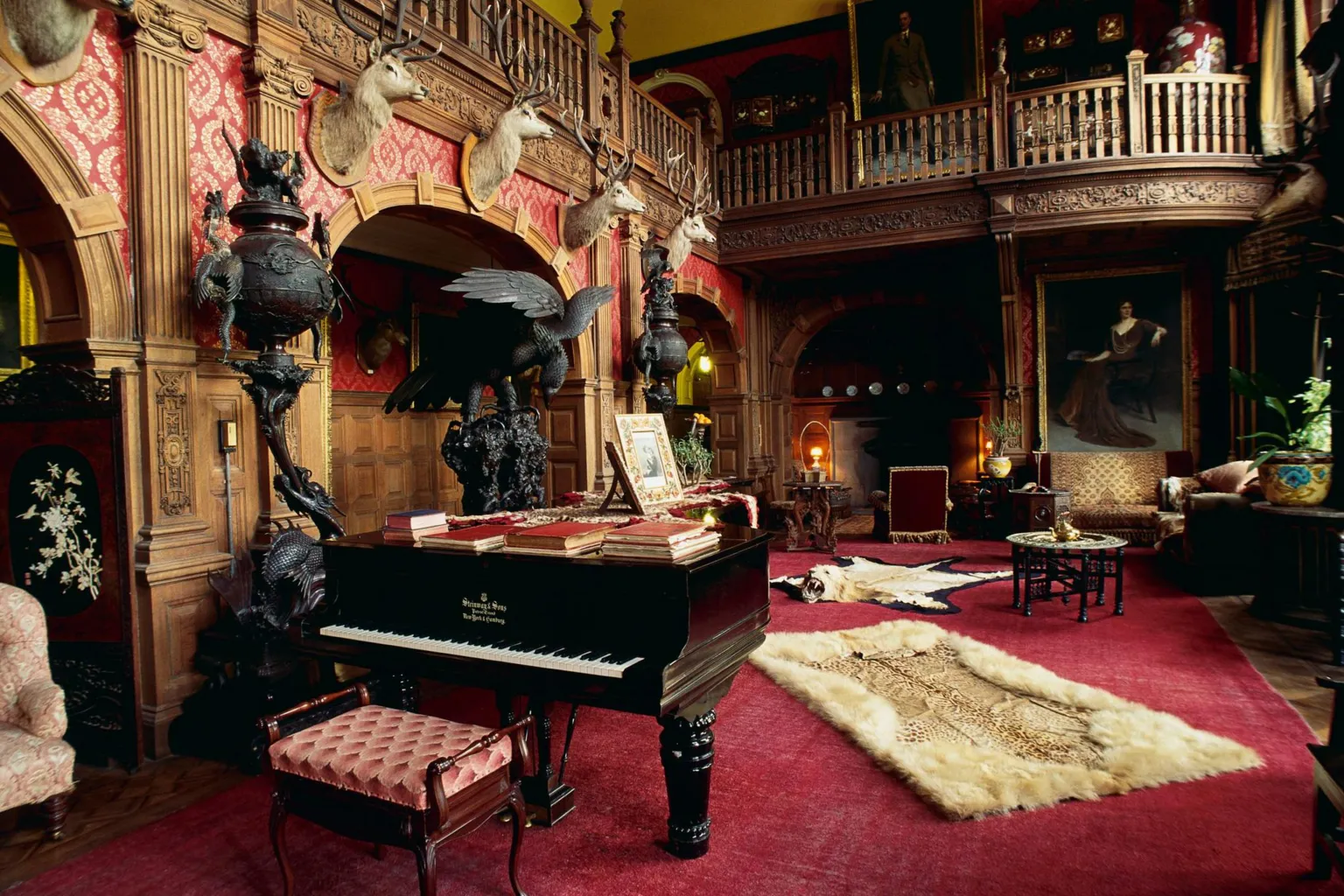
The property was relisted for sale in August of the previous year with offers invited above £750,000. This followed the collapse of an earlier potential sale that ended amid a dispute involving a millionaire buyer and a Scottish government minister.
The deadline for the most recent round of offers was 9 April. NatureScot has confirmed it is collaborating with the selling agents, Savills, to evaluate the bids received.
Previous Sale Attempts and Withdrawal
In 2023, a purchase agreement appeared imminent. However, businessman Jeremy Hosking withdrew his offer, attributing his decision to Scottish Greens co-leader Lorna Slater and describing the sales process as "horrible." At the time, Slater served as biodiversity minister and had paused the sale following concerns raised by the Isle of Rum Community Trust. The trust highlighted issues including insufficient information regarding the intended future use of the castle.
Community Support and Current Status
In May of the previous year, the Scottish government reported that new research indicated the majority of Rum's 22 residents supported reopening the sale process. The exact number of current offers has not been disclosed.
NatureScot stated:
"In considering prospective buyers, we will be taking into account not just the financial offer but also the planned use for the castle and how its future will contribute to the nature, sustainability, community and economy of Rum.
We've been keeping residents informed of progress and as soon as we have something substantive to share, we will provide an update."
Historical Background of Kinloch Castle
Rum is one of the Small Isles situated off Scotland's west Highland coast. Kinloch Castle was constructed between 1897 and 1900 as a hunting lodge for George Bullough, an industrialist from Lancashire. The castle was lavishly furnished to suit Bullough's tastes.
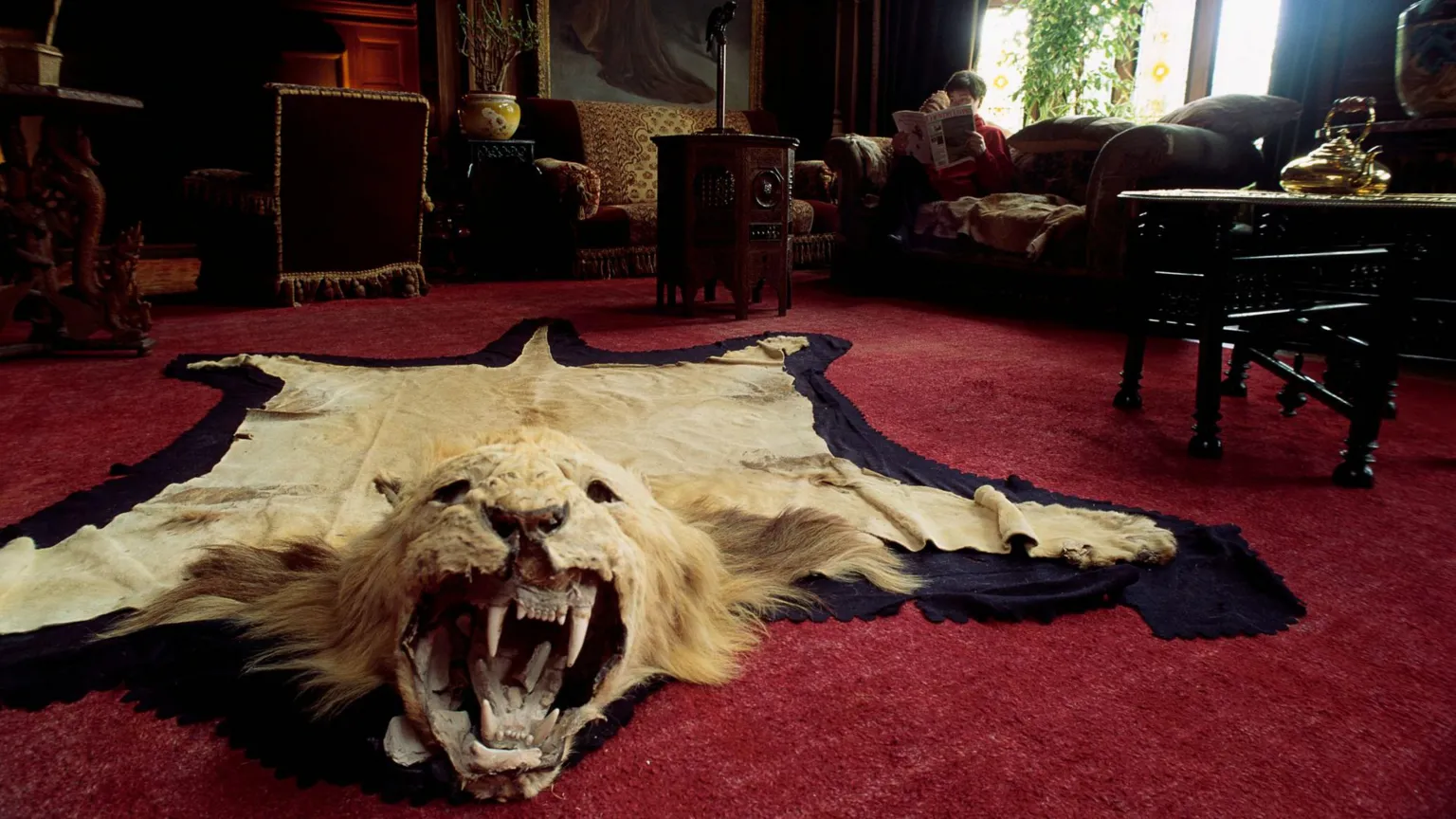
It is notable as the only residential building designed by Leeming and Leeming, a London-based architectural firm primarily known for commercial and municipal projects.
Following World War One, the property experienced a period of decline. In 1957, it was acquired by the Nature Conservancy Council, the predecessor organization to NatureScot. Since then, the castle has required extensive restoration efforts.


