

Population Growth in Northern Ireland's Counties
The counties of Londonderry and Armagh experienced the fastest population growth in Northern Ireland over the past century.
An analysis conducted by the Northern Ireland Statistics and Research Agency (Nisra) of census data since 1926 reveals that the population increased from 1.26 million to 1.9 million people.
Among the counties, Armagh's population grew by 77%, and Derry's by 81%, whereas the neighboring county of Antrim saw a comparatively modest increase of 32%.
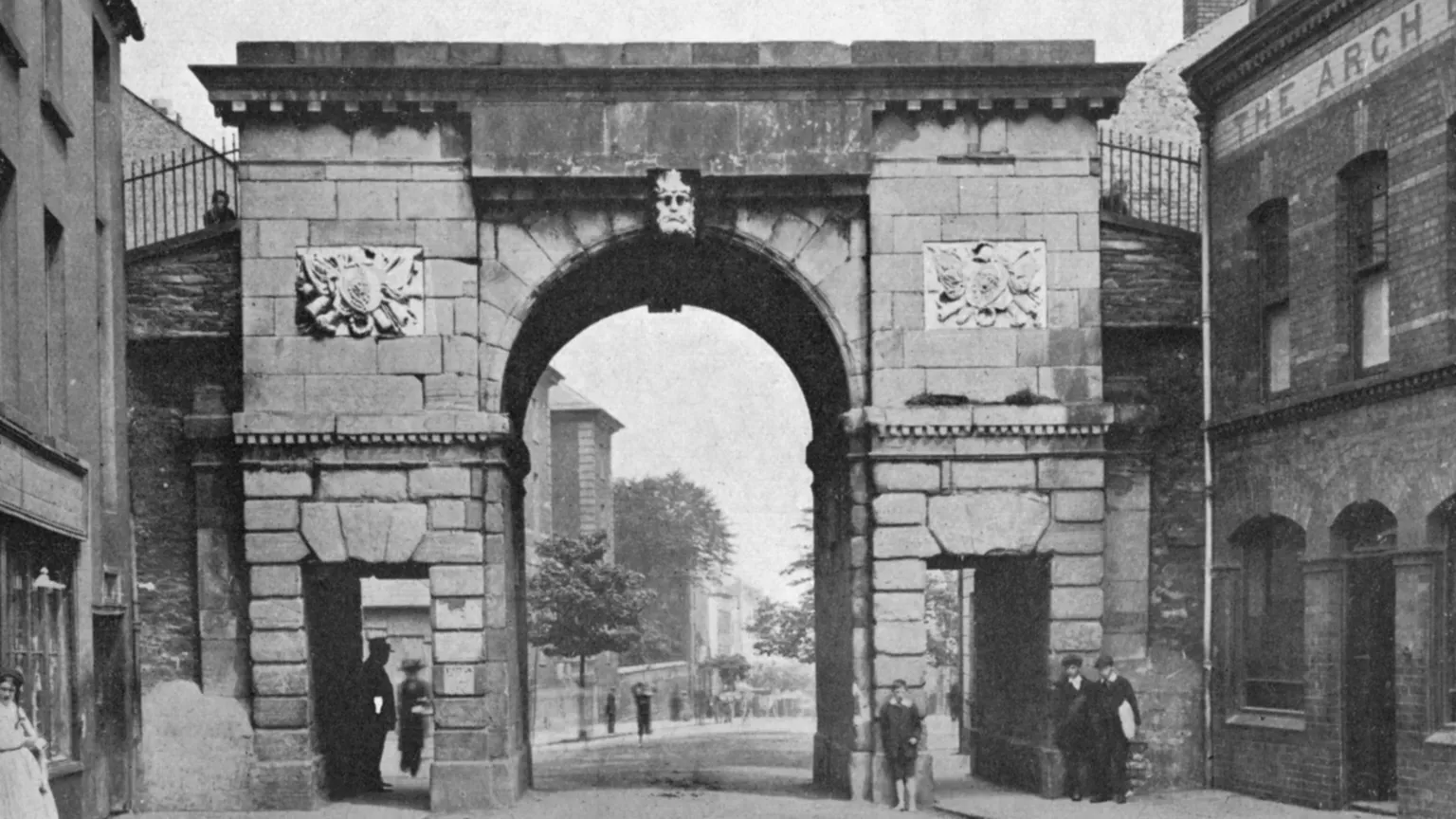
The 1926 Census and Its Historical Context
The census held in Northern Ireland on 18 April 1926 was the first conducted after the partition of the island of Ireland. Unfortunately, the official census records for Northern Ireland from that year have been lost, possibly due to being pulped or destroyed during World War Two.
On the same day, a separate census was conducted in the newly established Irish Free State. Those records survived, were digitised, and were recently published online for public access.
Although the original Northern Ireland census paperwork is missing, the main results were officially recorded and have been utilized by Nisra to analyze demographic changes in Northern Ireland over the last century.
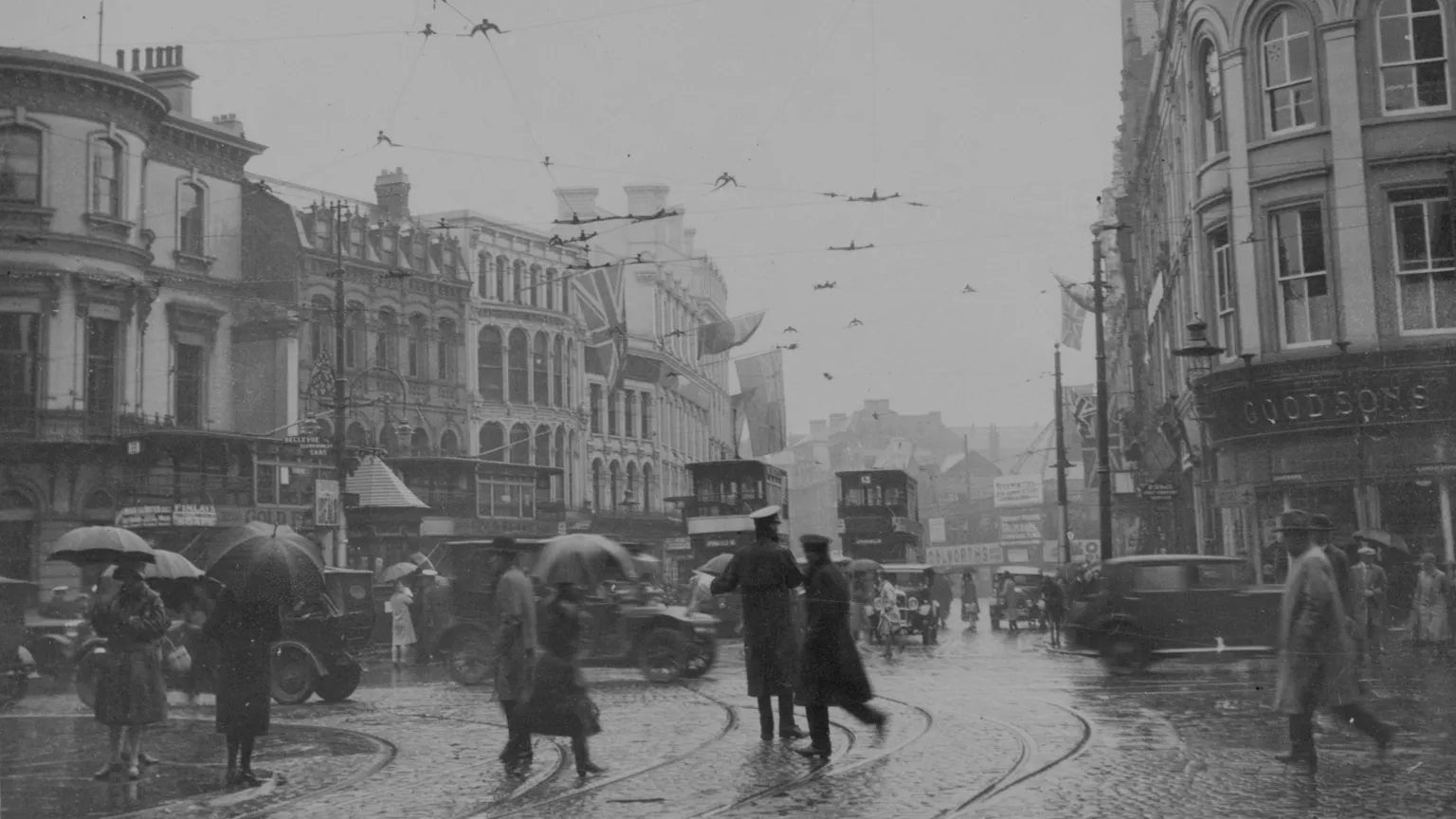
Main Differences Between 1926 and 2021
Technically, the comparisons cover a 95-year period, as the latest census data in Northern Ireland was collected in 2021.
Changes in Age and Religious Composition
Significant shifts have occurred in the religious composition of Northern Ireland’s population. In 1926, approximately two-thirds (66%) identified as Protestant or other Christian denominations, while 33% identified as Catholic.
By 2021, the proportions had changed considerably: Catholics comprised 42% of the population, and Protestants or other Christians accounted for 37%.
One hundred years ago, only 189 people reported having no religion. In the most recent census, just over 330,000 individuals identified as having no religion.
There was also a notable increase in residents adhering to other religions, rising from 1,500 to just over 25,000.
Regarding age demographics, the Nisra report highlights a "shift from a young, growing population to one that is older and more evenly spread across age groups."
Society in Northern Ireland has become more diverse, with the percentage of residents born outside the UK and Ireland increasing tenfold, from 0.6% to 6.5%.
The timing of the 1926 census was significant, as it reflected a period when life in Northern Ireland was beginning to stabilize after more than a decade of political and social upheaval.
Historical Context of the 1926 Census
The preceding years included the outbreak of World War One, the 1916 Easter Rising, the Irish War of Independence, the partition of Ireland, and the Irish Civil War.
The new border was only confirmed in December 1925, following the abandonment of an Irish Boundary Commission plan to adjust the frontier.
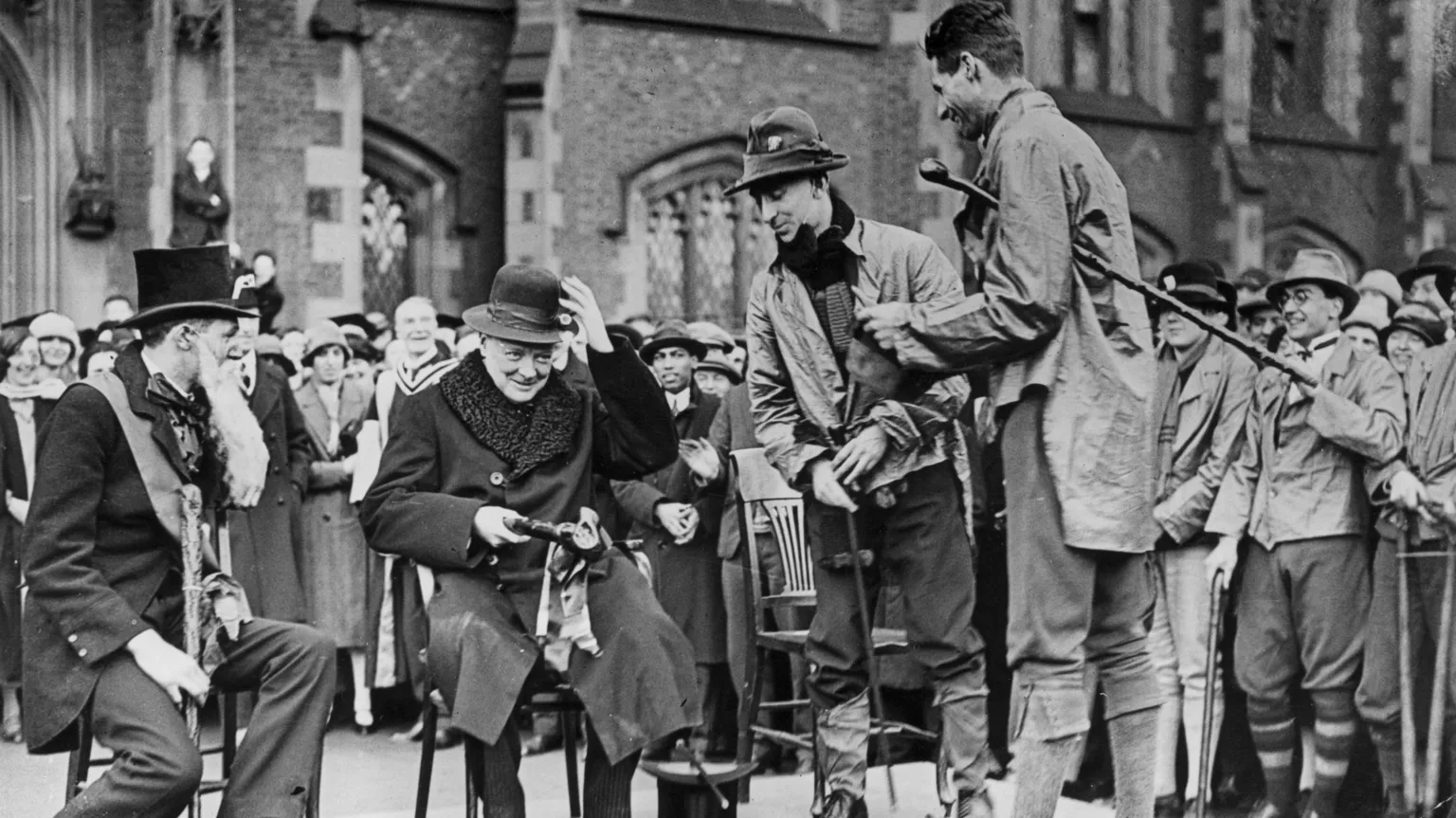
Urbanisation and Educational Attainment
Professor Marie Coleman, a historian at Queen's University Belfast, commented on the comparison between the 1926 and 2021 censuses, highlighting the pace of change in Northern Ireland.
"What you see is a process of urbanisation over the course of the 20th century, Derry in particular.
"I suppose Belfast urbanised a lot in the 19th century with the linen industry, but you see a very big growth in the conurbation of Derry-Londonderry. That's one of the big takeaways from it.
"Within those areas, you also see higher levels of educational attainment. That maybe is what is bringing people into the cities.
"But I would say one of the starkest changes over 95 or 100 years is the number of people staying on in education."
The full report from Nisra is available on its website.
The next census in Northern Ireland is scheduled for 2031.


