

Across Scotland's Electoral Landscape
Across Scotland, multiple electoral contests are unfolding simultaneously.
The Scottish National Party (SNP) and Labour are competing intensely for constituencies throughout the central belt.
The Conservatives aim to retain their strongholds in the north-east and along the southern border.
The Liberal Democrats seek to broaden their influence in the Highlands, islands, and the capital, while the Greens hope to increase their regional list seats and potentially secure their first constituency seat.
Reform UK is striving to establish a presence by electing Members of the Scottish Parliament (MSPs) nationwide and influencing how other parties conduct their campaigns.
But which constituencies are the pivotal battlegrounds that will determine the election's outcome and provide insight into the overall political landscape?
Rutherglen and Cambuslang
Constituencies in Scotland's central belt are critical to whether the SNP can secure a fifth term or if Labour can reverse their fortunes.
Rutherglen and Cambuslang is a key target for Labour, with the SNP holding a 13% majority from the 2021 election.
Since then, Labour has won both a Westminster by-election and a UK general election in the area, making it one of their strongest constituencies nationally.
This seat serves as a barometer for the broader central belt contests.
If Labour wins here, it could pave the way for gains in other Glasgow constituencies.
Conversely, if the SNP retains this seat, it bolsters their prospects of returning to government.
The candidates include experienced campaigners, with three having served as MSPs since 2016: SNP's Clare Haughey, Labour's Monica Lennon, and Conservative Annie Wells.
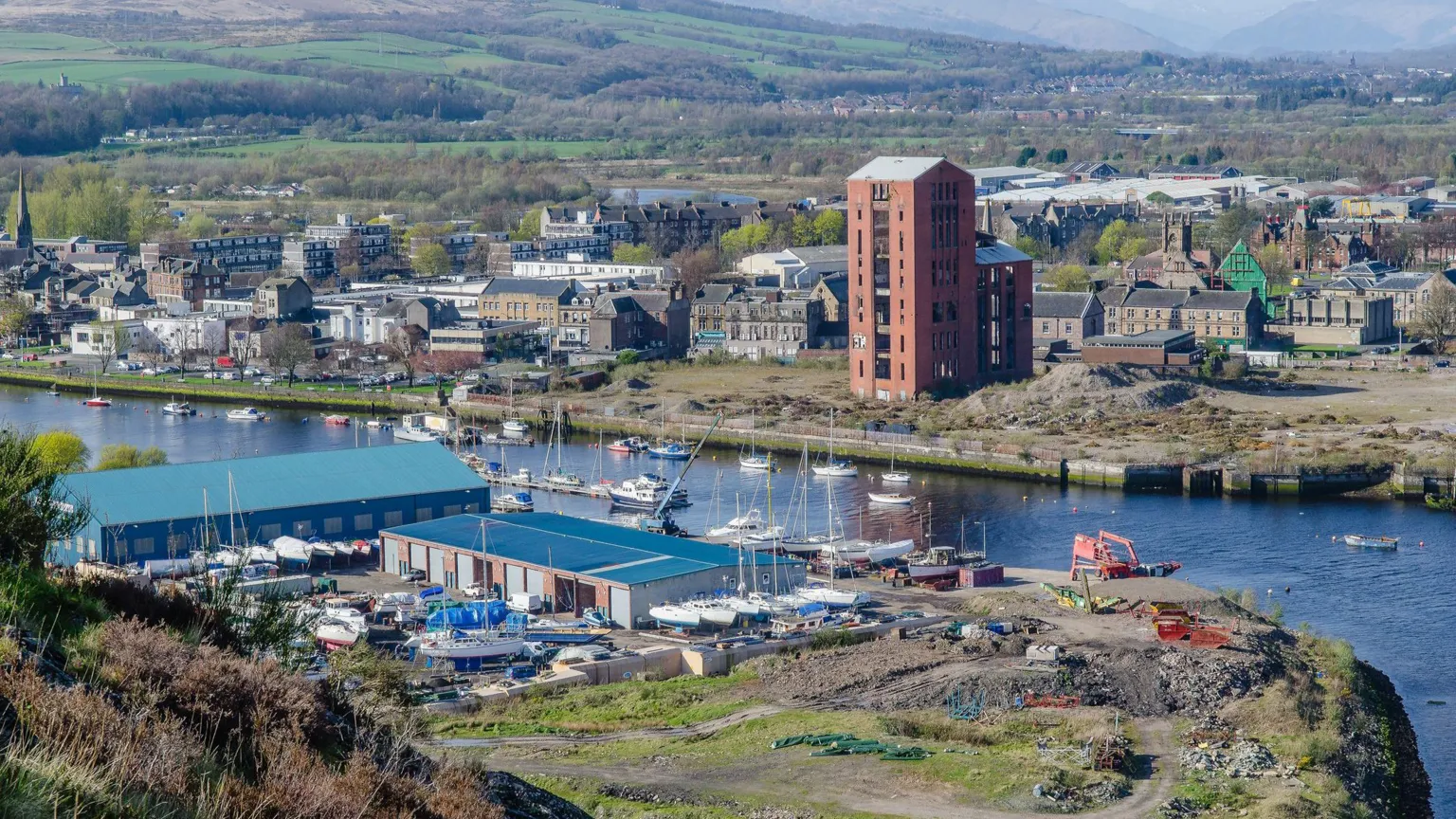
Dumbarton
Dumbarton is one of three seats that have had the same MSP since 1999, with the incumbent seeking to continue that streak.
Labour's deputy leader Jackie Baillie has successfully defended this seat against SNP challenges, though in 2016 the SNP came within 109 votes of unseating her.
Her current majority stands at a narrow 3.8%, making this result a significant indicator of party performances.
The question remains whether Labour can maintain this seat despite the unpopularity of Sir Keir Starmer's UK administration, which led to Anas Sarwar distancing himself from Starmer to protect his Scottish campaign.
Alternatively, can the SNP finally capture Labour's last stronghold north of the border?
If the SNP aims to secure a majority to mandate an independence referendum, winning Dumbarton would be a crucial step.
Eastwood
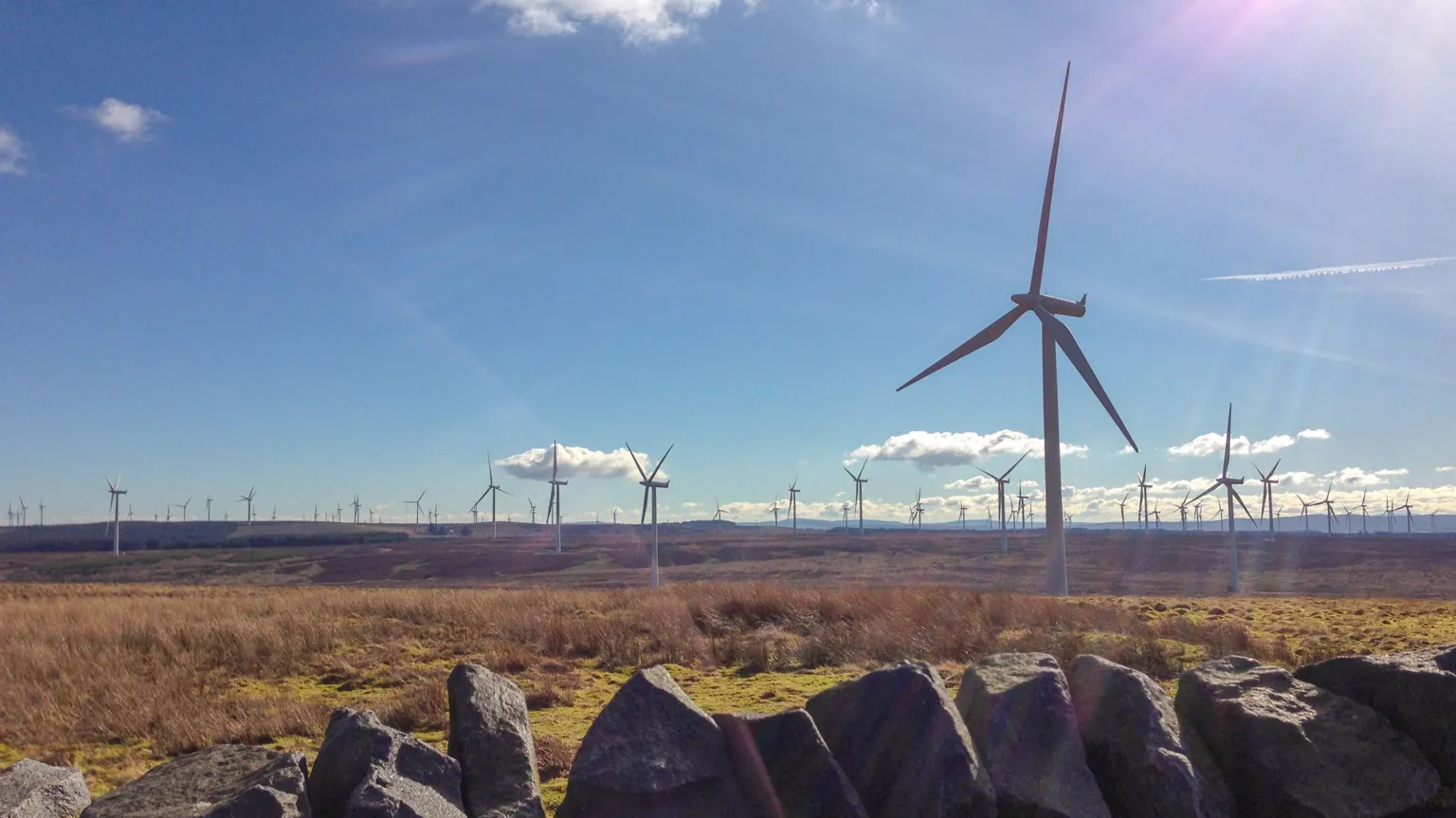
While central Scotland's constituency contests are often framed as SNP versus Labour, the Conservatives remain competitive in several seats.
Eastwood was a three-way marginal in 2016, with all three main parties receiving over 30% of the vote.
Over nine years, the equivalent Westminster seat in East Renfrewshire has shifted from Labour to SNP to Conservatives, back to SNP, and then to Labour.
At Holyrood, former Scottish Conservative leader Jackson Carlaw seeks to retain the seat against SNP's former local MP Kirsten Oswald.
Some polls suggest that if Carlaw holds Eastwood, the Conservatives may fail to secure a regional list seat in the area, potentially excluding current leader Russell Findlay from parliament.
Edinburgh Central
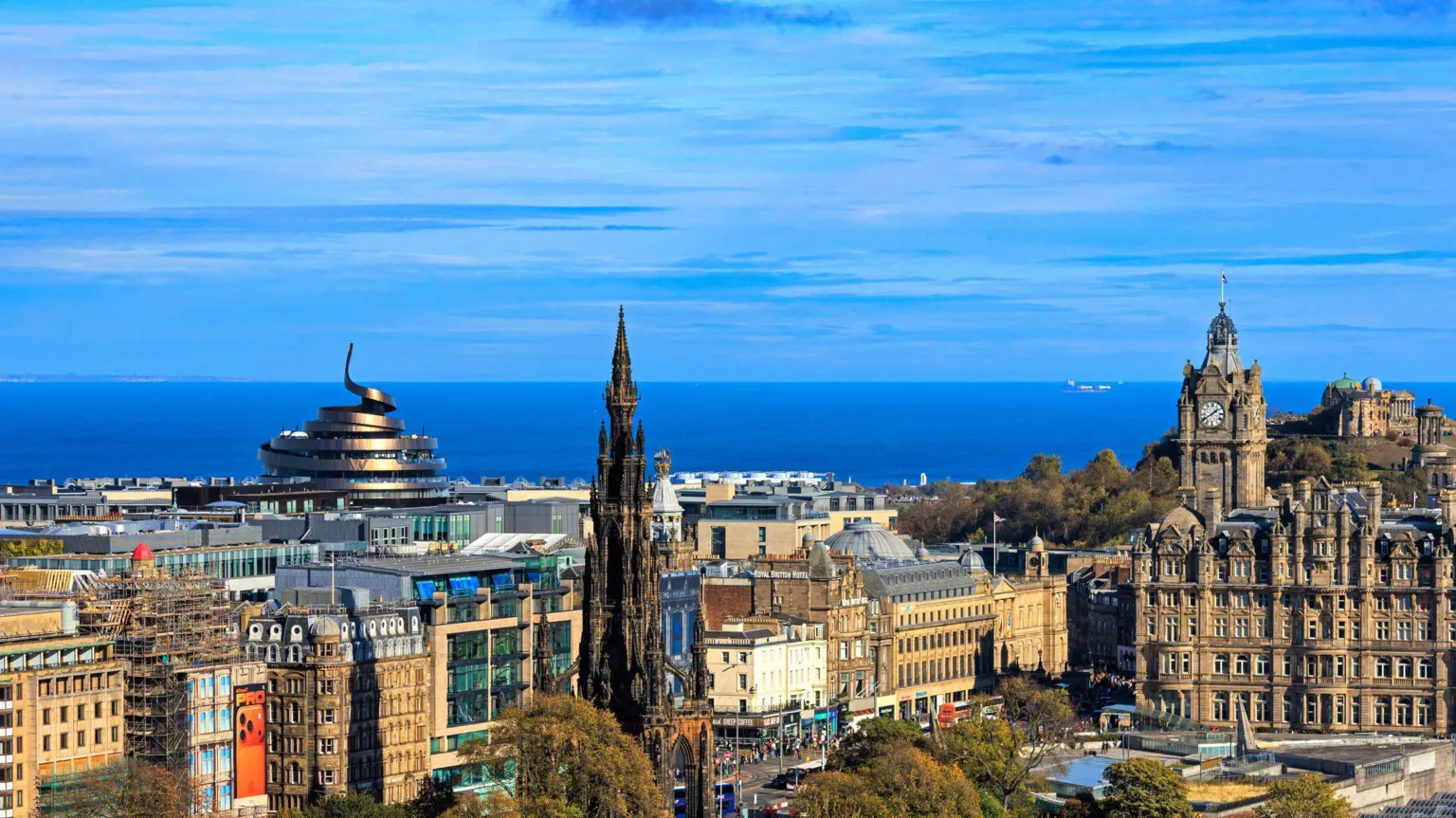
Edinburgh Central has a complex electoral history, having been held by Labour in 1999, the SNP in 2011, the Conservatives in 2016, and returning to the SNP in 2021.
Recent boundary changes have incorporated previously Labour-leaning wards in the southern city, making it a more attainable target for Labour.
The Greens also view this seat as winnable, given its demographics include many city-centre students.
They are fielding former co-leader Lorna Slater in an attempt to win their first constituency seat.
This could result in a three-way contest, with SNP candidate Angus Robertson being a significant potential loss for the party.
Shetland
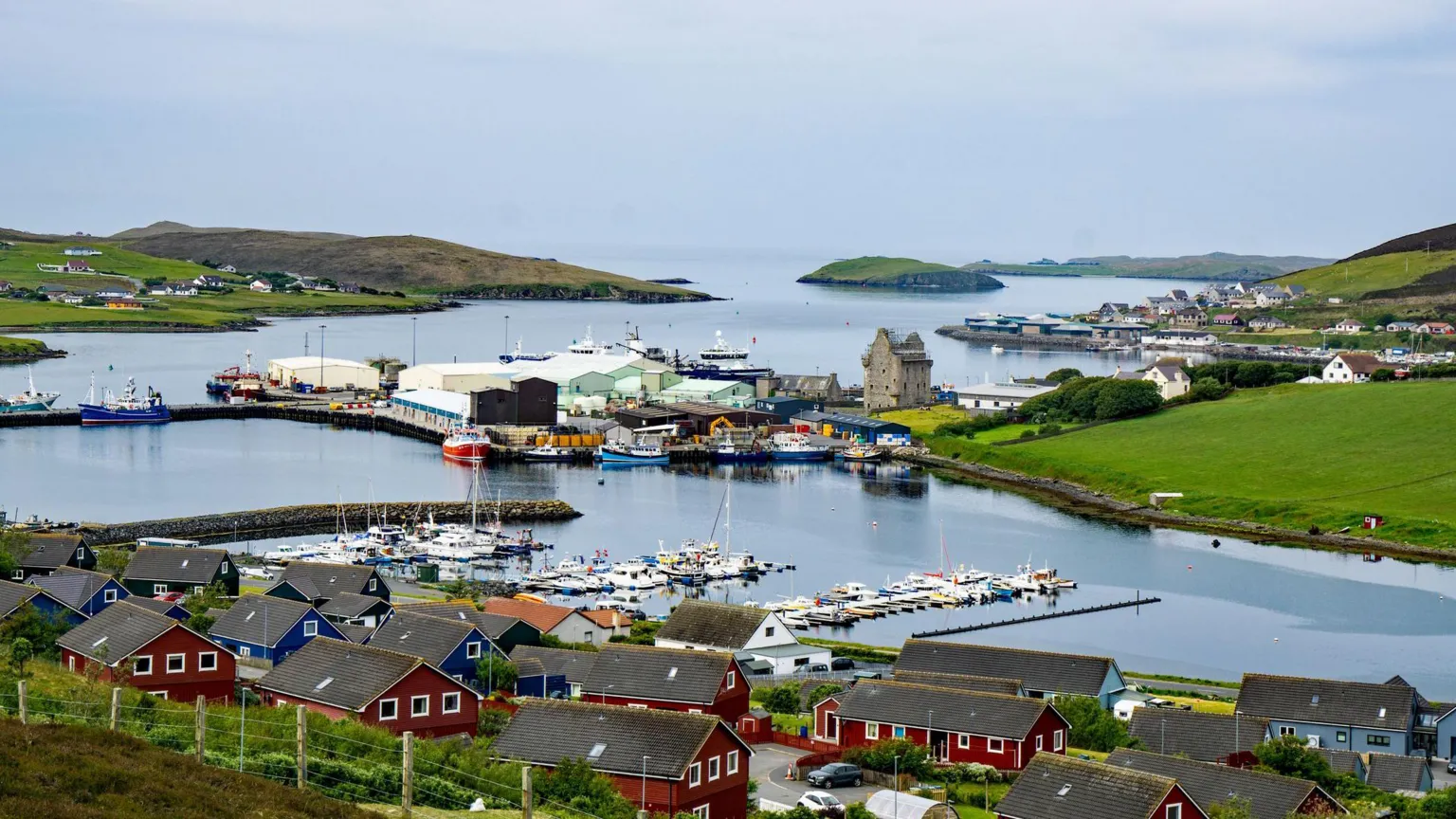
Shetland has been a Liberal Democrat seat at Holyrood since 1999, and the last time it was won by another party in a national election was in 1950.
The SNP has long sought to capture this seat, investing heavily in the 2019 by-election—more than their entire EU referendum campaign.
John Swinney campaigned here before the Holyrood election began.
The SNP candidate, Hannah Mary Goodlad, is unique among their constituency candidates for lacking a political background.
The Liberal Democrats have selected local council leader Emma Macdonald.
This seat represents a rare instance where the SNP positions itself as an anti-establishment force, and a victory here could significantly impact their ambitions for another term in government.
Strathkelvin and Bearsden
This relatively affluent constituency north of Glasgow has a varied electoral history, shifting from Labour in 1999 to an independent in 2003, back to Labour in 2007, and then to the SNP in 2011.
The Liberal Democrats are targeting this seat after winning the roughly equivalent Westminster seat of Mid Dunbartonshire in 2024 with an 11-point swing from the SNP.
Having distanced themselves from their UK coalition with the Conservatives, the Liberal Democrats have emerged with comparatively less political baggage among major parties.
They hope to capitalize on public dissatisfaction with governments, with Alex Cole-Hamilton contesting ten constituencies across Scotland.
This seat is a challenging target, requiring a 16-point swing to unseat the SNP, who finished fourth here in 2021.
The SNP must remain vigilant, as focusing too heavily on Labour and Reform UK could leave openings in constituencies like this.
Banffshire and Buchan Coast
Most polls predict Reform UK will mainly impact the election through the regional list vote, but some constituencies could see a direct effect.
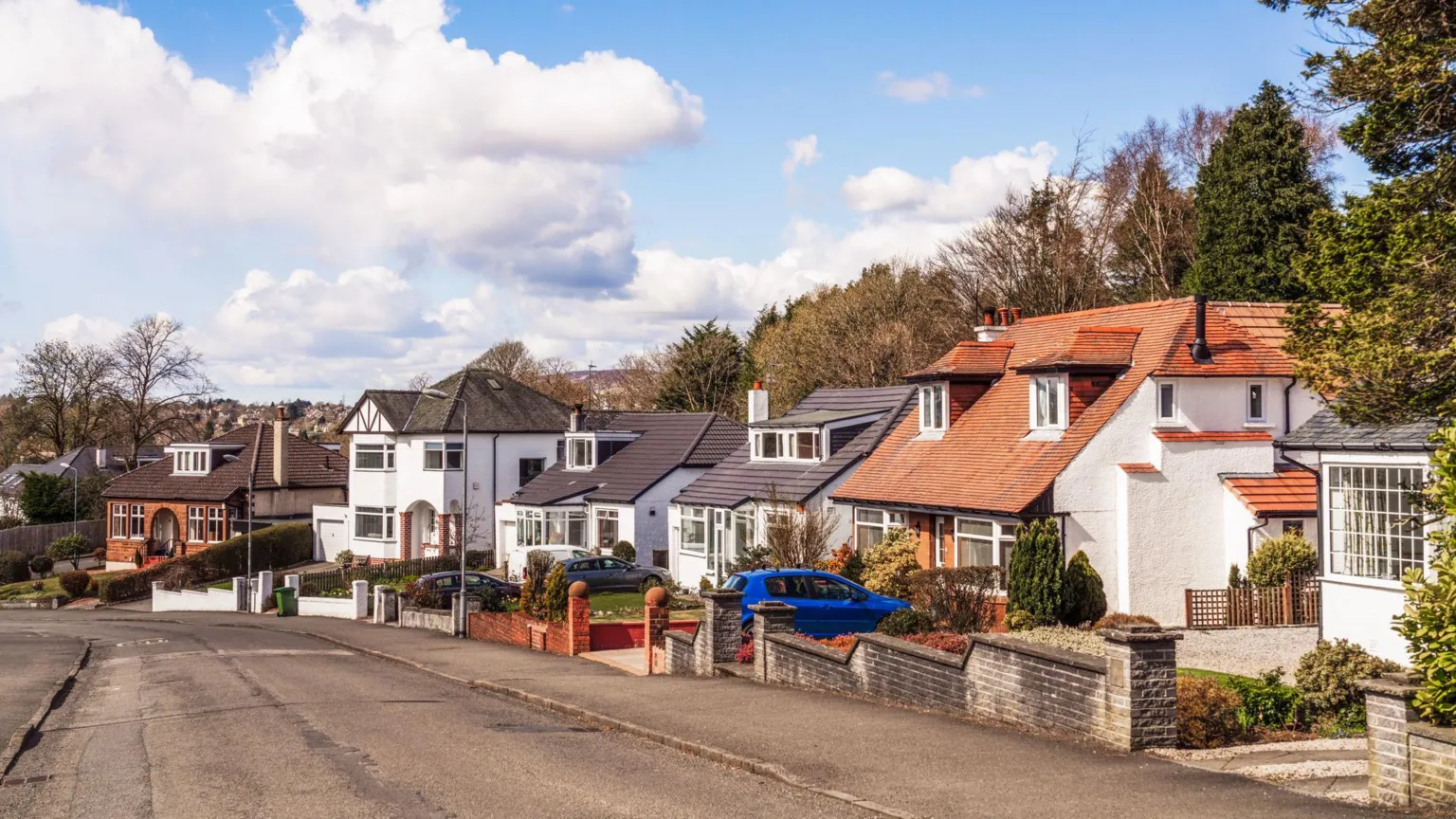
Banffshire and Buchan Coast has traditionally been an SNP seat, initially held by Alex Salmond in 1999, but it has become increasingly marginal due to Conservative challenges, with a 2.3% majority in 2021.
In the 2024 general election, Reform UK secured 14.6% of the vote here, their best result in Scotland, which may have contributed to Douglas Ross's narrow 2.6% loss for the Conservatives.
Reform's candidate, Conrad Ritchie, demonstrated local support by winning 25.9% of first-preference votes in a Fraserburgh council by-election in November 2024.
This constituency will test whether the Conservatives can maintain their core vote and assess Reform UK's appeal to voters aiming to prevent an SNP victory.
Inverness and Nairn
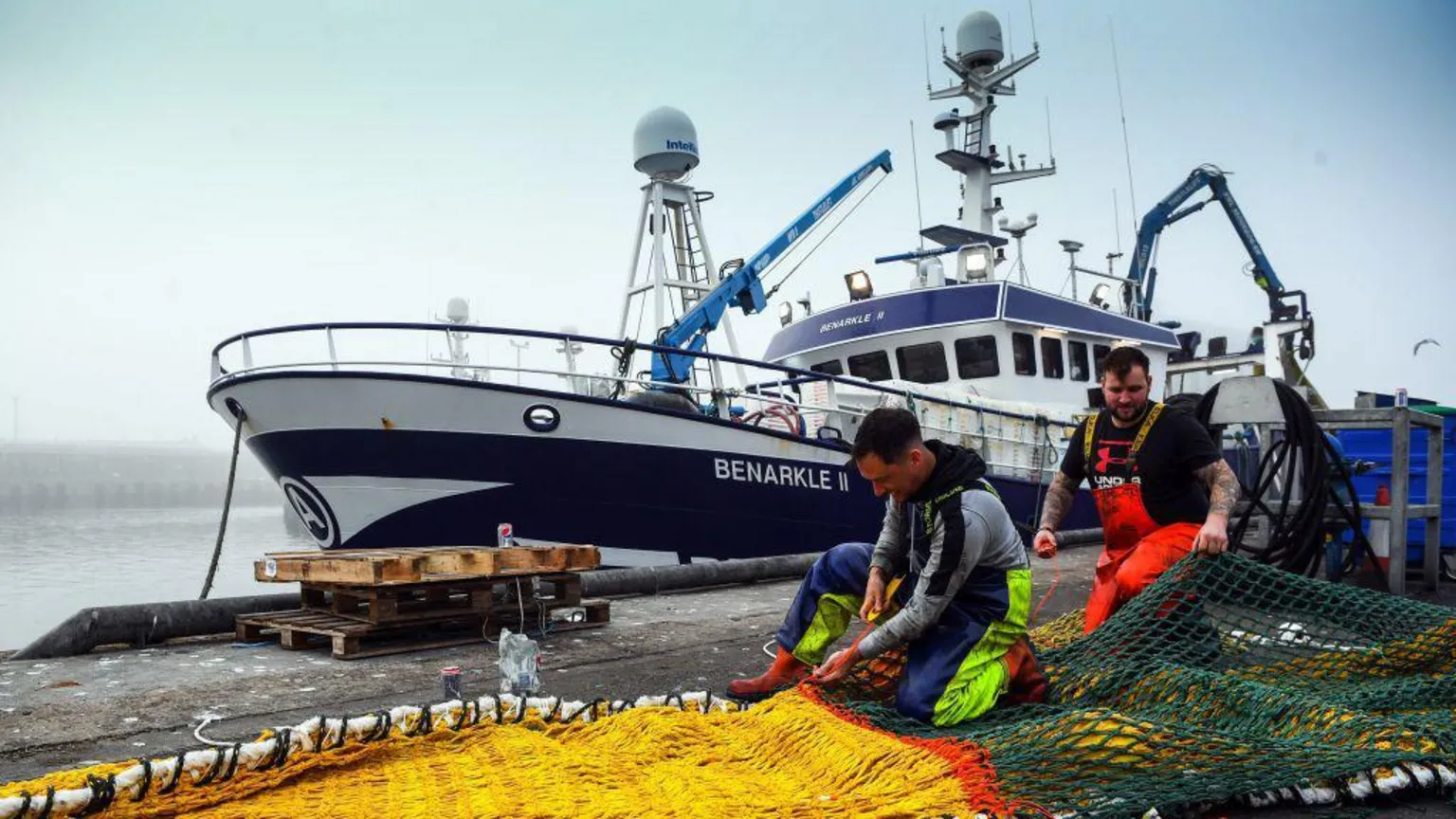
The contest in Inverness and Nairn is less about party competition and more about one individual challenging the party his family has been closely associated with for six decades.
Fergus Ewing, son of nationalist pioneer Winnie Ewing, husband of the late MSP Margaret Ewing, and brother of former MSP Annabelle Ewing, is standing as an independent candidate against the SNP.
Ewing has clashed with SNP leadership over a governing pact with the Greens and various policies ranging from gender issues to recycling.
He decided to run independently to advocate for the dualling of the A9 and A96 roads in the constituency.
Having represented the seat since 1999, the question is whether his personal vote is sufficient for victory.
Emma Roddick, who holds opposing views within the SNP, seeks to retain the seat for the party.
This contest may not reflect broader Scottish races but is crucial for the SNP's ability to govern or pursue a referendum after 8 May.
South Scotland Region
The 73 constituencies do not encompass the entire Holyrood election.
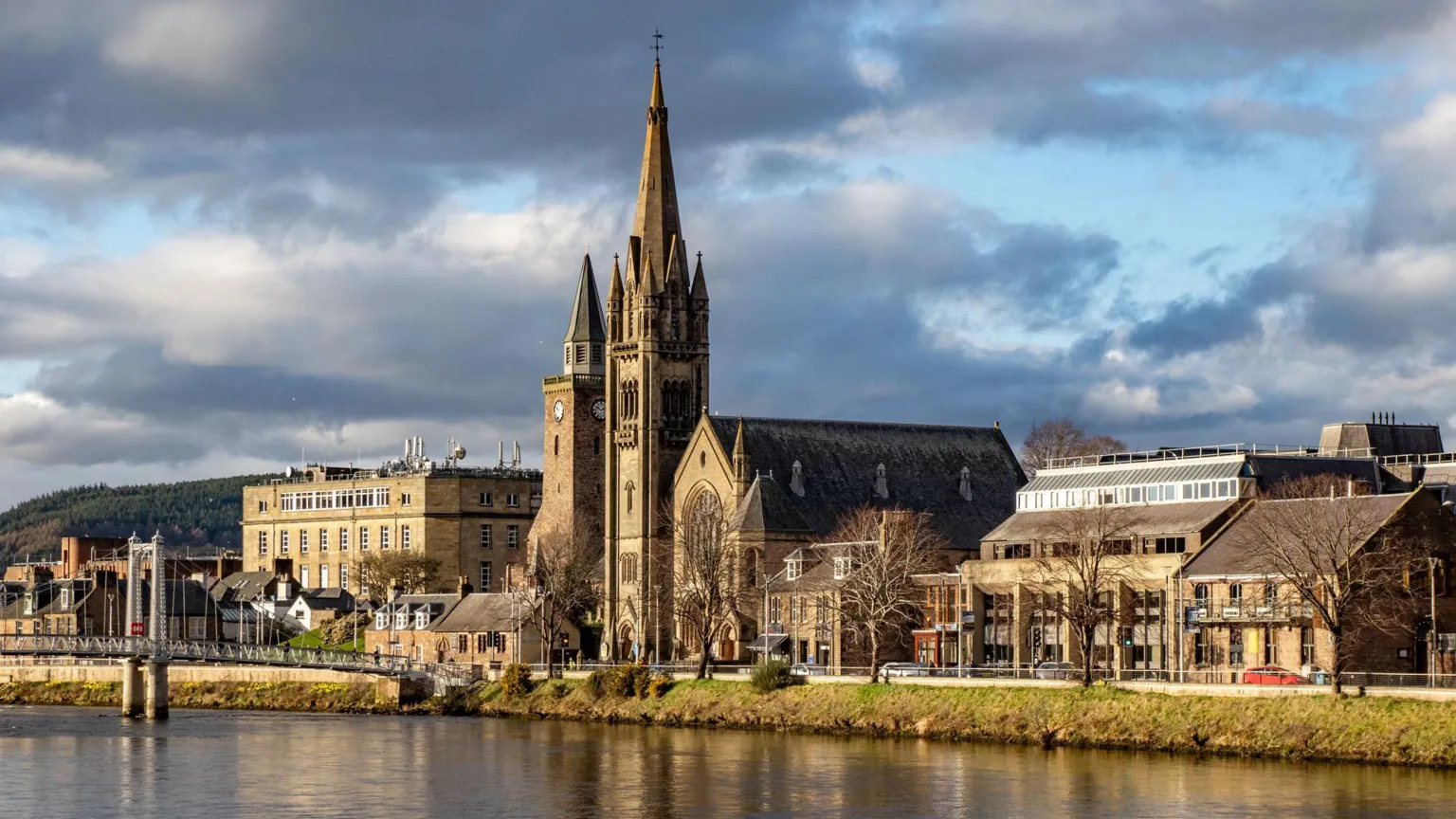
Scotland is divided into eight electoral regions, each electing seven MSPs, totaling 56 regional seats.
This system supplements constituency results to ensure proportional representation.
In 2021, the SNP won six constituencies in South Scotland, while the Conservatives took three.
Labour and the Conservatives each secured three regional list seats, and the SNP won one.
The region reflects many of Scotland's political dynamics: Conservatives countering Reform UK, SNP competing with Labour, and the Liberal Democrats and Greens aiming for regional list gains.
South Scotland's boundaries have changed since 2021, with East Lothian moving to join Edinburgh and two central belt seats—East Kilbride and Hamilton, Larkhall and Stonehouse—added.
These urban additions to a predominantly rural region may influence party vote totals and affect the allocation of list seats under the top-up system.
Fifteen parties are contesting here, among 29 parties standing on regional lists nationwide, offering Scottish voters unprecedented choice.
More on election 2026



