

Unsafe Cladding Puts Lancefield Quay Residents at Risk
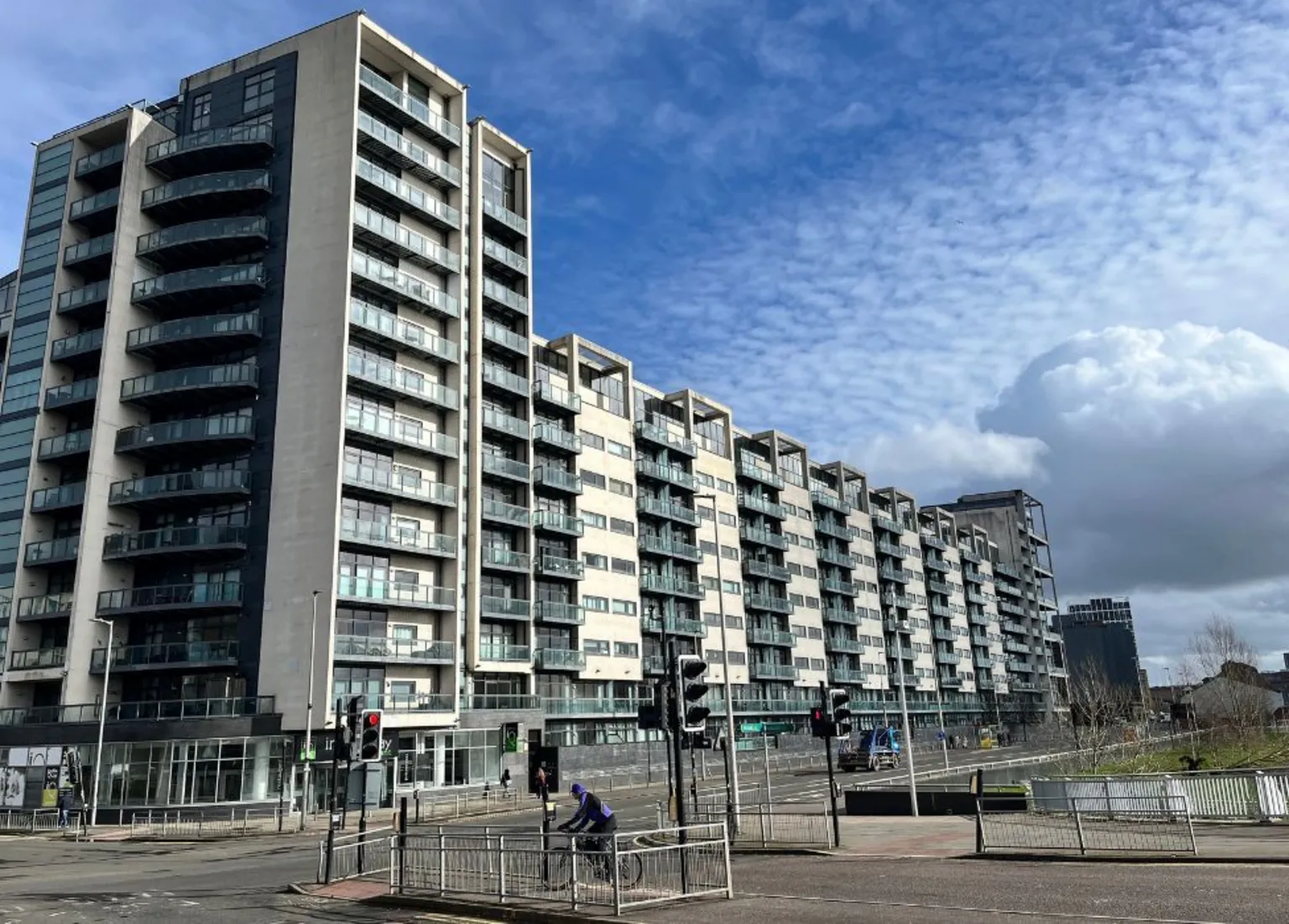
When Abhijeet Kadwe purchased a flat on the banks of the River Clyde in 2018, he believed he had secured an ideal home for his family and a sound financial investment. However, the discovery of flammable cladding at Lancefield Quay in Glasgow drastically altered his situation. The father-of-two describes becoming a "mortgage prisoner" due to the safety concerns and financial implications.
As Members of the Scottish Parliament (MSPs) prepare to vote on proposals to fund repairs to high-rise buildings with unsafe cladding, Kadwe expresses cautious optimism about the future. Meanwhile, housebuilders, who would be subject to a new tax to fund these repairs, warn that the measure could hinder construction amid a housing crisis.
Kadwe bought his Lancefield Quay flat for approximately £210,000 in 2018 and moved in with his wife and two sons. The value of his property plummeted after inspections confirmed the presence of aluminium composite material cladding—the same type that contributed to the rapid spread of the 2017 Grenfell Tower fire in London, which resulted in 72 fatalities.
Due to escalating insurance costs and the inability to sell his flat, Kadwe found himself trapped financially and concerned about his family’s safety.
"I've lost lots of sleep over it, if something happened we would have nowhere to run,"
"Nobody should be allowed to live in those conditions."
In 2022, Kadwe managed to relocate his family to another property in Glasgow’s West End but accrued significant debts while unable to sell the Lancefield Quay flat. Other residents in the building remain, with additional safety measures such as fire wardens implemented.
"I really feel bad for them,"
"They are having to live in this unsafe condition and they can't move out. They're kind of stuck there, trapped in that building."
Remediation work at Lancefield Quay is scheduled to begin this year, offering Kadwe some hope.
"Until the last piece of cladding is removed it's still unsafe,"
"But it's on the right path."
A spokesperson for Miller Homes and Cala Homes, the developers of Lancefield Quay, emphasized that safety remains their priority.
"We are actively engaged with residents and are poised to progress remediation works as soon as possible, in line with our commitments."
Grenfell Tower and Building Safety Regulations
The charred remains of Grenfell Tower in London have stood as a stark reminder of building safety failures for nearly nine years. Once concealed beneath a white covering, the structure is now being demolished.
Scotland’s cladding regulations were already more stringent than other UK regions, informed by a fatal tower block fire in Irvine, North Ayrshire, in 1999. However, post-Grenfell assessments revealed that many high-rise buildings in Scotland also posed safety risks.
The Scottish government estimates that up to 1,450 buildings may contain flammable cladding. Repair costs could reach £3.1 billion over 15 years, though both the number of affected buildings and the total costs remain contested.

Cladding Remediation Programme and Proposed Levy
Under current plans, developers are expected to finance the assessment and remediation of buildings they constructed. The government offers funding through the Cladding Remediation Programme to eligible social landlords, homeowners, and factors.
To support future remediation efforts, a building safety levy on housebuilding is proposed and is expected to be voted on by MSPs. The levy, set to begin in April 2028—one year later than initially planned—aims to raise £30 million annually. It would apply to new homes built for sale, student flats, build-to-rent properties, and residential redevelopments.

The exact tax rate is not specified in the bill and will be determined by MSPs later. Unusually, Holyrood's finance committee did not endorse the government bill, citing a "significant risk" to the housing market.
Developers and opposition MSPs argue that the levy could reduce housebuilding at a time when new homes are urgently needed. Several housebuilders claim the tax is unfair to firms that did not install unsafe cladding, while parts of the supply chain responsible for the issue would not be liable.
Aberdeenshire-based Bancon Homes, which operates in South Lanarkshire, West Lothian, and the northeast, estimates the levy could increase the cost of building each new home by £3,000 to £4,500.
Natasha Douglas, Bancon Homes’ land and planning manager, warns that such costs could squeeze profit margins and render some development sites unviable.
"It feels totally unfair,"
"This will make it much harder to deliver housing."
Douglas highlights that many developers already pay the UK-wide Residential Property Developer Tax, which funds cladding repairs, and describes the Scottish levy as a "double whammy" for large firms.
Despite the Scottish government declaring a national housing emergency in 2024 and pledging up to £4.9 billion for affordable homes over four years, Douglas believes the levy could hinder efforts to increase housing supply.
Perspectives from Residents and Campaigners
Chris Ashurst, founder of the High Rise Scotland Action Group, describes living in a flat with flammable cladding as "horrific." He shares the anxiety many residents feel.
"I turn the light off at night and think is my flat going to be safe?"
Ashurst sympathizes with smaller housebuilders but attributes the problem to developers’ failure to self-regulate. He notes the complexity in Scotland, where permission from each flat owner is required before remedial work can proceed.
When asked if he supports the levy, Ashurst responded:
"What alternative is there? There ain't none. The scale of the difficulties are such there is simply aren't resources out there to do it."
Before the stage three vote, ministers agreed to consider measures to mitigate the levy’s impact on first-time buyers. Exemptions have been included for social and affordable housing, as well as developments on islands. Additionally, a 50% relief is proposed for brownfield site developments, and the number of levy-free homes a developer can build will increase from 19 to 29.
A government spokesperson stated that developers would be asked to make a "fair contribution" to repair unsafe cladding, consistent with similar legislation in England.
"In the absence of this measure, the funding would have to be found from elsewhere in the Scottish Budget, meaning less money to spend on hospitals, schools and roads."
Progress and Challenges Ahead
The Scottish government has received approximately £97 million from Westminster related to remedial work in England, with an additional £194 million expected over the next decade. To date, only about £16 million has been spent on Scotland’s cladding remediation programme, with work completed at just two identified sites as of December.
With the building levy not commencing until 2028, many residents face prolonged uncertainty regarding the safety of their homes.
Kadwe acknowledges his relative fortune in having remediation work scheduled soon but expresses concern for others still waiting.
"For all those developments which are not going to be remediated in the next few years, what message are they sending? They are saying that your lives don't matter to us."


