Attack Following Dispute Over Stolen Viking Treasure
A metal detectorist convicted of stealing part of a £3 million Viking hoard has admitted to stabbing his friend after an argument concerning stolen gold.
George Powell, 45, was on the run from police when he assaulted Lewis Prosser at a caravan site in Paignton, Devon, in October 2025.
Prosser sustained a bleed on the brain, a fractured jaw and ankle, and subsequently developed epilepsy, the court was informed. Powell received a 20-month prison sentence for the attack.
Background of the Viking Hoard Theft
Powell, from Newport in South Wales, had previously been jailed in 2019 for his involvement in stealing 300 Viking coins and gold jewellery discovered in a field in Herefordshire in 2015. The hoard is recognized as one of the largest treasure finds in British Isles history, valued at £3 million.
He was sentenced to ten years for theft and concealing the find.
Powell was evading police in 2025 when Prosser invited him to stay at his caravan in Paignton, Exeter Crown Court heard.
Powell had been released on licence for the theft but was due to be sentenced on a separate charge for failing to pay his share of the Herefordshire hoard's value. In January 2025, he failed to appear for sentencing in Birmingham and subsequently went on the run.
The Incident at the Caravan Site
The two men spent time drinking before an argument erupted in the early hours of October 18, during which Prosser accused Powell of stealing gold and jewellery from him.
Michael Brown, prosecuting, told the court that Prosser "woke to find Powell repeatedly striking him with a knife and a truncheon baton."
"Mr Prosser fled to another caravan to get help and the on-site security, police and ambulance service were called.
He spent 10 days in hospital being treated for his injuries."
The court was told that some jewellery and gold were later found elsewhere on the site, but police indicated it was not believed to be connected to the Viking hoard.
In a victim impact statement read to the court, Prosser described the profound effects of his injuries.
"I have four or five seizures a day and I have made multiple attempts to take my life," he said.
"I have been admitted to a psychiatric ward and I am reliant on my family to take care of me."
Legal Proceedings and Sentencing
Powell claimed he acted in self-defence and has reportedly been responding positively during his time in prison.
Judge Stephen Climie sentenced Powell to 20 months in prison, to be added to his current sentence of five years and three months for failing to repay the money. A restraining order was imposed preventing Powell from contacting Prosser for 10 years.
"This was a brutal attack on someone you knew," the judge stated.
"Whatever the nature and cause of the disagreement, that does not result in any finding of self-defence."
The Viking Hoard Discovery and Aftermath
Powell, along with Layton Davies, uncovered the Viking coins in a field near Leominster.
The extensive collection of jewellery is among the largest treasure finds in British history.
Had they complied with the law and declared the treasure, they would have become wealthy men; instead, they sold it to dealers.
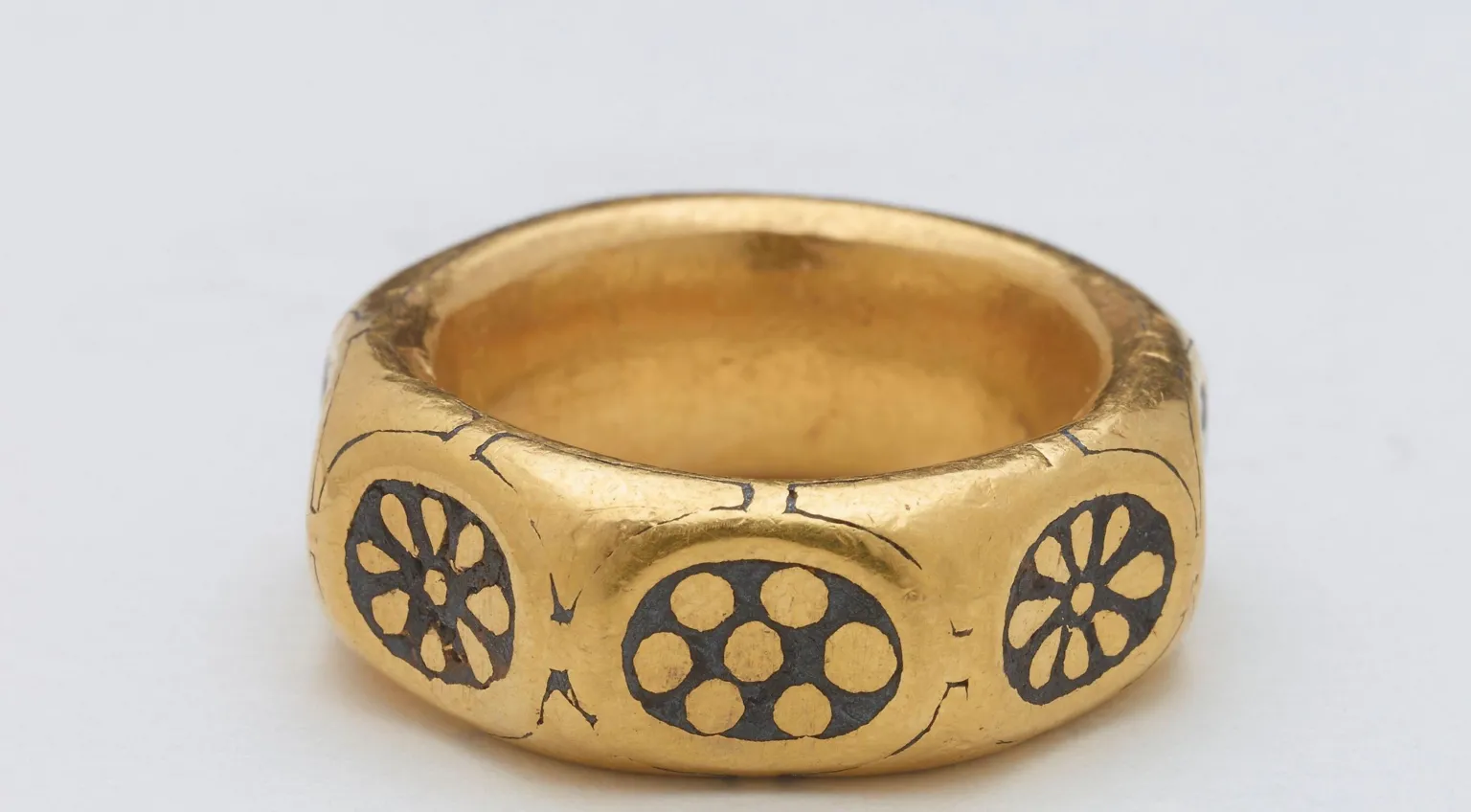
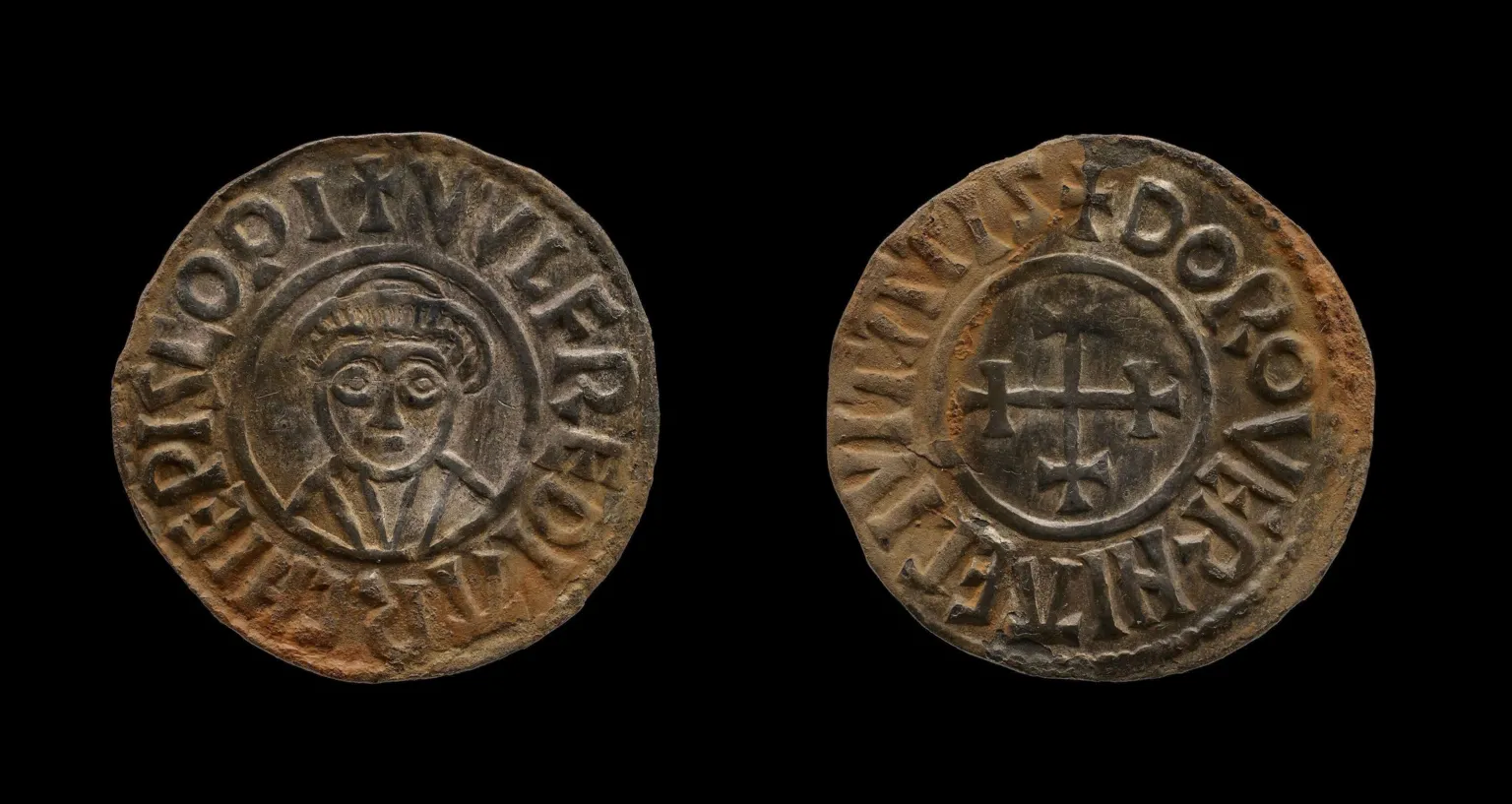
The items, including a gold ring, a bracelet with a dragon's head clasp, and numerous coins, were buried by Vikings in the 9th Century and remained hidden for approximately 1,100 years.
More than 230 of the coins have yet to be recovered.
Davies, from Pontypridd, was ordered to serve an additional five years and three months in prison for failing to pay his share of the money.