

Removal of An Ceann Mor Viewpoint at Loch Lomond
A pyramid-shaped viewpoint on Loch Lomond, known as An Ceann Mor and initially praised for its use of "sustainable timber," has been removed after the wood deteriorated due to rot.
The £280,000 structure was installed in 2015 at a remote location in Inveruglas, on the western side of Loch Lomond. It was designed to provide visitors with views of the Arrochar Alps and Ben Lomond.
Loch Lomond and the Trossachs National Park Authority reported that "significant structural issues" were discovered in the tower, attributed to a design flaw that failed to incorporate sufficient drainage and ventilation.
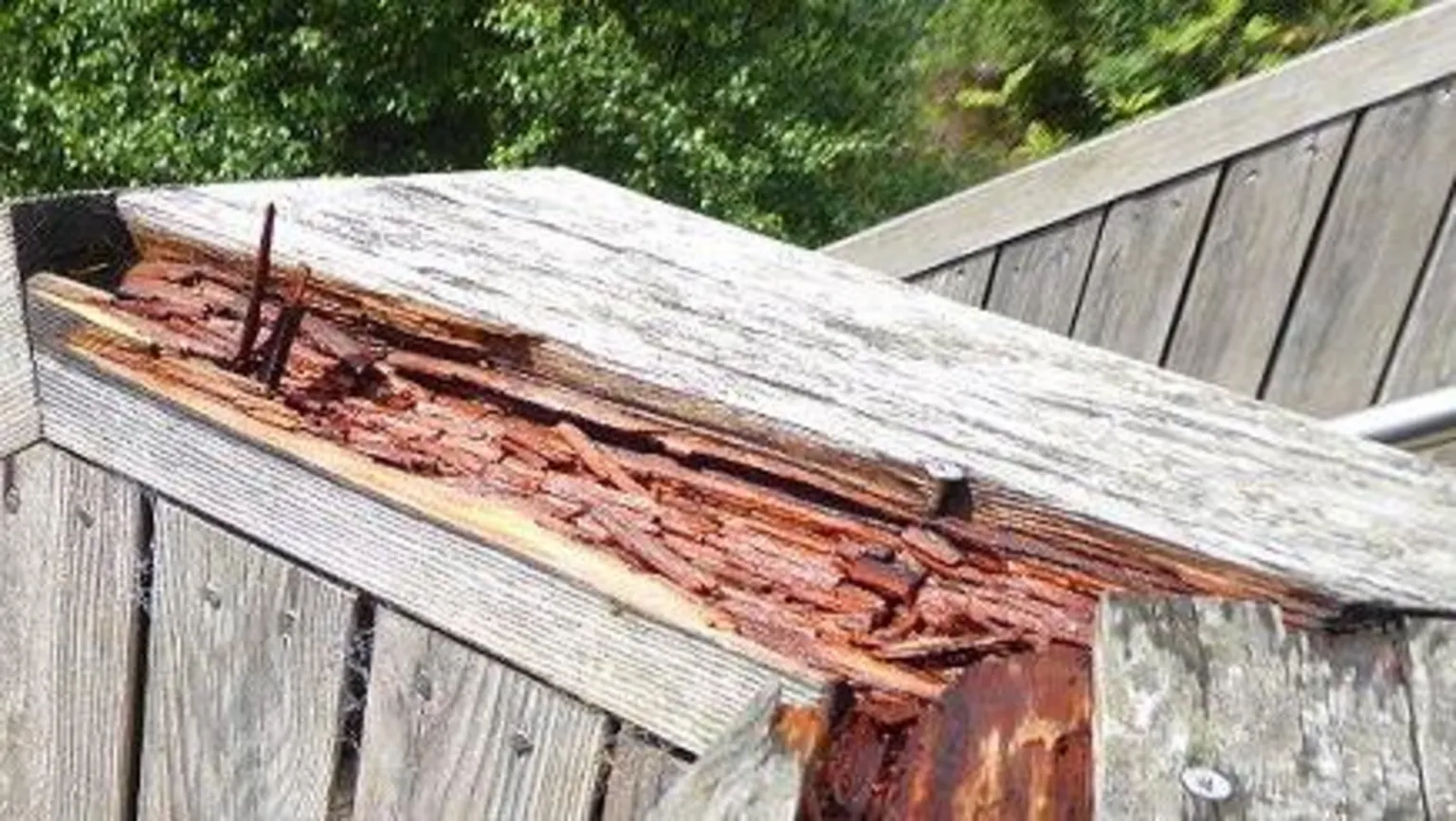
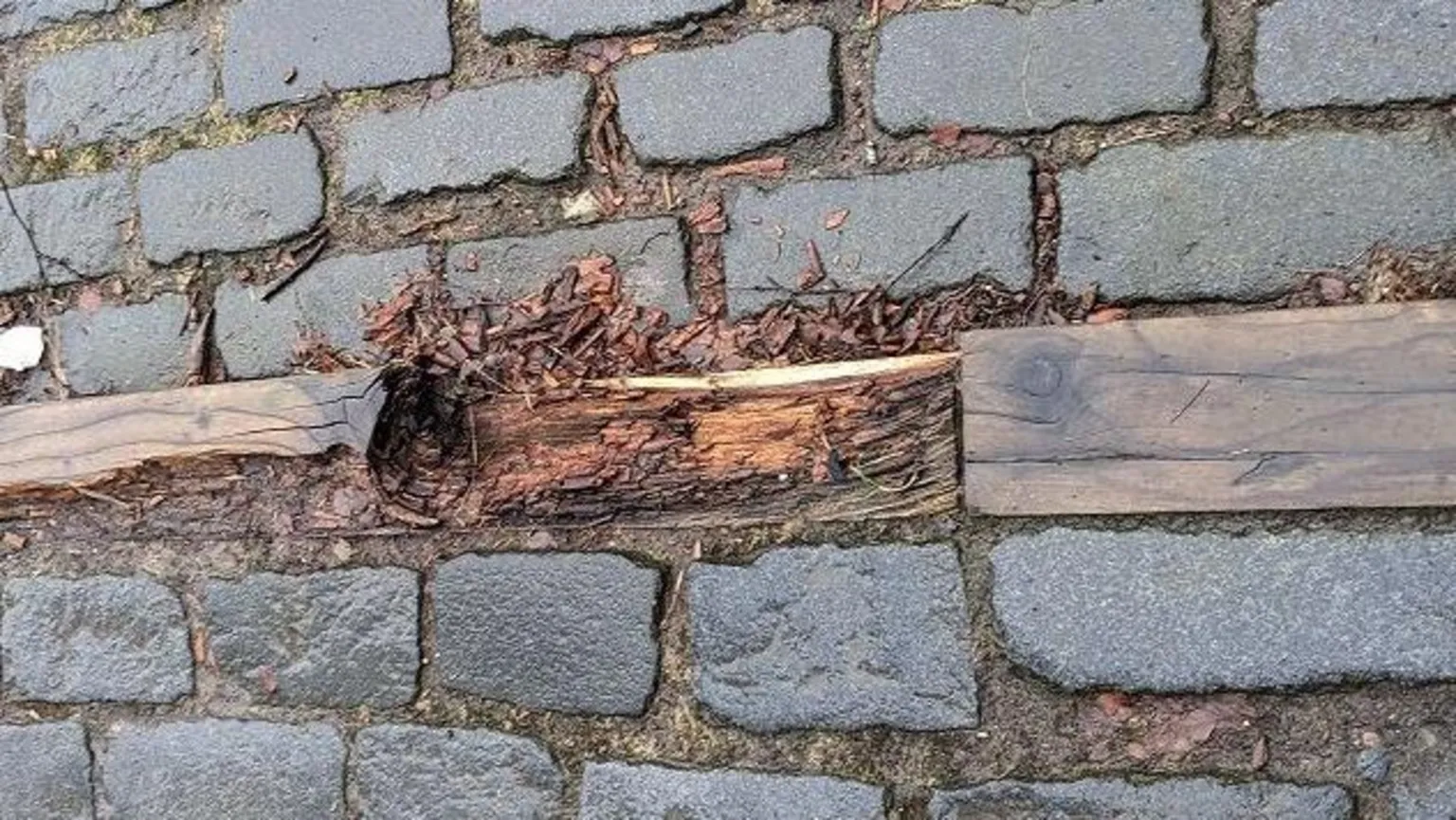
As a consequence, water and moisture became trapped inside the structure, causing the timber to rot extensively. The damage was so severe that planned repairs were abandoned due to the high cost.
The site has since been cleared, and references to the tower have been removed from the park authority's website.
An Ceann Mor, which translates to "large headland" in Gaelic, was officially opened by Richard Lochhead, then Scotland's rural affairs minister.
At the time of its opening, the viewpoint was described as being "clad in sustainable timber which, over time, will fade to a silver-grey to blend in with the landscape."
However, signs of timber degradation appeared within a few years of the tower being accessible to the public.
The upper section of the structure was closed to visitors in 2023.
Nick Kempe, who operates the Parkwatch website and blog dedicated to monitoring Scotland's national parks, first reported issues at the site three years ago.
"From a lay perspective, the wood was rotting, and the reason it was rotting was almost certainly down to the timber used, how it had been treated and how it had been maintained."
"There were similar issues with the Bracklinn Falls bridge in Callander."
The Bracklinn Falls bridge, a 20-tonne wood and copper structure costing £110,000, was installed in 2010 but was declared unsafe about ten years later. It was replaced by a steel bridge in 2023.
Photographs taken three years ago at An Ceann Mor showed considerable rot affecting the steps.

Kempe emphasized the need for ongoing investment to maintain installations like An Ceann Mor beyond the initial government funding used to establish them.
A spokesperson for the national park authority stated that repairs were initially planned for the 2024/25 financial year.
They added:
"Following further investigation into the condition of the structure ahead of planned repairs going ahead, significant structural issues were identified, indicating that the repairs required would be substantial and economically unviable."
When questioned about the cause of the timber rot, the spokesperson explained:
"The primary cause of the structural deterioration was a design issue which did not include adequate drainage and ventilation provision.
As a result, water ingress occurred, leading to pooling and moisture becoming trapped within the structure, which resulted in timber rot."
The national park authority stated it would learn from this experience and remains committed to sustainable design principles. They also noted that An Ceann Mor provided "significant public value and enjoyment" during its existence.
Plans for alternative uses of the site are now being developed.
Community Response and Communication
A local resident contacted BBC Scotland News expressing concern about the lack of public information regarding the tower's closure.
"I would have expected some sort of press release by the park authority to the public or at least to the travel trade.
I had to find out by chance. Why wasn't this news brought to public attention?"
The park authority responded that it had informed stakeholders, including SSE as the landowner, local businesses, and its destination management group—which includes tourism enterprises throughout the park—about the closure.
Background and Design Details
The pyramid was part of a pilot project under the Scottish government's Scottish Scenic Routes initiative, aimed at encouraging visitors traveling along scenic tourist routes to stop and appreciate iconic views in new ways.
The viewpoint was designed by Daniel Bar, Stephane Toussaint, and Sean Edwards, who formed BTE Architecture Ltd in 2014, one year before the structure's opening.
According to Companies House records, the company was dissolved three years later.
A spokesperson for the former BTE Architecture stated that the design was modified before and during construction, and the final structure "did not fully reflect our original proposals."
"The Scottish Scenic Routes competition supported emerging architects working with a mentor from the Loch Lomond & The Trossachs National Park Authority.
In line with the brief, none of our team were registered architects at the time, and the design - including drainage and ventilation provisions - was overseen and signed off by the authority's senior architect.
BTE Architecture had no involvement in construction, supervision or delivery."
BBC Scotland News has sought comment from the Scottish government regarding the matter.


