Labour Ministers Examine New Economic Strategy to Address Voter Discontent
Cabinet ministers have been reviewing a comprehensive blueprint aimed at fundamentally transforming the economic approach and communication strategy of the Labour Party. The proposals include devolving tax powers to local mayors, abolishing national insurance contributions, and implementing significant reforms to property taxation.
The document, circulated among dozens of MPs, warns that failure to address widespread dissatisfaction over the cost of living could result in a hard-right government winning the next election. Concerns are also mounting that the ongoing conflict with Iran, which is driving up prices for fuel, energy, food, and mortgages, may exacerbate public frustration.
The report, provisionally titled the Beveridge Report for the Economy, critiques the British economy for rewarding exploitation and opportunism rather than hard work. It highlights that voter anger stems from the perception that diligent effort and adherence to rules leave many feeling disadvantaged.
Several potential Labour leadership contenders have requested access to the report, which was developed through a collaboration between the Labour Growth Group—a faction of MPs once seen as loyal to the party leadership—and the Good Growth Foundation thinktank.
Many MPs expressed dissatisfaction with the current communications strategy that labels Reform UK and the Greens as extremists or impractical. Instead, they argue the solutions offered by populists are insufficiently radical.
“The problem with the answers coming from the populists isn’t that they’re ‘not sensible’, it’s that they’re not radical enough,” one Labour source said. “Price controls and handouts actually accept the premise that things can’t be fundamentally changed. The truly radical thing is taking on why the system is broken in the first place. Why can’t we build homes? Why is energy so expensive? Why do many workers pay a higher marginal tax rate than a landlord?
“Voters aren’t turning to Reform and the Greens because they’re becoming ‘extreme’. They’re, fairly, concluding that the mainstream offer is managed decline and they’d rather roll the dice. The answer is to put forward something genuinely bolder that really changes things for them.”
Advisers to Wes Streeting, Angela Rayner, and Andy Burnham have engaged with the report over recent months, providing feedback and suggestions to its authors.
Several current cabinet ministers have reviewed the document, with some requesting copies. This includes ministers from the Treasury, Department for Education, Cabinet Office, and Ministry of Housing, Communities and Local Government.
The report is expected to be formally launched after the May elections, a period when Keir Starmer may face a leadership challenge. It advocates for a redesign of the tax system to explicitly target those who profit from exploiting people or creating scarcity, while rewarding hard work and entrepreneurial initiative.

“People in my constituency work hard, play by the rules, but increasingly feel like the system isn’t on their side,” said Andy MacNae, MP for Rossendale and Darwen. “This is one of the most creative and serious attempts I’ve seen to actually remake that system, so work and initiative pay again while taking on the vested interests profiting from the status quo.”
The report has been led by Mark McVitie, director of the Growth Group, and incorporates significant input from Labour MPs including the group’s parliamentary chair, Chris Curtis. Several Treasury ministers, such as Dan Tomlinson and Lucy Rigby, were previously senior members of the group.
The blueprint proposes extensive fiscal devolution for mayors, including control over business rates and borrowing powers. It suggests the central government should focus on major structural and geopolitical challenges rather than micromanaging local projects.
Tax reforms outlined include abolishing employee national insurance contributions, reforming council tax, transitioning towards a land value tax, and increasing taxation on sectors that benefit from scarcity rather than value creation.
At the same time, the report recommends significant tax incentives for founders and entrepreneurs to encourage the growth of new companies rather than their acquisition by larger firms.
Additionally, the paper proposes substantial reforms to government structures, such as abolishing the Cabinet Office, expanding the prime minister’s department, and appointing more external experts to guide departmental direction.
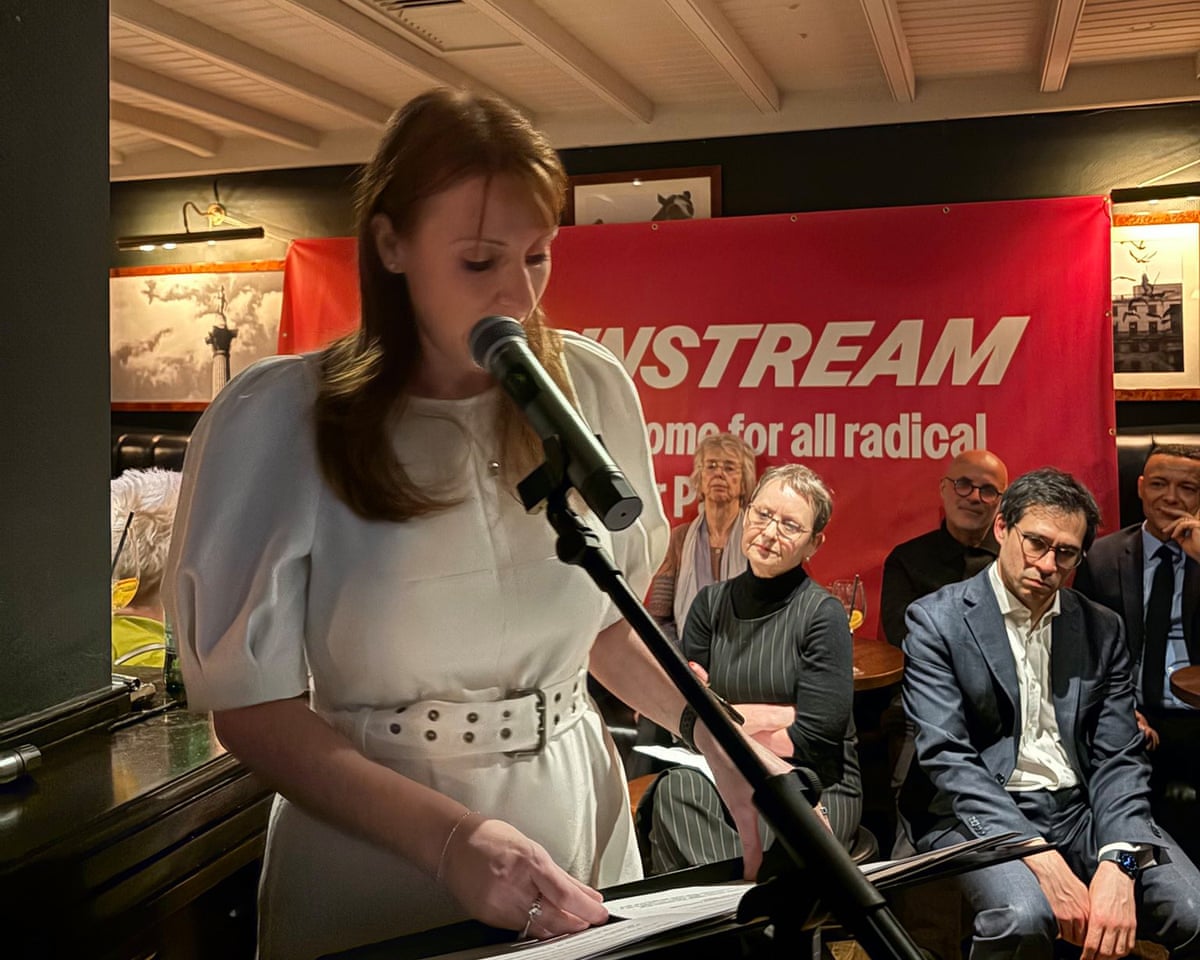
The Growth Group’s membership is largely associated with Wes Streeting’s faction within Labour, though many members also have close ties to Andy Burnham. Several MPs noted the report’s arguments bear resemblance to points made by Angela Rayner during a recent event.
Rayner cautioned Starmer against complacency, emphasizing the need for visible and tangible change.
“He cannot go through the motions in the face of decline … The change that people wanted so desperately needs to be seen, it needs to be felt. And we have to show that it is a Labour government that will deliver it.”