

Keir Starmer Faces Calls to Announce Departure Timeline After Election Defeat
Keir Starmer is confronting mounting pressure to outline a timetable for his resignation following a severe setback in local elections across Britain. Senior Labour MPs have urged him to step down within the next year after the party suffered significant losses.
Labour lost control of over 25 councils and more than 1,000 council seats in England by Friday night. Many of these were gained by Nigel Farage’s Reform UK, which made substantial advances across the Midlands and northern regions, as well as capturing seats from the Conservatives in southern England.
After dominating Welsh politics for over a century, Labour faced a near wipeout in Wales, where the party’s first minister, Eluned Morgan, lost her seat. In Scotland, Labour risks falling to third place behind the Scottish National Party (SNP) and Reform UK. In London, a surge by the Green Party resulted in Labour losing control of councils it had long held, including Hackney and Waltham Forest.
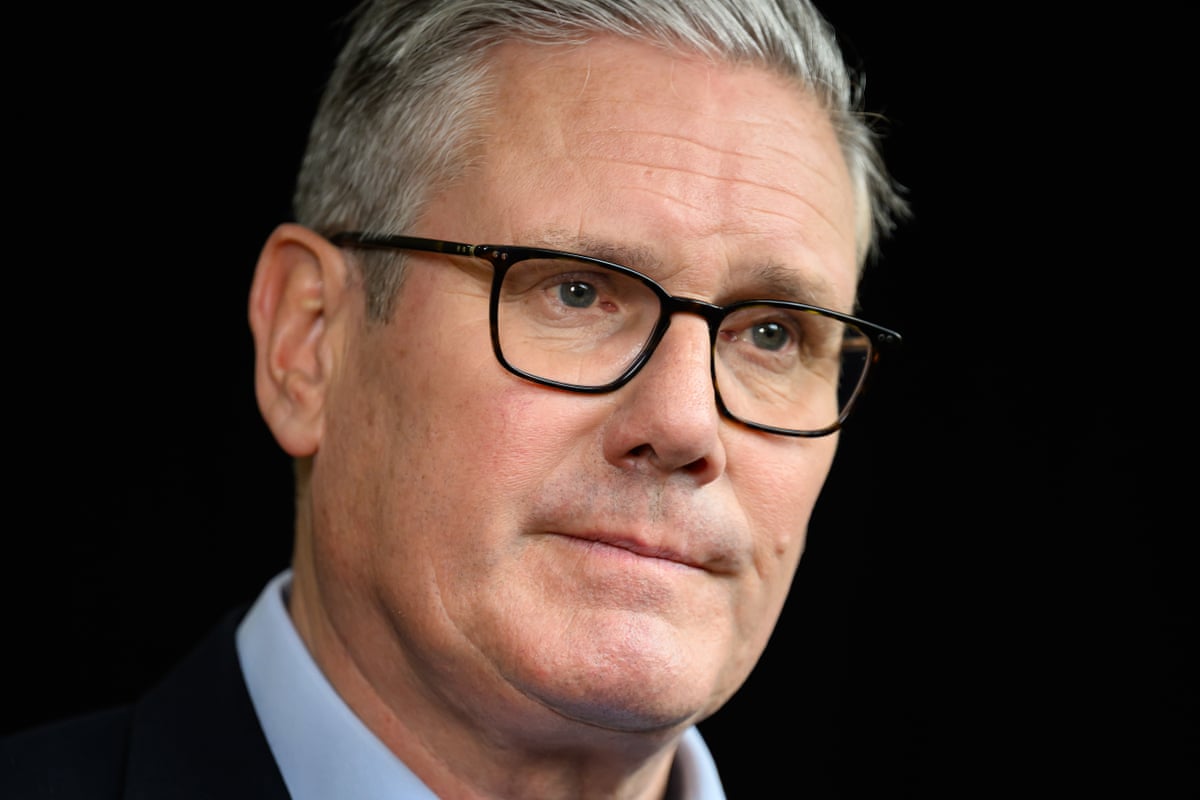
While Prime Minister Keir Starmer appeared to have avoided an immediate leadership challenge, senior MPs and trade unions responded angrily to the election outcomes. Some warned that without a change in direction, Labour risks electoral oblivion. By Friday evening, ten additional MPs publicly called for Starmer to provide a timetable for his departure from Number 10 Downing Street.
Labour MPs Demand Starmer Stand Down Amid Election Fallout
Following the local election results, Keir Starmer faced intensified calls to resign after voters delivered a harsh judgment on the Labour Party’s performance.
Starmer accepted responsibility for Labour’s loss of hundreds of councillors in England and the party’s poor showing in Wales. However, he firmly stated that he would not resign, declaring:
“Tough days like this don’t weaken my resolve.”
Some Labour MPs have publicly demanded his resignation, yet members of Starmer’s cabinet have expressed their support for him.
Health Secretary Wes Streeting, widely considered a potential leadership contender despite denying such ambitions, affirmed his backing of Starmer, saying:
“I’ll continue putting my shoulder to the wheel as the health and social care secretary, who’s getting the NHS back on its feet and making sure it’s fit for the future.”
Home Secretary Shabana Mahmood described the night as “a devastating night” for Labour but noted that the prime minister “has rightly said we must do better.”
Nevertheless, several backbench MPs have urged Starmer to announce a timetable for his resignation. Clive Betts, MP for Sheffield South East, stated that Starmer must leave “in the not too distant future,” while Sarah Owen, MP for Luton North, described the situation as “do or die for the Labour leadership.”
Labour experienced a historic defeat in Wales, ending 27 years of governance as Plaid Cymru won the largest number of seats, though without securing an outright majority. In Scotland, the SNP is emerging as the dominant party.
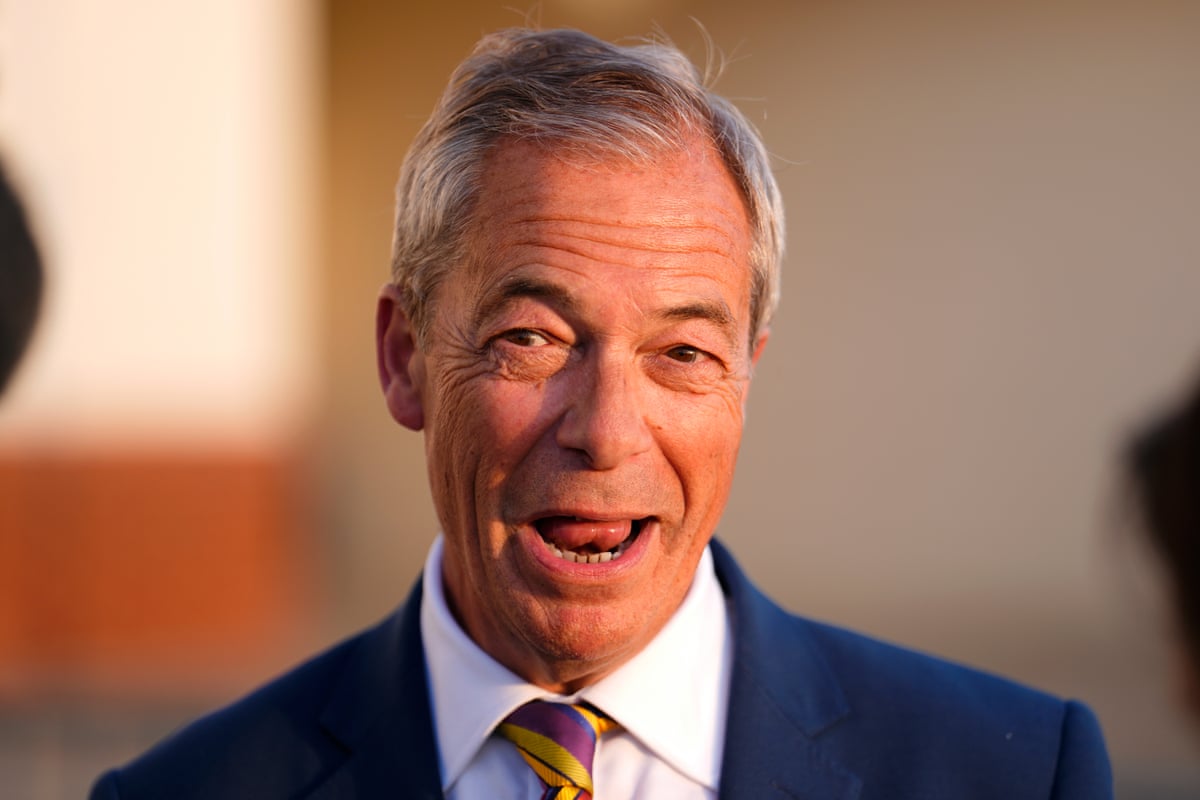
Arguably the most significant beneficiary of Thursday’s elections was Reform UK, which gained over 1,200 seats and took control of 12 councils in England, according to the Press Association’s results tally. Reform UK leader Nigel Farage proclaimed that he had initiated “a truly historic shift in British politics.”
The Liberal Democrats and Green Party also made gains at Labour’s expense. Greens leader Zack Polanski declared that the era of two-party politics “is not just dying, it is dead and it is buried.”


