

"We're living the dream," a minister jokes.
Labour may need to rely on dark humour in the coming weeks as a series of elections approach, including local contests in England and national votes in Wales and Scotland. A cabinet minister has expressed concern that these elections "will be a disaster."
Recently, visits to Wales and Scotland involved discussions with politicians seeking power and the electorate who will vote on 7 May. Despite the need for a vigorous campaign, the prime minister faces daily embarrassment over his appointment of Lord Mandelson as the UK’s representative in Washington.
There is evident turmoil within Whitehall and Labour, with perceptions that the government lacks control. A senior Labour MP canvassing voters remarked on the significant impact of Sir Keir Starmer's difficulties in Wales and Scotland.
"It's just so huge,"the MP said.
However, these elections are not solely a referendum on the government's recent troubles. Voters will decide on devolved powers affecting millions, including education, healthcare, and income tax rates. Both Labour in Cardiff and the SNP in Edinburgh have governed for extended periods—Labour since 1999 and the SNP since 2007. Voters in both nations expressed disillusionment with the status quo, dissatisfaction with public services, and skepticism about the benefits of devolution.
The two countries appear poised for divergent political futures.
Wales saw red - but no more?
In Wales, Labour's dominance seems to be waning. Canvassers report some approval for Starmer's restraint regarding potential conflict with the US over Iran, but overall sentiment is bleak. A party insider noted,
"it's been a long time coming - the failures of the Welsh government keep coming up on the doors."
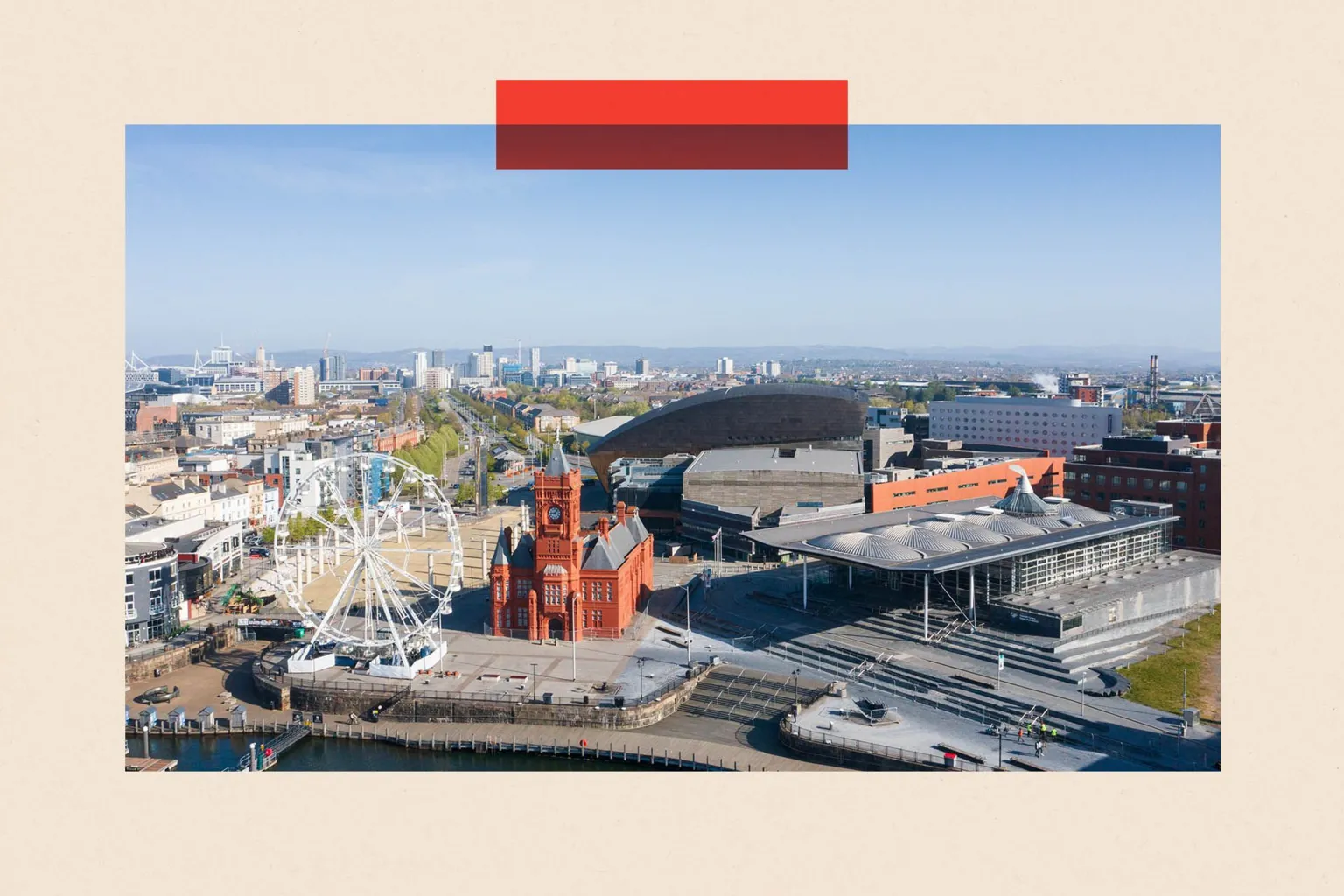
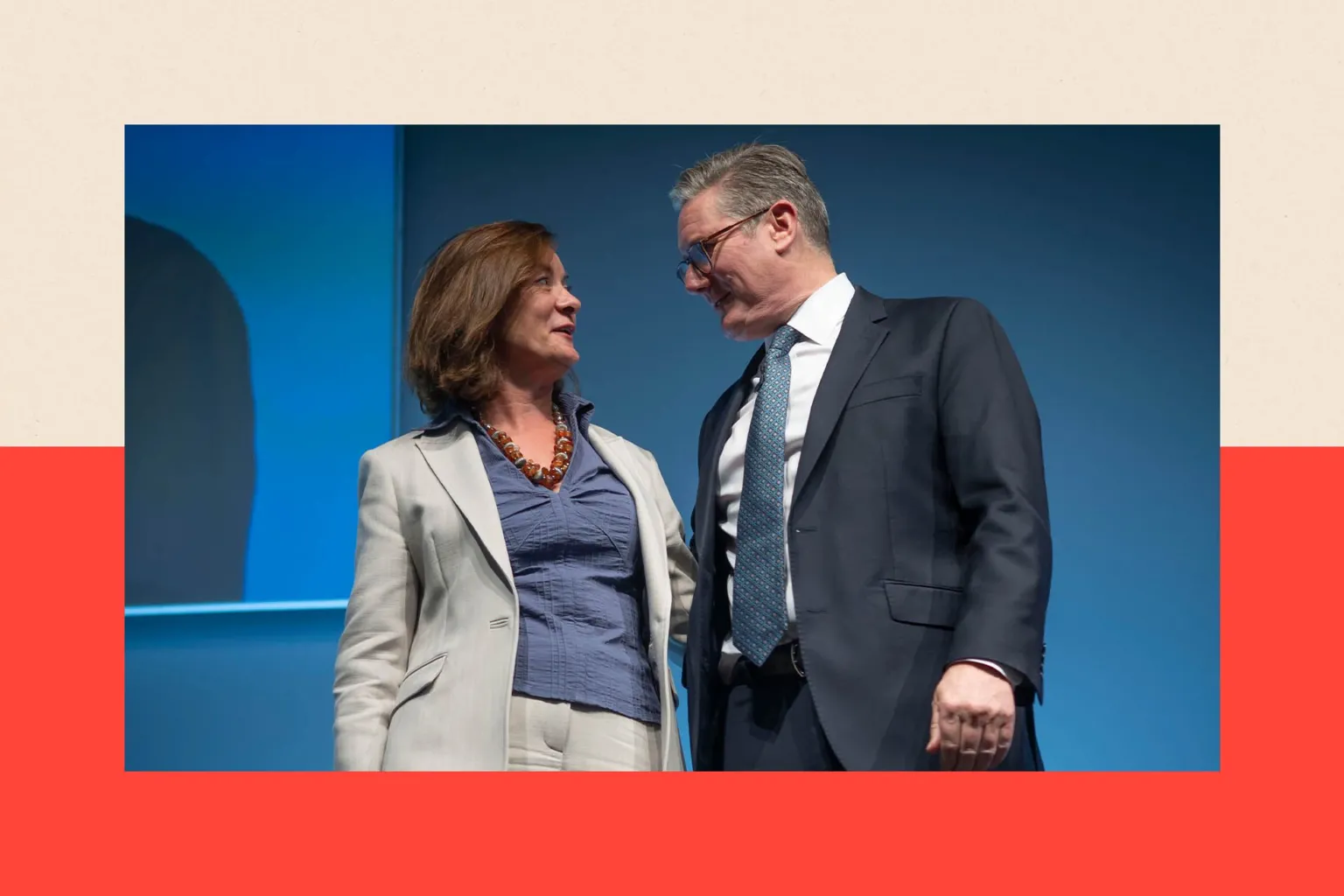
Welsh First Minister Eluned Morgan, speaking from a Swansea rooftop on a sunny spring day, expressed determination to continue fighting but acknowledged the election could be so challenging that she might lose her parliamentary seat. Such an admission from a party leader is unusual.
Labour's potential loss in Wales would be historic, as the party has held power there for a century. Plaid Cymru leader Rhun ap Iorworth and Reform's Dan Thomas are campaigning energetically, each believing they have a chance to lead. A victory by either would mark the first time a non-Labour politician has become first minister in Wales.
However, the introduction of a new proportional voting system makes it unlikely any party will secure a majority, complicating predictions and post-election negotiations.
Plaid's ap Iorworth has indicated willingness to lead a minority government, anticipating support from the Lib Dems, Greens, and Labour, who would prefer Plaid over Reform. Tory leader Darren Millar has expressed openness to collaborating with Reform, while Reform leader Thomas aims for a majority.
There is also the possibility that Reform or Plaid could win the most seats, while the other secures the most votes, which could lead to disputes over legitimacy.
The political landscape in Wales is shifting, with formerly minor parties poised for gains.
SNP confidence in Scotland – but can they be sure?
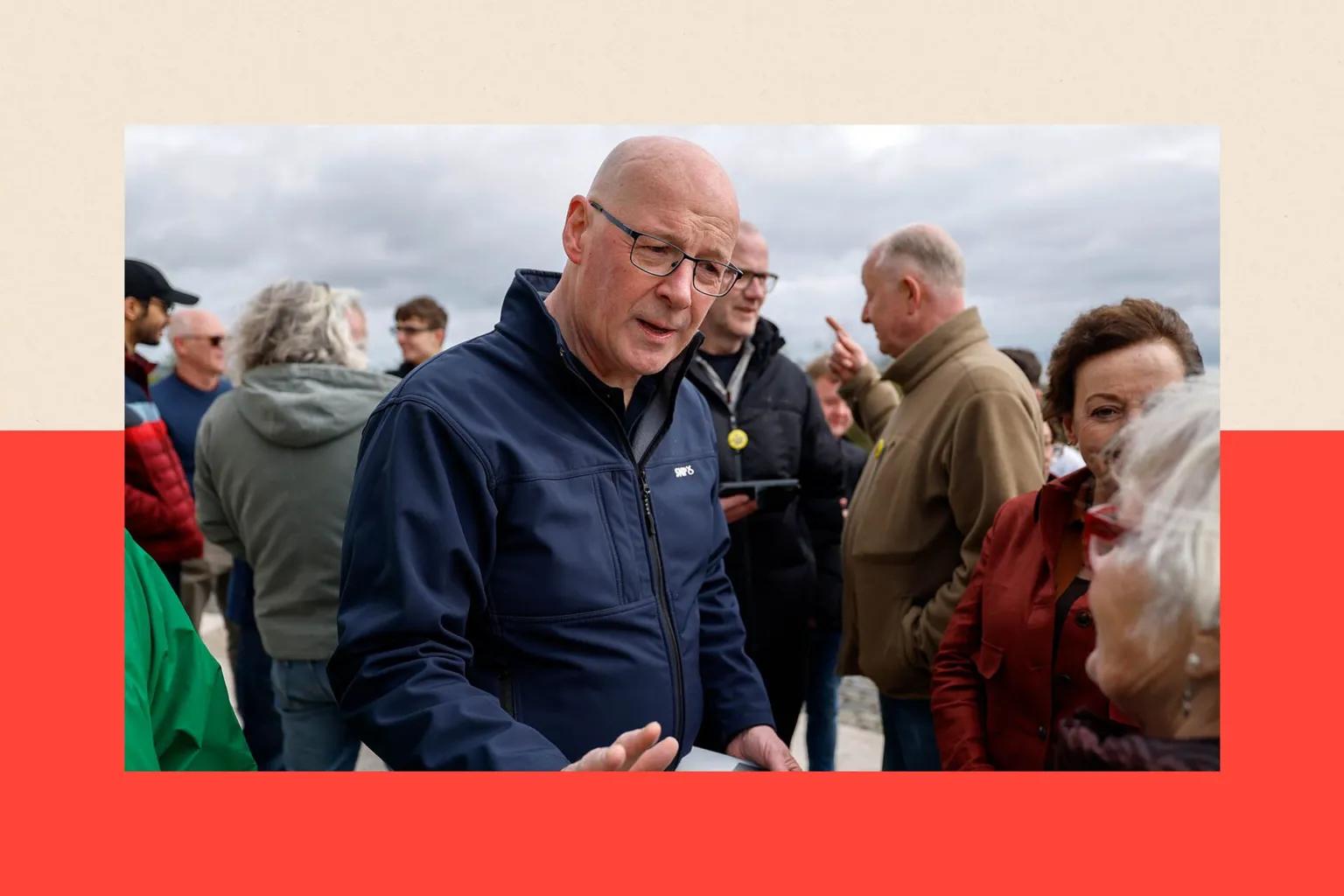
In Scotland, the political order was disrupted in 2007 when the SNP defeated Labour, a party long dominant in the region. The SNP has won every Holyrood election since and appears set to continue its tenure into a 20th year despite scandals and criticisms of public service management.
Scottish First Minister John Swinney is credited with stabilizing the party after turbulent years involving former leaders Alex Salmond and Nicola Sturgeon. Swinney expressed confidence in securing a majority, though the electoral system makes such an outcome uncertain. A Labour minister commented on the SNP's apparent overconfidence.
"They are gobsmacked by [the SNP's] lack of expectation management."
Reform is emerging as a significant challenger to both SNP and Labour, campaigning vigorously on immigration issues, especially in Glasgow where many asylum seekers reside. However, Reform's campaign has faced criticism, including controversies over offensive remarks and an apology from Scottish party leader Malcolm Offord for a past homophobic joke.
The Greens have increased membership but have not matched their English counterparts' momentum, partly due to a difficult experience governing alongside the SNP.
Meanwhile, the Lib Dem and Conservative campaigns have been low-key but consistent, with the Lib Dems engaging in community activities and the Conservatives canvassing in suburban Glasgow. Both parties seek to maximize votes in the regional second ballot, known as the "peach vote," which selects a party rather than an individual candidate.
Both parties aim to prevent the SNP and Greens from achieving a majority that would support Scottish independence.
Interestingly, despite nationalist parties' expected success, independence has not been a central campaign issue in either Scotland or Wales. Plaid Cymru has stated independence is not currently on the agenda, while the SNP believes a majority would mandate a new referendum. Voters are more concerned with cost of living, healthcare, and immigration.
'Shambles after shambles'
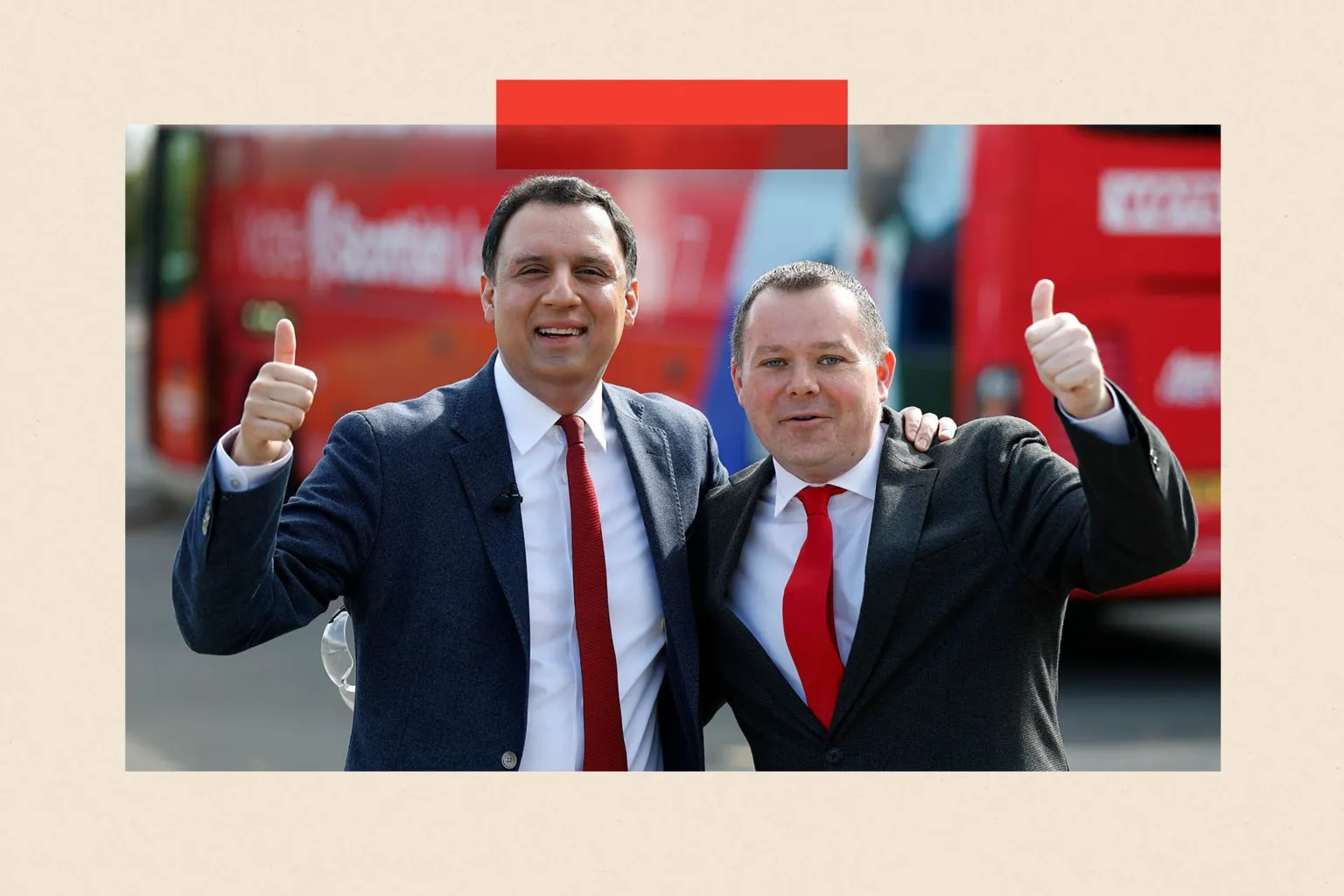
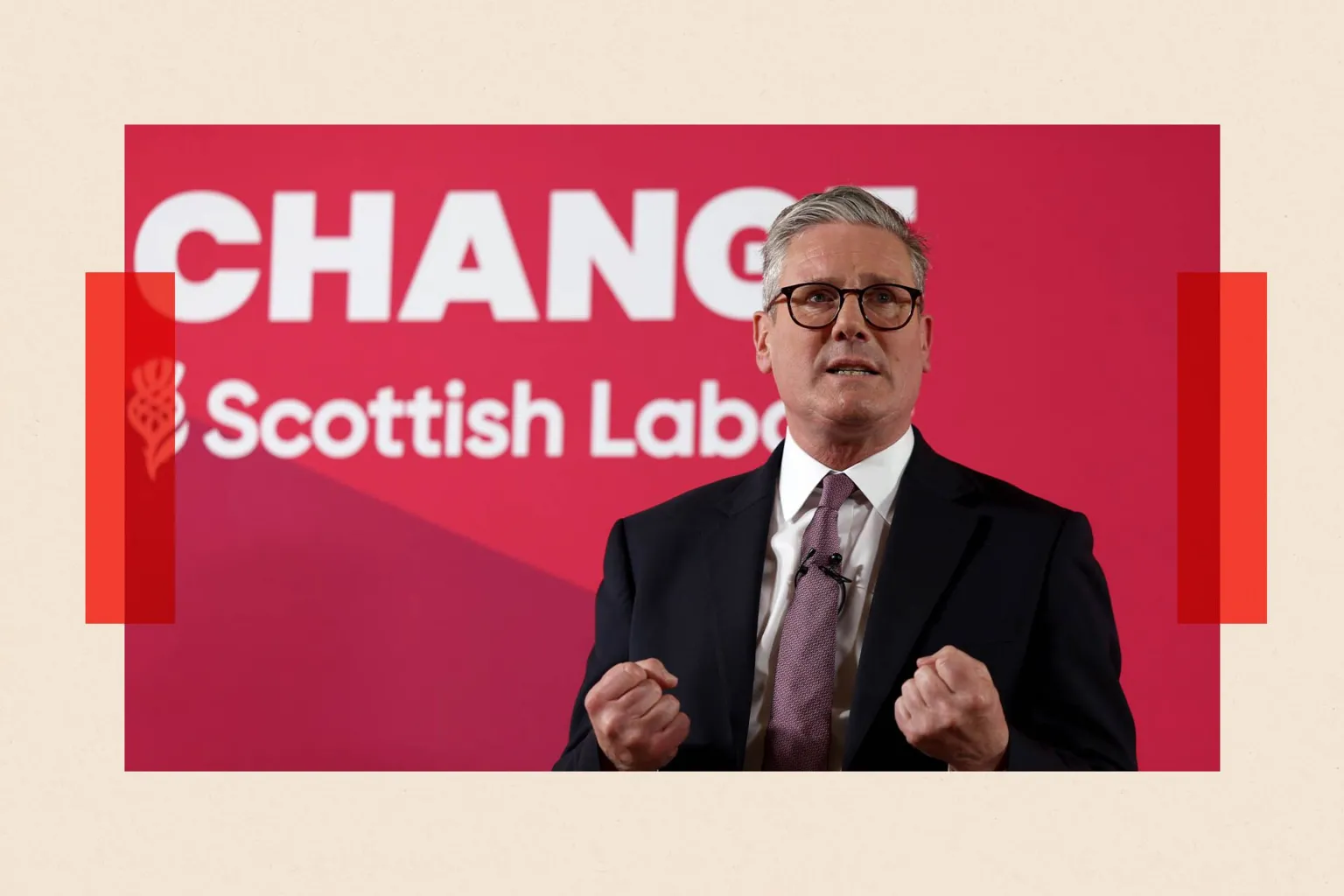
Labour's prospects in Scotland have diminished since last year when Scottish Labour leader Anas Sarwar appeared to have a chance to regain power. Sarwar, campaigning in a Glasgow suburb, urges voters to give Labour a chance after two decades of SNP rule.
However, Westminster politics may undermine this effort. Scottish Labour feels hampered by Starmer's leadership, with Sarwar publicly criticizing him as unsuitable for prime minister.
"The SNP have had 20 [years], give me five."
Sarwar's attempt to distance himself from UK Labour's disappointments has not significantly improved his party's standing. A former supporter expressed frustration, saying,
"It's been shambles after shambles."
This election is not merely a referendum on the UK government, but the negative sentiment surrounding Downing Street influences Labour's anxiety in Scotland and Wales.
An SNP campaigner remarked with satisfaction that Labour's UK struggles have been advantageous for the SNP.
When asked about Starmer's performance, Welsh First Minister Morgan paused before giving a measured response, then focused on topics like nuclear investment and highlighted instances where she has disagreed with Westminster decisions, such as the winter fuel allowance.
Within Westminster, ministers are divided over whether Starmer will face a leadership challenge after the elections. Some believe a challenge is imminent, while others argue the absence of a consensus successor makes such a move risky.
A recent poll by Portland Communications of 2,042 people revealed that only 12% of voters think Starmer should remain prime minister if Labour loses numerous council seats in May. However, among Labour supporters, Starmer remains the preferred leader over potential rivals.
The Labour Party appears to be in a state of uncertainty, torn between maintaining the current leadership or risking upheaval through a leadership contest.
The election results may determine whether Labour's dissatisfied factions act or whether Starmer and his supporters consolidate their position and proceed with renewed focus.
Regardless of Westminster developments, the public's decisions across the UK will take precedence.

BBC InDepth offers comprehensive analysis and reporting on major issues, featuring insights from Emma Barnett and John Simpson every Saturday. Readers can to the newsletter for in-depth perspectives.


