

The Iconic Image Captured
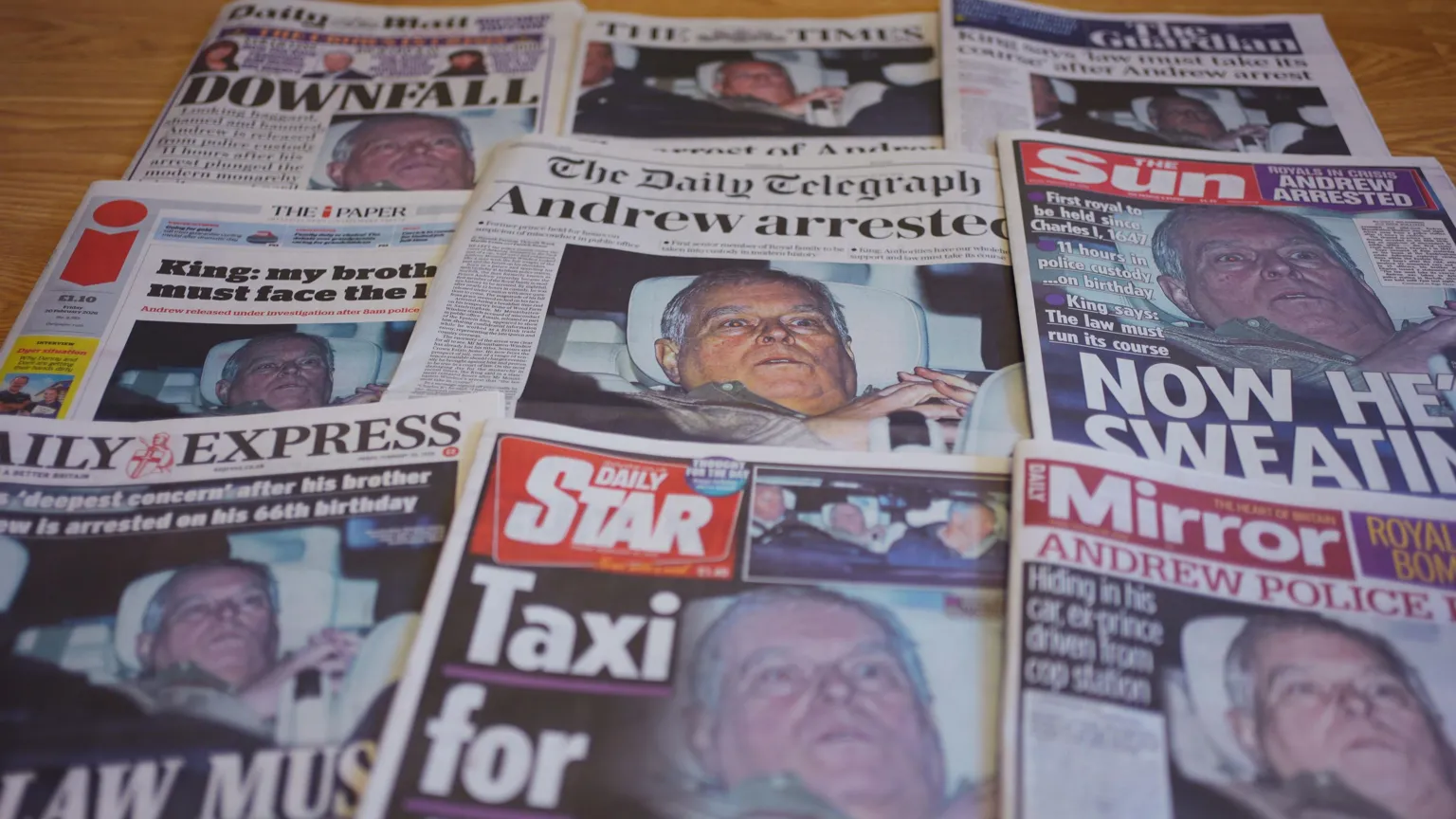
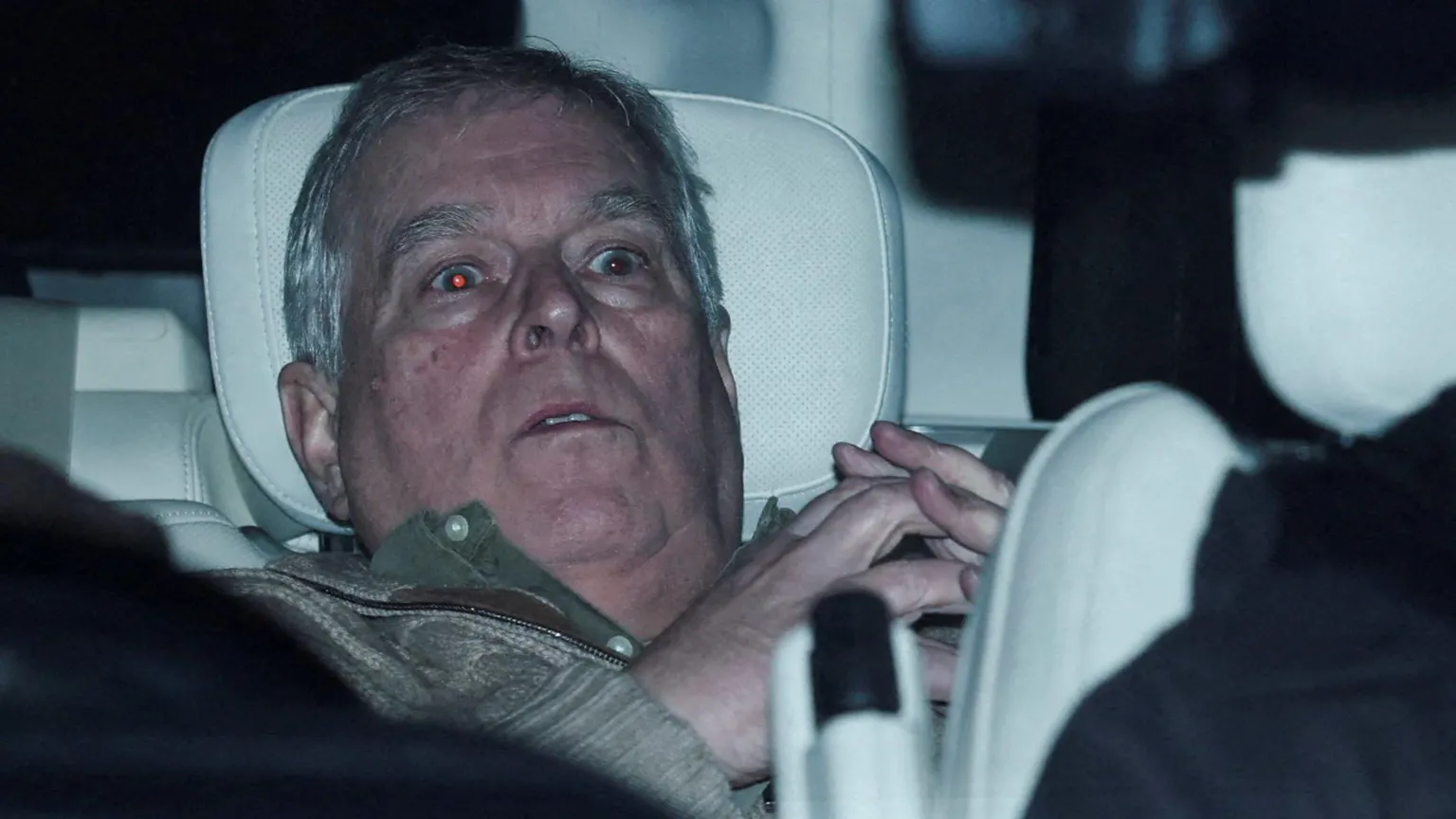
The photograph of Andrew Mountbatten-Windsor, visibly stunned and slumped back in a car following his arrest, has been widely circulated across newspapers and websites globally.
The photographer responsible for the image, Phil Noble from Liverpool, described the capture as "more luck than judgement."
Upon learning on Thursday morning that the King's brother had been detained by police, Noble undertook a six-hour drive south from his Manchester residence to Norfolk, where the former prince lives.
Typically, Noble covers a variety of stories and had recently been photographing floods and football matches earlier in the week.
He characterized Thursday's significant event—marking the first arrest of a senior British royal in modern history—as "a proper old school news day, a guy being arrested, who can we call, tracking him down."
Details of the Arrest
The former prince was taken into custody on suspicion of misconduct in public office after police arrived at his Sandringham Estate residence in unmarked vehicles at approximately 08:00 GMT on Thursday, two hours prior to the public announcement of the news.
He was subsequently transported to a Norfolk police station for questioning, coinciding with his 66th birthday.
Since officers from Thames Valley Police conducted the arrest, there were potentially over 20 police stations in southeast England where he might have been held.
Tracking the Former Prince
Following a tip-off, Noble proceeded to the police station located in the historic market town of Aylsham, situated more than an hour's drive from Andrew's home.
Other media personnel were also present outside the station, but activity was minimal, according to Noble.
After waiting six hours in the cold as night fell, it appeared the tip-off had been incorrect.

Noble began packing his equipment and started moving toward a nearby hotel for an overnight stay.
Minutes later, he received a call from colleague Marissa Davison, who remained outside the station, informing him that Andrew's vehicles had arrived.
Noble hurried back just in time to witness two cars departing at high speed.
The lead car contained two police officers, prompting Noble to focus his camera and flash on the trailing vehicle.
He took six photographs in total—two depicted police officers, two were blank, one was out of focus, and the remaining one captured the now-famous image of Andrew.
The photograph shows a shocked Andrew leaning back in a car seat, his eyes reflecting the photographers' flashes at night, producing the red-eye effect.
Global Impact and Photographer's Perspective
The unprecedented nature of the arrest, combined with the clear focus on Andrew's expression, resulted in front-page coverage worldwide.
"You can plan and use your experience and know roughly what you need to do, but still everything needs to align," said Noble.
"When you're doing car shots, it's more luck than judgment."
Aftermath and Ongoing Investigation
On Friday morning, Noble joined media teams outside the Sandringham Estate, where Andrew returned after being released under investigation.
The former prince's arrest relates to his tenure as the UK's trade representative from 2001 to 2011.
The BBC has not obtained specifics regarding the allegations, but the detention follows previously reported claims that Andrew shared official documents from trade visits and a confidential briefing on investment in Afghanistan with the late financier and convicted sex offender Jeffrey Epstein, as well as passing a Treasury briefing to a personal business contact.
Andrew has consistently denied any wrongdoing in his associations with Epstein.
For further updates, listen to BBC Radio Manchester on Sounds and follow BBC Manchester on Facebook, X, and Instagram. Story ideas can be sent via WhatsApp to 0808 100 2230.


