

Historic Birth at Howletts Wild Animal Park
Howletts Wild Animal Park, located near Canterbury, has announced a "historic conservation milestone" following the birth of four critically endangered Sumatran tiger cubs. These cubs are the first of their species to be born at the park.
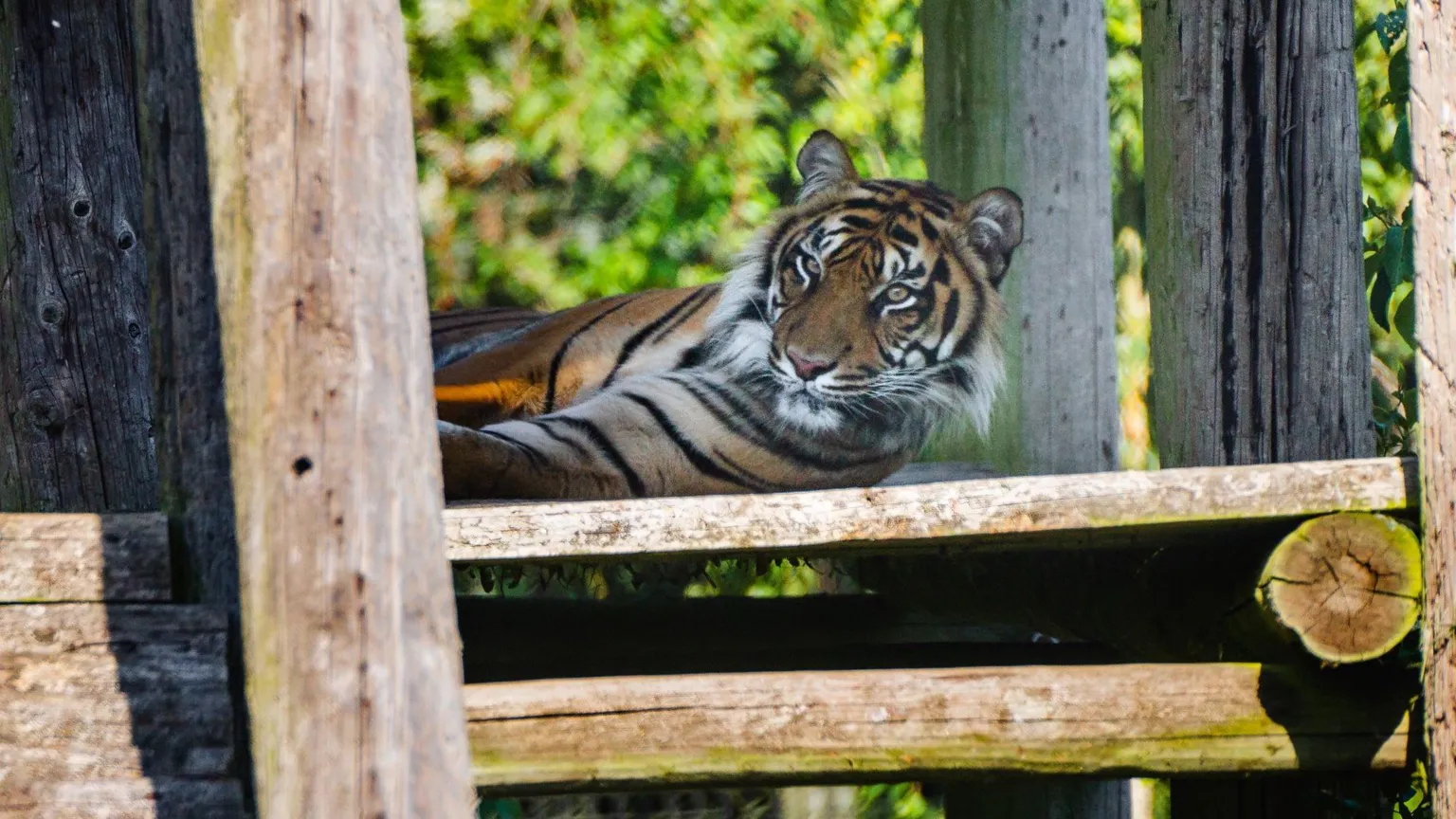
The cubs were born on 9 April and have spent their initial weeks "tucked safely away" in a den with their mother, Tipah.
"This is a hugely significant moment for Howletts and for the conservation of this extraordinary species."
A spokesperson from the park emphasized the importance of this event for both the facility and the species’ conservation efforts.
Conservation Significance and Current Status
Howletts highlighted that fewer than 400 Sumatran tigers remain in the wild, underscoring the critical status of the species. The arrival of these cubs represents a "hugely significant boost" for the future survival of Sumatran tigers.
Health and Behavior of the Cubs
Keepers have reported that all four cubs are "healthy, fluffy and growing well." Among them, one cub is described as "especially vocal," frequently calling for her mother when she moves away, while another cub is already noticeably larger than its siblings.
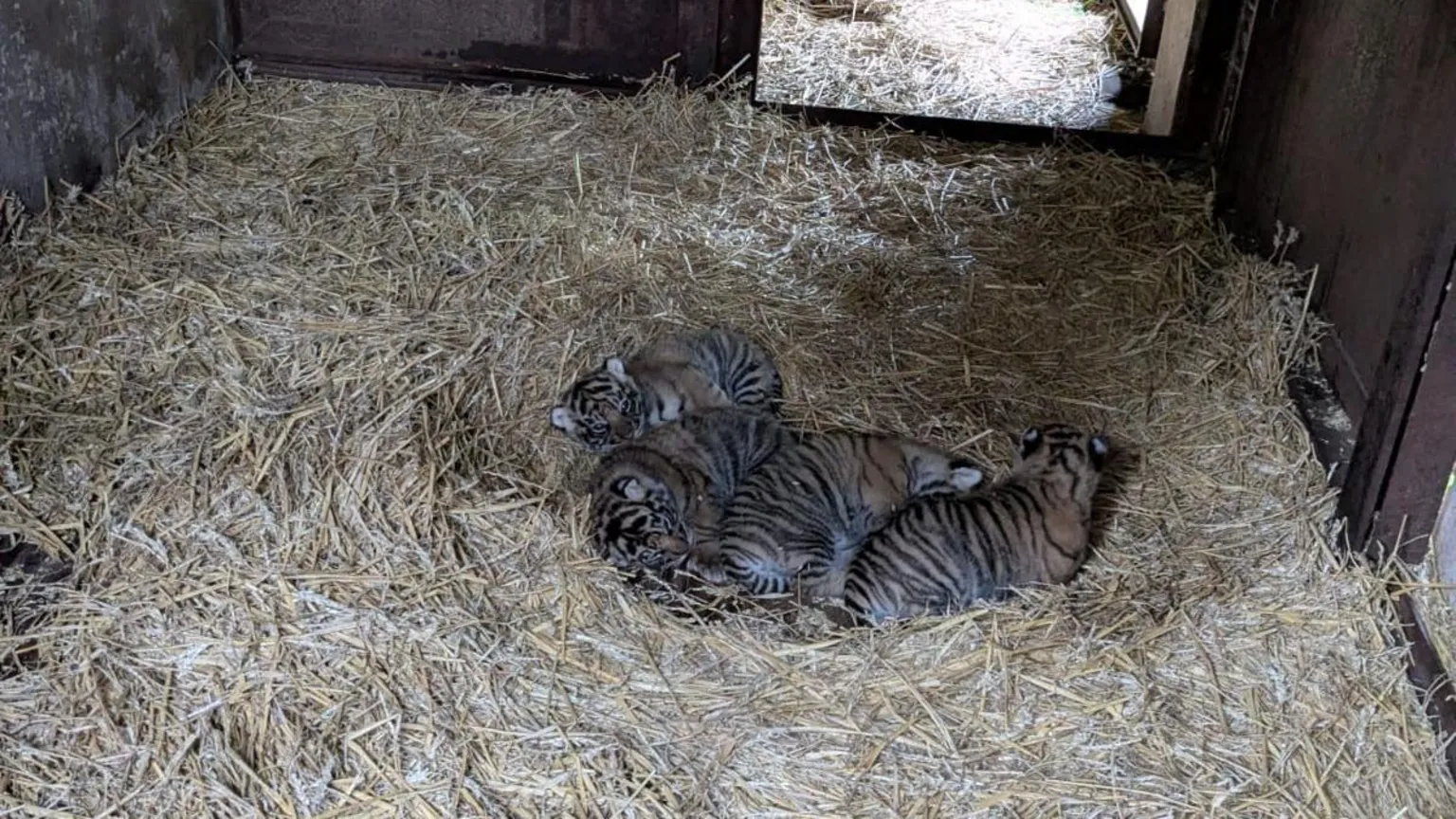
The park has not yet confirmed the gender of the cubs.
About the Mother and Father Tigers
The cubs’ mother, Tipah, who was born in January 2019, is characterized as "independent, cheeky and inquisitive." She has produced one of the largest litters recorded for Sumatran tigers in captivity, according to the park.
Since becoming a mother, Tipah has settled "beautifully" into her new role, with keepers describing her as "calm, attentive and content." She has shown trust in her keepers, allowing them to be nearby but maintaining some distance.
The father, Nakal, who joined Howletts in July 2025, has appeared to miss Tipah’s company during the early weeks when they have been separated, the park added.
Sumatran Tiger Conservation Context
According to Edinburgh Zoo, Sumatran tigers are critically endangered primarily due to habitat destruction and poaching. They are the smallest subspecies of tiger and are native to Sumatra, one of Indonesia’s largest islands.
Engagement and Contact
For further updates, follow BBC Kent on Facebook, X, and Instagram, and listen to BBC Radio Kent on Sounds. Story ideas can be sent to southeasttoday@bbc.co.uk or via WhatsApp at 08081 002250.


