Voter Shifts and Political Volatility
Voters disillusioned with Keir Starmer’s Labour party have recently shown increased interest in the Greens. However, there is concern within Zack Polanski’s party that the affable, left-leaning Andy Burnham could attract these voters back to Labour.
The shift in voter sentiment was evident shortly after Starmer announced his intention to resign. YouGov polling indicated a two-point rise for Labour and a corresponding two-point decline for the Greens. This raises the question of whether an Andy Burnham premiership might prompt a reassessment for Polanski’s party.
The answer remains uncertain, particularly given the current climate of unprecedented political volatility and fluctuating poll numbers. This year alone has seen Labour’s lead over the Greens swing from five points to a similar margin favoring the Greens, and then to a seven-point advantage for Labour.
Many Greens acknowledge that Burnham could present a different challenge.
Polanski’s Impact and Green Party Growth
In just ten months as leader of the Greens in England and Wales, Zack Polanski has expanded the party’s membership, increased poll ratings from about 10% to nearly double that, and achieved surprising victories against Reform UK and Labour in the Gorton and Denton by-election.
Much of this success is attributed to appealing to voters dissatisfied with Starmer’s Labour. Separate YouGov polling released recently highlighted this cross-appeal, showing that 85% of 2024 Labour voters held a favorable impression of Polanski’s party.
It remains unclear how much of this support will persist under Burnham, who is considered a more effective communicator than Starmer and capable of articulating ideas that resonate as left-leaning, regardless of their practical implications.
“A lot of the impact Zack has had in these first nine months has been because there was a clear space for an affable leader who is to the left of Keir Starmer, and there now will be questions about whether that space is still there,”said one senior Green.
“If we have a PM who is seen as more left, us simply going further to the left isn’t going to deliver the results we want.”
Mixed Perspectives Within the Greens
Some members of the Green party are more optimistic, anticipating a Labour poll bounce following Starmer’s departure but doubting that Burnham’s policy agenda will differ enough to sustain it.
“Keir Starmer came in saying he was going to do a lot of things, and it was that sense of dashed hopes that did for him,”explained one Green official.
“I can see the same thing happening with Burnham. There feels like such a desperation for him to make a difference. If he doesn’t – either because he won’t or because he hasn’t got the time or leeway – people will feel let down.”
Others note that many Greens left Labour over issues unlikely to be addressed by Burnham, such as adopting a tougher stance on Gaza and Israel or pursuing full nationalization of utilities like water.
“Burnham definitely is showing a bit of leg when it comes to policies more from the left, but I suspect there is not much more than that to it,”commented another senior Green figure.
Changing Perceptions and Electoral Success
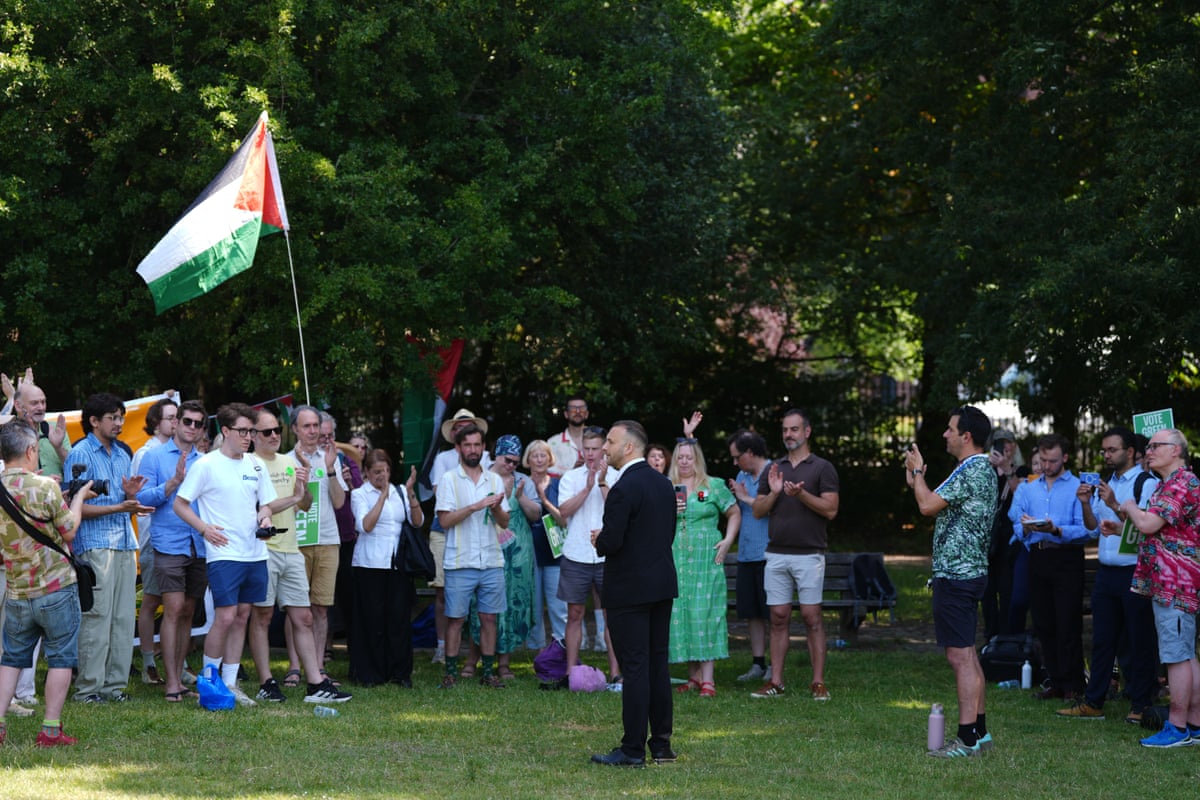
A recurring theme among Greens is that the party today is very different from the one Polanski inherited last September, particularly regarding the reach of its messaging and recent electoral achievements.
“More people have now voted Green than ever before and historically when people do it once, they tend to do it again,”said another party official.
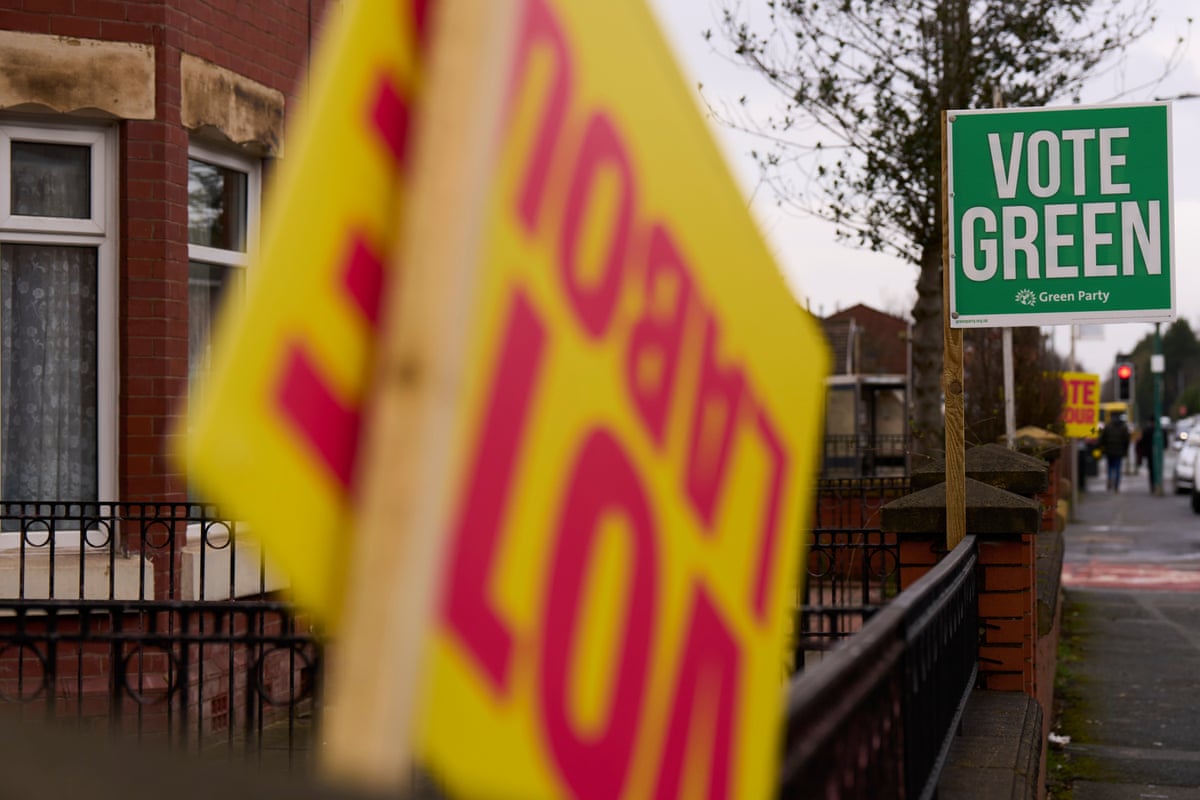
“For years people thought: ‘It’s a nice idea but a wasted vote.’ After Gorton and Denton and the local elections, they don’t think that.
“There is a huge pool of people who have voted Green, feel good about it, and won’t go back to Labour unless there is a really good reason to do so. There is no panic.”
Internal Challenges and Strategic Debates
Despite the optimism, some Greens express concerns that the initial enthusiasm around Polanski has diminished somewhat. This is partly due to the difficulty of sustaining such a demanding schedule and increased scrutiny over certain areas.
There is also an ongoing, generally polite internal debate within the party. This divides roughly between longer-standing members who prioritize a stronger environmental and nature focus, and newer members who align with Polanski’s emphasis on issues like wealth taxes.
Simultaneously, discussions continue about the number of seats the Greens should target in upcoming elections and their geographic focus. While the target will likely be in the dozens, there is caution about spreading resources too thinly and replicating the Liberal Democrats’ experience, where they accumulated votes with a populist anti-Brexit message but secured few MPs.
Work is underway to analyze results from May’s local elections, with senior Greens indicating that an interim number of target seats has already been increased.
Expert Analysis on Leadership Change
Robert Ford, professor of political science at the University of Manchester, advises caution regarding the Greens’ prospects following the leadership change at No 10.
“It has been easy for Zack Polanski, because he could basically run a very simple morality play with Keir Starmer as the pantomime villain, and that was a story that disaffected voters on the left love to hear.
“I think it’s harder to cast Burnham, at least early on, in the same sort of role. He is a much more effective communicator, including in some of the less traditional communications channels, like online, that the Greens have again become used to having to themselves.
“What you might call the vibe environment will be less favourable to them. They’re not going to just win that by default.”