
Council to Decide on Hydro-Electric Project at Loch Quoich
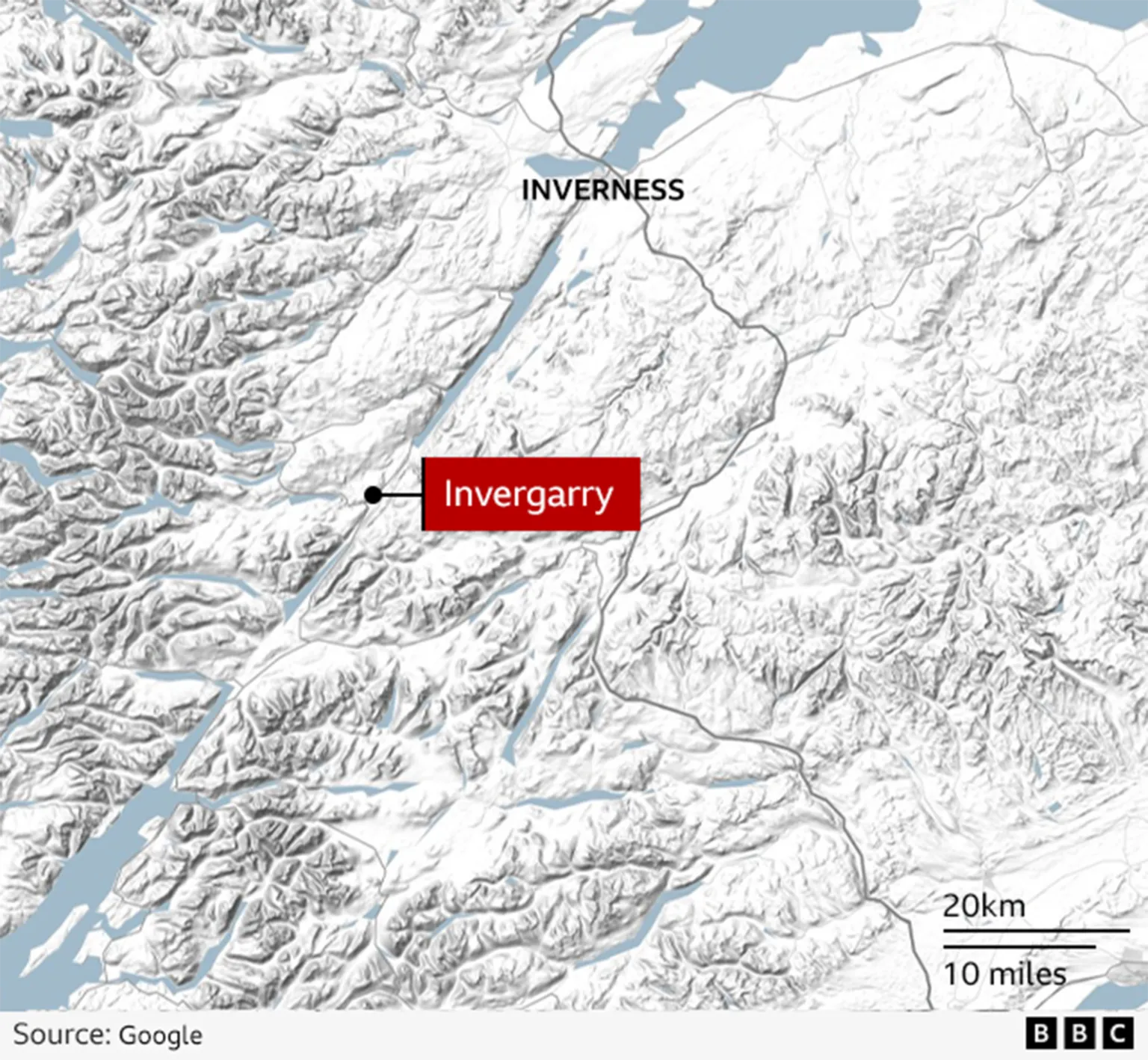
Highland councillors are set to determine whether to formally object to plans for a significant hydro-electric development at Loch Quoich, near Invergarry.
Fearna PSH Ltd has proposed converting an existing hydro scheme, originally constructed in the 1950s, into a pumped storage hydro (PSH) facility.
In an official report, council officers expressed concerns regarding the potential impact of the development on the surrounding mountain landscape and local wildlife. Additionally, there are worries about the strain construction traffic could place on rural roads in the area.
The developer has described the project as "nationally significant," stating it would have the capacity to store "vast amounts" of energy. This stored energy could then be used to supply electricity to more than half of Scotland's homes when needed.
Several local community councils, along with Mountaineering Scotland and RSPB Scotland, have also voiced apprehensions about the scheme.
The Scottish government has requested Highland Council's official stance on the proposal.
The south planning applications committee of the local authority will review and discuss the plans.
According to the report, the plans currently lack adequate measures to "reasonably mitigate" the anticipated effects on wildlife and geological features deemed of special interest.
The report further highlights that the project would cause "significant adverse effects" on protected areas, including the Moidart, Morar, and Glen Shiel Special Landscape Area.
In response, the developer stated that the scheme has been "carefully and sensitively" designed and includes an "ambitious" programme aimed at enhancing biodiversity.
Councillors have been advised to lodge an objection to the proposal.
Understanding Pumped Storage Hydro Facilities
Pumped storage hydro systems operate using two reservoirs situated at different elevations.
Water moves between these reservoirs through tunnels, passing through a power station to generate electricity.
During periods of low electricity demand or when surplus power is generated by wind farms, electricity is used to pump water from the lower reservoir to the upper one.
When electricity demand is high or wind power is insufficient, the stored water is released from the upper reservoir, flowing down through tunnels to drive turbines that produce hydro-electricity.


