

Government Commits Billions to SEND Inclusion
The government has announced plans to invest billions of pounds to enhance inclusivity for pupils with special educational needs and disabilities (SEND) in mainstream schools across England.
This funding includes £1.6 billion allocated over three years directly to schools, early years settings, and colleges, alongside £1.8 billion over the same period aimed at increasing access to specialists such as specialist teachers and speech and language therapists.
The investment forms part of a comprehensive overhaul of the SEND system, with the government set to publish a full series of school reforms on Monday.
Teaching unions have indicated they will scrutinize the proposals carefully. One union described the funding as "barely a drop in the bucket" compared to what is required, citing "years of underfunding".
The announcement follows leaks revealing aspects of the government's SEND plans ahead of the Schools White Paper, which formally outlines the government's SEND strategy.
Proposed Changes to EHCPs and Support Plans
The leaked proposals include reassessing children's education, health and care plans (EHCPs) after they finish primary school and again after completing GCSEs. EHCPs are legal documents detailing the support children are entitled to.
This reassessment could result in fewer children retaining EHCPs into secondary school, potentially reducing costs associated with these plans. Children in Year 6 in 2029 would be the first group reviewed under these plans before starting secondary school in 2030.
Disability charities and campaign groups have expressed concerns that this could unsettle parents, who fear support might be withdrawn during a critical period requiring stability.
Additionally, the proposals suggest introducing new individual support plans (ISPs) for all children with SEND, which would carry some legal weight.
Currently, just over 480,000 of the 1.7 million pupils with SEND in England have EHCPs.
Union and Expert Reactions to Funding
Matt Wrack, general secretary of the NASUWT union, responded to the funding announcement by stating:
"£1.6bn over three years may sound like a lot of money, but it equates to just a few thousand pounds per setting."
He described it as "ridiculous" to suggest the system could be overhauled with such funding.
Luke Sibieta from the Institute for Fiscal Studies characterized the funding as a "reasonably significant change" within the Department for Education's budget. However, he noted that reform would be a "long and complicated process," emphasizing the need to develop a new funding system to ensure resources are effectively targeted across schools.
He also highlighted the importance of managing the transition carefully to avoid disrupting existing support for pupils with SEND.

Government Officials' Statements
Prime Minister Keir Starmer stated the reforms would provide families with:
"tailored support built around their child's individual needs, available on their doorstep."
He added,
"Whatever their background, wherever they live - this government will do right by every child."
Education Secretary Bridget Phillipson described the reforms as a "watershed moment" for children and a "major milestone in this government's mission to make sure opportunity is for each and every child."
Speaking to the BBC on Sunday, she assured that ministers would not be withdrawing "effective support" and emphasized that the government would be "spending more money," not less, on SEND provision.
Responses from Educational and Disability Organizations
The National Association of Head Teachers (NAHT) welcomed the principle of increased funding to support pupils in mainstream schools but indicated it would consult with school leaders to assess whether the funding is sufficient.
Paul Whiteman, general secretary of NAHT, commented:
"There will always be some pupils whose needs are so great that they require support in a special school, and it's crucial the government's plans ensure all children get the support they need at the right time in the right setting."
Jon Sparkes, chief executive of learning disability charity Mencap, described the additional funding for inclusive mainstream schools as "welcome news."
He stated:
"Families must have their children's needs identified early and for them to be given the right help straight away, backed by services fully funded to do the job, and rights underpinned by law."
Teacher Training and Inclusion Efforts
Included in the new funding is £200 million dedicated to ensuring every teacher is qualified to support pupils with SEND. The government described this as the largest SEND training initiative ever undertaken in English schools.
Many school leaders have expressed a desire for increased SEND training as part of the government's reforms.
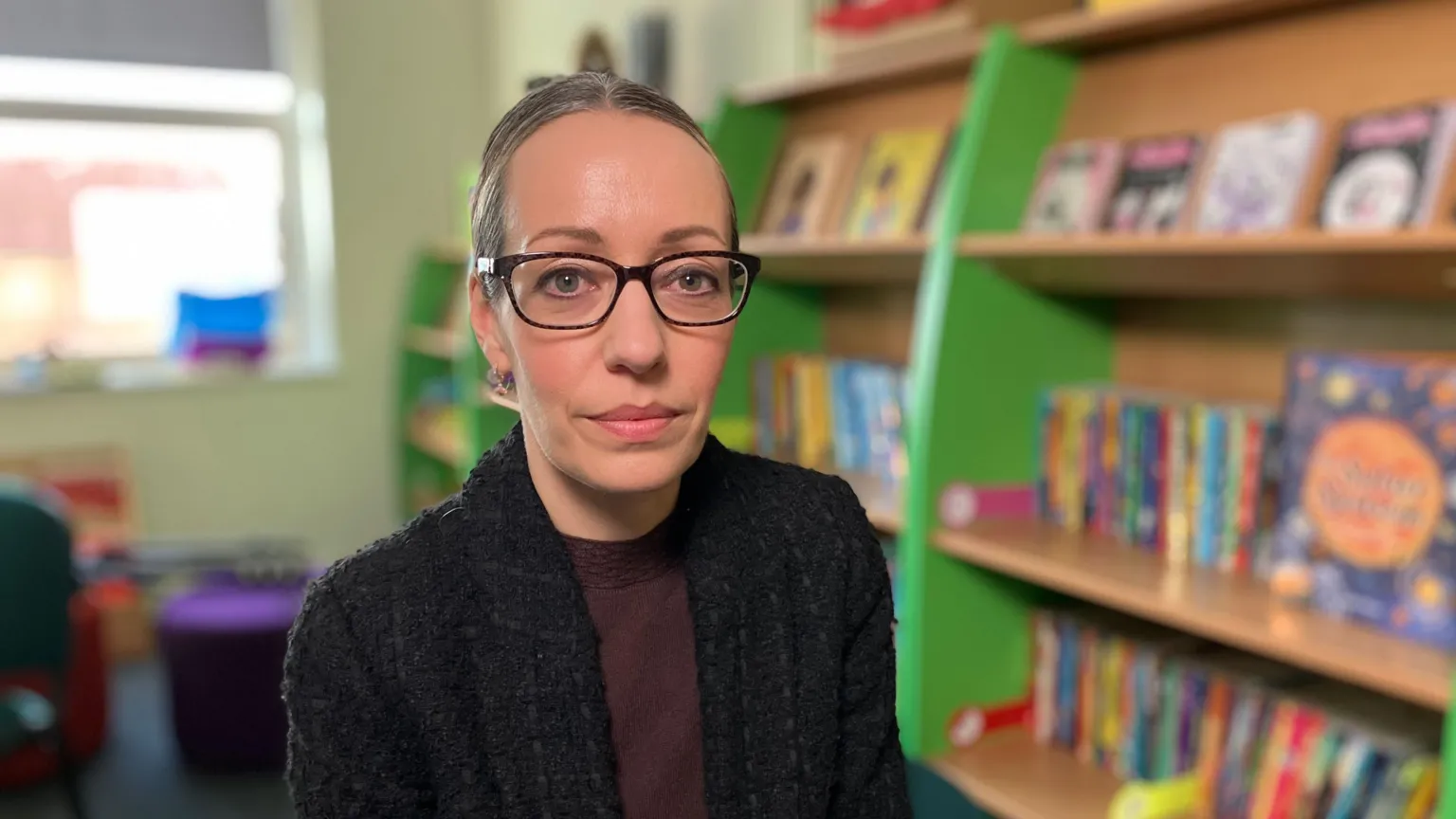
Claire Robertson, head teacher of Cherry Fields Primary School in Banbury, emphasized the responsibility of mainstream schools to be as inclusive as possible.
Speaking to prior to the funding announcement, she said she hoped the White Paper would focus on developing SEND training for mainstream staff:
"Our staff are wonderful but we need to have access to appropriate training to support our young people."
Additional Government Goals and Upcoming Publication
The government also plans to halve the attainment gap between disadvantaged pupils and their peers in England by the time children born during this Parliament complete secondary school.
Full details of the government's planned school reforms will be published on Monday.


