

Partial Resumption of Services at Glasgow Central Station
Following a weekend fire that severely damaged a building adjacent to Glasgow Central Station, some train services have resumed. The station's low level platforms, which serve the Argyle line north of the River Clyde, were reopened after a comprehensive site assessment.
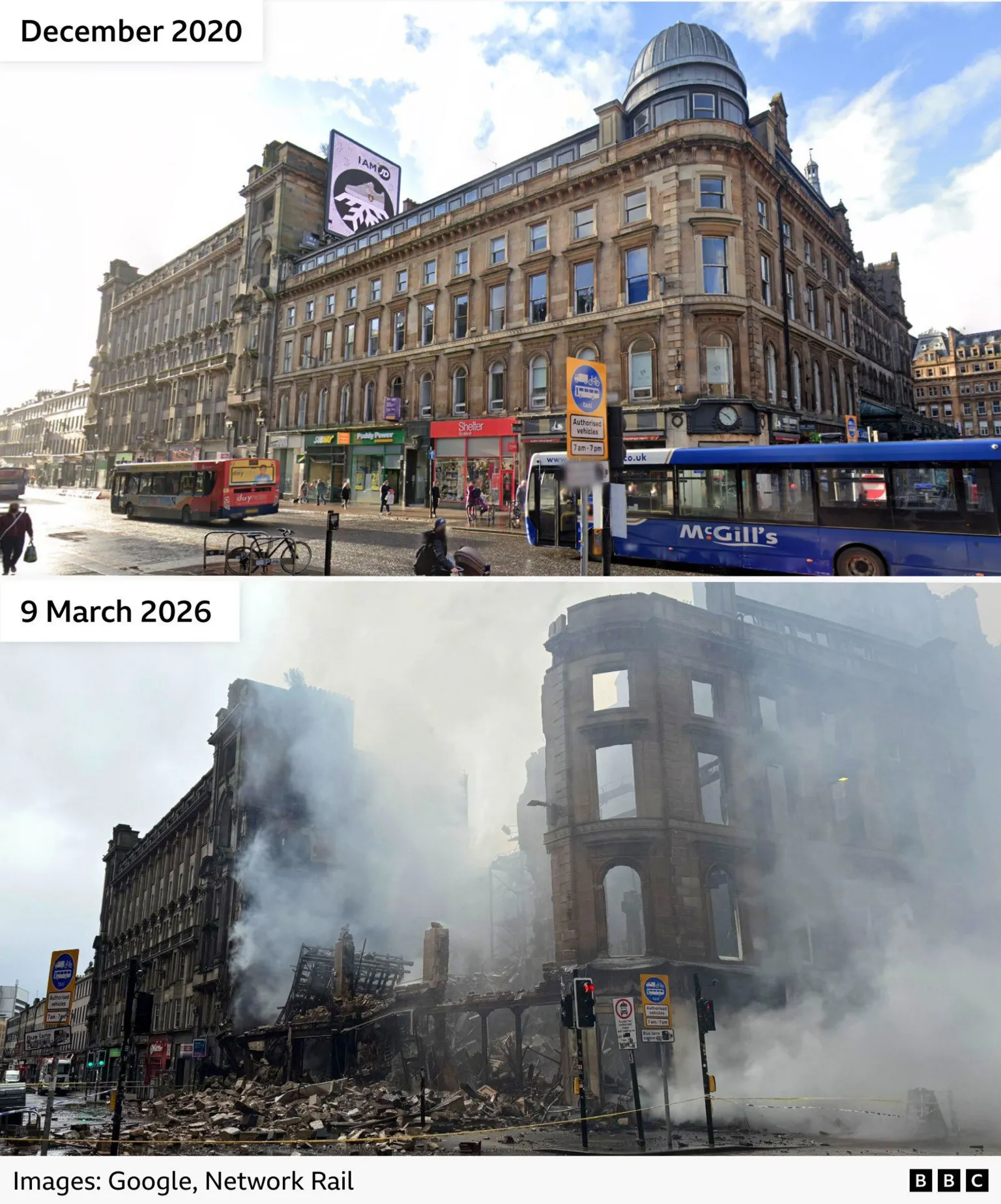
However, Network Rail has announced that the main high level station will remain closed for the remainder of the week due to the "high level of instability" of the fire-damaged facade.
Glasgow Central, Scotland's busiest railway station, has been closed since Sunday after a fire spread from a vape shop on Union Street to the B-listed Victorian building next door.
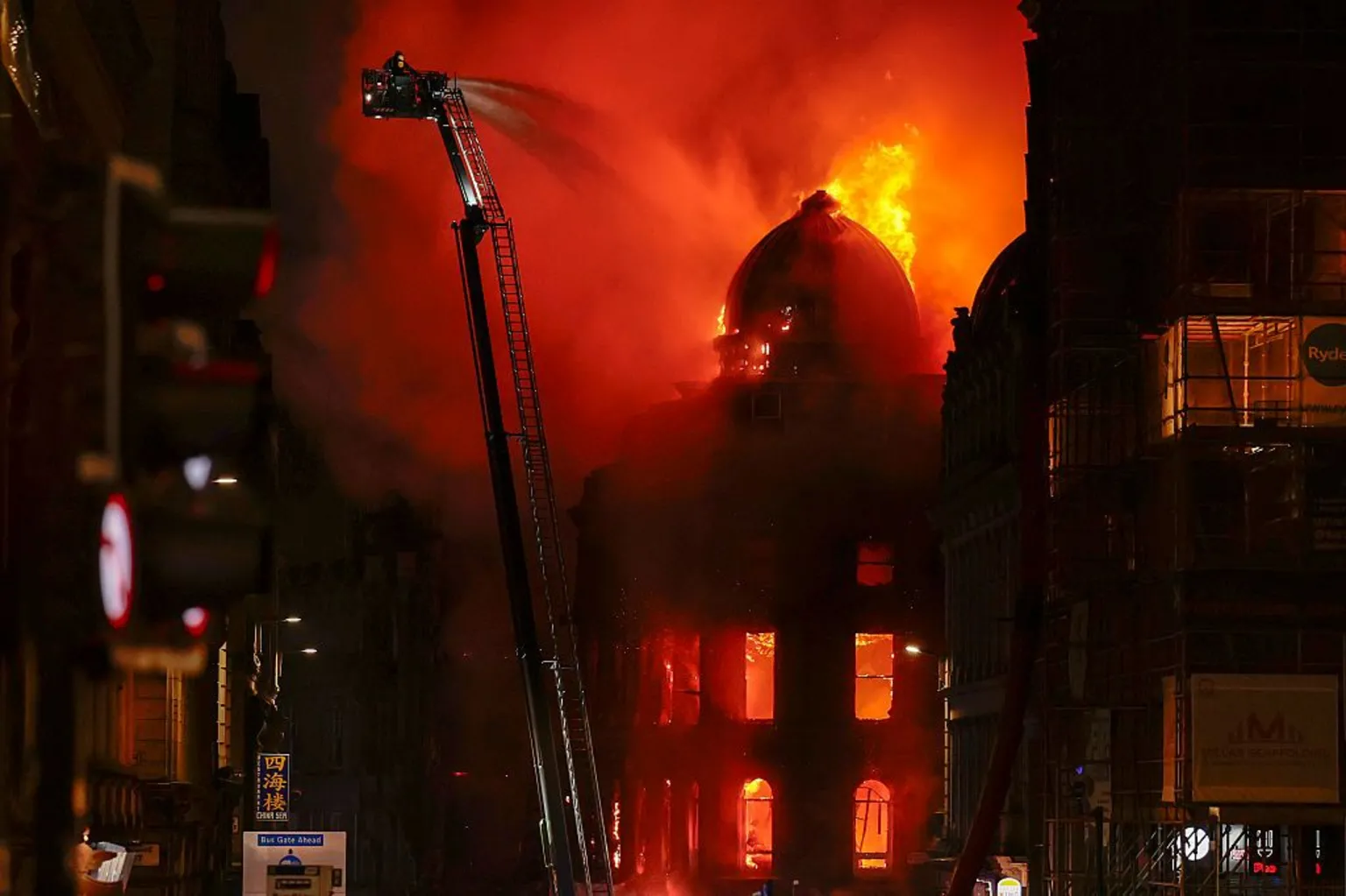
Network Rail stated that it must await the completion of investigations by the Scottish Fire and Rescue Service (SFRS) and Glasgow City Council to determine the safety of the site.
"Further work is required to ensure the high level station is safe for trains to operate.
Our priority is to make sure that we can reopen Glasgow Central as soon as it is safe to do so.
We will continue to work with emergency services, the local council and our train operators to restore services." – Ross Moran, Network Rail route director
No trains have been operating to or from the high level station this week, with services passing through the lower level without stopping.
Current Service Adjustments and Access
ScotRail has confirmed that services will now call at Glasgow Central low level, with all three entrances to this section—one on Hope Street and two on Argyle Street—open to the public.
The low level station is part of the Argyle Line, a cross-city rail link running beneath the city centre. Services using this line include those traveling from Balloch, Dalmuir, and Milngavie in the west, through to Motherwell, Larkhall, Lanark, and Cumbernauld to the east.

Emergency Response and Ongoing Safety Measures
As of Wednesday, the Scottish Fire and Rescue Service reported that three fire engines and one high-reach vehicle remained at the scene.
"We understand the disruption this fire has caused, and we are grateful for the patience shown by the public as we work to bring this incident to a safe conclusion." – Deputy Assistant Chief Officer Ian McMeekin
Impact on High Level Services and Passenger Information
Services from the high-level platforms will continue to be disrupted. Avanti West Coast has advised that tickets dated between 8 and 13 March can be used at no extra cost on any Avanti West Coast train on the same route until Friday. Services between Glasgow and London are currently operating from Motherwell or Edinburgh instead.
Glasgow Central is one of the busiest stations in the United Kingdom, with approximately 25 million passenger visits annually. It serves as the main station for all services on the West Coast Main Line to England and operates numerous services throughout central Scotland.
Fire Damage and Historical Context
A fire break between the Union Corner building—which was destroyed in the blaze—and the external wall of the station is believed to have prevented the fire from spreading further on Sunday. There were no reported casualties.
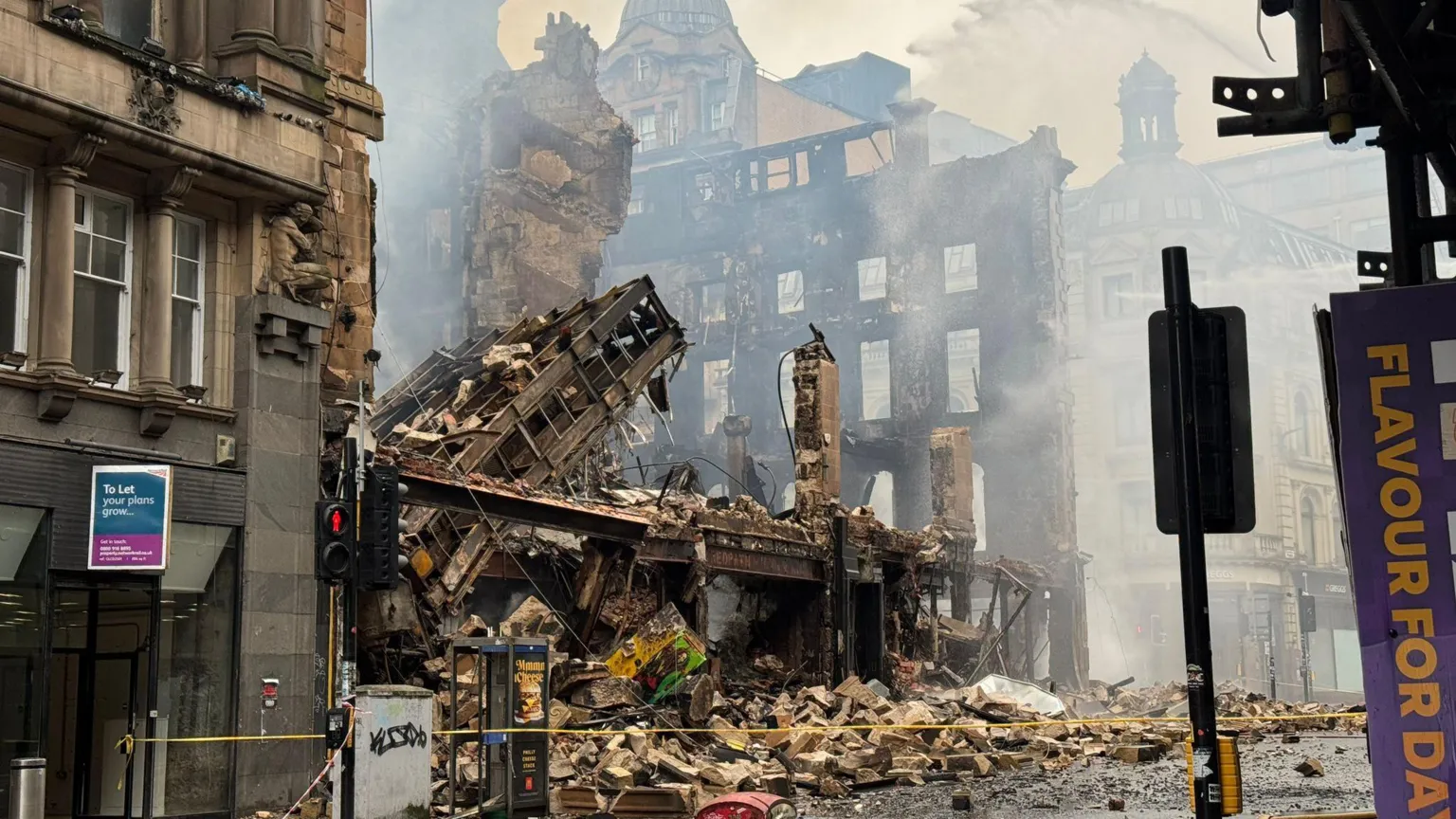
The Union Corner building dates back to 1851, predating Glasgow Central Station, which opened in 1879.
What Needs to Happen for Glasgow Central to Fully Reopen?
Since the fire, low level services had not been stopping at Central, instead continuing onto Argyle Street, also located in the city centre.
Network Rail must wait for the Scottish Fire and Rescue Service and Glasgow City Council to complete their assessments and safety work before reopening the high level station.
Restoration of full services will depend on ensuring the structural integrity of the fire-damaged facade and the overall safety of the station premises.


