

Funding Questions for Ulster University Expansion
A senior official from Stormont has expressed concerns regarding the financial support for the ongoing expansion of the Ulster University (UU) campus in Londonderry.
The campus currently accommodates 6,500 students, with a goal to increase this number to 10,000 by the year 2032.
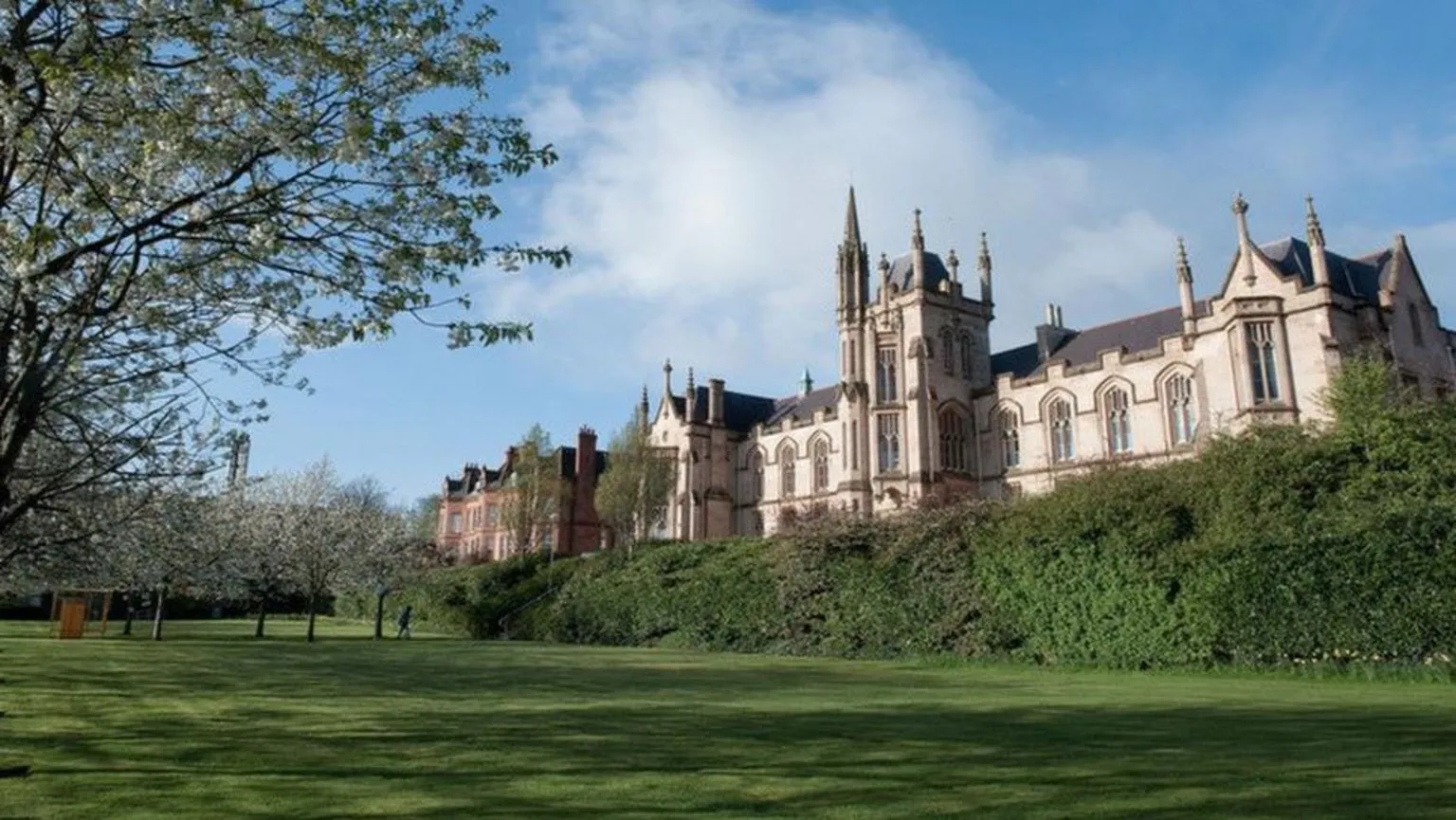
Ian Snowden, a senior official at the Department for the Economy, stated that expanding the Derry campus along with another UU campus located in Coleraine would require an additional £40 million annually.
He explained that this funding could only be sourced if the Executive decides to reallocate funds from other areas or opts to raise student fees.
"Up until now increasing fees had 'not been politically acceptable'."
"Those are decisions the Executive will have to take collectively as part of its budget deliberations, in line with all the other pressures,"Snowden added.
Budgetary Constraints and University Planning
Snowden emphasized that the expansion plans would also hinge on what Ulster University deems financially sustainable within its existing budget.

He anticipated that there would soon be
"a serious conversation quite soon"regarding the implications
"for the trajectory of the numbers."
He noted that the university has not indicated any intention to reduce or scale back the current student numbers.
"They have not indicated to me they would be talking about retrenchment or reduction from the numbers there currently.
But the funding of the expansion is something that has to be very seriously considered for affordability reasons."
Budget Pressures and Potential Funding Cuts
Snowden made these remarks while addressing Members of the Legislative Assembly (MLAs), highlighting that his department's budget for the upcoming year is under significant pressure, which could potentially lead to cuts in university funding.
He quantified these pressures as amounting to £134 million, representing 15% of his department's budget.
He clarified that the term "pressures" refers to obligations or desired initiatives that currently lack allocated funding.
However, he stressed that these pressures do not necessarily indicate an overspend, as expenditures can be reduced or postponed.


